
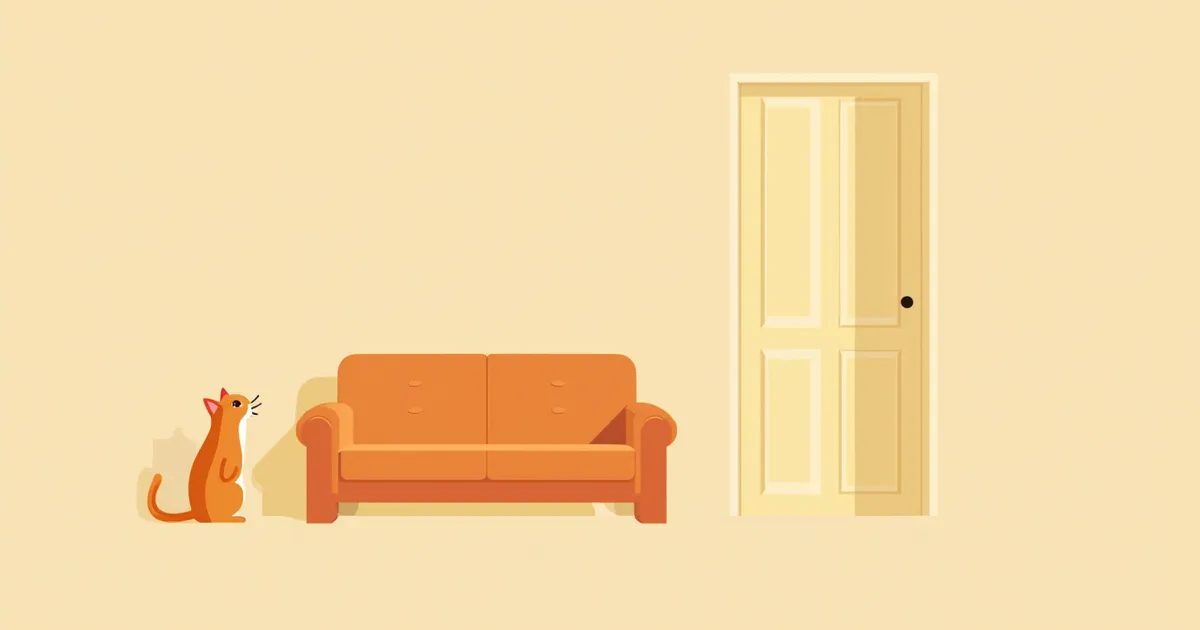
My Cat Cries When Left Alone — Causes of Separation Anxiety and Signs It’s Time to Visit the Vet
Feline separation anxiety is a behavioral disorder characterized by excessive anxiety responses when a cat is separated from its owner. We’ve compiled a symptom checklist, desensitization and counterconditioning treatment methods, and key home care tips.
What Is Feline Separation Anxiety?
Why Does Separation Anxiety Occur? Main Causes
Check for These Behaviors — Key Symptoms

When to Seek Veterinary Care Promptly
If your pet continues to refuse food and water, engages in excessive grooming that causes skin injuries, or repeatedly has accidents outside the litter box, don’t ignore these signs—consult a veterinarian. In such cases, behavior modification techniques like desensitization and counterconditioning can be used, along with anti-anxiety medication if necessary. The longer these symptoms are left untreated, the more entrenched they become, making treatment more difficult. It’s best to seek veterinary care as soon as possible.
How Is It Diagnosed?
Treatment Methods — Desensitization and Counterconditioning Combined with Medication

Home Care Tips for Owners
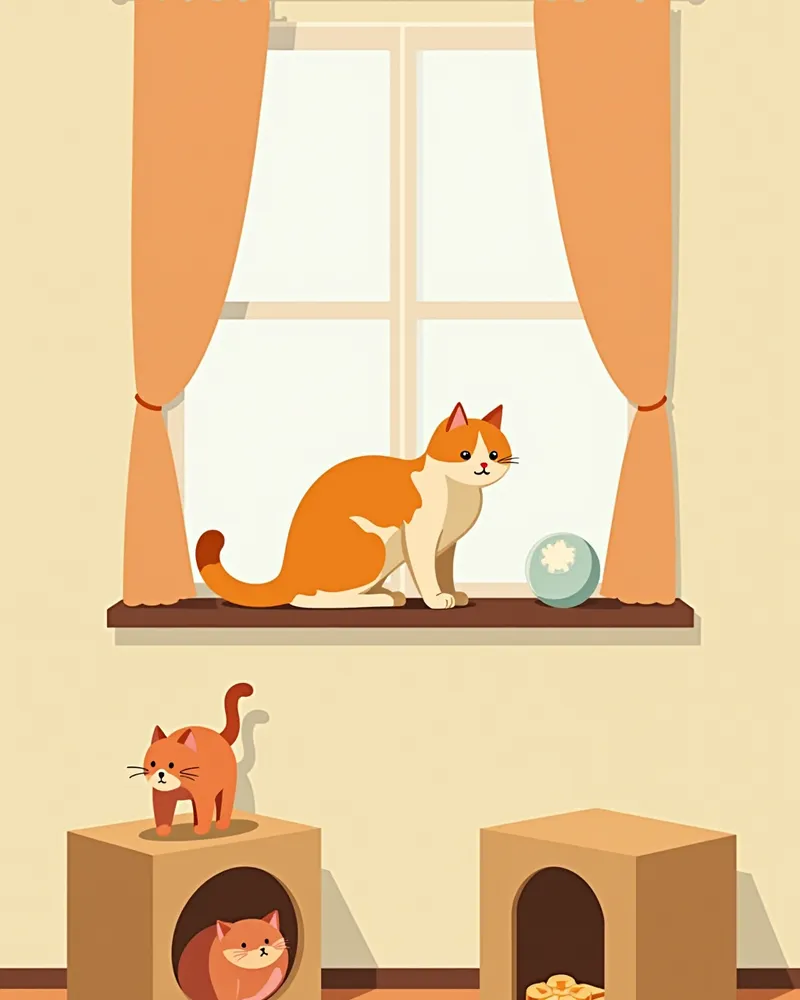
Breeds to Watch and Tips for Preventing Relapse
There is no clear evidence to suggest that only certain breeds are prone to separation anxiety. However, cats that are overly attached or dependent on their owners, or those who did not adequately adapt to being alone during kittenhood, may struggle more with separation. Therefore, gradually increasing the amount of time they spend alone from the early days of adoption can be an effective preventive measure. Even after symptoms improve, regularly checking for stressors in the home and continuing behavioral consultations with a veterinarian can help prevent relapse.
Reviewed by a veterinarian

Dr. Tony — Punnawat Phongkittirak
VeterinarianA veterinarian who majored in veterinary medicine at Khon Kaen University, Thailand, and completed the IVSA program at North Carolina State University in the United States. Drawing on clinical experience at animal hospitals, he works in the pet healthcare field and is dedicated to building a digital care environment that connects pet parents with veterinarians.
Reviewed 2026-06-01
Frequently Asked Questions
Can feline separation anxiety be treated?
Will having two cats help alleviate separation anxiety?
Do pheromone products help with separation anxiety?
How long does it take for the training to show results?
Can separation anxiety develop suddenly?
Share
Related Guides

7 Behavioral Enrichment Strategies for Mental Stimulation Recommended by Veterinarians
Top 5 Recommended Cognitive Supplements for Cats in 2026

Top 5 Calming Supplements for Dogs and Cats in 2026
If Your Cat’s Eyes and Gums Are Yellow — Causes of Feline Jaundice and When to Visit the Vet
If Your Cat Keeps Vomiting and Is Lethargic — Symptoms, Causes, and Treatment Timing for Cholecystitis

Can I Give Omega-3 to a Dog with Poor Kidney Function? — Supplement Effects and Precautions
Late-Stage Chronic Kidney Disease in Dogs: A Care Guide for Pain Relief and Quality of Life
Can I Administer Subcutaneous Fluids to My Cat at Home? — Safe Self-Administration and Warning Signs
If Your Cat Has Kidney Cysts — Progression and Management Points
Foam in Cat Urine — Causes of Proteinuria and UPC Ratio, and Treatment Timing
References
[1] Horwitz, D.F. (Ed.). Veterinary Guide to Preventing Behavior Problems in Dogs and Cats. Wiley-Blackwell.
[2] Mazur, J.E. (2016). Learning and Behavior (8th ed.). Routledge.
[3] McGreevy, P. & Boakes, R. (2011). Carrots and Sticks: Principles of Animal Training. Darlington Press.
[4] Landsberg, G.M., Hunthausen, W. & Ackerman, L. (2013). Behavior Problems of the Dog and Cat (3rd ed.). Saunders Elsevier.
[5] Shaw, J.K. & Martin, D. (Eds.). Introduction to Animal Behavior and Veterinary Behavioral Medicine. Wiley-Blackwell.