Like
Share
멍실장
고양이 심장 질환 예후 증상과 원인, 진단·치료와 관리 포인트 총정리

How Long Can Our Cat Live with Heart Disease? Key Factors Affecting Prognosis and Management

HeartDiseasesMeongsiljang Veterinary Advisory Board

Feline heart disease often shows no symptoms in its early stages, but early diagnosis and management significantly impact the prognosis. The most common condition is hypertrophic cardiomyopathy (HCM), and the prognosis varies depending on the disease stage and the cat’s age.

The Prognosis of Feline Heart Disease Varies Significantly Depending on Disease Type and Stage
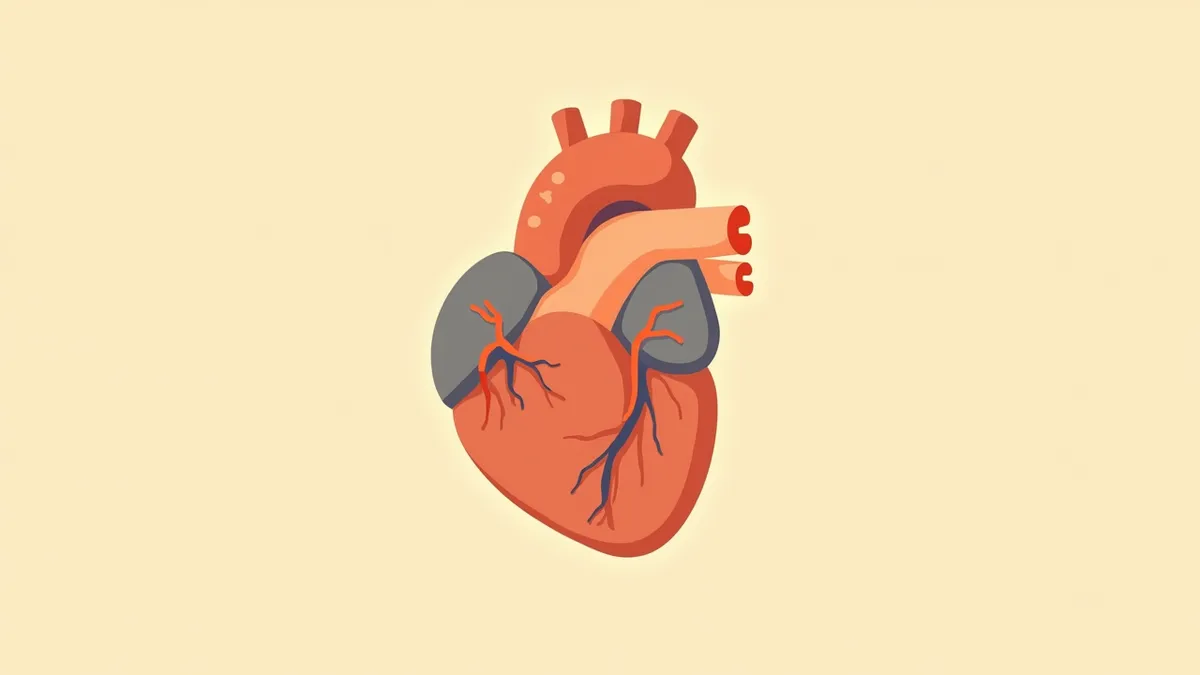
Diagram of the heart structure in a cat with hypertrophic cardiomyopathy
Hypertrophic cardiomyopathy (HCM) is the most common heart disease in cats, and restrictive cardiomyopathy (RCM) is also relatively frequent. In the early stages, symptoms are often minimal, making early detection difficult. However, as heart function progressively declines, the prognosis can worsen due to complications such as congestive heart failure or arterial thromboembolism. That said, the progression from the time of diagnosis varies significantly among individuals, and cases have been reported where cats diagnosed at the asymptomatic stage remained stable for a relatively long period. Therefore, early diagnosis and consistent monitoring tailored to the disease stage are of utmost importance. - Early Detection: For high-risk breeds such as Maine Coons and Ragdolls, it is advisable to consider regular cardiac ultrasound screening and genetic testing, even in the absence of symptoms. - Prognostic Factors: The disease stage, degree of left atrial enlargement, age, and presence of underlying conditions significantly influence the prognosis. - Importance of Management: Treatment appropriate to the disease stage, along with regular monitoring, directly aids in preventing complications and managing the prognosis.

The Main Causes of Heart Disease Are Genetic Predisposition and Age

Feline heart disease is influenced by various factors, including genetic predisposition and age. - Genetic Risk: Certain breeds, such as Maine Coons and Ragdolls, are known to carry genetic mutations associated with hypertrophic cardiomyopathy (HCM). For these breeds, consider genetic testing and regular cardiac ultrasound examinations. - Age-Related Factors: As cats age, they may develop age-related changes such as myocardial fibrosis and decreased ventricular compliance, so senior cats require more attentive monitoring. - Management of Underlying Conditions: Hypertension and hyperthyroidism are common underlying conditions that place stress on the heart, so they should be managed concurrently. Early detection and continuous monitoring play a crucial role in improving prognosis, so utilize regular health check-ups to identify and address risks early.
The risk of genetic heart disease in Maine Coon and Ragdoll cats

Check for the Main Symptoms and Signs of Heart Disease
Feline heart disease often shows few symptoms in its early stages. Moreover, the signs that do appear are frequently vague and non-specific. However, as cardiac function deteriorates and congestive heart failure develops, the following signs may emerge. The earlier the condition is detected, the easier it is to manage.
Difficulty breathing: You may notice your cat panting or breathing faster than usual.
Increased respiratory rate and open-mouth breathing: Your cat may breathe rapidly even at rest or begin breathing with its mouth open. Note that, unlike dogs, coughing is not a common symptom of heart failure in cats.
Reduced activity: Your cat may seem more lethargic than usual or show less interest in play.
Lethargy: Your cat may remain in the same spot all day with minimal movement.
Hind limb paralysis and pain: If arterial thromboembolism (ATE) occurs, sudden hind limb paralysis, severe pain, and cold paws may develop.
A cat showing signs of respiratory distress

Emergency Signs Requiring Immediate Veterinary Visit

If your cat suddenly starts panting, collapses, or develops a bluish tint to its mouth or lips, seek veterinary care immediately. These are signs of cardiac arrest or acute heart failure, which can be life-threatening.

Diagnosis Is Accurately Confirmed with Echocardiogram and ECG
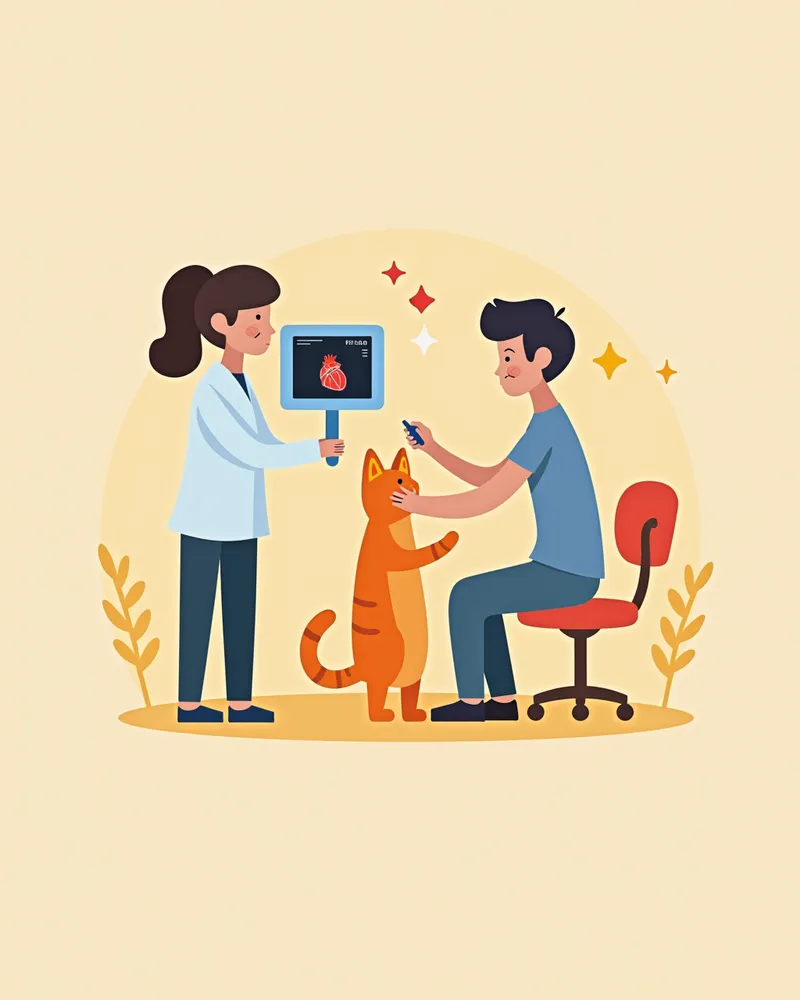
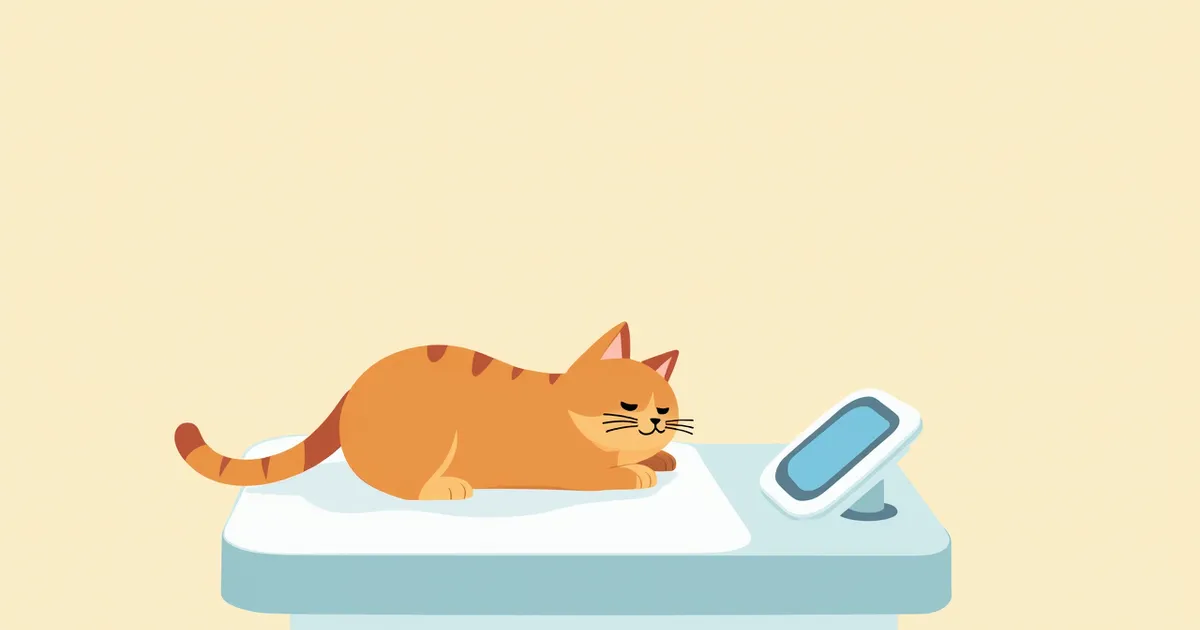
Accurate diagnosis of feline heart disease requires an echocardiogram (heart ultrasound). This test allows real-time observation of heart wall thickness, contractility, and blood flow. An electrocardiogram (ECG) analyzes the heart’s electrical activity to help detect arrhythmias or conduction abnormalities. Using both tests together enables precise identification of the type and severity of the disease. - Echocardiogram: Provides a detailed assessment of cardiac structure and function. - Electrocardiogram (ECG): Helps detect arrhythmias or abnormal heart rhythms at an early stage. - Combined Diagnosis: Using both tests together offers the most reliable diagnostic approach.
A scene of a cat undergoing an echocardiogram (heart ultrasound) examination.

Treatment Proceeds in Stages Based on Symptoms and Cardiac Function
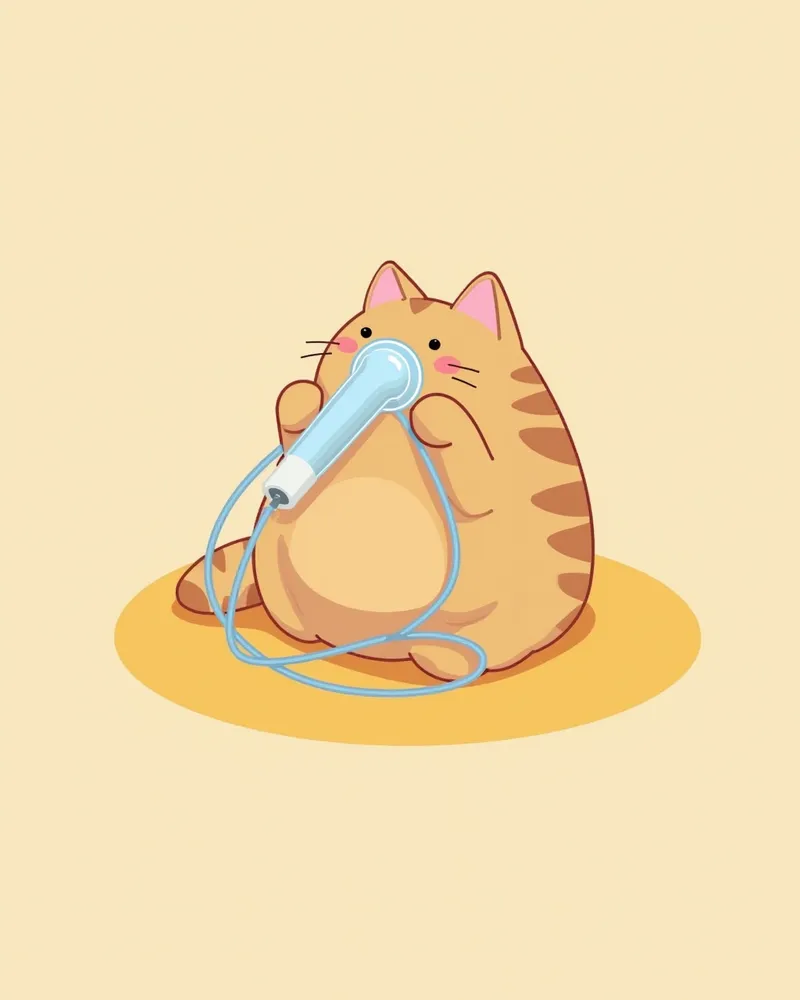
Treatment for heart disease progresses in stages, tailored to the patient’s condition and disease stage. In the asymptomatic stage, monitoring is typically prioritized over aggressive medication. Once congestive heart failure develops, medication to manage symptoms begins. The goal of treatment is to prevent and manage sudden death from arrhythmia, congestive heart failure, and arterial thromboembolism.
Cardiac medications: Drugs to control arrhythmias and reduce the heart’s workload are prescribed according to the patient’s condition.
Diuretics: These remove excess fluid buildup from congestive heart failure, helping to reduce swelling.
Antithrombotic agents: These prevent blood clot formation, helping to prevent arterial thromboembolism (ATE), which is common in cats.
Oxygen support: In cases of severe breathing difficulty, emergency care such as oxygen therapy may be necessary.
A cat receiving oxygen therapy

Home Management Centers on Regular Exams and Environmental Control
Daily management is crucial for cats with heart disease. Regular veterinary check-ups and echocardiograms are essential for consistent monitoring, with the frequency of exams determined in consultation with your veterinarian based on the stage of the disease. To minimize stress, maintain a stable environment for your cat and avoid conflicts with other animals. Prevent excessive activity and maintain a balance between rest and exercise through quiet play. Additionally, maintaining an ideal body weight and implementing mild sodium restriction can help reduce fluid accumulation in cases of heart failure. - Regular Check-ups: Schedule cardiac examinations at intervals recommended by your veterinarian according to the disease stage. - Minimize Stress: Keep your cat’s daily routine predictable and consistent. - Appropriate Exercise: Avoid strenuous activity and encourage quiet play. - Dietary Management: Mild sodium restriction and maintaining an ideal body weight help reduce the burden on the heart.
Creating a Calm Environment for Managing Your Cat’s Heart Disease

Caution Is Needed for Certain Breeds with Higher Risk of Recurrence

Maine Coons and Ragdolls are known to carry genetic mutations associated with hypertrophic cardiomyopathy (HCM), making them breeds at higher genetic risk for the disease. For these breeds, it is advisable to consider genetic testing and regular cardiac ultrasound screenings from an early age, even in the absence of symptoms.

Reviewed by a veterinarian

Dr. Tony — Punnawat Phongkittirak

Dr. Tony — Punnawat Phongkittirak

Veterinarian

A veterinarian who majored in veterinary medicine at Khon Kaen University, Thailand, and completed the IVSA program at North Carolina State University in the United States. Drawing on clinical experience at animal hospitals, he works in the pet healthcare field and is dedicated to building a digital care environment that connects pet parents with veterinarians.

Frequently Asked Questions

Can feline heart disease be cured?
While a complete cure remains elusive at this time, early diagnosis and proper management can effectively control symptoms and significantly extend your pet's lifespan.
Can a cat with heart disease live its entire life at home?
Yes, with a stable environment and regular treatment, your pet can live a long, healthy life at home.
Are there any side effects to heart medications?
Some medications may cause side effects such as nausea and loss of appetite. Please consult your veterinarian before deciding whether to administer the medication.
What kind of diet is best for cats with heart disease?
A low-sodium diet is recommended, and using a specialized food recommended by your veterinarian is the safest option.
Can cats with heart disease go for walks?
We recommend quiet indoor play in a stable environment rather than going for walks. Excessive exercise can put a strain on the heart.

Comparison of Symptoms and Management by Stage of Feline Heart Disease

ItemMain SymptomsTreatment DirectionPrognosis
Early (Stage A)Asymptomatic, with genetic predisposition (at-risk breeds)Monitoring such as regular ultrasound screeningPrevention/observation-focused management
Middle (Stage B1)Cardiac hypertrophy findings, mild left atrial enlargement, no symptomsGenerally no drug treatment, monitoring-focusedLow risk of CHF/thromboembolism
Late (Stage C)Congestive heart failure symptoms such as respiratory distress, decreased vitalityHeart failure drugs such as diuretics, use of antithromboticsLarge individual variation, regular monitoring needed
Severe (Stage D)Refractory heart failure poorly responsive to treatment, arterial thromboembolism, shockEmergency treatment, intensive care such as oxygen supplyWorst prognosis

Stages are classified according to veterinary diagnostic criteria (ACVIM), and early detection and stage-appropriate management are key to improving prognosis.

Share

Related Guides

References

[1] Payne JR, Borgeat K, Brodbelt DC, Connolly DJ, Luis Fuentes V: Risk factors associated with sudden death vs. congestive heart failure or arterial thromboembolism in cats with hypertrophic cardiomyopathy, J Vet Cardiol 17(Suppl 1):S318-S328, 2015.

[2] The Cat, Clinical Medicine and Management, 2nd Edition, Elsevier, 2020.

[3] Textbook of Cardiovascular Medicine in Dogs and Cats, 2nd Edition, Wiley-Blackwell, 2018.

This information is based on veterinary literature and does not replace diagnosis or treatment. Please consult a veterinarian for specific health concerns.

Metapet Co., Ltd. | CEO: Park Sung-yong | Business Reg. No. 417-88-02562 | Seoul, South Korea | Customer Center

How Long Can a Cat Live with Heart Disease? Prognosis Factors | Meongsiljang