Like
Share
멍실장
고양이 백내장 수술(초음파유화술) 증상과 원인, 진단·치료와 관리 포인트 총정리

If Your Cat’s Eyes Are Cloudy — Timing and Recovery Care for Cataract Surgery (Phacoemulsification)

Eye HealthDiseasesMeongsiljang Veterinary Advisory Board

Cataract surgery (phacoemulsification) is a key treatment to prevent vision loss in cats. Proper care before and after the procedure is essential, so be sure to familiarize yourself with it.

What Is Cataract Surgery (Phacoemulsification) in Cats?
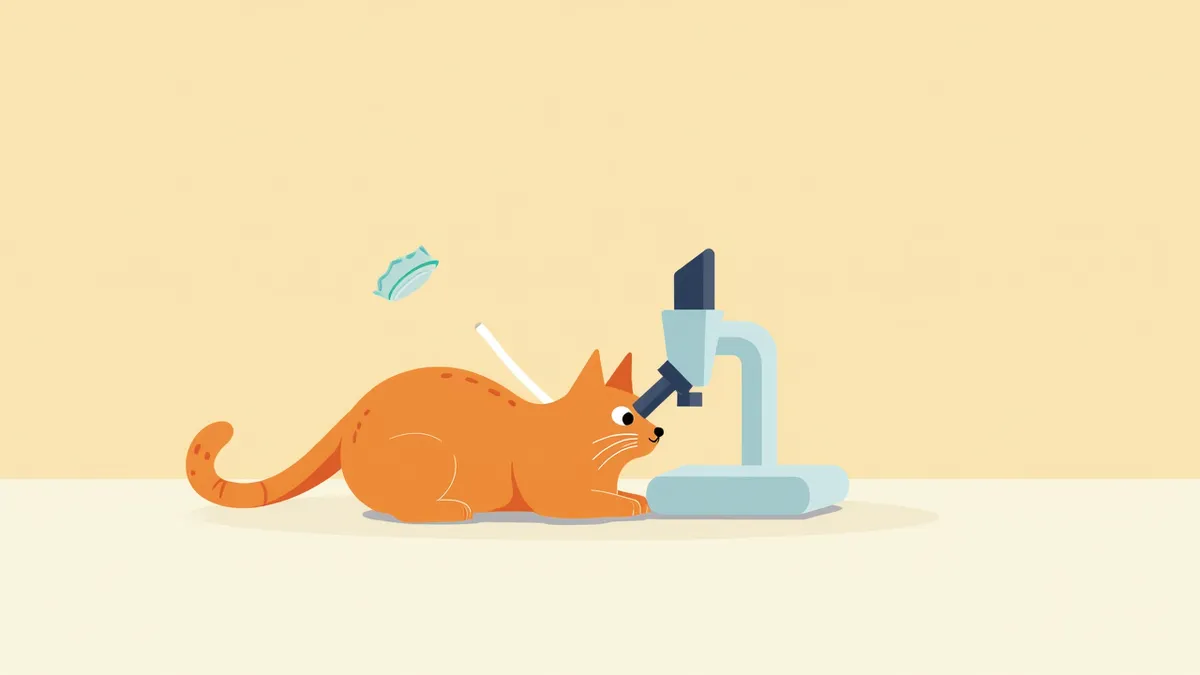
A cat undergoing surgery and a surgical microscope
Cataract surgery in cats, particularly phacoemulsification, involves breaking down and removing the clouded lens using ultrasound, followed by the implantation of an artificial lens. The goal of this procedure is to prevent vision loss and improve your cat’s quality of life. Performed by a veterinary ophthalmologist using specialized equipment, it typically results in significant postoperative visual improvement. Pre- and postoperative care are crucial, so thorough consultation with your veterinarian is essential. While the success rate is high, careful attention is needed during the recovery period.

What Are the Main Causes of Cataracts?

The main causes of cataracts in cats include genetics, aging, systemic diseases such as diabetes, trauma, eye inflammation, and nutritional deficiencies. However, cats are less likely to develop hereditary (congenital) cataracts compared to dogs. Still, certain breeds—such as Bengals, Birman, Himalayans, Russian Blues, British Shorthairs, and Persians (particularly blue-smoke Persians)—have been reported to have a genetic predisposition. Systemic conditions like diabetes, lens trauma or inflammation, excessive UV exposure, and specific nutritional deficiencies can also lead to cataracts. Because the progression varies depending on the underlying cause, early detection and management of the root cause are essential.
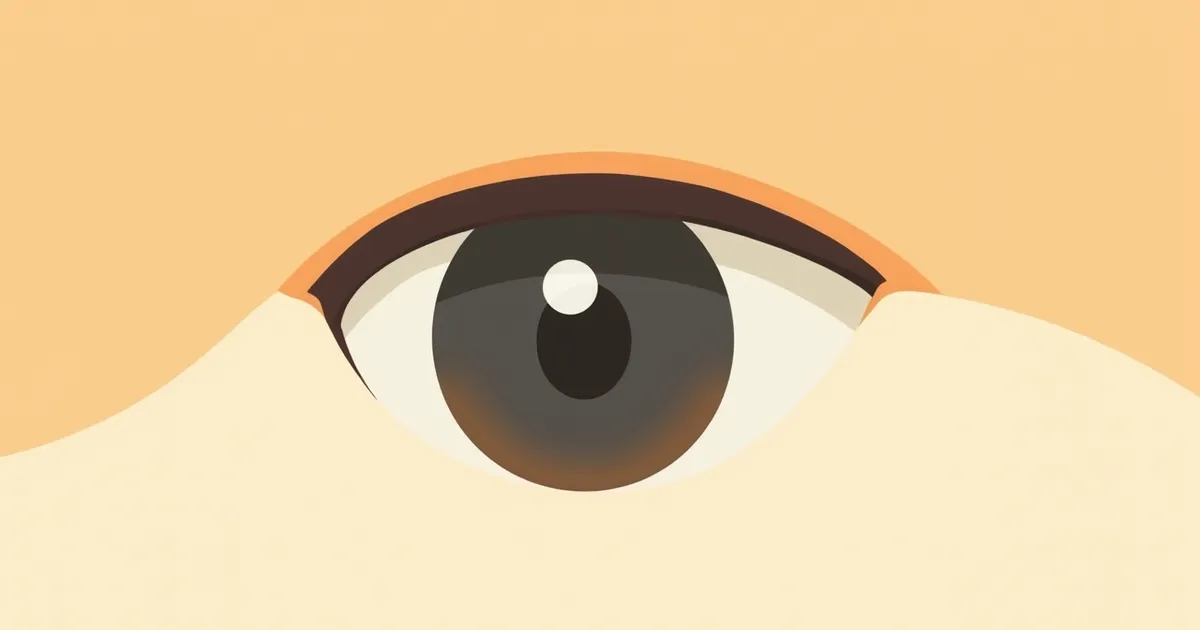
A close-up image of a cat's eye with progressing cataracts

What Are the Main Symptoms of Cataracts?

The main symptoms of cataracts in cats include vision loss, a grayish clouding of the lens, difficulty locating objects in dim light or bright sunlight, and an increase in behaviors such as failing to find toys or treats or frequently bumping into things. Increased tearing or redness of the eyes may occur not from cataracts themselves, but when accompanied by ocular inflammation such as uveitis. Because cats often do not clearly express vision impairment, careful observation by the owner is essential. If symptoms appear, it is important to visit a veterinary clinic promptly for an accurate diagnosis. As the condition progresses, it can significantly impact daily life, so consultation with a veterinarian is necessary.
Cats bumping into walls, awkward behavior due to vision loss

Signs That Require Immediate Veterinary Care

If your cat suddenly starts rubbing its eyes, or if its eyes become red and swollen with excessive tearing, or if it frequently bumps into things due to rapidly worsening vision, immediate veterinary care is necessary. These symptoms could indicate serious conditions such as corneal damage, uveitis, or glaucoma, in addition to cataracts. Delaying treatment can lead to vision loss, so early diagnosis and treatment are essential.

Diagnostic Tests for Diagnosis
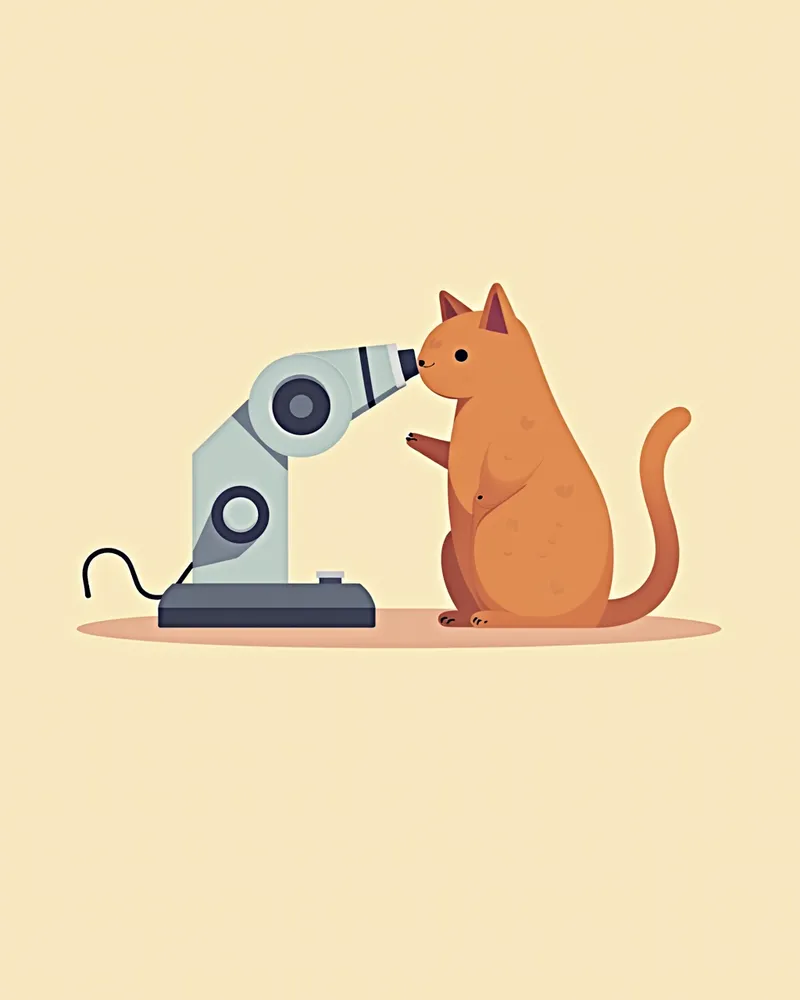
Diagnosing cataracts in cats involves specialized ophthalmic tools, including a retinal examination device and a tonometer. These instruments allow for a precise assessment of lens opacity and measurement of intraocular pressure to rule out glaucoma. Additionally, blood tests are conducted to check for diabetes and evaluate overall health, which helps determine surgical suitability. It is crucial to assess general health, including heart, liver, and kidney function, before surgery. Multiple tests are performed in parallel to ensure an accurate diagnosis, making the pre-surgical preparation process extremely important.
A veterinarian examining a cat's eyes using a slit lamp.

Surgical Procedure and Treatment Methods

Cataract surgery in cats is performed under general anesthesia, using an ultrasonic phacoemulsifier to break down and remove the clouded lens, followed by the insertion of an artificial intraocular lens if necessary. Phacoemulsification may also be performed to manage severe lens-induced inflammation (uveitis). Postoperatively, antibiotics and anti-inflammatory medications are prescribed, and the eyes are managed with eye drops. The duration of surgery, the need for hospitalization, and the recovery process vary depending on the cat’s condition, so it is best to discuss these details thoroughly with your veterinarian. Regular follow-up visits are essential after surgery, and proper care before and after the procedure plays a decisive role in recovery.
For cats recovering from surgery, wearing a collar for safety

Post-Operative Care Points

The key to post-operative care is preventing infection and ensuring a stable recovery. Administer eye drops exactly as scheduled, and keep the e-collar on to prevent your pet from scratching or rubbing their eyes. It’s important to limit activity and provide a quiet environment to support healing. Be sure to follow your veterinarian’s instructions for medication administration and keep all scheduled follow-up appointments. Avoid going outdoors during the recovery period, and check your pet’s eyes daily. Regular check-ups according to the vet’s recommended schedule are essential to monitor healing. Early and consistent care helps prevent complications.
A cat wearing a collar for safety, resting comfortably

Breed-Specific Precautions and Prevention of Recurrence

Certain breeds have a known genetic predisposition, including Persians (particularly blue-smoke Persians), Bengals, Birmans, Himalayans, Russian Blues, and British Shorthairs. While surgical removal of the lens prevents the same cataract from recurring, regular ophthalmic exams are essential to monitor for postoperative complications or other eye conditions. For diabetic cats, maintaining stable blood sugar levels is crucial, as trauma and inflammation can also cause cataracts. Proactive care is key to protecting your cat’s vision long-term.

Reviewed by a veterinarian

Dr. Tony — Punnawat Phongkittirak

Dr. Tony — Punnawat Phongkittirak

Veterinarian

A veterinarian who majored in veterinary medicine at Khon Kaen University, Thailand, and completed the IVSA program at North Carolina State University in the United States. Drawing on clinical experience at animal hospitals, he works in the pet healthcare field and is dedicated to building a digital care environment that connects pet parents with veterinarians.

Frequently Asked Questions

Is cataract surgery dangerous for cats?
While general anesthesia is required, we can minimize risks through a comprehensive pre-surgical health checkup. The procedure is highly safe when performed by a specialist.
Will vision fully recover after surgery?
While most cats experience improved vision after surgery, the extent of recovery varies depending on the condition of the eyes prior to the procedure and each cat’s individual healing process. Since the time it takes to achieve stable vision differs from cat to cat, it’s best to stay in close contact with your veterinarian to monitor progress.
How much will the surgery cost?
Surgical costs vary depending on the clinic, location, and complexity of the procedure. Typically, you can expect to pay between $700 to $1,000. For an exact estimate, please contact your veterinary clinic directly.
What should I do if my pet develops eye problems after surgery?
If your pet’s eyes become red, excessively watery, or if they frequently rub their eyes, contact your veterinarian immediately, as there may be a risk of infection or complications.
What should I prepare before the surgery?
Your cat needs to fast for 12 hours before surgery. Please confirm whether your cat has taken any medications as directed by the veterinarian, and let us know about your cat’s overall health status.

Share

Related Guides

References

[1] Fossum TW. Preoperative and intraoperative care of the surgical patient. In: Fossum TW, Duprey LP, O’Connor D, editors. Small animal surgery. 3rd ed. Boston, MA: Elsevier; 2007.

[2] Hosgood G, Scholl DT. Evaluation of age as a risk factor for perianesthetic morbidity and mortality in the dog. J Vet Emerg Crit Care. 1998;8(3):222-36.

[3] Plumb's Veterinary Drug Handbook, 9th ed. Wiley-Blackwell, 2021.

This information is based on veterinary literature and does not replace diagnosis or treatment. Please consult a veterinarian for specific health concerns.

Metapet Co., Ltd. | CEO: Park Sung-yong | Business Reg. No. 417-88-02562 | Seoul, South Korea | Customer Center

Cloudy Cat Eyes? Cataract Surgery Timing & Recovery Care | Meongsiljang