Like
Share
멍실장
고양이 백내장 증상과 원인, 진단·치료와 관리 포인트 총정리

Is My Cat’s Pupil White? — A Complete Guide to Cataract Symptoms and Treatment Timing

Eye HealthDiseasesMeongsiljang Veterinary Advisory Board

Feline cataracts occur when the lens of the eye becomes cloudy, leading to vision loss. Common causes include aging, diabetes, and trauma. Early detection can help slow the progression of the condition.

What Are Feline Cataracts?

Comparison image of a normal lens and a clouded lens
Feline cataracts occur when the normally clear, avascular lens becomes cloudy, impairing vision by preventing light from reaching the retina properly. Veterinary textbooks identify genetic factors as the most common cause, while also noting that systemic diseases such as diabetes, trauma, inflammation, and nutritional deficiencies can contribute. However, hereditary cataracts are less common in cats than in dogs. Lens opacities can affect one or both eyes, and their progression varies depending on the underlying cause; for instance, cataracts associated with diabetes may develop rapidly. It is important to distinguish cataracts from nuclear sclerosis, a normal age-related change in the lens. Regular ophthalmic examinations are essential for early detection of ocular changes.

What Are the Main Causes of Cataracts?

The most common cause of cataracts in cats is genetic predisposition. Veterinary textbooks explain that cataracts most frequently arise from hereditary factors, though they can also result from systemic diseases, trauma, or inflammation. Diabetes mellitus can cause rapid clouding of the lens, leading to quickly progressive cataracts. Eye trauma or inflammation can also damage the lens, resulting in cataract formation. Breeds with relatively high reported incidences of hereditary cataracts include Bengals, Birmans, Himalayans, Russian Blues, British Shorthairs, and Persians. However, cats generally have a lower prevalence of hereditary cataracts compared to dogs. Additionally, aging, excessive ultraviolet exposure, nutritional deficiencies such as those from milk replacers, and exposure to certain medications can also contribute to cataract development. Identifying the underlying cause and initiating early management is essential.
Visualizing the causes of cataracts due to trauma or inflammation

What Are the Main Symptoms of Cataracts?

The hallmark sign of cataracts in cats is clouding of the lens, which makes the eye appear hazy. When pet owners say their cat’s “eyes look cloudy,” they may be referring to opacity in either the cornea or the lens, so a veterinary examination is necessary to pinpoint the exact location. As the lens becomes opaque, less light reaches the retina, leading to vision loss. This can manifest as disorientation in dim lighting, bumping into objects in unfamiliar environments, or difficulty locating food. If cataracts are accompanied by leakage of lens proteins that trigger uveitis, you may notice redness of the conjunctiva or signs of pain and inflammation in the eye. If you observe any of these changes, it is important to consult your veterinarian promptly.
A cat that has lost its sense of direction due to cataracts

Signs Requiring Immediate Veterinary Visit

If your cat suddenly starts rubbing its eyes, experiences excessive tearing, has red and swollen eyes, or shows a sudden decline in vision to the point of not being able to find food, you should seek veterinary care immediately. This could indicate not only cataracts but also eye infections, trauma, or acute ophthalmic conditions.

How Are Cataracts Diagnosed?
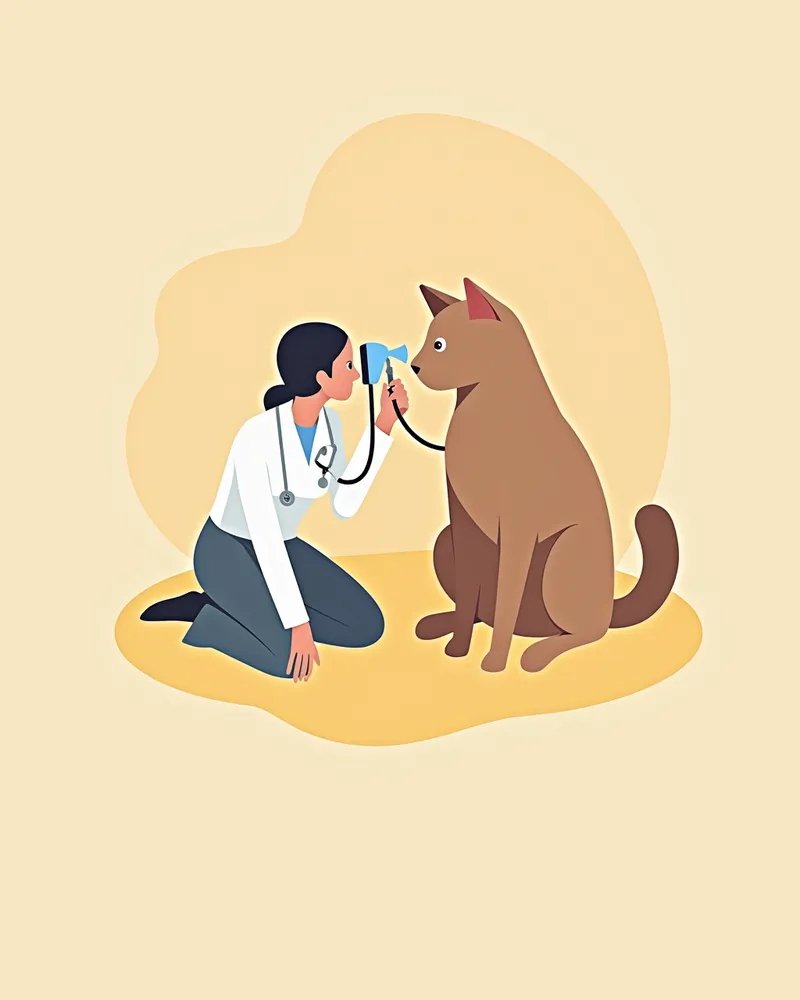
Veterinarians use specialized diagnostic equipment to directly examine a cat’s eyes and assess the degree of lens opacity. During this process, the pupils are dilated to evaluate the lens periphery and the progression of cataracts, while also inspecting the retina behind the cataract. Since cataracts must be distinguished from nuclear sclerosis, which is associated with aging, a thorough ophthalmic examination is essential. Blood tests are conducted to check for systemic diseases such as diabetes, and B-mode ultrasound may be used if necessary to assess the internal structures of the eye. When surgery is being considered, a comprehensive preoperative evaluation—including retinal function testing and an assessment of overall health—is required. These examinations are critical in determining the stage of cataract progression and guiding the appropriate treatment plan.
A veterinarian examining a cat's eyes

How Are Cataracts Treated?

Cataracts are difficult to treat completely with medication alone. Even with good diabetes management, existing cataracts remain, so surgery may be necessary to restore vision. The procedure involves phacoemulsification, which uses ultrasound to remove the clouded lens, followed by the implantation of an artificial lens, thereby restoring vision. However, it is known that overly advanced (hyper-mature) cataracts carry a higher risk of surgical complications. Before surgery, retinal function and overall systemic health are evaluated, and any underlying conditions such as diabetes are managed first. After surgery, medications such as anti-inflammatory drugs must be used consistently as directed by your veterinarian. In particular, steroid use is generally avoided in diabetic patients.
A cat recovering after cataract surgery

Home Care Points

Before and after surgery, it’s important to keep your cat’s environment stable. Avoid rearranging items in the room, and restrict access to stairs or high places. Minimize exposure to bright lights that may irritate the eyes, and gently clean the eyes regularly. After surgery, ensure your cat takes prescribed antibiotics and anti-inflammatory medications as directed. Follow your veterinarian’s instructions carefully regarding medication and dosage schedules. To reduce stress, provide a quiet space and maintain your cat’s daily routine as much as possible. Regular follow-up visits are essential to monitor recovery progress.
Creating a Cat-Friendly Environment for Cataract Management

Breed-Specific Precautions and Prevention of Recurrence

Certain breeds, such as Bengals, Birman, Himalayans, Russian Blues, British Shorthairs, and Persians, are more frequently reported to have hereditary cataracts. However, cats generally develop hereditary cataracts less often than dogs. Cats with diabetes are at higher risk for rapid clouding of the lens, so extra vigilance is needed. Regular ophthalmic examinations and careful blood sugar management are essential, and maintaining a clean environment is crucial to prevent infection even after surgery.

Reviewed by a veterinarian

Dr. Tony — Punnawat Phongkittirak

Dr. Tony — Punnawat Phongkittirak

Veterinarian

A veterinarian who majored in veterinary medicine at Khon Kaen University, Thailand, and completed the IVSA program at North Carolina State University in the United States. Drawing on clinical experience at animal hospitals, he works in the pet healthcare field and is dedicated to building a digital care environment that connects pet parents with veterinarians.

Frequently Asked Questions

Is surgery always necessary for cats with cataracts?
Not all cases of cataracts require surgery. If vision is not significantly impaired and the cat adapts well, they can live comfortably without surgical intervention. However, if vision loss is severe and affects quality of life, consult your veterinarian to determine the best course of action.
How safe is cataract surgery?
The surgery is performed by a veterinarian with specialized experience in ophthalmic procedures, using general anesthesia and precision equipment. However, since hypermature cataracts carry a higher risk of complications, it is important to minimize these risks through preoperative examinations and consistent postoperative care and medication.
Can cataracts be completely cured?
Cataract surgery can restore vision by removing the clouded lens and replacing it with an artificial one. However, if retinal function is already compromised before the procedure, visual recovery may be limited, making preoperative assessment crucial. Early surgical intervention typically leads to better outcomes.
Do cats become lonely when they develop cataracts?
When a cat’s vision declines, it may become anxious or less active. However, maintaining a stable environment and increasing interaction with you can help reduce stress. Cats also compensate for diminished sight with their other senses, such as smell and hearing.
Can cataracts be prevented?
While genetic factors are difficult to prevent, you can slow the progression or catch the condition early through diabetes management, injury prevention, and regular ophthalmic exams. In particular, senior cats and those with diabetes should undergo routine eye check-ups.

Share

Related Guides

References

[1] Miller WH, Griffin CE, and Campbell KL (2013). Muller & Kirk’s Small Animal Dermatology, 7th edn. Elsevier, St. Louis.

[2] Olivry T and Linder KE (2009). Dermatoses affecting desmocollin-1 in cats. Veterinary Dermatology, 20(3), 189-198.

[3] BSAVA Manual of Canine and Feline Dermatology, 4th Ed. BSAVA Publications, 2013.

This information is based on veterinary literature and does not replace diagnosis or treatment. Please consult a veterinarian for specific health concerns.

Metapet Co., Ltd. | CEO: Park Sung-yong | Business Reg. No. 417-88-02562 | Seoul, South Korea | Customer Center

Is My Cat's Pupil White? Cataract Symptoms & Treatment | Meongsiljang