
If Your Cat Chewed on a Lily — Lily Nephrotoxicity and the Golden Time for Acute Kidney Failure
Lily nephrotoxicity in cats is a condition of acute kidney failure in which all parts of the lily plant can cause fatal kidney damage. Early detection and immediate veterinary care are critical for survival.
Lily Nephrotoxicity in Cats Is a Fatal Acute Kidney Failure Condition
The Pathogenesis of Lily Nephrotoxicity Is Kidney Cell Destruction
Quickly Identify Key Symptoms and Signs
Emergency Situations Requiring Immediate Veterinary Visit
If you suspect your pet has ingested lilies or is showing symptoms such as vomiting, lethargy, decreased urine output, or anuria, seek veterinary care immediately. Prognosis is favorable with prompt treatment within 18 hours of exposure, but if treatment is delayed beyond 18 hours and acute kidney injury develops, the mortality rate becomes very high. In particular, once anuria sets in, the prognosis worsens significantly, so it is crucial for a veterinarian to begin detoxification and fluid therapy as soon as possible.
Diagnosis Is Confirmed Through Blood and Urine Tests

Treatment Focuses on Early Decontamination and Kidney Protection
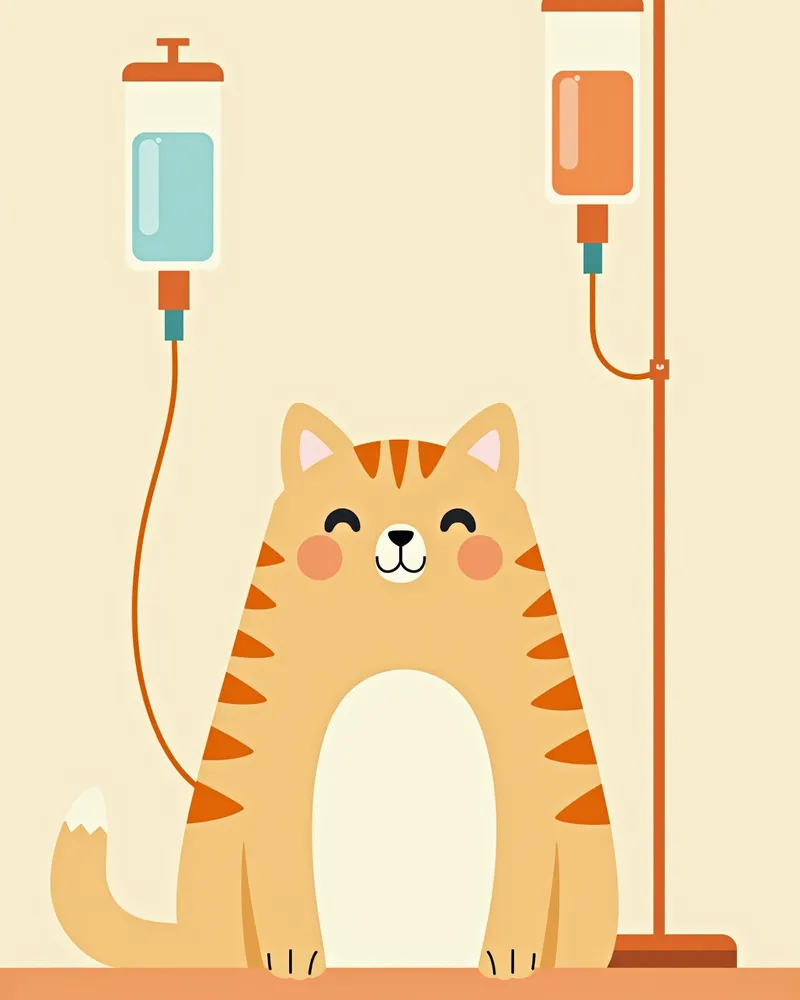
Home Care Is Key to Early Recovery and Preventing Recurrence
Lilies Pose the Same Risk to All Breeds
Lily nephrotoxicity is fatal to all cats, regardless of breed. No breed is exempt from this risk, including Russian Blues, Maine Coons, and Persians. Lily poisoning is a feline-specific toxicity that does not occur in dogs. If you have lilies in your home or in a bouquet, they must be removed immediately, as cats can become poisoned by ingesting even just the pollen, in addition to the leaves and petals.
Reviewed by a veterinarian

Dr. Tony — Punnawat Phongkittirak
VeterinarianA veterinarian who majored in veterinary medicine at Khon Kaen University, Thailand, and completed the IVSA program at North Carolina State University in the United States. Drawing on clinical experience at animal hospitals, he works in the pet healthcare field and is dedicated to building a digital care environment that connects pet parents with veterinarians.
Reviewed 2026-06-05
Frequently Asked Questions
Is it dangerous if my pet eats even a small amount of lily?
Should I avoid keeping lily bouquets at home?
Is it okay if there are no symptoms?
Are other plants besides lilies also dangerous?
What is the recovery rate after treatment?
Share
Related Guides
Top 5 Prescription Diets for Cats with Chronic Kidney Disease — Stage-Specific Protein Adjustment
7 Emergency Signs and Causes of Acute Kidney Failure in Dogs You Must Not Miss
Top 5 Cat Kidney Supplements Recommended for 2026
Is the Lump Under Your Cat’s Skin Benign or Malignant? — Key Points for Distinguishing Lipomas from Liposarcomas

SAMe vs. Milk Thistle for Dog Liver Protectants — Which Is Right for Your Pet?
If Your Cat Keeps Getting Drowsy After Meals — Causes and Treatment Timing for Portosystemic Shunt (PSS)
If Your Cat’s Eyes and Gums Are Yellow — Causes of Feline Jaundice and When to Visit the Vet
If Your Cat Keeps Vomiting and Is Lethargic — Symptoms, Causes, and Treatment Timing for Cholecystitis

Can I Give Omega-3 to a Dog with Poor Kidney Function? — Supplement Effects and Precautions

Late-Stage Chronic Kidney Disease in Dogs: A Care Guide for Pain Relief and Quality of Life
References
[1] Langston CE. Acute renal failure caused by lily ingestion in six cats. Am Vet Med Assoc 2002;220(1):49-52.
[2] Hadley RM, Richardson JA, Gwaltney-Brant SM. A retrospective study of daylily toxicosis in cats. Vet Hum Toxicol 2003;45(1):38-9.
[3] Blackwell's Five-Minute Veterinary Consult Clinical Companion, Small Animal Toxicology, 3rd Edition. 2023.