

Can My Pet’s Diarrhea Be Transmitted to Humans? — Salmonella Infection Symptoms and Prevention Points
Salmonella is a zoonotic bacterial infection that can affect not only dogs and cats but also humans. The main symptoms include diarrhea, fever, and dehydration, and the risk increases when feeding raw or undercooked meat.
What Is Salmonella Infection?

Causes and Routes of Infection
Key Symptoms Checklist
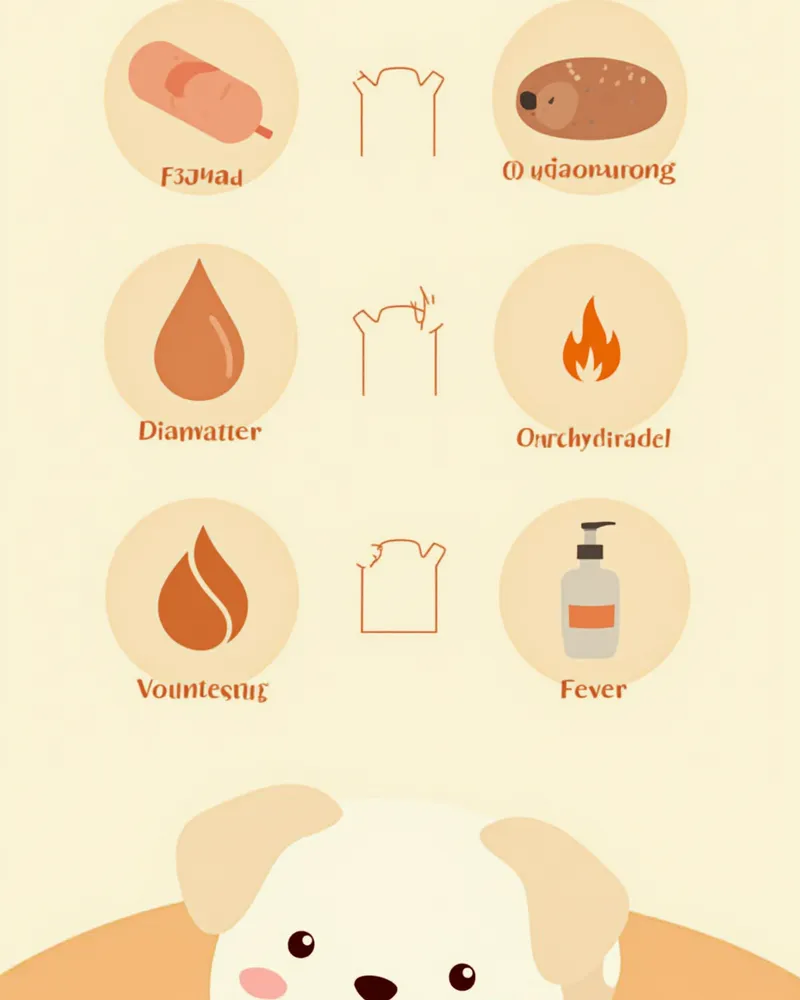
When to Seek Immediate Veterinary Care
If you notice any of the following signs, seek veterinary care immediately: blood in the stool lasting more than 24 hours, inability to drink water due to vomiting, pale or purplish gums, a body temperature exceeding 40°C or hypothermia, and lethargy with unresponsiveness in puppies or senior pets. These are emergencies. If Salmonella spreads into the bloodstream, it can lead to sepsis, which may become life-threatening within hours.
How Is Diagnosis Performed?
Comparison of Mild, Moderate, and Emergency Stages
| Item | Mild | Severe | Emergency |
|---|---|---|---|
| Diarrhea pattern | Loose stool 1–2 times | Repeated watery diarrhea with mucus | Bloody stool or black stool |
| Appetite/energy | 70–80% of normal | Barely eating and listless | Completely unable to eat and lethargic |
| Body temperature | Normal or slightly elevated | 38.5–39.5℃ | 40℃ or above, or hypothermia |
| Response | Observe for 24 hours then see a vet | Visit the clinic the same day | Immediate emergency care |
Symptoms can change rapidly depending on the individual, age, and immune status.
Treatment Methods

Home Management and Preventing Transmission
Precautions for Raw Feeding and Raw/Undercooked Meat
Raw diets and raw or undercooked eggs are major sources of Salmonella infection. Veterinary textbooks note that raw meat and raw eggs carry a high risk of microbial contamination, which can be dangerous for the people preparing the food and their families, especially children, the elderly, and those with weakened immune systems. In fact, studies of commercially available raw pet food products have detected Salmonella in some cases. Therefore, if you have family members with compromised immunity, carefully consider whether to feed a raw diet. If you do choose to feed raw, select products from reputable manufacturers and thoroughly disinfect all bowls and work surfaces after every use. Also, be vigilant about cross-contamination in the refrigerator.
Reviewed by a veterinarian

Dr. Tony — Punnawat Phongkittirak
VeterinarianA veterinarian who majored in veterinary medicine at Khon Kaen University, Thailand, and completed the IVSA program at North Carolina State University in the United States. Drawing on clinical experience at animal hospitals, he works in the pet healthcare field and is dedicated to building a digital care environment that connects pet parents with veterinarians.
Reviewed 2026-04-29
Frequently Asked Questions
Can pets spread Salmonella even if they show no symptoms?
Can people pass it on to their pets?
Can it be prevented with a vaccine?
Can my pet get reinfected even after being fully cured?
How long does treatment usually take?
Extra Caution for Households with Immunocompromised Family Members
If your household includes infants, adults over 65, pregnant individuals, or anyone undergoing chemotherapy or taking immunosuppressants, the risk of Salmonella exposure is significantly higher. If your pet is diagnosed with a Salmonella infection, share the diagnosis with your family doctor and temporarily restrict your pet’s access to bedrooms and kitchens. Should any family member develop diarrhea or fever, seek immediate medical attention.
Share
Related Guides

My Senior Cat Won’t Eat — A Complete Guide to Choosing Food for Cats with Weak Digestion

Top 5 Recommended Single-Protein Prescription Diets for Cats with Allergies — A Comparison Guide for Hydrolyzed and Novel Protein Diets

Top 5 Prescription Diets for Feline Pancreatitis Recommended by Veterinarians — Low-Fat, Highly Digestible Food Guide

Dog Age Conversion Formula: Symptoms, Causes, Diagnosis, Treatment, and Care Points Summary

Dog Nail Care: A Complete Guide to Symptoms, Causes, Diagnosis, Treatment, and Management

Complete Guide to Choosing and Comparing Heartworm Preventives for Dogs: Symptoms, Causes, Diagnosis, Treatment, and Management

Early Detection of Health Issues in Dogs: Symptoms, Causes, Diagnosis, Treatment, and Management Essentials

Dog Anal Gland Care: Symptoms, Causes, Diagnosis, Treatment, and Management Tips

Comprehensive Guide to Feline Summer Heat Management, Heatstroke Prevention, Symptoms, Causes, Diagnosis, Treatment, and Care Points
Complete Guide to Feline Rabies Vaccination: Symptoms, Causes, Diagnosis, Treatment, and Management
References
[1] Greene CE, ed. Infectious Diseases of the Dog and Cat. 4th ed. Elsevier; 2012. Chapter on Salmonellosis
[2] Little SE, ed. The Cat: Clinical Medicine and Management. 2nd ed. Elsevier; 2016. Bacterial Enteric Infections
[3] Randall LP, Cooles SW, Osborn MK, et al. Antibiotic resistance genes, integrons and multiple antibiotic resistance in thirty-five serotypes of Salmonella enterica isolated from humans and animals in the UK. J Antimicrob Chemother. 2004;53:208
[4] CDC. Salmonella Infections Linked to Pet Food and Treats. Public Health Guidelines