

If Your Cat’s Kidneys Keep Worsening — Causes of Amyloidosis and When to Visit the Vet
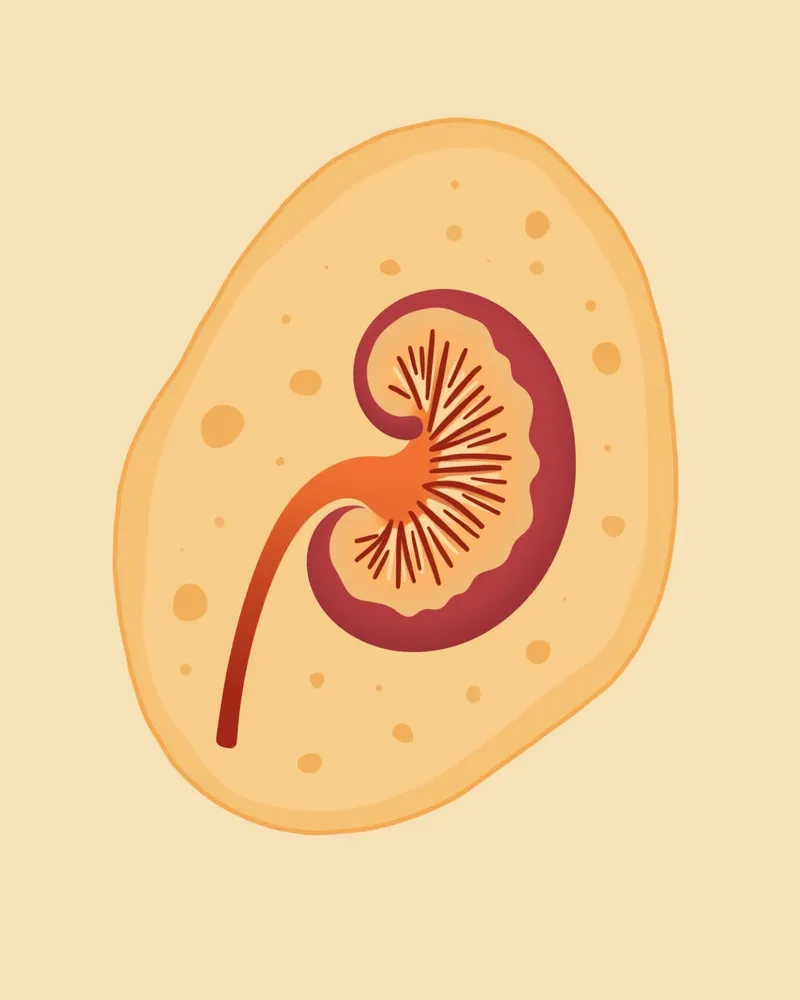
Feline renal amyloidosis is a rare condition in which abnormal proteins accumulate in the kidneys, leading to impaired function. Early detection and proper management are crucial for extending survival time.
What Is Feline Renal Amyloidosis?

Main Causes and Pathogenesis
Main Symptoms and Signs

Signs Requiring Immediate Veterinary Attention
If your cat vomits more than three times a day, drinks more than twice its usual amount of water, fails to urinate at all, or is collapsed and unable to move, immediate veterinary attention is required. In particular, an inability to urinate can be a life-threatening emergency.
Diagnostic Methods and Procedures

Treatment Methods and Step-by-Step Management

Home Care Points

Breed-Specific Precautions and Prevention of Recurrence
Amyloidosis has a known familial and genetic predisposition in certain breeds, such as Abyssinians, so regular check-ups are essential for cats of these breeds or those with a family history. A definitive diagnosis requires a tissue biopsy using Congo red staining, and ongoing supportive care—including a phosphorus-restricted diet and fluid therapy—is crucial to protect kidney function.
Reviewed by a veterinarian

Dr. Tony — Punnawat Phongkittirak
VeterinarianA veterinarian who majored in veterinary medicine at Khon Kaen University, Thailand, and completed the IVSA program at North Carolina State University in the United States. Drawing on clinical experience at animal hospitals, he works in the pet healthcare field and is dedicated to building a digital care environment that connects pet parents with veterinarians.
Reviewed 2026-06-05
Frequently Asked Questions
Is feline renal amyloidosis treatable?
Is this condition hereditary?
Why is dietary management important?
Can fluid therapy be done at home?
Can this disease be fatal in cats?
Stage-by-Stage Symptoms and Management of Feline Renal Amyloidosis
| Item | Main Symptoms | Main Management | Prognosis |
|---|---|---|---|
| Early (Stage 1) | Increased water intake, increased urine output (polydipsia/polyuria) | Phosphorus-restricted diet, regular checkups | Relatively stable but with large individual variation |
| Middle (Stage 2) | Weight/muscle mass loss, decreased appetite, vomiting | Fluid therapy, ACE-I/ARB for proteinuria, phosphate binders | Varies depending on level of management |
| Late (Stage 3) | Lethargy, urination abnormalities, severe vomiting (uremic symptoms) | Hospitalization/fluid therapy, supportive care such as antiemetics | Prognosis may be poor |
Stages are classified based on kidney function values (azotemia) and clinical symptoms, and survival time varies from individual to individual.
Share
Related Guides

Top 5 Prescription Diets for Cats with Chronic Kidney Disease — Stage-Specific Protein Adjustment

7 Emergency Signs and Causes of Acute Kidney Failure in Dogs You Must Not Miss

Top 5 Cat Kidney Supplements Recommended for 2026

Feline Oral and Periapical Abscesses: Symptoms, Causes, Diagnosis, Treatment, and Care Essentials

If Your Cat Keeps Grinding Its Teeth — Causes of Bruxism and When to Visit the Vet

Dog Tumor Prognosis and Survival Time: Symptoms, Causes, Diagnosis, Treatment, and Care Points Summary
Is Immunotherapy the Answer for Our Dog’s Cancer Treatment? A Complete Guide to Its Effects and Limitations

My Dog Keeps Having Accidents — Warning Signs of Bladder Cancer (Transitional Cell Carcinoma) and Treatment Timing

Dog Testicular Tumors: Don't Wait — Symptoms, Causes, Neutering Treatment, and Prognosis

Comprehensive Guide to Canine Mammary Tumors: Prevention via Spaying, Symptoms, Causes, Diagnosis, Treatment, and Management
References
[1] Langston, C.E. et al. (2023) Small Animal Critical Care Medicine, 3rd Edition. Elsevier.
[2] The Cat, Clinical Medicine and Management, 2nd Edition (2022). Elsevier.
[3] Veterinary Workbook of Small Animal Clinical Cases (2021). Wiley-Blackwell.