Like
Share
멍실장
고양이 신독성 약물·물질 증상과 원인, 진단·치료와 관리 포인트 총정리

Things That Harm Our Cat's Kidneys — Nephrotoxic Drugs/Substances and Emergency Response

KidneyDiseasesMeongsiljang Veterinary Advisory Board

Nephrotoxic drugs and substances in cats are hazardous agents that can damage kidney function, making early detection and appropriate intervention essential. The main causes include medications, plants, and certain foods.

Nephrotoxic drugs and substances in cats are hazardous agents that can damage kidney function
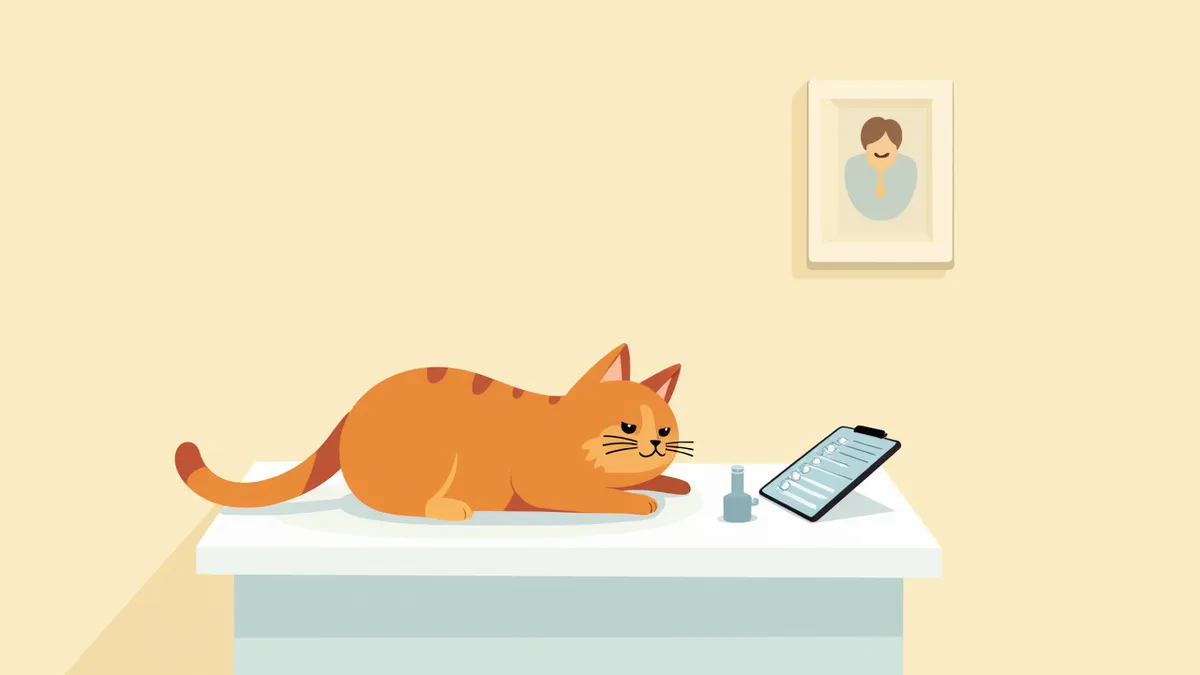
A veterinarian examining a cat while the owner looks on
Certain drugs and substances are nephrotoxic to cats, meaning they can damage the kidneys and lead to acute kidney injury (AKI). AKI is a condition in which the kidneys suddenly lose function due to toxins, ischemia, infection, or other causes. In pets, nephrotoxic substances and infections are the most common triggers. Early detection and prompt intervention are critical to improving the prognosis. - Medications: Human acetaminophen, nonsteroidal anti-inflammatory drugs (NSAIDs), and certain antibiotics can be harmful to the kidneys. - Plants: All parts of lilies (Lilium) and daylilies (Hemerocallis)—including leaves, petals, and pollen—can cause acute kidney injury in cats if ingested. - Toxic substances: Ethylene glycol (antifreeze) and grapes or raisins can also induce kidney damage. - Home environment: Keep hazardous substances out of your cat’s reach. If ingestion is suspected, seek immediate veterinary care, as quick action can be life-saving.

The main causes include medications, plants, and certain foods
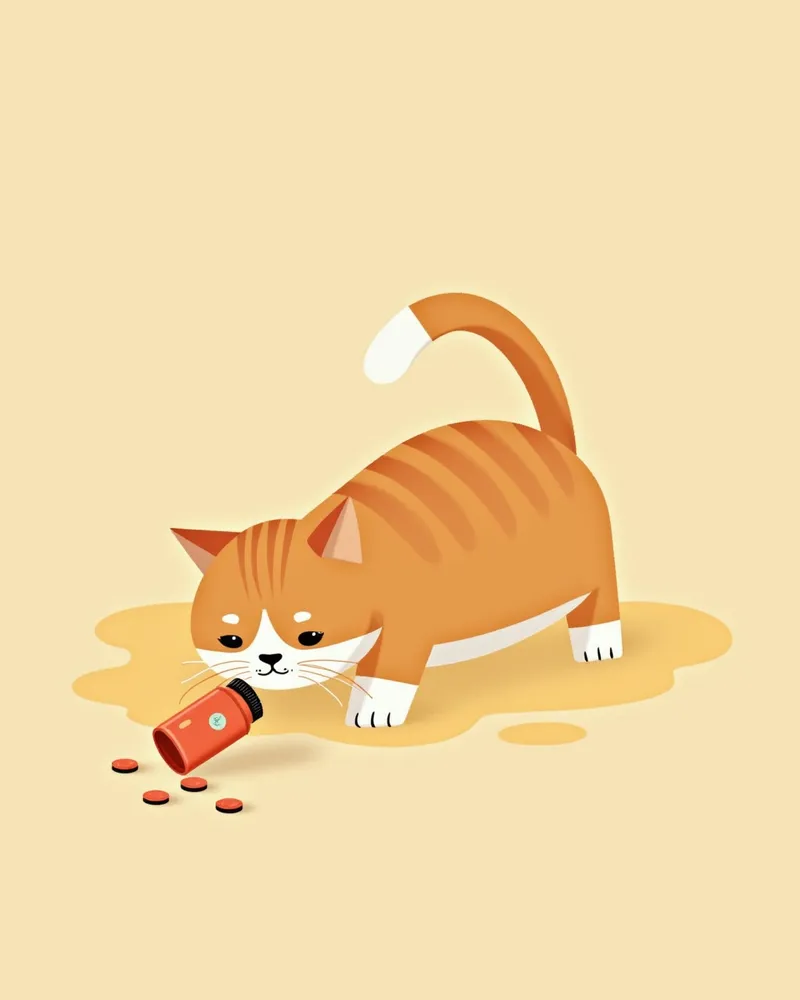
There are many potential causes of nephrotoxic drugs and substances in cats. Human medications such as acetaminophen, nonsteroidal anti-inflammatory drugs (NSAIDs), and certain antibiotics can cause kidney damage. In particular, caution is needed with drug dosages, as administering enrofloxacin at doses exceeding 5 mg/kg in cats can lead to irreversible retinal degeneration. - Plants: Plants in the Lilium (true lily) and Hemerocallis (daylily) genera are highly toxic; ingestion of even small amounts of leaves, petals, or pollen can result in acute kidney injury. - Toxic substances: Cats are especially vulnerable to ethylene glycol (antifreeze), which carries a high risk of mortality, and grapes and raisins are also dangerous. - Management: It is essential for owners to strictly manage all hazardous substances to keep them out of reach of their cats and to respond immediately if ingestion is suspected. Early detection and prompt intervention are key to survival.
A cat holding a dropped bottle of human painkillers

Do not miss the key symptoms and signs
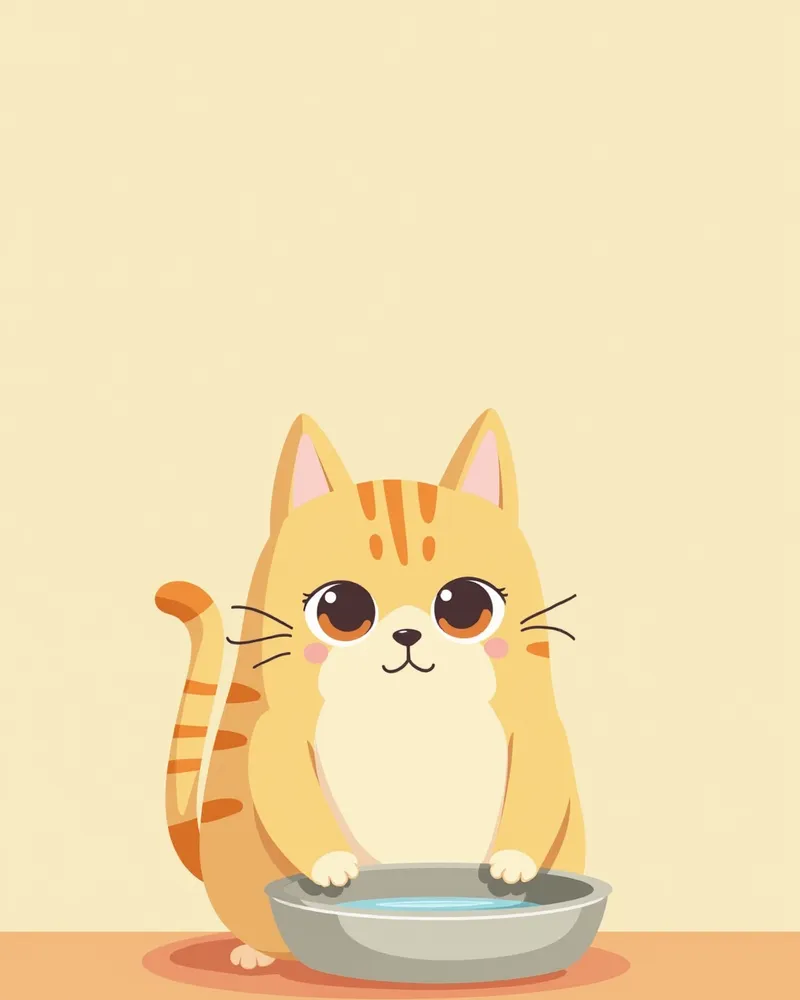
The early signs of nephrotoxic drugs or substances in cats are often non-specific, such as vomiting, loss of appetite, and lethargy. For example, with lily poisoning, vomiting, anorexia, and weakness typically appear within 6 to 12 hours of exposure, followed by progression to acute kidney injury. Subsequently, symptoms such as polyuria or decreased urine output (oliguria or anuria), dehydration, and diarrhea may occur. - Signs of uremia: Symptoms may include lethargy, loss of appetite, vomiting, and breath with an ammonia-like odor. - Neurological symptoms: Some cats may exhibit central nervous system signs such as ataxia, tremors, disorientation, or seizures, requiring immediate veterinary attention. - Changes in urination: A sudden decrease in urine volume or complete absence of urination is a warning sign. Owners should carefully monitor for any daily changes and consult a veterinarian immediately if they suspect a problem.
A cat looking tired near an empty water bowl

Emergency signs requiring immediate veterinary visit

If your cat is repeatedly vomiting or not urinating at all (anuria), you should take them to a veterinary clinic immediately. Additionally, if they appear disoriented or experience seizures, these are life-threatening symptoms, so you should rush them to a veterinary clinic without delay. If you suspect your cat has ingested a nephrotoxic substance, it is important to seek veterinary care as soon as possible, even if no symptoms are present. The sooner treatment begins, the more effective it will be.

Diagnosis is confirmed with blood and urine tests
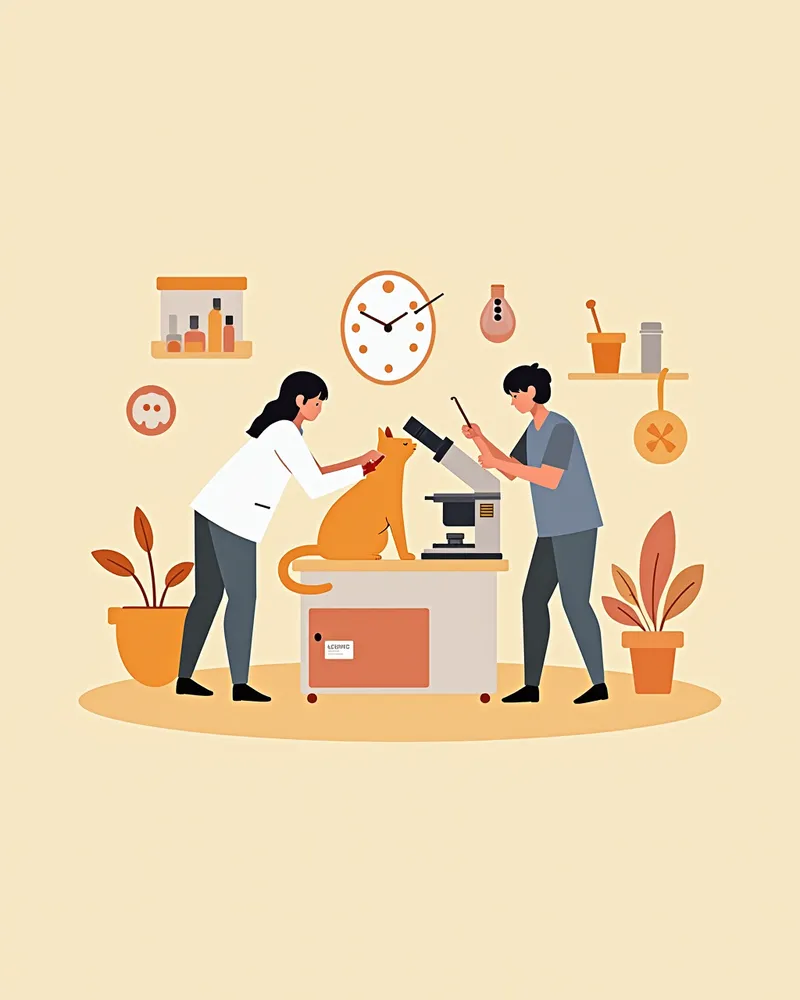
Diagnosing nephrotoxic drug or substance exposure in cats involves using both blood and urine tests together. - Blood tests: Elevated creatinine and blood urea nitrogen (BUN) levels suggest impaired kidney function. However, these values may not rise until kidney function has significantly declined, which is why SDMA often detects changes earlier than creatinine. - Urine tests: Assessing urine concentration (specific gravity), protein, and cells helps determine the extent of damage. Cat urine is typically well-concentrated, so a specific gravity below 1.035 indicates reduced concentrating ability. - Imaging: Abdominal ultrasound can be helpful, but it is difficult to make a definitive diagnosis based on ultrasound alone. - Identifying the substance: Determining the ingested substance is key to developing a treatment plan. Early diagnosis improves the likelihood of successful treatment.
A veterinarian examining a cat's blood sample under a microscope.

Treatment focuses on eliminating toxins and protecting the kidneys
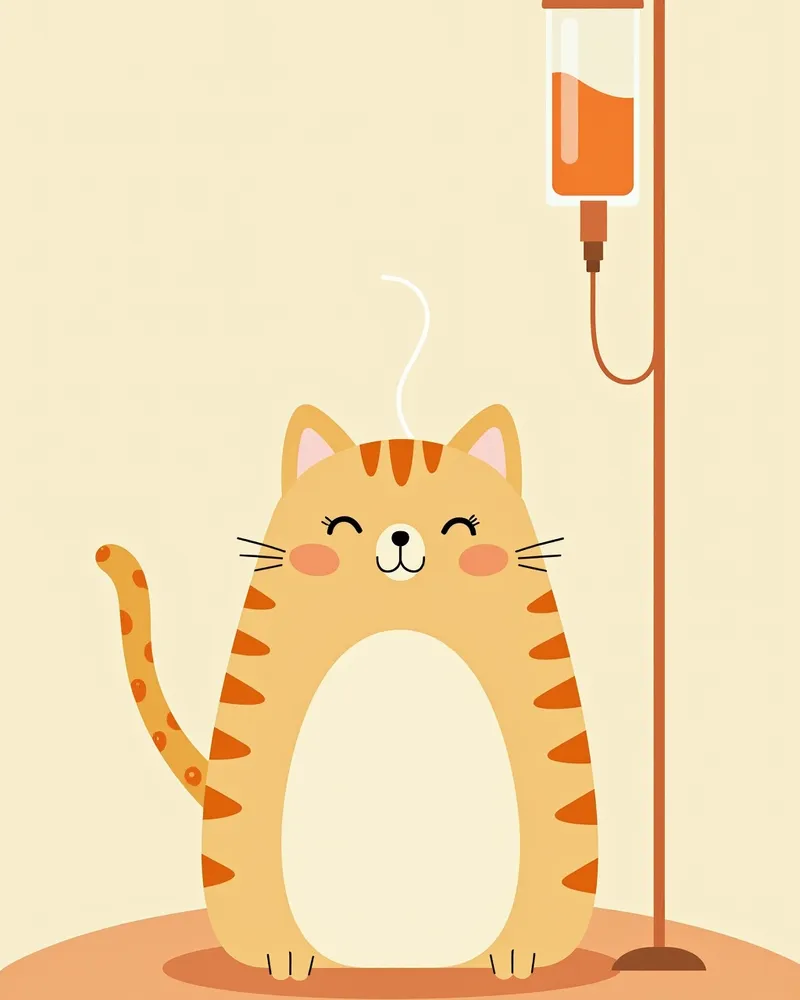
Treatment focuses on eliminating toxins, restoring kidney function, and maintaining renal perfusion. - Immediate discontinuation: Any medications suspected of causing nephrotoxicity should be stopped immediately, and treatment should begin as soon as possible. - Decontamination: If ingestion was recent, your veterinarian may recommend gastric lavage or activated charcoal administration to reduce toxin absorption. - Fluid therapy: Intravenous fluids correct dehydration, helping to improve renal blood flow, tissue perfusion, and glomerular filtration rate (GFR). - Severe cases: Dialysis (such as continuous renal replacement therapy, intermittent hemodialysis, or peritoneal dialysis) may be required. - Treatment duration: Recovery can take anywhere from several days to several weeks. Regular check-ups remain essential even after recovery, as early intervention is key to long-term prognosis.
A veterinarian administering an intravenous injection to a cat

Home care centers on hydration and environmental stability
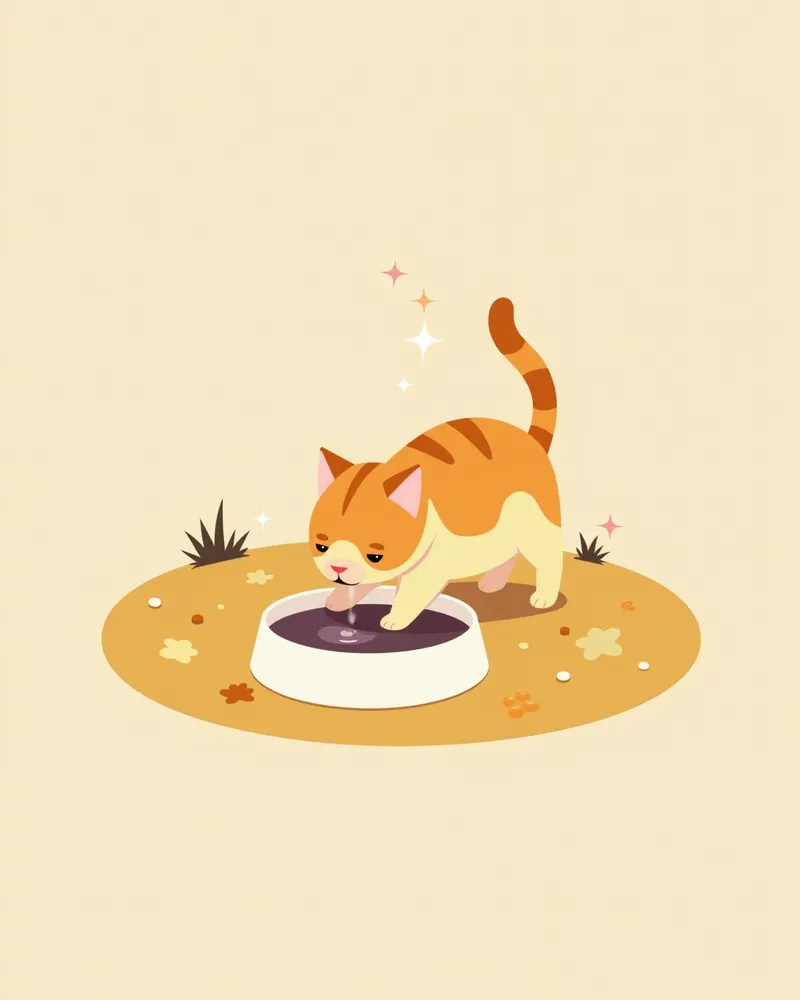
After treatment, the most important aspect of home care is ensuring your pet stays well-hydrated. - Water supply: Change the water frequently, and consider using fish-flavored water or liquid food to encourage drinking. - Diet management: Offer small, frequent meals to reduce the burden on digestion. - Environment: Provide a quiet, stable space to minimize stress. - Medication management: Administer medications exactly as directed by your veterinarian and keep a record of each dose. - Regular check-ups: Even after recovery, continue monitoring kidney function through regular blood and urine tests. Consistent care is essential for maintaining a healthy life.
A cat drinking from a water fountain

Sensitivity to toxicity varies by cat breed

There is no clear evidence that a breed inherently determines susceptibility to nephrotoxicity. In fact, cats are more vulnerable to ethylene glycol (antifreeze) poisoning and face a higher risk of death due to species-specific traits, and they are also sensitive to certain medications (e.g., high-dose enrofloxacin). Therefore, you should always consult your veterinarian before administering any medication to a cat, regardless of breed, and as a preventive measure, keep all medications and hazardous substances out of your cat’s reach.

Reviewed by a veterinarian

Dr. Tony — Punnawat Phongkittirak

Dr. Tony — Punnawat Phongkittirak

Veterinarian

A veterinarian who majored in veterinary medicine at Khon Kaen University, Thailand, and completed the IVSA program at North Carolina State University in the United States. Drawing on clinical experience at animal hospitals, he works in the pet healthcare field and is dedicated to building a digital care environment that connects pet parents with veterinarians.

Frequently Asked Questions

I’m worried because my cat took medication. What should I do?
You should take your pet to the vet immediately. If the ingestion was recent, the vet may perform gastric lavage or administer activated charcoal. Prompt veterinary care is more important than home treatment.
Is recovery possible after ingesting a nephrotoxic drug?
If detected early and treated appropriately, many pets make a full recovery. However, if kidney damage is severe, complete recovery may not be possible, and the condition can progress to chronic kidney disease.
What medications or substances are dangerous in everyday life?
Certain medications—such as acetaminophen, nonsteroidal anti-inflammatory drugs (NSAIDs), and some antibiotics—as well as ethylene glycol (antifreeze) and grapes or raisins, are especially dangerous for cats. Plants like lilies and tulips can also be fatal. Always store all medications and hazardous substances out of your cat’s reach.
Does a decrease in urine output indicate a kidney problem?
Decreased urine output (oliguria) or complete absence of urination (anuria) are important signs of declining kidney function. Because dehydration or kidney disease may be involved, an immediate visit to the veterinary clinic is necessary.
What should I do to prevent it?
Keep medications and hazardous substances out of your cat’s reach, and avoid keeping toxic plants like lilies and tulips in your home—even their pollen can be dangerous. Never give your cat any medication without first consulting your veterinarian.

Share

Related Guides

References

[1] The Cat, Clinical Medicine and Management, 2nd Edition. Elsevier, 2017.

[2] Clinical Medicine of the Dog and Cat, 4th Ed. Elsevier, 2019.

[3] Plumb's Veterinary Drug Handbook, 9th Edition. Wiley, 2021.

This information is based on veterinary literature and does not replace diagnosis or treatment. Please consult a veterinarian for specific health concerns.

Metapet Co., Ltd. | CEO: Park Sung-yong | Business Reg. No. 417-88-02562 | Seoul, South Korea | Customer Center

Nephrotoxic Drugs & Substances in Cats: Signs and Emergency Care | Meongsiljang