Like
Share
멍실장
고양이 IRIS 병기 분류 증상과 원인, 진단·치료와 관리 포인트 총정리

Feline CKD IRIS Staging — Stage-by-Stage Management from Stage 1 to Stage 4

KidneyDiseasesMeongsiljang Veterinary Advisory Board

Feline chronic kidney disease progresses in stages according to the IRIS staging system, and early detection and management significantly impact life expectancy. Symptoms may not appear in the early stages, so vigilance is essential.

The Feline IRIS Staging System Is the Standard for Accurately Assessing the Progression of Chronic Kidney Disease

A medical chart image showing stage 4 of the IRIS classification for cats.
The IRIS staging system is an international standard used to accurately assess the progression of chronic kidney disease in cats. It is divided into four stages, from Stage 1 to Stage 4, with each stage requiring a different treatment strategy and management approach. In Stage 1, symptoms are minimal, but early detection is crucial for extending life expectancy. Diagnosis is based on creatinine (Crt) and SDMA levels, and urine tests are also used to check for proteinuria. It is important to begin management in the early stages. As the disease progresses, symptoms become more pronounced, making adequate hydration and dietary management essential.

The Main Causes of Chronic Kidney Disease Are Age, Genetics, Infection, and Medications
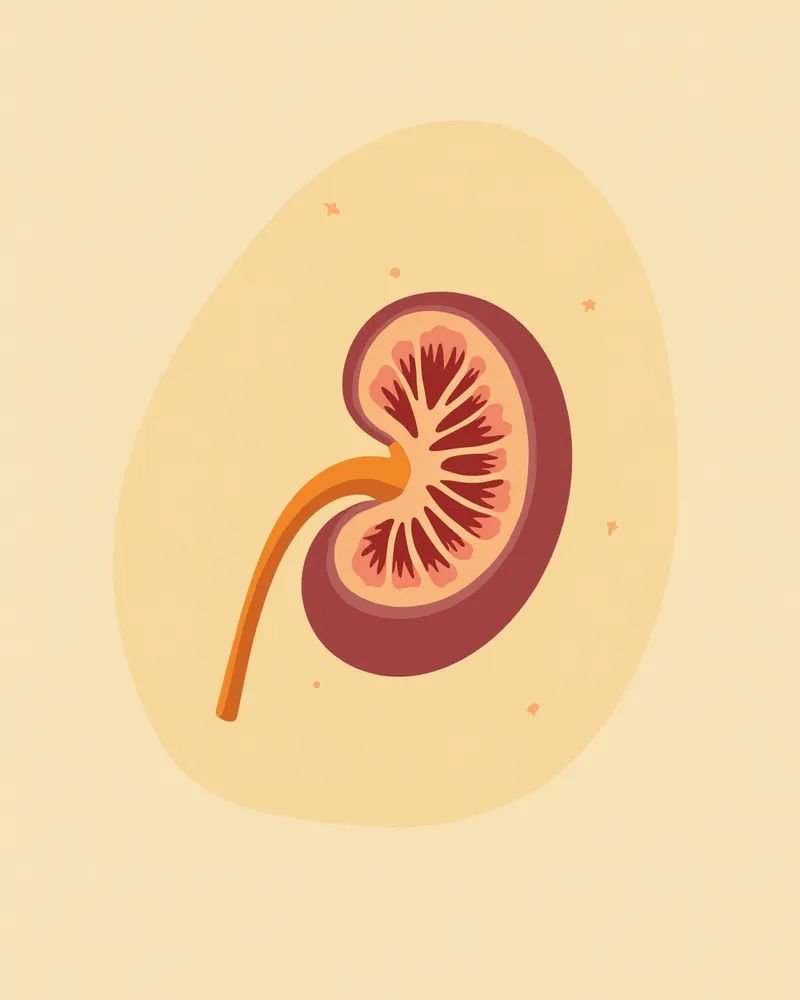
The risk of chronic kidney disease in cats increases with age, and screening is recommended for senior cats aged seven to eight years and older. - Genetic and structural diseases: Hereditary and structural kidney conditions, such as polycystic kidney disease, can be passed down through family lines. - Infections: Primary kidney diseases, such as pyelonephritis, can be a cause. - Drug toxicity: Nephrotoxic substances, including aminoglycoside antibiotics and ethylene glycol poisoning, place a burden on the kidneys. Dosage adjustments are necessary for medications excreted by the kidneys. - Other causes: These include idiopathic chronic tubulointerstitial nephritis, hydronephrosis caused by kidney stones, hypokalemic nephropathy, tumors (primarily lymphoma), and hypercalcemia. - Severe dehydration: Cats have a weak thirst response, making them prone to dehydration, which stresses the kidneys. Early detection and regular check-ups are essential.
A microscopic image showing inflammation and fibrosis in a cat’s kidneys

There Are No Major Symptoms in the Early Stages, but They Worsen in the Later Stages

In the IRIS staging system for feline chronic kidney disease, the early stage is often asymptomatic. However, as the condition progresses, symptoms such as decreased appetite, weight loss, polydipsia and polyuria (increased water consumption and urine output), dehydration, vomiting, and lethargy may appear. In stage 4, the most advanced stage, uremia develops and the cat appears systemically unwell. If these signs are observed in senior cats aged seven to eight years or older, kidney function testing is essential. Early detection is key to extending survival time. Because kidney function decline accelerates as the disease progresses, regular health check-ups are indispensable.
A cat with a tired expression

Symptoms Requiring Immediate Veterinary Visit

If your cat doesn’t drink water all day, or shows severe vomiting, blood in the urine, or decreased consciousness, you should take them to the vet immediately. These signs indicate a rapid decline in kidney function and require emergency treatment. Early intervention can significantly improve their chances of survival.

Diagnosis Is Accurately Confirmed Through Blood and Urine Tests

The IRIS staging system for cats is based on creatinine (Crt) and SDMA levels. However, these values must be measured repeatedly while the cat is in a stable, well-hydrated state after fasting, as dehydration can lead to misinterpretation of the results. SDMA helps detect early kidney damage. Stage 1 is classified by the kidney’s reduced ability to concentrate urine, and a urinalysis is performed to check for proteinuria, along with an ultrasound to assess kidney structure. Stages 1 and 2 are often asymptomatic or mild, making regular check-ups essential. Monitoring the condition through repeated tests can improve diagnostic accuracy.
An image showing a veterinarian drawing a blood sample and displaying the test results.

Treatment Is Tailored to Each Stage

For IRIS stages 1–2, the focus is on dietary management and hydration. Choose a renal prescription diet that is low in phosphorus and enriched with omega-3 fatty acids, and restrict protein only if uremic symptoms are present. In stages 3–4, treatment may require intestinal phosphate binders, ACE inhibitors or ARBs for blood pressure control, erythropoietin to correct anemia, subcutaneous fluids and potassium supplementation, alkalinization therapy, and medications to stimulate appetite and reduce vomiting. In severe cases, dialysis (peritoneal or hemodialysis) may be considered. The goals of treatment are to alleviate uremic symptoms and extend survival. Regular check-ups and consistent medication management are essential.
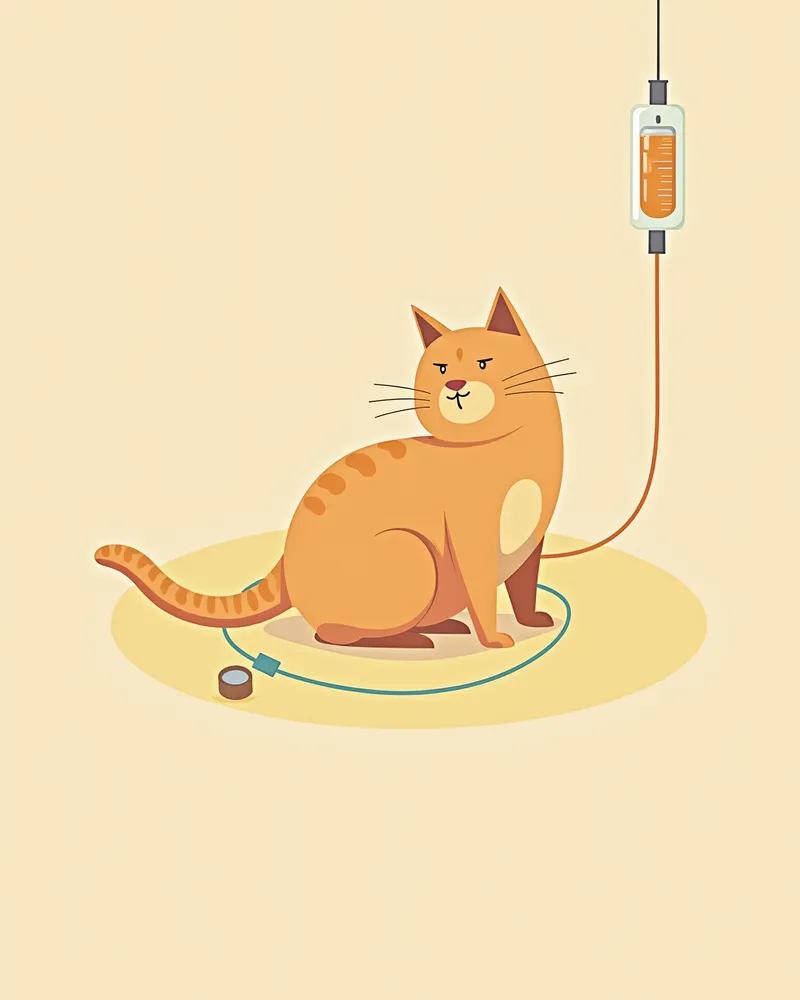
A cat receiving intravenous fluid therapy.

Home Management Centers on Dietary Control and Hydration

Choose a prescription diet based on your cat’s IRIS stage. Diets that are low in protein and phosphorus, and high in moisture are generally recommended. Change the water frequently and place multiple water bowls around the home to encourage hydration. You can also stimulate interest by changing the location of the water bowl or using a fountain-style dispenser. To minimize stress, maintain a quiet environment and keep a consistent daily routine. Regularly monitoring your cat’s weight and recording food intake can also be helpful.
An image of a cat drinking water from a spray bottle, with several water bowls placed around it.

The Risk of Kidney Disease Varies by Cat Breed

Genetic or hereditary kidney diseases, such as polycystic kidney disease, can increase the risk of kidney issues in some cats. However, there is limited direct evidence that certain breeds are more prone to chronic kidney disease. Therefore, it is important for all senior cats aged 7 to 8 years and older to undergo regular kidney screening tests, regardless of breed. Consistent health check-ups can help with early detection.

Reviewed by a veterinarian

Dr. Tony — Punnawat Phongkittirak

Dr. Tony — Punnawat Phongkittirak

Veterinarian

A veterinarian who majored in veterinary medicine at Khon Kaen University, Thailand, and completed the IVSA program at North Carolina State University in the United States. Drawing on clinical experience at animal hospitals, he works in the pet healthcare field and is dedicated to building a digital care environment that connects pet parents with veterinarians.

Frequently Asked Questions

Why is the IRIS staging classification for cats important?
Because treatment strategies vary depending on the stage of the disease, early diagnosis and classification are crucial for extending survival time.
What should I do if my pet is diagnosed with IRIS Stage 1 kidney disease?
It’s important to slow the progression of the disease through dietary management, increased water intake, and regular check-ups.
What should I do if my cat has no appetite?
Try offering small amounts of meat purée or a specialized diet, and consult your veterinarian about using appetite stimulants.
How is the IRIS staging classification determined?
Based on blood tests (creatinine, SDMA) and urine tests (proteinuria), it is divided into four stages.
Can kidney disease be cured?
Chronic kidney disease is difficult to cure, but with proper management, the condition can be kept stable for years.

Share

Related Guides

References

[1] The Cat, Clinical Medicine and Management, 2nd Edition. Elsevier, 2023.

[2] International Renal Interest Society (IRIS). Guidelines for the staging of chronic kidney disease in cats. www.iris-kidney.com, 2023.

[3] Bregazzi VS, LaRue SM, McNiel E, et al. Treatment with combination of doxorubicin, surgery, and radiation versus surgery and radiation alone for cats with vaccine-associated sarcomas: 25 cases (1995–2000). J Am Vet Med Assoc. 2001;219(10):1427–1433.

This information is based on veterinary literature and does not replace diagnosis or treatment. Please consult a veterinarian for specific health concerns.

Metapet Co., Ltd. | CEO: Park Sung-yong | Business Reg. No. 417-88-02562 | Seoul, South Korea | Customer Center

Feline CKD IRIS Staging: Managing Stage 1 to Stage 4 | Meongsiljang