Like
Share
멍실장
고양이 각막 천공 증상과 원인, 진단·치료와 관리 포인트 총정리

If Your Cat Can’t Open Its Eyes — Corneal Perforation, a Warning Sign Requiring Immediate Veterinary Care

Eye HealthDiseasesMeongsiljang Veterinary Advisory Board

Feline corneal perforation is an emergency condition in which the eye’s outer protective layer ruptures, posing a high risk of vision loss and infection. Early detection and appropriate treatment are essential.

Corneal Perforation in Cats Is an Emergency Condition Where the Eye’s Protective Layer Ruptures
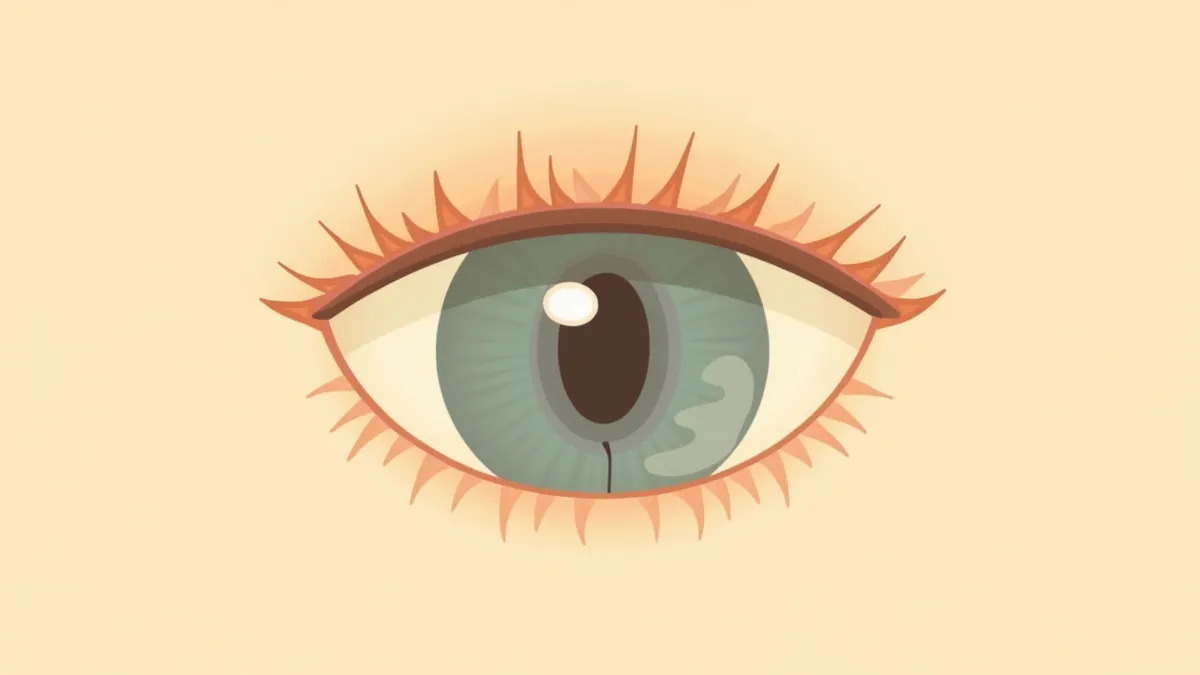
An anatomical illustration showing corneal perforation in a cat
Corneal perforation in cats is an emergency condition in which the cornea, the eye’s outer protective layer, is completely breached. It can result from trauma, rapidly progressing severe corneal ulcers, or rupture of a descemetocele (a bulge of the cornea’s deepest layer). Once the cornea is perforated, intraocular contents may leak out, the iris may prolapse, and bleeding can occur, making immediate emergency treatment essential. - Corneal perforation: The outer surface of the eye is fully ruptured, causing the anterior chamber to become shallow or collapse, with fibrin clots forming at the injury site. - Immediate veterinary care required: As an ophthalmic emergency, corneal perforation requires prompt veterinary evaluation and surgical repair as soon as possible. - Multiple potential causes: Trauma, rapidly progressing severe corneal ulcers, and descemetocele rupture are among the possible causes. - Warning signs: Persistent tearing or ocular discharge, redness of the eye, and reluctance to open the eye due to pain all warrant an immediate veterinary visit.

The Main Causes of Corneal Perforation Are Trauma, Infection, and Disease

The main causes of corneal perforation in cats are external trauma or scratches. Injuries from fights with other cats or from cat claws are particularly common, and trauma from sharp objects can also lead to corneal perforation or lacerations. - Traumatic factors: Scratches from cat claws are a frequent cause, with risk increasing in active cats or those involved in fights with other cats. - Ulcer progression: Rapidly progressing severe corneal ulcers or bacterial infections causing a "melting ulcer" that dissolves the cornea can weaken the tissue and lead to perforation. - Underlying factors: Feline herpesvirus (FHV) contributes to various ocular diseases and can serve as a background factor for chronic corneal conditions. - At-risk groups: Brachycephalic cat breeds may be more susceptible to corneal diseases, such as corneal sequestra, and require careful monitoring.
A cat scratching around its eyes with its claws

Main Symptoms Include Tearing, Redness, Squinting, and Pain
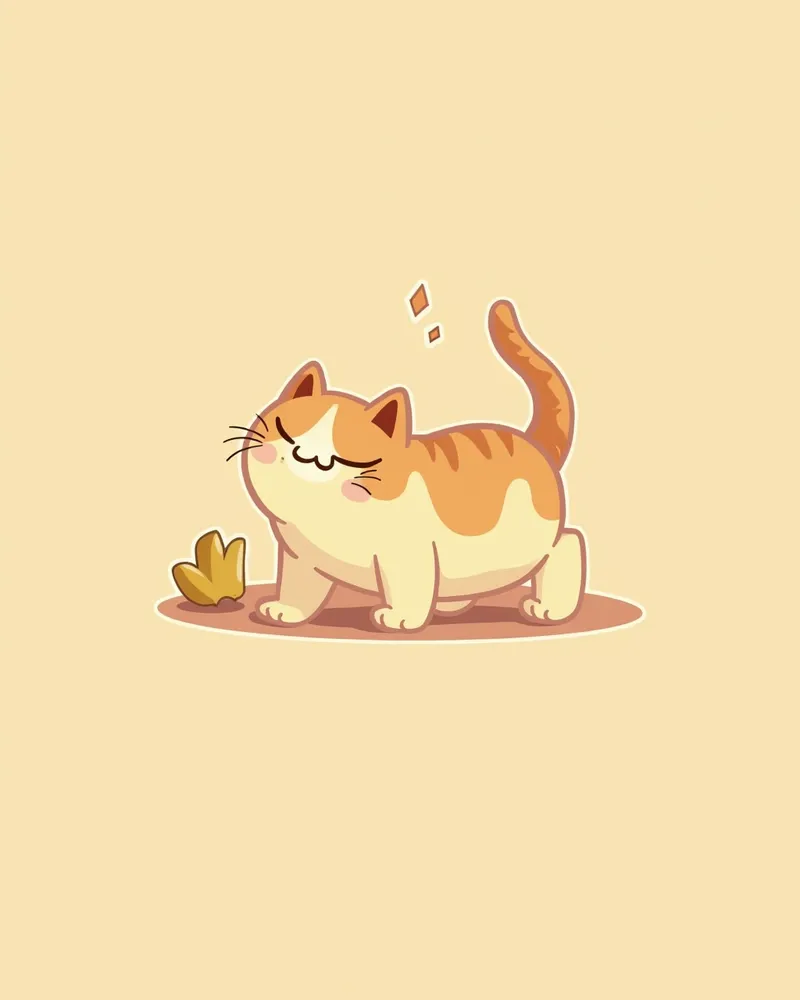
The main symptoms of a corneal perforation in cats include excessive tearing, redness of the eye, and frequent squinting or an inability to open the eye. Due to pain, the cat may scratch its head or rub its face. - Increased tear production: A key characteristic is continuous tearing from the perforated area. - Congestion and swelling: The blood vessels in the eye dilate, causing redness, and the surrounding tissues may become swollen. - Photophobia: If the cat avoids light or keeps its eyes closed, it may be experiencing severe pain. - Behavioral changes: The cat’s overall condition may deteriorate, leading to a loss of appetite or decreased activity levels.
A cat with its eyes closed due to pain.

Emergency Signs Requiring Immediate Veterinary Visit

If your pet’s eyes are constantly tearing or discharging, appear cloudy, or if they’re unable to open them properly due to pain, seek veterinary care immediately. Corneal perforation is an ophthalmic emergency that can lead to iris prolapse or vision loss, so prompt medical evaluation and surgical repair are essential. Do not apply any medications or touch the eye at home. Handle the affected eye with extreme care to minimize irritation and prevent further damage.

Diagnosis Is Accurately Confirmed Through Ophthalmic Examination and Specialized Equipment
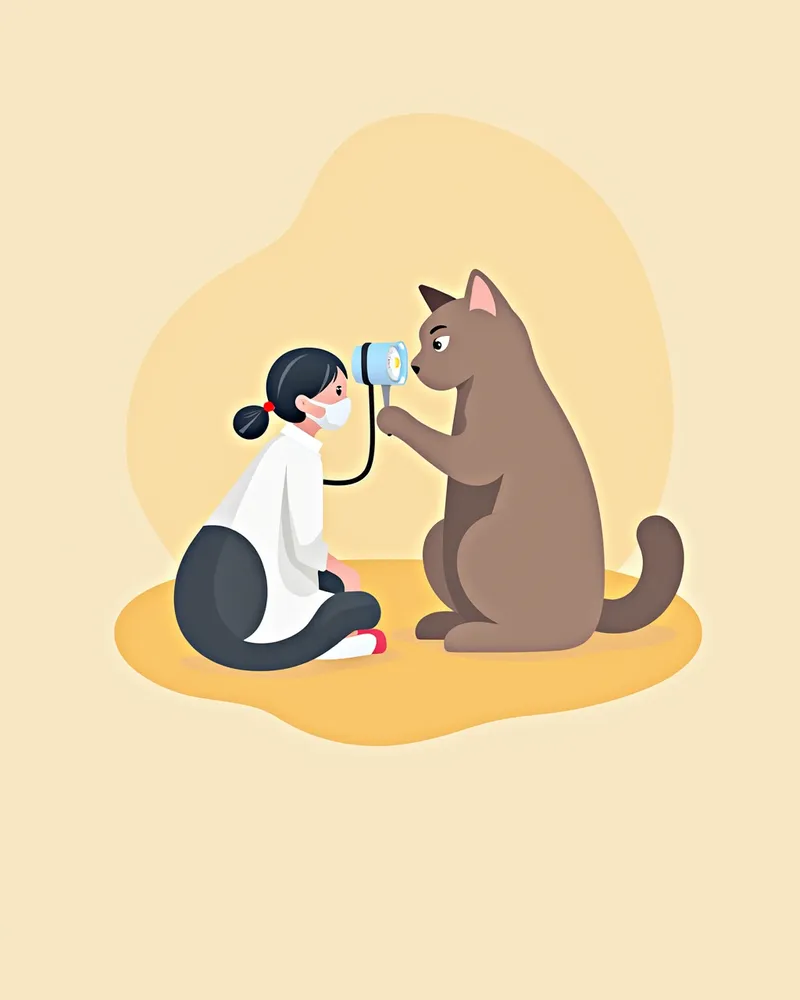
Veterinarians examine a cat’s eyes with a specialized lamp to assess the extent of corneal damage. Most feline ophthalmic emergencies can be diagnosed based on clinical signs and a few simple tests. - Fluorescein staining: Applying dye to the cornea allows it to adhere to damaged or ulcerated areas, clearly revealing the extent of the injury. - Intraocular pressure measurement: Devices such as a tonopen or tonovet are used to measure intraocular pressure and evaluate the condition, though perforated eyes must be handled with extreme care. - Clinical assessment: Signs such as redness, discharge, a shallow anterior chamber, or fibrin clots help determine whether a perforation has occurred and assess its severity. - Diagnostic environment: Cats in pain often extend their third eyelid, making eye examination difficult; a dark, quiet environment and topical anesthetic drops can facilitate the process. - Referral to a specialist: If the condition does not respond to treatment or if multiple diseases affect one eye, referral to a veterinary ophthalmologist is necessary.
A veterinarian examining a cat's eye with a slit lamp.

Treatment Proceeds in Stages with Medications, Surgery, and Protective Devices

Corneal perforation is an ophthalmic emergency, and the standard of care is to pursue surgical repair as soon as possible, with medications used as adjunctive therapy. - Medical Management: Topical antibiotics are prescribed for corneal ulcers, while fluoroquinolone eye drops are used for deep or perforated cases. If intraocular pressure is normal or low, topical atropine is administered (avoiding ointments in cases of perforation and using solutions instead), alongside systemic antibiotics and anti-inflammatory agents. - Surgical Necessity: Surgery is mandatory if the cornea is perforated or if intraocular contents are protruding, and it should be performed as quickly as possible. - Surgical Techniques: The cornea is repaired using techniques such as a conjunctival flap (conjunctival graft). - Protective Measures: An Elizabethan collar (e-collar) must be worn before and after surgery to prevent self-trauma from the cat scratching or rubbing its eye. - Treatment Duration: Regular re-examinations with fluorescein restaining are required during treatment, and deep ulcers may take 2 to 4 weeks to heal.
A cat wearing protective glasses after surgery

Home Care Centers on Medication Administration and Environmental Management

It’s important to follow the medication schedule closely during the treatment period. Eye drops or antibiotics should be administered at the exact prescribed times. - Medication Management: Skipping doses or applying medications at incorrect times can reduce treatment effectiveness. - Nail Care: Trim your cat’s nails to prevent eye scratching, and consider using protective gloves to help. - Environmental Control: Keep the room quiet and free of dust for a more comfortable environment. - Lighting Adjustment: Dim the lights at night to avoid irritating the eyes. - Importance of Observation: Check your cat’s eyes daily for any changes, and contact the vet immediately if you notice any unusual symptoms.
A tidy cat room for medication administration

Prevention of Recurrence and Breed-Specific Precautions Are Necessary

Brachycephalic cats, such as Persians, are more susceptible to corneal diseases like corneal sequestrum, so extra care is needed. Regular ophthalmic examinations are beneficial for these cats. It is also important to minimize injuries from fights with other animals or scratches from claws, and if trauma or self-inflicted damage is suspected, an Elizabethan collar should be used to protect the eyes. Early detection and prevention are the best forms of treatment.

Reviewed by a veterinarian

Dr. Tony — Punnawat Phongkittirak

Dr. Tony — Punnawat Phongkittirak

Veterinarian

A veterinarian who majored in veterinary medicine at Khon Kaen University, Thailand, and completed the IVSA program at North Carolina State University in the United States. Drawing on clinical experience at animal hospitals, he works in the pet healthcare field and is dedicated to building a digital care environment that connects pet parents with veterinarians.

Frequently Asked Questions

Could frequent blinking in cats be a sign of corneal ulceration?
Frequent blinking or difficulty opening the eyes (blepharospasm) may indicate a corneal ulcer. This occurs due to pain and light sensitivity. Seek immediate veterinary care.
Can corneal perforation recur even after treatment?
While there is a risk of recurrence, it can be prevented with proper care and regular check-ups. Particular attention is needed for brachycephalic breeds, which are more susceptible to corneal diseases.
Is it okay to just use eye drops at home?
Eye drops are part of the treatment, but a perforation is an emergency, so medication alone isn’t enough. Because surgical repair may be needed as soon as possible, it’s essential to have your pet examined by a veterinarian.
Will my cat adjust well after surgery?
Elizabethan collars (neck collars) may feel uncomfortable at first, but most cats adjust within a few days. Monitor your cat’s behavior and help prevent them from scratching their eyes.
Can corneal perforation be completely cured?
With proper treatment and care, recovery is often possible. However, if treatment is delayed, it can lead to vision loss or eye damage, so early detection is crucial.

Share

Related Guides

References

[1] Tilley LP, Smith FWK. Blackwell’s five-minute veterinary consult: canine and feline. 4th ed. Ames, IA: Blackwell; 2007.

[2] Gelatt KN, MacKay EO. Distribution of intraocular pressure in dogs. Vet Ophthalmol 1998;1(2–3):109–14.

[3] Rusanen E, Florin M, Hässig M, Spiess BM. Evaluation of a rebound tonometer (Tonovet) in clinically normal cat eyes. Vet Ophthalmol 2010;13(1):31–6.

This information is based on veterinary literature and does not replace diagnosis or treatment. Please consult a veterinarian for specific health concerns.

Metapet Co., Ltd. | CEO: Park Sung-yong | Business Reg. No. 417-88-02562 | Seoul, South Korea | Customer Center

Cat Can't Open Its Eyes? Corneal Perforation Warning Signs | Meongsiljang