Like
Share
멍실장
강아지 갑상선 T4 검사 증상과 원인, 진단·치료와 관리 포인트 총정리

Canine Thyroid T4 Test: From Lethargy and Hair Loss Warning Signs to Diagnostic Timing – A Complete Guide

EndocrineDiseasesMeongsiljang Veterinary Advisory Board

The T4 thyroid test is a key diagnostic tool for identifying thyroid dysfunction in dogs. It enables early detection even before symptoms appear.

The Canine Thyroid T4 Test Is a Key Diagnostic Tool for Thyroid Dysfunction
A veterinarian drawing blood from a puppy
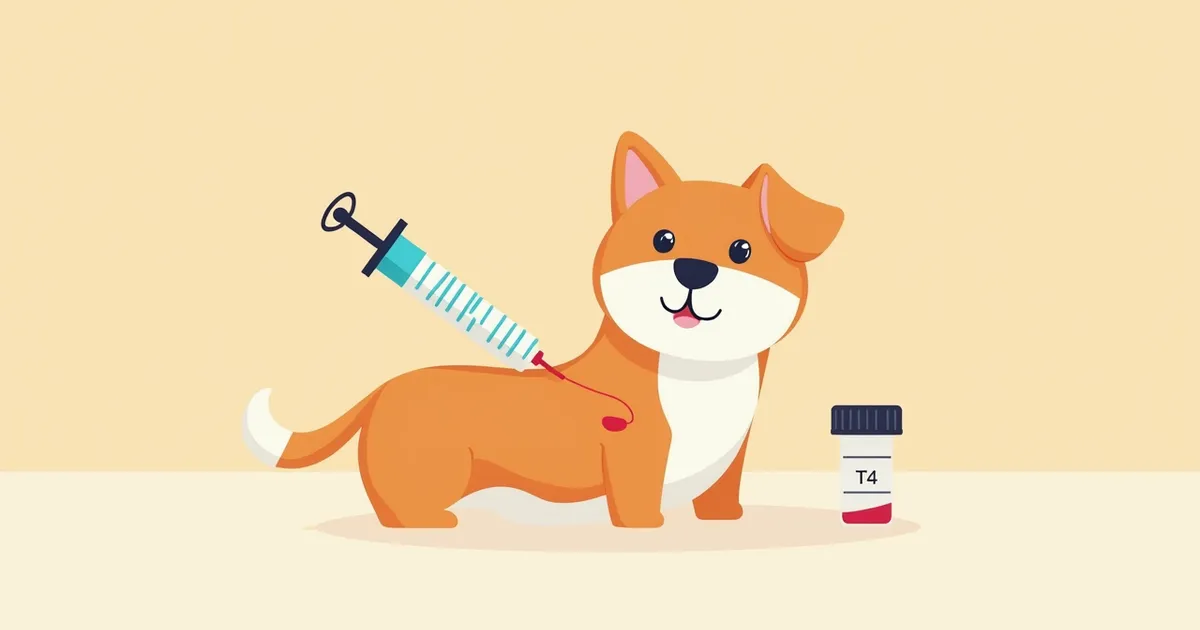
The canine thyroid T4 test is a key diagnostic tool that evaluates thyroid function by measuring the concentration of T4 (thyroxine) hormone in the blood. The most common thyroid disorder in dogs is hypothyroidism, characterized by a deficiency in thyroid hormones, and total T4 (TT4) testing is used as the primary screening method. As a screening test, TT4 has high sensitivity; if TT4 levels are within the normal range and not borderline, the likelihood of hypothyroidism is low. However, a low TT4 result does not immediately confirm hypothyroidism, as non-thyroidal illnesses and certain medications can also lower TT4 levels. The test involves a simple blood draw and is performed by a veterinarian after consulting with the pet owner. For an accurate diagnosis, veterinarians comprehensively consider additional test results, such as free T4 (fT4) and TSH, alongside TT4 levels.

The Primary Cause of Thyroid Dysfunction Is Immune-Mediated Damage and Genetic Factors
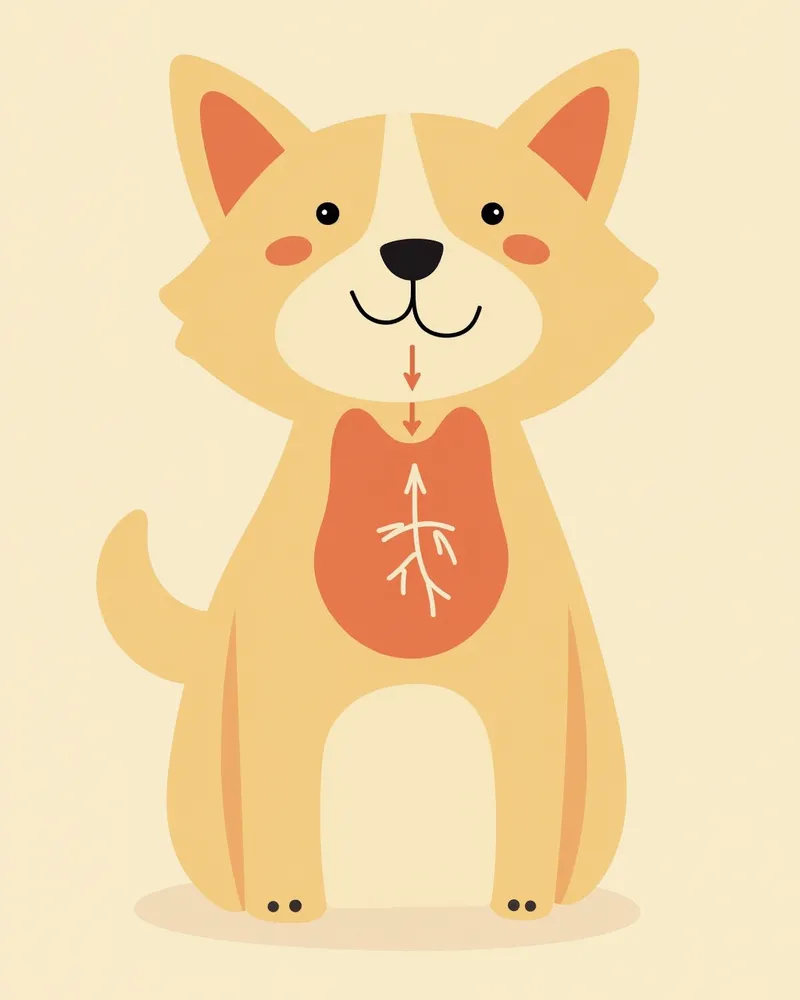
The primary cause of hypothyroidism in dogs is immune-mediated damage, such as autoimmune thyroiditis, where the body’s immune system mistakenly attacks its own thyroid tissue. This condition most commonly affects young to middle-aged large-breed dogs, with Golden Retrievers, Doberman Pinschers, Boxers, Great Danes, and Irish Setters being among the breeds most frequently diagnosed. In contrast, hyperthyroidism, characterized by excessive hormone production, is rare in dogs. Non-thyroidal illnesses and certain medications can also influence thyroid hormone levels. To reach an accurate diagnosis, veterinarians typically combine tests such as TSH measurement, thyroid stimulation tests, and comprehensive blood work. Early diagnosis and identifying the underlying cause are key to improving treatment outcomes, while pet owners can help manage risk factors through regular health check-ups.
The thyroid gland located in a dog’s neck and its hormone secretion pathways

Main Symptoms Include Lethargy, Weight Gain, and Decreased Activity

Hypothyroidism, a common thyroid disorder in dogs, typically presents with lethargy, mental dullness, weight gain despite no increase in appetite, cold intolerance, and bradycardia (a slow heart rate). Skin and coat changes are also common, including dry, brittle hair and symmetrical, non-itchy hair loss. Pigmentation changes or secondary bacterial and fungal skin infections may also occur. Because symptoms can be mild or vague, owners often mistake them for normal aging and miss the diagnosis. Early detection through regular veterinary check-ups is essential.
Lethargy and mental dullness: Decreased energy and responsiveness.
Weight gain: Gaining weight without an increase in food intake.
Cold intolerance: Feeling colder than usual and experiencing a drop in body temperature.
Bradycardia: A slower-than-normal heart rate.
Skin and coat changes: Dry, brittle hair with symmetrical hair loss and increased susceptibility to skin infections.
An active dog, which may indicate hyperthyroidism

Seek Veterinary Care Immediately If Severe Symptoms Appear

If your pet shows severe lethargy, decreased consciousness, low body temperature, or extreme weakness and collapse, seek veterinary care immediately. These are warning signs of severely impaired thyroid function. Emergency treatment by a veterinarian is essential, as delayed care can be life-threatening.

Diagnosis Is Conducted Using Comprehensive Methods Including T4, TSH, and Ultrasound
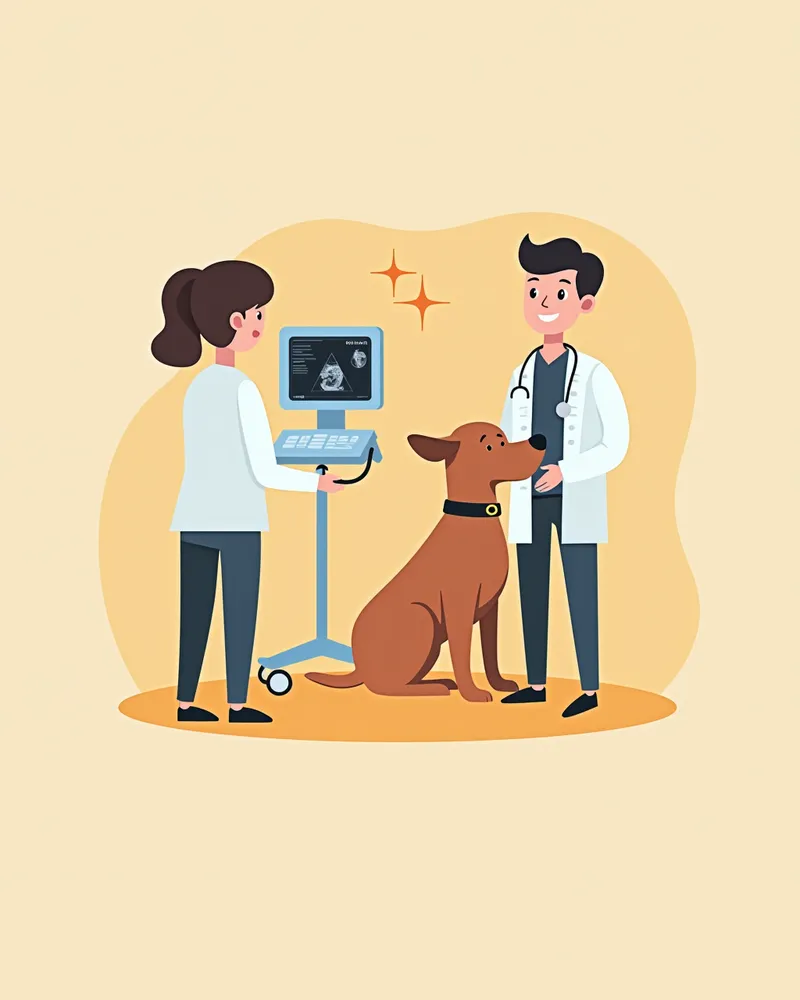
Diagnosing hypothyroidism in dogs begins with a total T4 (TT4) test, followed by a comprehensive thyroid panel and blood work that includes free T4 (fT4) and TSH. Because a single test is rarely sufficient for an accurate diagnosis, we compare and analyze multiple results. Even if TT4 levels are low, this could be due to non-thyroidal illness or medication effects, so additional confirmatory testing is necessary. Findings such as hypercholesterolemia or mild anemia on blood work can support the diagnosis. The thyroid-stimulating hormone (TSH) test is widely recognized as the most reliable method for differentiating hypothyroidism. Your veterinarian will make a final diagnosis by considering symptoms, age, weight changes, and other factors, then monitor treatment progress. Regular check-ups and ongoing follow-up care are essential.
A veterinarian performing an ultrasound examination on a dog's neck

Treatment Methods Include Medication, Surgery, and Radioactive Iodine Therapy
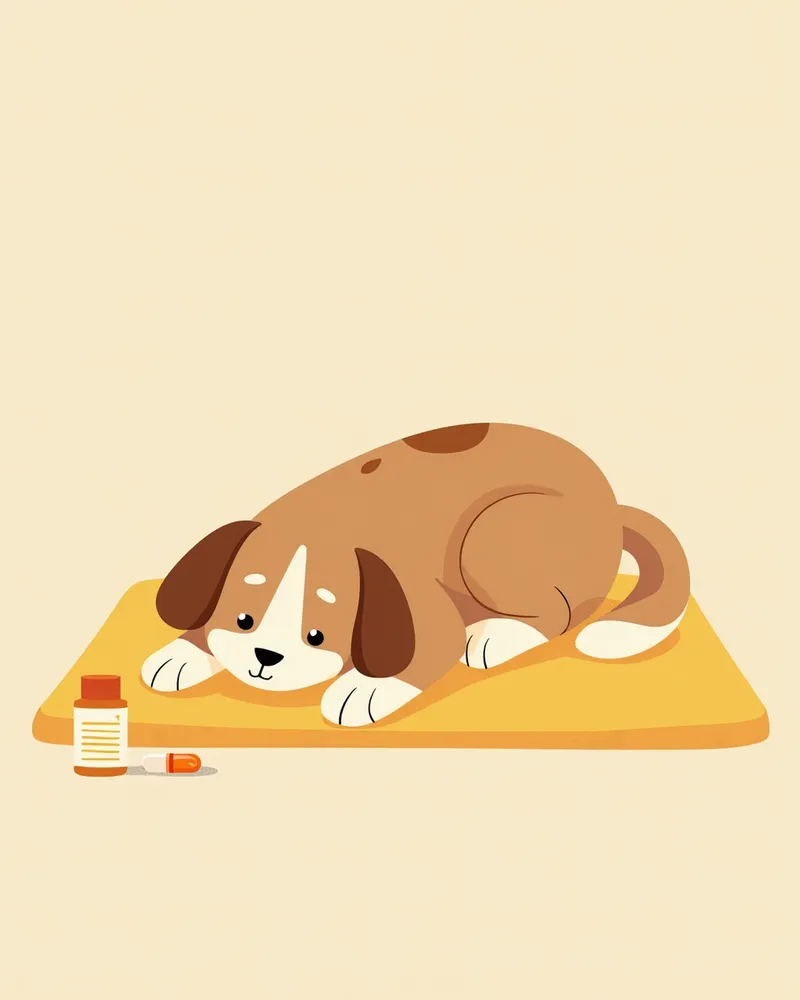
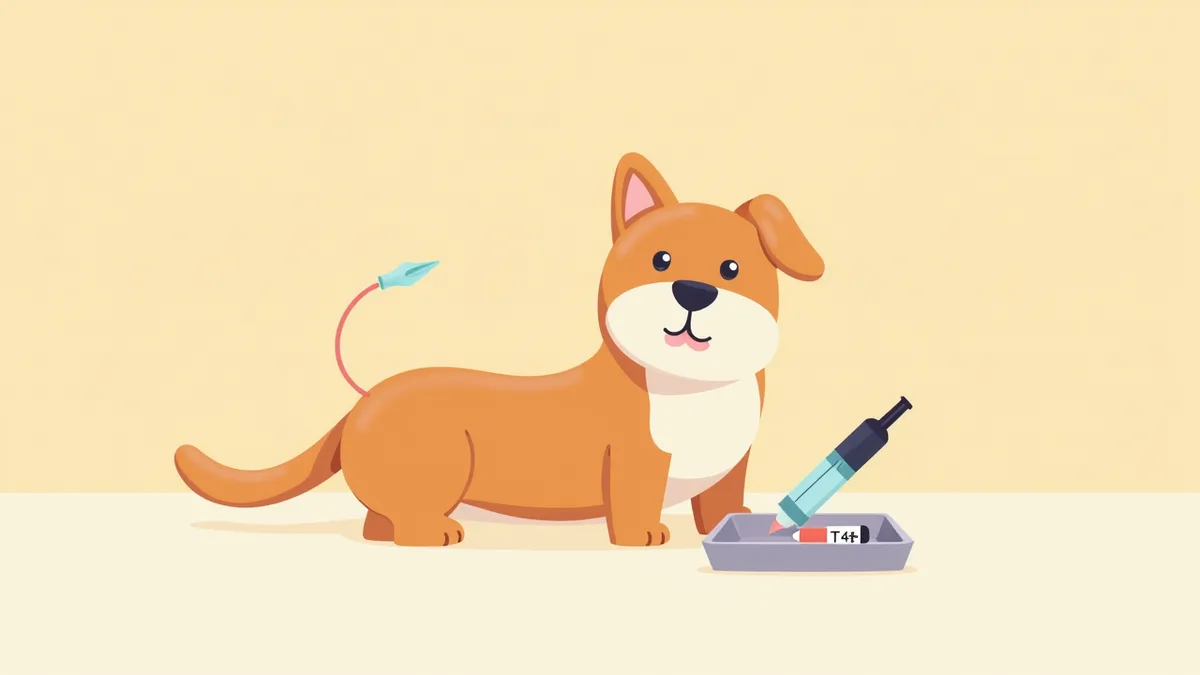
The cornerstone of treating hypothyroidism in dogs is hormone replacement therapy, which replenishes the deficient thyroid hormones. By administering synthetic thyroid hormone daily, we maintain blood hormone levels within the normal range. While the treatment itself is relatively affordable, it typically needs to be continued for the dog’s entire life. Your veterinarian will adjust the dosage based on your pet’s condition and response to treatment; in some cases, dogs can be well-managed on doses lower than the standard recommendation. Please note that treatments such as surgery or radioactive iodine therapy, which suppress hormone production or remove/destroy the thyroid gland, are used for hyperthyroidism (excess hormone) and are not applicable to hypothyroidism in dogs.
Hormone Replacement: Daily supplementation to replace the deficient thyroid hormone.
Lifelong Management: Most dogs require medication for the rest of their lives.
Dosage Adjustment: Your veterinarian will fine-tune the dosage based on your pet’s response to treatment.
Regular Monitoring: Treatment efficacy is confirmed by assessing clinical signs and T4 levels.
A dog receiving medication treatment and a veterinarian

Home Care Centers on Medication, Regular Check-Ups, and Environmental Control
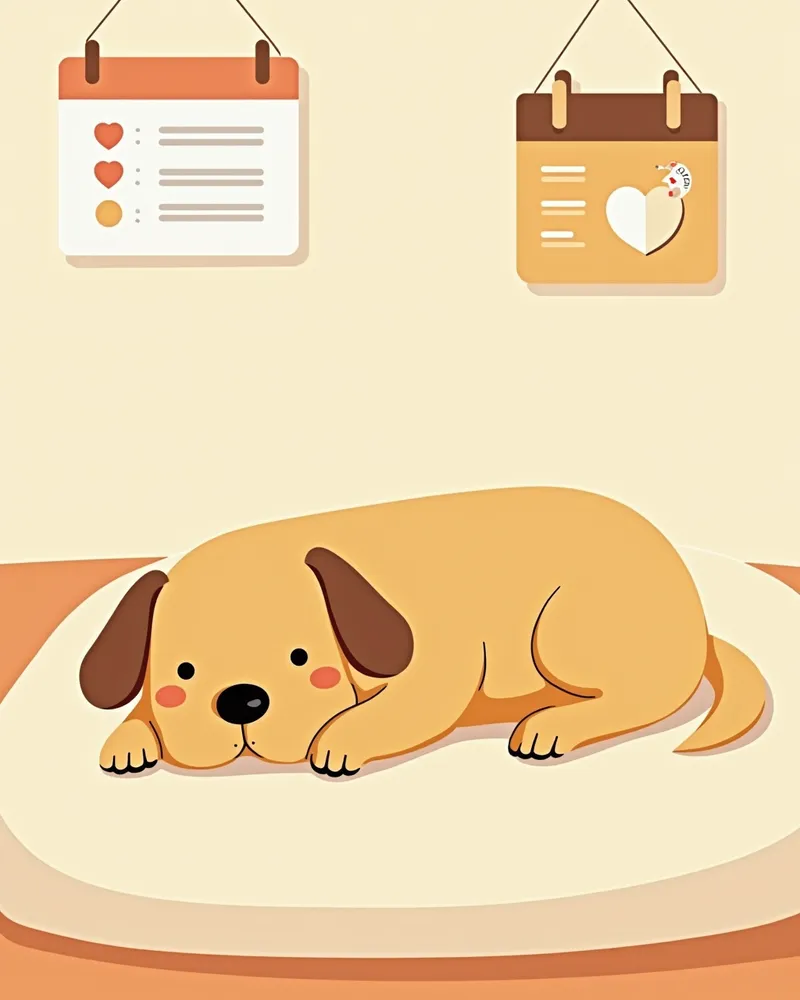
Home care for dogs with hypothyroidism centers on consistent hormone medication, regular check-ups, and stress reduction. Medication must be given exactly as your veterinarian directs, at the correct time and dose, and most dogs will need to continue it for life. Regularly monitor clinical signs and T4 levels to ensure the dosage remains appropriate, and minimize environmental changes to help your dog stay stable. Since affected dogs often feel lethargic or sensitive to cold, providing a warm, comfortable resting area can be very helpful.
Medication Administration: Give medication exactly as directed by your veterinarian.
Regular Check-ups: Monitor your dog’s condition through clinical signs and blood tests at intervals set by your veterinarian.
Environmental Management: Allow your dog to rest in a quiet, warm space.
Monitoring Treatment Response: Keep track of changes in energy levels, weight, and coat condition.
A dog resting in a quiet environment for a regular check-up

Senior Dogs and Specific Breeds Are More Vulnerable to Thyroid Disease

Hypothyroidism primarily affects young to middle-aged large-breed dogs. It is particularly common in Golden Retrievers, Doberman Pinschers, Boxers, Great Danes, and Irish Setters. Since veterinarians take breed into account when diagnosing this condition, regular check-ups are especially important for dogs of these breeds.

Reviewed by a veterinarian

Dr. Tony — Punnawat Phongkittirak

Dr. Tony — Punnawat Phongkittirak

Veterinarian

A veterinarian who majored in veterinary medicine at Khon Kaen University, Thailand, and completed the IVSA program at North Carolina State University in the United States. Drawing on clinical experience at animal hospitals, he works in the pet healthcare field and is dedicated to building a digital care environment that connects pet parents with veterinarians.

Frequently Asked Questions

When is the best time to have my dog’s thyroid T4 test done?
If your pet shows symptoms that might indicate hypothyroidism, such as lethargy, weight gain without increased appetite, or changes in skin and coat, or if they belong to a large breed prone to this condition, your veterinarian may recommend testing. This can also be included during regular check-ups.
Does a normal T4 level mean there’s no thyroid problem?
If total T4 (TT4) is within the normal range and not borderline, the likelihood of hypothyroidism is low. However, certain breeds or non-thyroidal illnesses and medications can affect the results, so additional testing may be necessary if needed.
Does medication need to be administered for a long period of time?
In most cases, lifelong medication is required to replace the deficient hormone. Your veterinarian will monitor your pet’s response to treatment and adjust the dosage accordingly.
Is radioactive iodine therapy safe?
Radioactive iodine therapy is used to treat hyperthyroidism, a condition characterized by excessive thyroid hormone production that primarily affects cats. This approach differs from the treatment for hypothyroidism in dogs, which involves a deficiency of thyroid hormones. Hypothyroidism in dogs is managed through hormone replacement therapy.
How should I manage my pet’s diet?
There’s no specific diet prescribed for hypothyroidism itself. The most important thing is to work with your veterinarian to manage your pet’s meals to maintain a healthy weight and, above all, to ensure consistent administration of hormone medication.

Share

Related Guides

References

[1] Peterson ME, Kintzer PP, Hurvitz AI. Methimazole treatment of 262 cats with hyperthyroidism. J Vet Intern Med. 1988;2:150.

[2] Fox P, Peterson M, Broussard J. Electrocardiographic and radiographic changes in cats with hyperthyroidism. J Am Anim Hosp Assoc. 1998;35:27.

[3] Textbook of Cardiovascular Medicine in Dogs and Cats. 2020. Blackwell Publishing.

This information is based on veterinary literature and does not replace diagnosis or treatment. Please consult a veterinarian for specific health concerns.

Metapet Co., Ltd. | CEO: Park Sung-yong | Business Reg. No. 417-88-02562 | Seoul, South Korea | Customer Center

Canine Thyroid T4 Test: Lethargy, Hair Loss & When to Test | Meongsiljang