
Is anesthesia safe for cats with heart disease? — Risk signals to check before dental procedures
Feline heart disease can increase the risks associated with dental procedures. Early diagnosis and thorough management are essential.
Feline heart disease and dental care are important management issues that influence each other
The link between heart disease and dental procedures: Risk factors and pathogenesis
Key symptoms: Overlapping signs of heart disease and dental problems
Criteria for immediate veterinary visit: Emergency signals of heart disease and dental problems
If your cat suddenly starts panting, foams at the mouth, or collapses, seek veterinary care immediately, as these could be signs of heart failure or acute pulmonary edema. Additionally, if severe shock symptoms develop within 24 hours after dental treatment, emergency intervention is required right away.
Accurate diagnosis: How to assess both heart and dental status
Treatment methods: Steps for managing heart disease and dental problems simultaneously
Home care: How to maintain both heart and dental health
Breed-specific precautions: Cat breeds susceptible to heart disease
Maine Coons, Ragdolls, and similar breeds are known to be particularly susceptible to hypertrophic cardiomyopathy (HCM). These breeds have an elevated risk of developing HCM due to genetic predisposition and breed-specific factors. Therefore, cats of these breeds must undergo a thorough cardiac evaluation before any dental procedures, and anesthesia should only be administered under the strict guidance of a veterinarian.
Reviewed by a veterinarian

Dr. Tony — Punnawat Phongkittirak
VeterinarianA veterinarian who majored in veterinary medicine at Khon Kaen University, Thailand, and completed the IVSA program at North Carolina State University in the United States. Drawing on clinical experience at animal hospitals, he works in the pet healthcare field and is dedicated to building a digital care environment that connects pet parents with veterinarians.
Reviewed 2026-06-03
Frequently asked questions
Can dental procedures worsen heart disease?
Can cats with heart disease receive dental treatment?
What should I do if my pet develops heart problems after dental treatment?
How can you prevent heart disease and dental problems in your pet’s daily life?
Why is a heart checkup essential before dental treatment?
Share
Related Guides
Coenzyme Q10 Benefits and Administration Guide
Dog Pulmonary Edema Warning — 7 Best Diuretics (Furosemide) for Heart Management
7 Best Prescription Diets for Feline Heart Disease Recommended by Veterinarians — Criteria for Choosing Low-Sodium Food
Complete Guide to Monitoring Blood Glucose Curves in Dogs — From Measurement to Insulin Adjustment
What Should I Feed My Dog with Diabetes? — Dietary Principles and Management Tips for Blood Sugar Control
If Your Dog Suddenly Loses Weight and Drinks Excessive Water — Causes of Diabetes and Timing for Treatment
Is it safe to give my dog Cushing’s medication? — Side effects and monitoring points for mitotane and trilostane
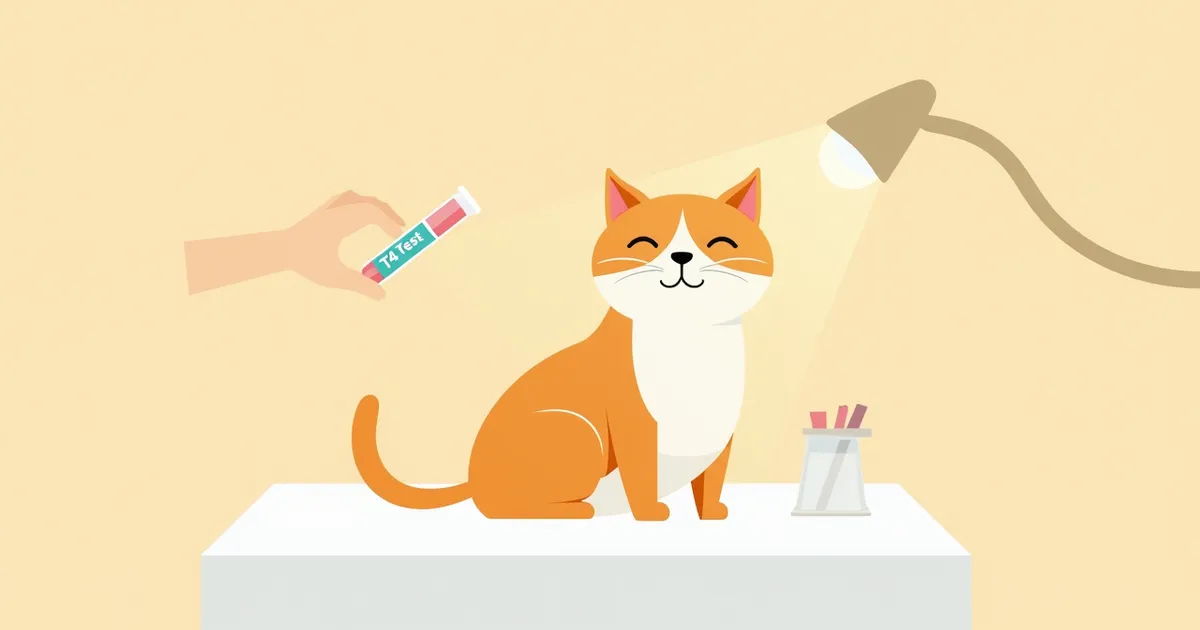
Complete Guide to Feline Thyroid T4 Testing — Interpreting Results and Timing for Additional Tests
When Medication Alone Isn't Enough for Feline Hyperthyroidism: Efficacy and Side Effects of Radioactive Iodine Therapy
If Your Cat Has Changed After Neutering — Hormonal Change Signals, Causes, and Management
References
[1] Bellows J. Feline Dentistry – Oral Assessment, Treatment, and Preventative Care. 1st ed. Ames: Wiley-Blackwell; 2010.
[2] DeBowes LJ. Simple and surgical exodontia. Vet Clin North Am Small Anim Pract. 2005;35:963–984.
[3] Payne JR, Borgeat K, Brodbelt DC, Connolly DJ, Luis Fuentes V: Risk factors associated with sudden death vs. congestive heart failure or arterial thromboembolism in cats with hypertrophic cardiomyopathy, J Vet Cardiol 17(Suppl 1):S318-S328, 2015.