Like
Share
멍실장
강아지 신독성 약물·물질 증상과 원인, 진단·치료와 관리 포인트 총정리

Nephrotoxic Drugs and Substances Dangerous to Your Dog — Symptoms of Toxicity and Key Response Points

KidneyDiseasesMeongsiljang Veterinary Advisory Board

Nephrotoxic drugs and substances can damage your dog’s kidney function, making early detection and appropriate intervention essential. Here’s a summary of the main causes and symptoms to watch for, as well as diagnostic and treatment approaches.

What Are Nephrotoxic Drugs and Substances in Dogs?

A scene of a puppy looking at a medicine bottle with caution.
Nephrotoxic drugs and substances are medications or chemicals that can damage the kidneys. Most cases of acute kidney injury in dogs are caused by nephrotoxic agents or infectious factors. Owners should be especially cautious with nonsteroidal anti-inflammatory drugs (NSAIDs) like ibuprofen and aminoglycoside antibiotics. Medications intended for humans can be even more dangerous for dogs. Among chemicals and foods, automotive antifreeze (ethylene glycol), grapes and raisins, and certain jerky-style treats can cause kidney damage. The kidneys are vital organs responsible for filtering out toxic substances, so once they are damaged, recovery can be difficult. Therefore, early detection and prompt intervention are key to improving survival rates.

What Are the Main Causes?

The main causes of nephrotoxic drug and substance exposure in dogs are ingestion of nephrotoxic medications and contact with toxic substances. In particular, nonsteroidal anti-inflammatory drugs (NSAIDs) such as ibuprofen can cause kidney damage in both humans and animals. Dogs may accidentally consume medications by rummaging through pill bottles or containers without their owners’ knowledge, or they may lick sweet-tasting liquids like automotive antifreeze (ethylene glycol). Antifreeze is especially dangerous because even relatively small amounts can cause acute kidney failure. Similarly, signs of kidney damage from NSAIDs can appear as soon as 12 hours after ingestion. The best preventive measure is to keep medications and chemicals out of your dog’s reach. If exposure is suspected, seek veterinary care immediately without delay.
A scene of a puppy sniffing a medicine bottle near the trash can.

Main Symptoms and Signs

The early signs of nephrotoxic drugs or substances in dogs include loss of appetite, vomiting, diarrhea, lethargy, and either increased (polyuria) or decreased (oliguria) urine output. These are early indicators of declining kidney function, so owners should monitor their pets closely. If the condition worsens, symptoms such as dehydration, oral ulcers, decreased consciousness, and respiratory depression may appear. In particular, a sudden drop in urine output or complete absence of urination (oliguria or anuria) requires immediate veterinary attention. Owners should consistently check their dog’s daily behavior and urination patterns. The earlier the problem is detected, the greater the chance of successful treatment.
A medical illustration depicting a tired dog.

Symptoms Requiring Immediate Veterinary Visit

If your dog experiences severe vomiting, no urination, decreased consciousness, or difficulty breathing, take them to the vet immediately. These are signs of serious kidney damage. Delaying treatment can be life-threatening. Pet owners should be vigilant and not overlook these symptoms.

How Is an Accurate Diagnosis Made?
Diagnosing nephrotoxic drug or substance exposure in dogs primarily involves blood and urine tests. We check kidney function indicators such as creatinine and BUN (blood urea nitrogen) levels, and evaluate urine concentration (specific gravity) as well as the presence of protein or sediment. If needed, abdominal X-rays or renal ultrasounds are used to assess kidney size and detect structural damage. For certain toxic substances, urine tests can also confirm the presence of residual drugs or toxins. To ensure an accurate diagnosis, it is important to provide information about any substances your dog may have ingested when visiting the clinic. Since treatment plans depend on diagnostic results, prompt testing is essential.
A veterinarian examining a dog’s blood sample under a microscope.

Treatment Methods and Step-by-Step Response
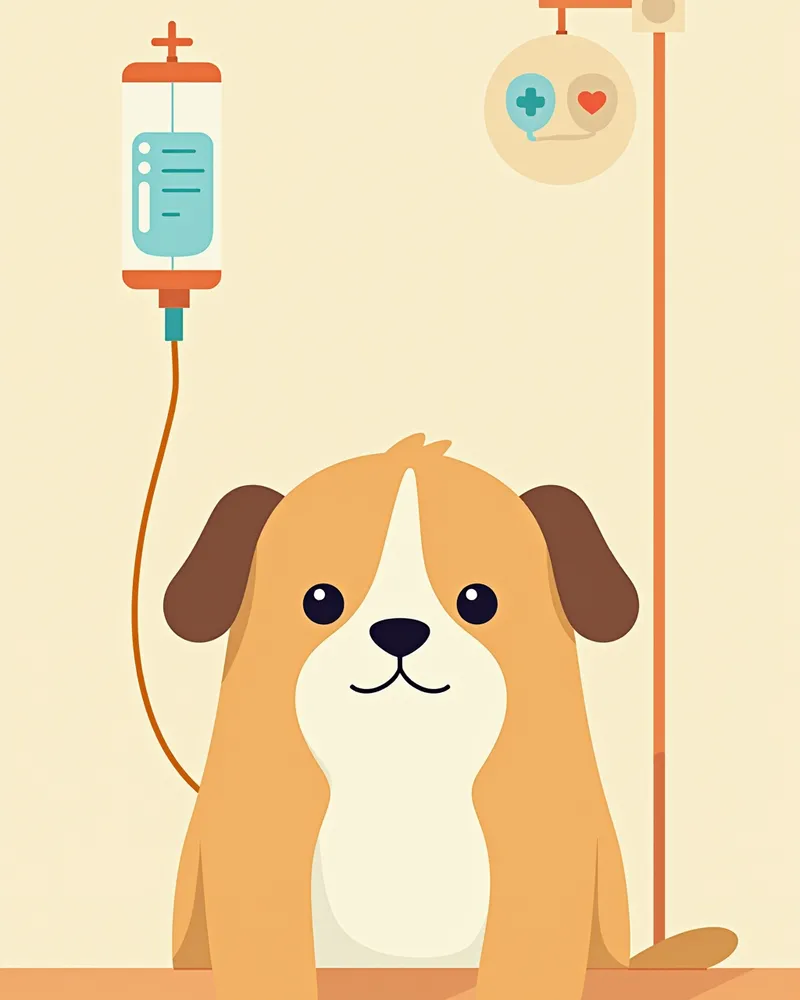
Early intervention is the most critical factor in treating nephrotoxic drugs and substances in dogs. First, the toxic substance is removed through gastric lavage or administration of activated charcoal. Subsequently, intravenous fluid therapy is used to restore kidney function, with additional medication administered as needed. The duration of treatment varies depending on the type and amount of the toxic substance ingested. Pet owners must carefully follow their veterinarian’s instructions for management. Even after recovery, regular check-ups are essential to monitor kidney health.
A veterinarian administering an intravenous injection to a puppy

Management Points at Home

After administering nephrotoxic medications or substances to your dog, follow your veterinarian’s instructions closely. Encourage adequate water intake and offer easily digestible food. Administer any prescribed medications strictly according to the dosage and schedule set by your veterinarian. Regular check-ups are essential to monitor your dog’s recovery. Keep a close eye on changes in activity level and appetite. To prevent recurrence, store medications securely and out of your dog’s reach.
A puppy drinking clean water

Breed-Specific Precautions and Prevention of Recurrence

Nephrotoxic injury can occur in any dog, regardless of breed. Therefore, it is crucial for owners to securely store medications and chemicals out of their dog’s reach. Particular care should be taken with hazardous substances such as automotive antifreeze (ethylene glycol) and human medications. Regular health check-ups are necessary to consistently monitor kidney function and prevent recurrence or further exposure.

Reviewed by a veterinarian

Dr. Tony — Punnawat Phongkittirak

Dr. Tony — Punnawat Phongkittirak

Veterinarian

A veterinarian who majored in veterinary medicine at Khon Kaen University, Thailand, and completed the IVSA program at North Carolina State University in the United States. Drawing on clinical experience at animal hospitals, he works in the pet healthcare field and is dedicated to building a digital care environment that connects pet parents with veterinarians.

Frequently Asked Questions

Can medications cause kidney damage in dogs?
Yes, some medications can be toxic to the kidneys. Nonsteroidal anti-inflammatory drugs (NSAIDs) and aminoglycoside antibiotics are common culprits. If you suspect kidney issues, consult your veterinarian immediately.
How soon should I take my pet to the vet after exposure to a nephrotoxic drug?
While there’s no strict time limit, the sooner you act, the better. Early treatment can help remove toxic substances and minimize kidney damage, leading to a better prognosis. If you suspect your pet has been exposed, take them to the vet immediately.
How long does it take for kidney function to recover?
The recovery period varies significantly depending on the severity of the damage and the causative agent. Mild cases tend to improve relatively quickly, but severe cases may take several weeks or more to recover and can even progress to chronic kidney disease. During the recovery phase, ongoing veterinary care and regular follow-up examinations are essential.
What should I be mindful of to help prevent this?
Store medications out of your dog’s reach, and use lidded trash cans. Keep chemicals like automotive antifreeze securely stored away, and always follow the prescribed dosage for any medications your veterinarian has recommended.
Can a dog that is urinating less than usual be suffering from nephrotoxicity?
Yes, decreased urine output is one of the hallmark signs of declining kidney function. However, since other causes are possible, it’s important to have your pet examined right away so a veterinarian can make an accurate diagnosis.

Share

Related Guides

References

[1] DeClementi C. Nonsteroidal antiinflammatory drug toxicosis. In: Cohn LA, Cote E, eds. Cote’s Clinical Veterinary Advisor Dogs and Cats, 4th ed. St. Louis: Elsevier; 2020, 695–697.

[2] Blackwell's Five-Minute Veterinary Consult Clinical Companion, Small Animal Toxicology, 3rd Edition. Wiley-Blackwell, 2021.

[3] Stoddart, D.M. et al. Risk-factors associated with veterinary-related fear and aggression in owned domestic dogs. Appl. Anim. Behav. Sci. 241: 105374, 2021.

This information is based on veterinary literature and does not replace diagnosis or treatment. Please consult a veterinarian for specific health concerns.

Metapet Co., Ltd. | CEO: Park Sung-yong | Business Reg. No. 417-88-02562 | Seoul, South Korea | Customer Center

Nephrotoxic Drugs Dangerous to Dogs: Signs & Response | Meongsiljang