Like
Share
멍실장
강아지 고혈압과 신장 질환 증상과 원인, 진단·치료와 관리 포인트 총정리

If Your Dog’s Kidneys Are Failing, Blood Pressure Is Also at Risk — Hypertension Symptoms and Diagnosis/Treatment Key Points

KidneyDiseasesMeongsiljang Veterinary Advisory Board

Canine hypertension and kidney disease are chronic conditions that progress over time, making early detection the key to successful treatment. Regular check-ups and monitoring for symptoms are essential.

Canine Hypertension and Kidney Disease Progress Chronically
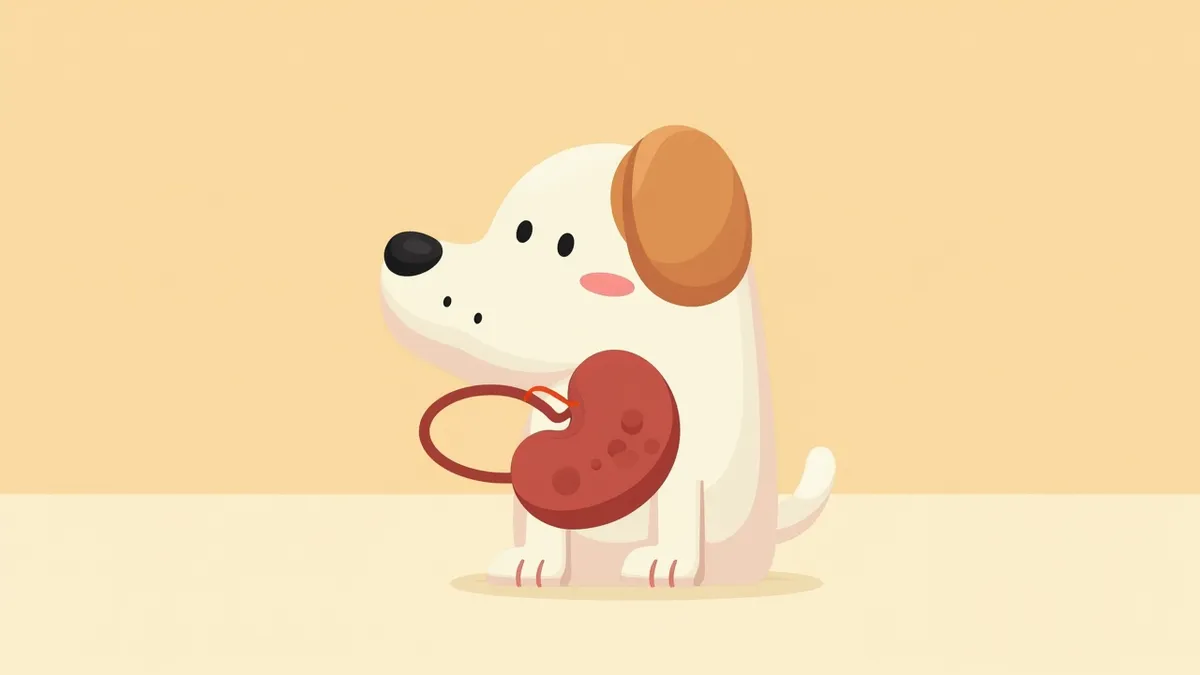
An anatomical image illustrating the relationship between a dog’s kidneys and high blood pressure
Canine hypertension and kidney disease are chronic conditions characterized by declining kidney function alongside elevated blood pressure. In the early stages, symptoms are often subtle, making it easy for pet owners to overlook them. However, as kidney function deteriorates, the body struggles to eliminate waste products, and high blood pressure can damage other vital organs, including the brain, heart, and eyes. Dogs over the age of seven are at higher risk, making regular veterinary check-ups essential. Early detection and management are key to slowing disease progression, so please carefully monitor your dog for any changes in daily behavior or health.

The Main Causes Are Aging, Genetics, and Chronic Diseases
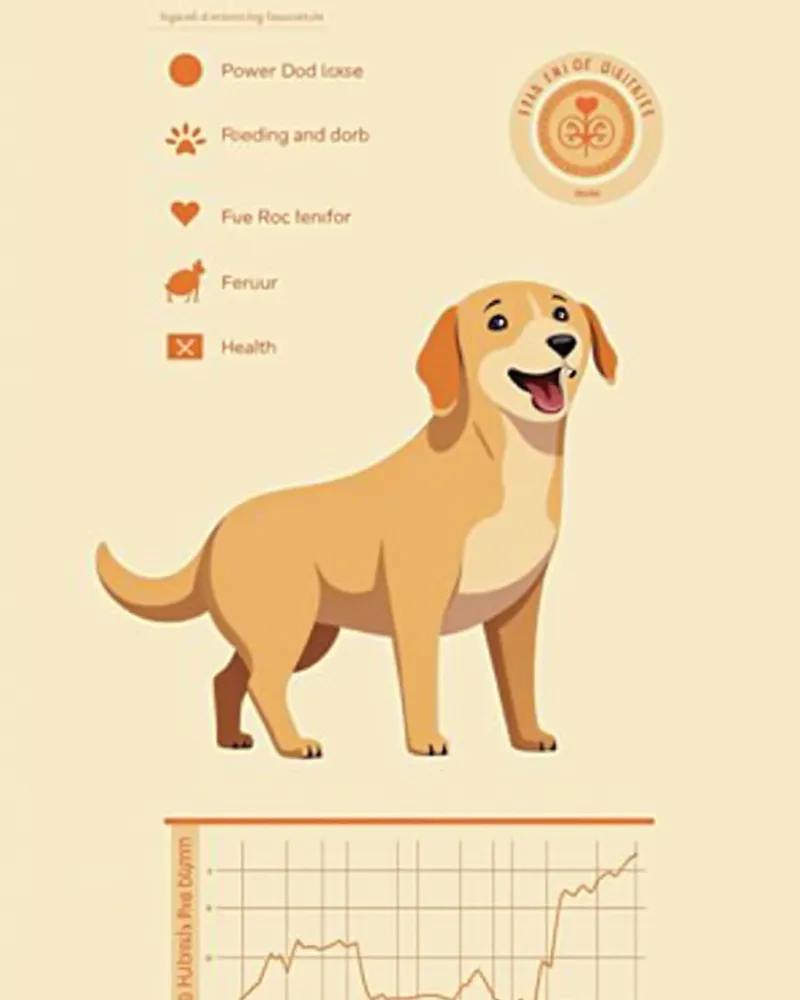
The primary causes of high blood pressure and kidney disease in dogs are age-related declines in kidney function. Hypertension is more commonly recognized in middle-aged and older dogs. In particular, chronic kidney disease is one of the most frequent causes of hypertension in dogs, with secondary hypertension accompanying a significant number of kidney disease cases. Endocrine disorders such as diabetes mellitus, hyperadrenocorticism, and thyroid disease can also contribute. Certain breeds have a predisposition to congenital kidney diseases, making them more vulnerable. Additionally, specific medications like glucocorticoids and NSAIDs, as well as high-salt diets, can elevate blood pressure. Early management plays a crucial role in slowing disease progression, making prevention and timely intervention essential.
A veterinarian reviewing the health records of a senior dog

Main Symptoms Include Frequent Urination, Decreased Appetite, and Lethargy

The early signs of high blood pressure and kidney disease in dogs can be very subtle. However, if the condition persists, the following symptoms may appear. It’s important for pet owners to observe their dogs closely.
Frequent urination: Both the frequency of bathroom trips and the volume of urine increase.
Excessive thirst: Drinking water more often and in larger amounts becomes noticeable.
Decreased appetite: The dog may refuse treats or food, or eat only small amounts.
Lethargy: The dog may spend the day sitting in one spot or show little interest in play.
Vomiting: Nausea may be accompanied by vomiting.
Weight loss: Muscle mass decreases, leading to visible weight loss.
Your dog drinking water frequently and needing to go to the bathroom often

Emergency Symptoms Requiring Immediate Veterinary Visit

If your dog suddenly experiences dizziness, blurred vision, or seizures, seek immediate veterinary care, as these symptoms may indicate brain damage caused by high blood pressure. Additionally, severe vomiting, diarrhea, or blood in the urine can signal a rapid decline in kidney function. In such cases, the veterinarian will promptly perform blood pressure measurements and blood tests.

Diagnosis Is Conducted Through Blood Tests, Urinalysis, and Blood Pressure Measurement
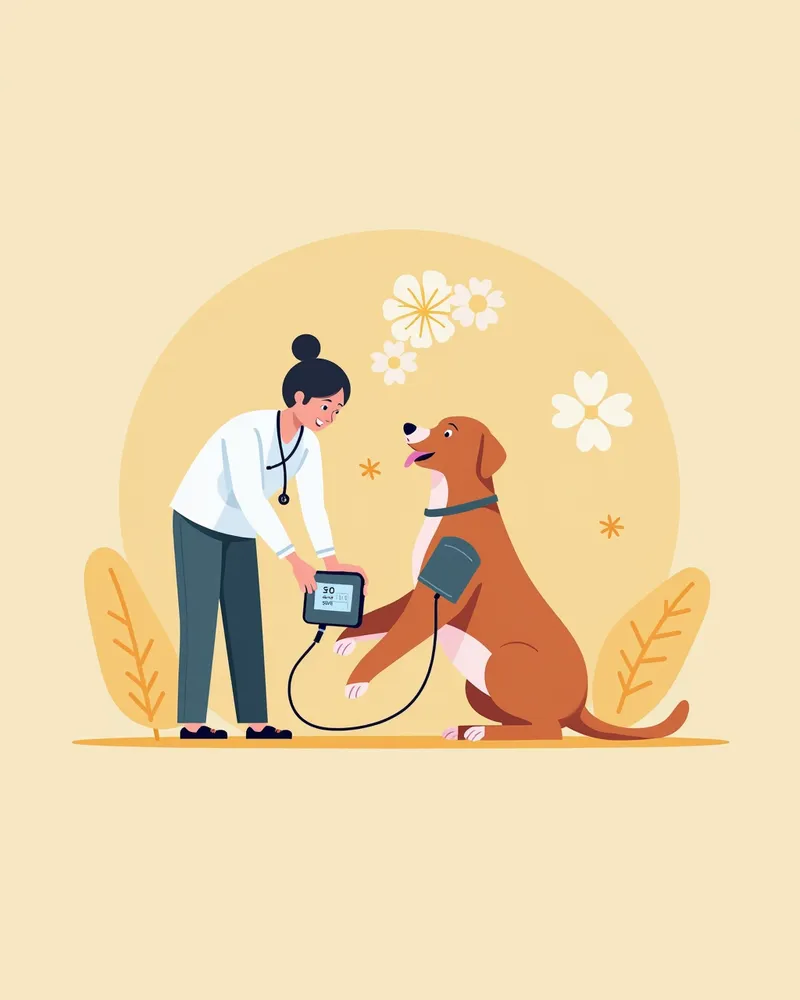
Diagnosing high blood pressure and kidney disease in dogs involves a combination of tests. - Blood tests: We check creatinine and BUN levels to assess kidney function. - Urinalysis: We look for protein in the urine and use the protein-to-creatinine ratio to determine the extent of damage. - Blood pressure measurement: We use specialized equipment to take repeated readings for accurate results. - Ultrasound: This helps us examine the size and structure of the kidneys. Multiple tests are performed together to ensure an accurate diagnosis.
A scene of a veterinarian measuring a puppy's blood pressure.

Treatment Consists of Medication, Dietary Management, and Regular Monitoring
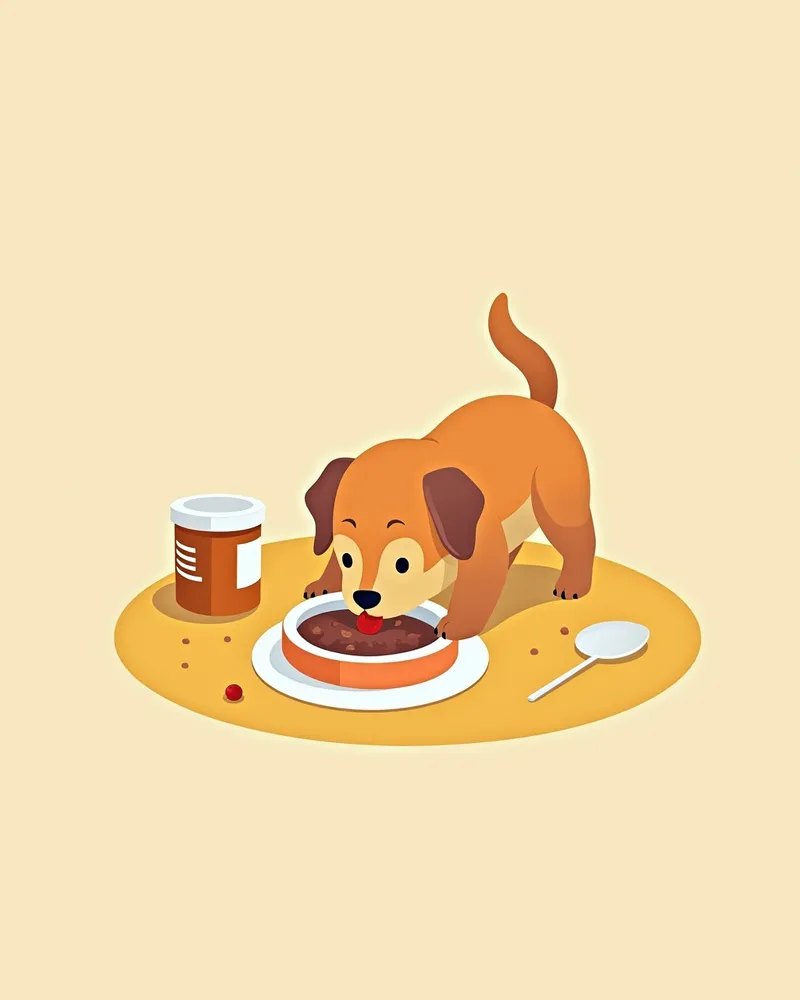
Treating high blood pressure and kidney disease in dogs requires a comprehensive approach. - Medication: Blood pressure is managed with drugs such as ACE inhibitors or calcium channel blockers like amlodipine. These are the most widely used medications for hypertension in dogs and cats. - Managing underlying conditions: It is just as important as medication to treat the underlying causes of high blood pressure, such as kidney disease or Cushing’s disease. - Dietary management: Avoid high-salt diets. However, since excessive sodium restriction has unclear benefits and may actually raise blood pressure, veterinary guidance is essential. - Regular monitoring: Treatment effectiveness is checked through blood tests and blood pressure measurements. Because chronic kidney disease cannot be cured, treatment must continue for life, and consistent management is key to maintaining long-term health.
A dog eating food that is good for kidney health.

Home Management Centers on Dietary Management and Regular Check-ups

Managing your dog’s high blood pressure and kidney disease at home relies on small daily habits that make a big difference. First, follow your veterinarian’s recommendation by switching to a specialized therapeutic diet. Always provide fresh, clean water in ample amounts. Keep a daily log of your dog’s weight, appetite, and elimination patterns. Additionally, schedule regular veterinary check-ups to monitor blood pressure and kidney function. Together, these steps help slow the progression of the disease.
A diary for recording your dog's meals and bowel movements.

Certain Breeds Are More Susceptible to Hypertension and Kidney Disease

Certain breeds, such as Beagles, Shar-Peis, Bull Terriers, Cairn Terriers, Shih Tzus, Lhasa Apsos, Golden Retrievers, and Soft-Coated Wheaten Terriers, have a genetic predisposition to kidney disease, placing them at higher risk for chronic kidney disease. This risk is especially significant in senior dogs. It is important to review breed-specific health information before adoption and to schedule regular veterinary check-ups. Early detection greatly improves the success rate of management and treatment.

Reviewed by a veterinarian

Dr. Tony — Punnawat Phongkittirak

Dr. Tony — Punnawat Phongkittirak

Veterinarian

A veterinarian who majored in veterinary medicine at Khon Kaen University, Thailand, and completed the IVSA program at North Carolina State University in the United States. Drawing on clinical experience at animal hospitals, he works in the pet healthcare field and is dedicated to building a digital care environment that connects pet parents with veterinarians.

Frequently Asked Questions

Why is high blood pressure dangerous in dogs?
High blood pressure can damage not only the kidneys but also the brain, heart, and eyes. In particular, it can lead to vision loss or bleeding due to retinal damage.
Can the condition improve with dietary management alone?
Dietary management is part of the treatment, but it must be combined with blood pressure medication and management of underlying conditions. It is difficult to expect sufficient effects on its own.
How often should regular check-ups be performed?
Regular blood tests and blood pressure measurements are recommended to consistently monitor kidney function and blood pressure. As the condition progresses, more frequent check-ups will be necessary, and the specific examination schedule should be determined in consultation with your veterinarian.
Can high blood pressure medication cause side effects?
Most dogs tolerate medication well. Since individual responses can vary, your veterinarian will monitor blood pressure to adjust the type and dosage of the medication as needed.
What should I do if my dog has no appetite?
Loss of appetite can be a sign that your pet’s condition is worsening. Please consult your veterinarian right away and consider using prescription diets or nutritional supplements.

Share

Related Guides

References

[1] Catherine E. Langston, DVM, DACVIM et al. (2023) Small Animal Critical Care Medicine, 3rd Edition. Elsevier.

[2] The Cat, Clinical Medicine and Management, 2nd Edition (2022) Chapter 35: Chronic Kidney Disease. Elsevier.

[3] Plumb's Veterinary Drug Handbook, 9th Edition (2021). Wiley-Blackwell.

This information is based on veterinary literature and does not replace diagnosis or treatment. Please consult a veterinarian for specific health concerns.

Metapet Co., Ltd. | CEO: Park Sung-yong | Business Reg. No. 417-88-02562 | Seoul, South Korea | Customer Center

Failing Kidneys Threaten Blood Pressure: Canine Hypertension | Meongsiljang