
If Your Dog Keeps Losing Hair — Causes and Treatment of Sex Hormone-Related Skin Conditions
Skin conditions linked to sex hormones in dogs are caused by hormonal imbalances, leading to hair loss and redness of the skin. These conditions are most commonly seen in intact dogs, making accurate diagnosis and proper management essential.
What Are Sex Hormone-Related Skin Conditions in Dogs?
What Are the Causes?
What Are the Main Symptoms?
When to Visit the Vet Immediately
If the skin becomes severely red, oozes pus, or emits an odor, it likely indicates an infection. In such cases, please consult your veterinarian immediately. If the infection progresses, treatment may become more difficult, and hair may not regrow.
How Is an Accurate Diagnosis Made?
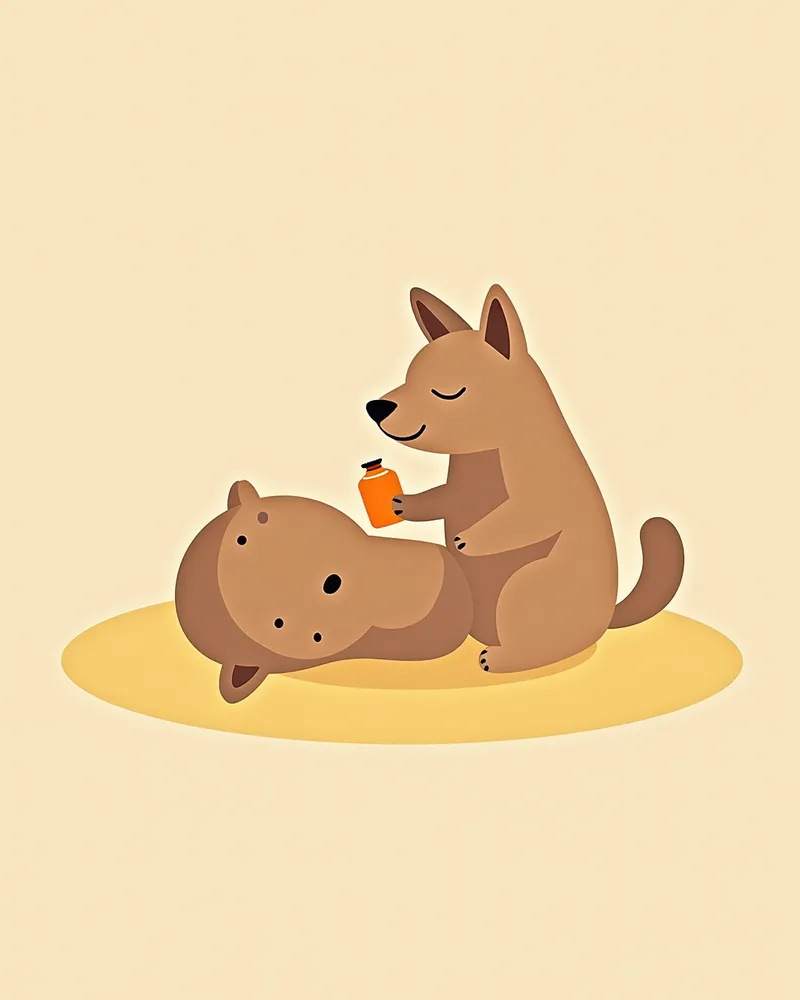
What Are the Treatment Options?

Home Care Tips

Breed-Specific Considerations and Prevention of Recurrence
Skin conditions related to sex hormones can occur in any breed when caused by hormone-secreting tumors or exposure to external hormones. Since the timing of neutering and the appropriate care approach vary depending on each individual case, please consult with your veterinarian to determine the best plan. Regular health check-ups are also necessary after surgery to help prevent recurrence.
Reviewed by a veterinarian

Dr. Tony — Punnawat Phongkittirak
VeterinarianA veterinarian who majored in veterinary medicine at Khon Kaen University, Thailand, and completed the IVSA program at North Carolina State University in the United States. Drawing on clinical experience at animal hospitals, he works in the pet healthcare field and is dedicated to building a digital care environment that connects pet parents with veterinarians.
Reviewed 2026-06-02
Frequently Asked Questions
Can it be treated even if the pet isn’t spayed or neutered?
Are hormonal disorders contagious to other dogs?
Will the fur grow back after surgery?
Are sex hormone disorders linked to cancer?
Is neutering surgery painful?
Share
Related Guides
Top 5 Prescription Dog Foods for Diabetes Recommended by Veterinarians — Blood Sugar-Stabilizing Food Comparison
7 Key Products for Managing Feline Hypercalcemia Recommended by Veterinarians and Selection Criteria
7 Key Points for Canine Thyroid T4 Testing by Veterinarians — From Timing to Result Interpretation
Cat Ticks: A Complete Guide to Prevention, Removal, Symptoms, Causes, Diagnosis, Treatment, and Care
Complete Guide to Parasite Management in Pregnant and Nursing Cats: Symptoms, Causes, Diagnosis, Treatment, and Key Care Points
Feline Oral Preventives (Isoxazoline Class): Symptoms, Causes, Diagnosis, Treatment, and Management Essentials
Complete Guide to Kitten Deworming: Timing, Symptoms, Causes, Diagnosis, Treatment, and Management

Feline Internal Parasites: Comprehensive Guide to Symptom Differentiation, Causes, Diagnosis, Treatment, and Management

Feline Dermatophytosis (Ringworm): A Complete Guide to Differential Symptoms, Causes, Diagnosis, Treatment, and Management

Feline Cryptosporidiosis: Symptoms, Causes, Diagnosis, Treatment, and Management Essentials
References
[1] Frank LA. Comparative dermatology — canine endocrine dermatoses. Clin Dermatol 2006;24(4):317-25.
[2] Miller WH, Griffin CE and Campbell KL (2013) Sterile granuloma/pyogranuloma syndrome. In: Muller & Kirk’s Small Animal Dermatology, 7th edn. Elsevier, St. Louis.
[3] BSAVA Manual of Canine and Feline Dermatology, 4th Ed. Laffort-Dassot C, Beco L and CGarlotti D (2002). Veterinary Dermatology 13, 253-25.