Like
Share
멍실장
고양이 폐동맥 고혈압 증상과 원인, 진단·치료와 관리 포인트 총정리

When Your Cat Suddenly Has Trouble Breathing — Warning Signs of Pulmonary Arterial Hypertension and When to Visit the Vet

HeartDiseasesMeongsiljang Veterinary Advisory Board

Feline pulmonary arterial hypertension is a condition in which pressure in the pulmonary arteries remains persistently elevated, increasing the workload on the heart, so early detection is crucial. The underlying causes can vary, including lung disease, cardiac abnormalities, and vascular disorders.

What Is Feline Pulmonary Arterial Hypertension?
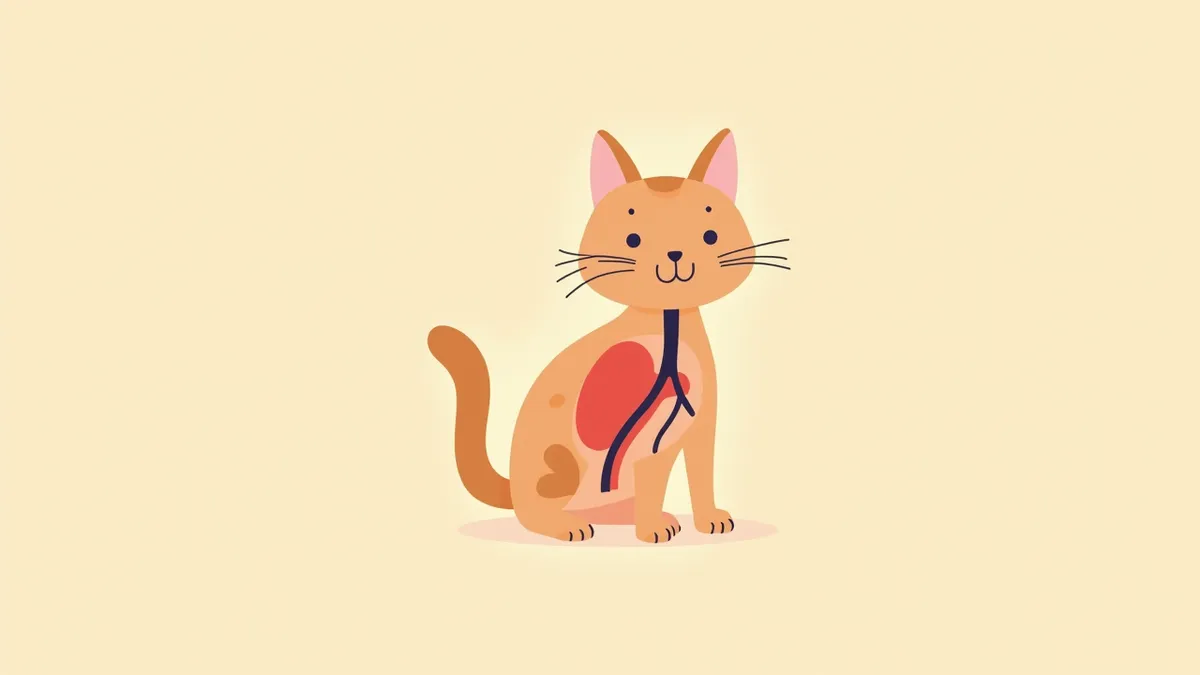
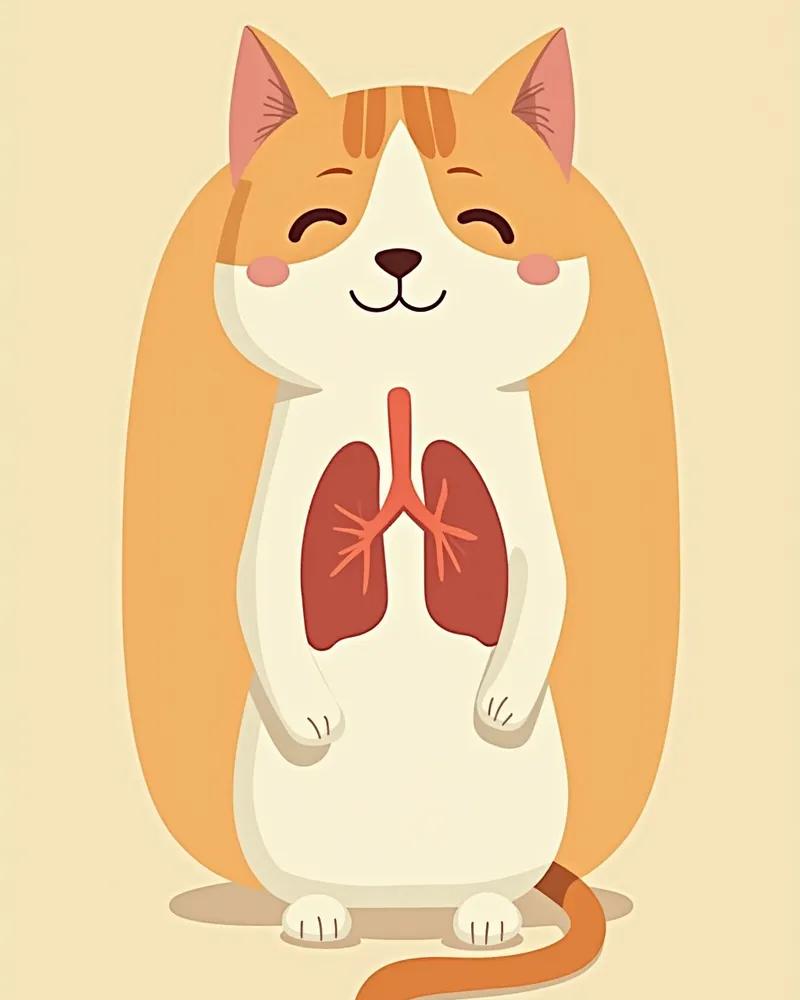
Anatomical structures involved in feline pulmonary arterial hypertension
Feline pulmonary arterial hypertension is a condition in which blood pressure within the pulmonary arteries remains persistently elevated, placing excessive strain on the right side of the heart. - Pulmonary arterial hypertension: When the pulmonary blood vessels narrow or stiffen, more force is required to draw blood through them, compelling the heart to pump harder. - Increased cardiac burden: If this state persists over time, the heart muscle thickens and its function declines, potentially leading to heart failure. - Importance of early detection: Because early stages often present with few or no symptoms, making them easy to overlook, regular veterinary check-ups are essential. - Chronic progressive disease: Treatment focuses on managing symptoms and slowing disease progression rather than achieving a cure. - Increased vascular resistance: Damage or inflammation in the pulmonary blood vessels can cause a rapid rise in blood pressure.

What Are the Main Causes?

The causes of feline pulmonary arterial hypertension are varied, but left-sided congestive heart failure (left heart failure) is cited as the cause in nearly all cases in cats. - Left-sided heart disease: Feline pulmonary arterial hypertension is most often caused by left-sided heart failure, which leads to an increase in pulmonary venous pressure. - Chronic lung disease and hypoxemia: Chronic respiratory conditions such as pulmonary fibrosis, or oxygen deficiency, can cause pulmonary blood vessels to constrict, increasing vascular resistance. - Congenital heart defects: Significant left-to-right shunts, such as patent ductus arteriosus (PDA) or ventricular septal defect, can increase pulmonary blood flow and contribute to the condition. - Thromboembolic disease: If a blood clot blocks the pulmonary vessels, it can increase pulmonary vascular resistance and raise blood pressure. - Multifactorial causes: In some cases, the disease progresses through the combined action of multiple mechanisms.
Chest X-ray showing the causes of feline pulmonary arterial hypertension

Main Symptoms and Signs

Feline pulmonary arterial hypertension often shows few or no symptoms in its early stages. As the condition progresses, cats may experience difficulty breathing, coughing, reduced activity levels, and bluish discoloration of the lips or oral mucosa. In severe cases, they can go into shock or collapse suddenly. A sign that owners frequently overlook is increased respiratory effort compared to their cat’s normal baseline.
Difficulty breathing: Rapid or panting breathing that occurs repeatedly.
Coughing: Pressure on the lungs can trigger coughing.
Reduced activity: The cat moves less than usual and changes position less often.
Blue-tinged lips: Insufficient oxygen supply causes the lips or tongue to turn blue.
Sudden shock: A rapid decline in heart function can lead to collapse.
Key clinical signs of feline pulmonary arterial hypertension

Situations Requiring Immediate Veterinary Visit

If your cat suddenly starts breathing heavily or collapses, you should take them to the vet immediately. This could indicate that their pulmonary hypertension has worsened to a severe stage, which can be life-threatening. A sudden drop in oxygen supply can lead to brain damage or cardiac arrest.

Accurate Diagnostic Methods

Diagnosing feline pulmonary arterial hypertension requires a combination of tests for accuracy. - Echocardiography (Cardiac Ultrasound): This minimally invasive core test indirectly estimates blood flow velocity and pressure in the pulmonary artery. - Right Heart Catheterization: As the gold standard for diagnosis, this procedure directly measures pulmonary artery pressure and is performed in cases of certain congenital heart diseases. - Thoracic Radiography (X-ray): This helps identify pulmonary vascular dilation or changes in heart size. - Electrocardiogram (ECG): This records the heart's electrical activity to provide supplementary assessment of changes such as right heart strain. - Comprehensive Evaluation Required: Diagnosis is difficult with a single test; results from multiple examinations must be interpreted together.
Echocardiography for Diagnosing Feline Pulmonary Arterial Hypertension

Treatment Methods and Step-by-Step Management

Treatment varies depending on the underlying cause and severity, with the focus placed on managing symptoms and slowing disease progression rather than achieving a complete cure. Pulmonary vasodilators are used to widen the pulmonary blood vessels and lower pressure, while diuretics can help if right-sided heart failure and venous congestion are present. Positive inotropes (cardiotonic agents) may be used to support the heart’s pumping function, and oxygen therapy is considered in cases of severe respiratory distress. Treatment is ongoing, and regular check-ups are essential to monitor the condition.
Oxygen therapy: Oxygen supplementation is necessary in cases of severe breathing difficulty.
Pulmonary vasodilators: Help reduce pressure in the pulmonary arteries.
Diuretics: Used to improve symptoms when right-sided heart failure and congestion are present.
Positive inotropes: Can be used to support the heart’s pumping function.
Treating the underlying cause: Any underlying left-sided heart disease or lung conditions must be managed concurrently.
Scene of oxygen therapy during treatment for feline pulmonary hypertension

Management Points at Home

Feline pulmonary hypertension requires long-term management. It is essential to minimize stress, regulate physical activity, and strictly adhere to prescribed medication schedules. The environment should be quiet and stable, avoiding sudden noises or movements. Additionally, weight management and regular veterinary check-ups are crucial.
Stress Reduction: Maintaining a quiet environment is essential.
Activity Regulation: Excessive running is prohibited; only calm play is permitted.
Medication Management: Medications must be administered at the correct times and dosages.
Weight Management: Obesity increases the burden on the heart.
Creating a Stable Home Environment for Managing Feline Pulmonary Arterial Hypertension

Preventing Recurrence and Breed Precautions

Feline pulmonary arterial hypertension is mostly a chronic, progressive condition, so consistent management is essential. Cats with underlying heart disease, such as left-sided heart failure, or chronic lung diseases require particular attention. It’s important to maintain regular veterinary check-ups and adhere to prescribed medications. If symptoms worsen, consult your veterinarian immediately.

Reviewed by a veterinarian

Dr. Tony — Punnawat Phongkittirak

Dr. Tony — Punnawat Phongkittirak

Veterinarian

A veterinarian who majored in veterinary medicine at Khon Kaen University, Thailand, and completed the IVSA program at North Carolina State University in the United States. Drawing on clinical experience at animal hospitals, he works in the pet healthcare field and is dedicated to building a digital care environment that connects pet parents with veterinarians.

Frequently Asked Questions

Is feline pulmonary hypertension treatable?
Treatment is possible depending on the underlying cause. Managing lung diseases or heart conditions can help improve symptoms. However, since a complete cure may be difficult, long-term management is necessary.
Is this condition common in cats?
This condition is relatively uncommon in cats. Feline pulmonary arterial hypertension is almost always caused by left-sided congestive heart failure, so extra vigilance is needed for cats with heart disease or those who are older.
When is oxygen therapy necessary?
If your pet is experiencing severe difficulty breathing or has low oxygen saturation, oxygen therapy will be necessary. Depending on the veterinarian's assessment, this treatment can be administered either at the clinic or at home.
Can I stop giving the medication?
Absolutely not. Stopping the medication can cause symptoms to worsen rapidly. Please continue giving it as directed by your veterinarian.
Is prevention possible?
Early management of chronic lung disease or heart conditions can help prevent complications. Regular check-ups and healthy lifestyle habits are key.

Step-by-Step Symptoms and Responses for Feline Pulmonary Arterial Hypertension

ItemKey SymptomsResponse MethodNeed for a Vet Visit
MildSlightly rapid breathing, decreased activityReduce stress, maintain a quiet environmentRegular checkups, continue medication
ModerateCoughing, bluish lips, pantingProvide oxygen, start cardiac medicationImmediate vet visit recommended
SevereSudden shock, collapse, respiratory arrestEmergency oxygen therapy, intravenous medicationImmediate emergency room visit essential

If symptoms worsen, consult a veterinarian immediately. Early intervention raises the survival rate.

Share

Related Guides

References

[1] Beate Egner et al. (2023) The Cat, Clinical Medicine and Management, 2nd Edition. Elsevier.

[2] Taylor SS et al. (2017) ISFM consensus guidelines on the diagnosis and management of hypertension in cats. Journal of Feline Medicine and Surgery.

[3] Brown SA, Henik RA. (1998) Diagnosis and treatment of systemic hypertension in cats. Veterinary Clinics of North America: Small Animal Practice.

This information is based on veterinary literature and does not replace diagnosis or treatment. Please consult a veterinarian for specific health concerns.

Metapet Co., Ltd. | CEO: Park Sung-yong | Business Reg. No. 417-88-02562 | Seoul, South Korea | Customer Center

Feline Pulmonary Arterial Hypertension: Warning Signs | Meongsiljang