Like
Share
멍실장
고양이 수면 중 호흡수 심장 모니터링 증상과 원인, 진단·치료와 관리 포인트 총정리

Comprehensive Guide to Monitoring Cat Respiratory and Heart Rates During Sleep: Symptoms, Causes, Diagnosis, Treatment, and Management

HeartDiseasesMeongsiljang Veterinary Advisory Board

Regularly monitoring your cat’s breathing rate and heart rate while they sleep is an important way to detect heart disease early. I’ll share some signs that you can easily check at home.

What Is Monitoring Cat Respiratory and Heart Rates During Sleep?
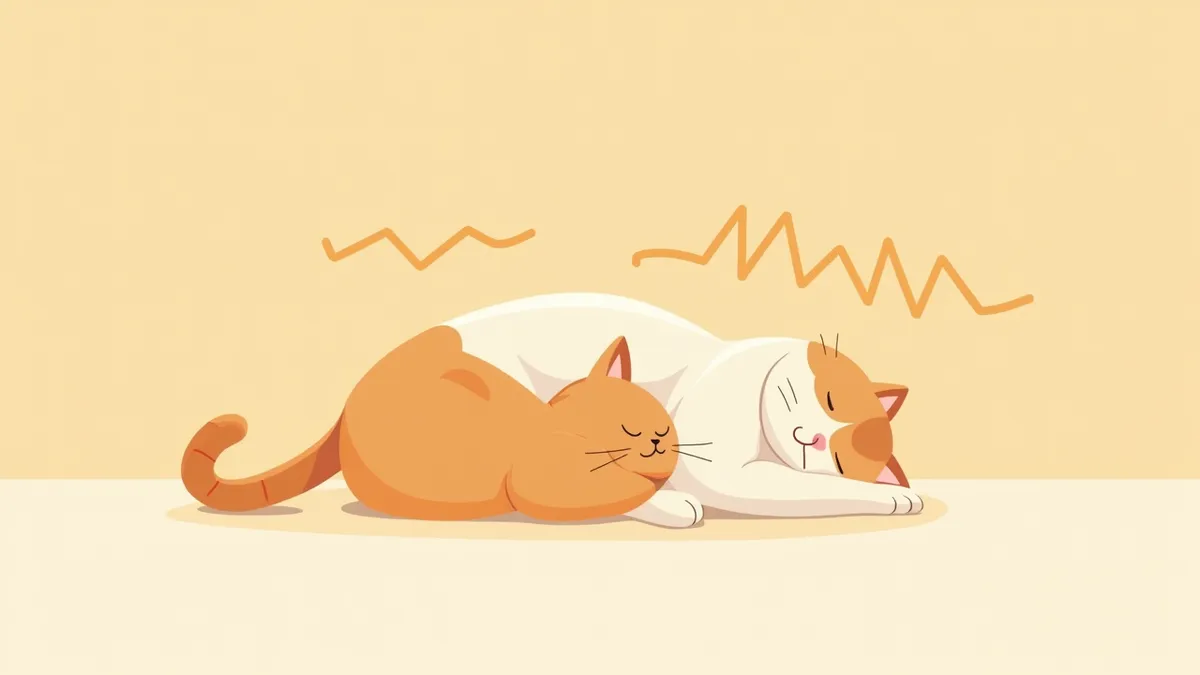
A guardian's hand detecting a cat's heartbeat while the cat lies on its side
Regularly checking your cat’s respiratory rate and heart rate while they are resting or sleeping is a helpful habit for maintaining heart health. Veterinary textbooks even recommend that owners monitor their cat’s resting respiratory rate at home, avoiding the stress of a clinic visit. This is a simple practice you can easily incorporate into your daily routine. - Monitoring resting respiratory rate: If your cat’s breathing rate is consistently faster than their normal baseline, it may indicate potential heart or lung issues, so close attention is needed. - Changes in heart rate: If the heart rate increases or becomes irregular even during rest, early evaluation is important. - Regular monitoring: Consistently recording these metrics as part of your daily routine is effective. - The importance of early detection: This helps identify changes before obvious symptoms appear. This single habit can play a significant role in preserving your cat’s quality of life.

What Are the Main Causes of This Behavior?
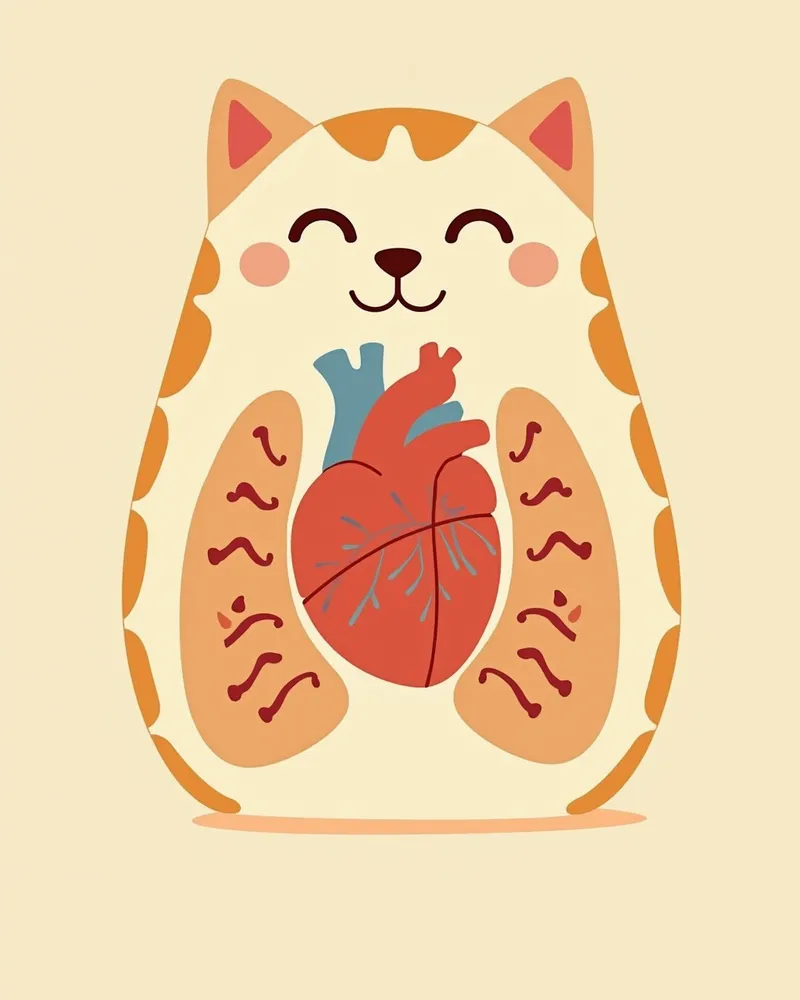
A cat’s respiratory and heart rates may increase during rest or sleep for several reasons. - Cardiomyopathy (heart muscle disease): Conditions such as hypertrophic and restrictive cardiomyopathy are among the most common heart diseases in cats and can impair cardiac function. - Secondary cardiomyopathy due to systemic disease: High blood pressure and hyperthyroidism can place additional strain on the heart. - Lung and lower airway diseases: Respiratory issues like feline asthma and pneumonia can compromise oxygen supply. - Pleural effusion and pulmonary edema: Fluid accumulation in the chest cavity or lungs can make breathing difficult. - Preceding events such as stress, anesthesia, or trauma: Emotional or physical stimuli can affect breathing and heart rate. Early detection and management of these causes are essential.
An anatomical diagram of a cat’s heart and lungs, showing blood flow and respiratory pathways

What Are the Key Symptoms and Signs?

If your cat’s breathing rate remains faster than usual while resting or sleeping, it warrants attention. This could be an early sign of declining heart function or congestive heart failure. Here are some signs that owners can relatively easily check at home.
Increased breathing rate at rest: If your cat's breathing rate is consistently faster than normal, it may be a warning sign.
Rapid heartbeat (tachycardia): A heart rate exceeding 200 beats per minute while at rest may indicate a problem.
Shortness of breath or difficulty breathing: Unlike dogs, cats rarely cough, and heart issues often manifest as breathing difficulties.
Bluish tint to lips, gums, or paw pads (cyanosis): This is a serious sign indicating insufficient oxygen supply.
Lethargy or reduced movement: Your cat may appear generally weak and reluctant to move, often staying in the same position.
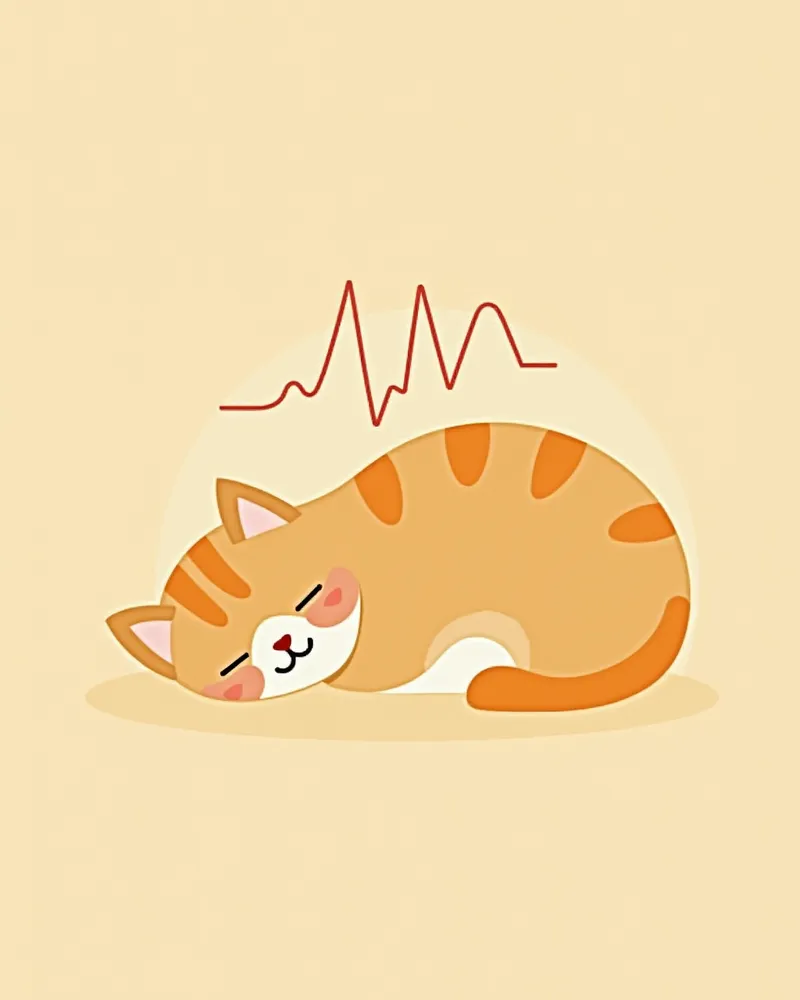
A gentle line indicating a cat’s chest movements and heartbeat during sleep

Situations Requiring Immediate Veterinary Visit

If your cat’s breathing rate is noticeably faster than usual even while resting, and if their lips and gums appear bluish (cyanosis) or they are panting or struggling to breathe, you should take them to the vet immediately. These could be signs of congestive heart failure or acute respiratory distress.

Comparing Methods for Monitoring Heart Health
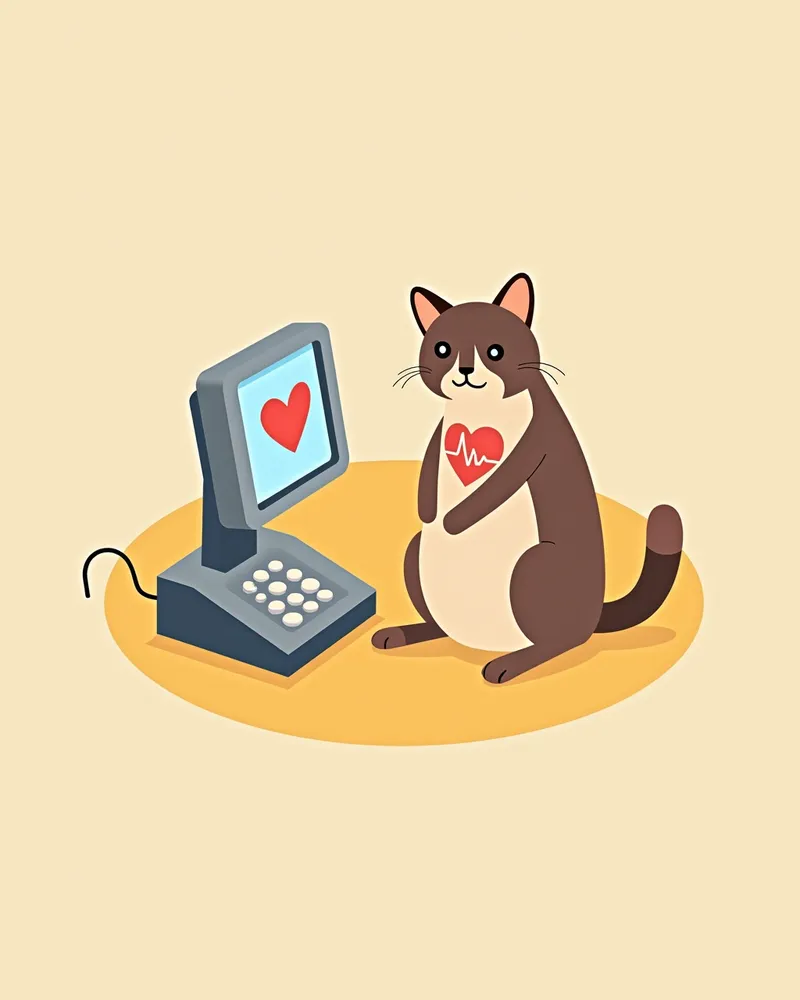
Your veterinarian performs several tests to check your cat's respiratory rate and heartbeat during sleep. Here are the procedures needed for an accurate diagnosis.
Echocardiogram (Heart Ultrasound): Precisely evaluates the structure and function of the heart.
Chest X-ray: Checks the size of the lungs and heart, as well as the condition of the blood vessels.
Electrocardiogram (ECG): Detects any abnormalities in heart rhythm.
Blood Test: Checks cardiac function markers and electrolyte levels.
Oxygen Saturation Measurement: Measures blood oxygen concentration in real time.
수의사가 고양이의 흉부에 초음파 장비를 사용하는 모습

Comparison of Heart Health Monitoring Methods

ItemAccuracyCostDifficulty of Practice
Manual measurement at homeMediumInexpensiveVery easy
Home heart rate monitorHighMediumEasy
Examination at the veterinary clinicVery highHighModerate

Regular measurement at home is the key to early detection. Accuracy is highest with a veterinary exam.

Treatment Methods and Step-by-Step Management

Treatment for abnormal respiratory and heart rates in cats depends on the underlying cause and disease stage. I’ll walk you through the medications and management steps your veterinarian may recommend.
Medication: Diuretics to reduce fluid buildup and ACE inhibitors form the foundation of therapy. Clopidogrel may be used to prevent blood clots, while beta-blockers or calcium channel blockers are prescribed as needed to control heart rate and arrhythmias.
Diet and Weight Management: Work with your veterinarian to choose a heart-friendly diet and maintain a healthy weight.
Activity Management: Avoid overstimulation and provide a calm, comfortable environment.
Home Monitoring: Regularly record your cat’s resting respiratory rate at home to track any changes.
Regular Follow-ups: Attend scheduled rechecks as directed by your veterinarian, which may include physical exams, chest X-rays, blood pressure measurements, and kidney function tests.
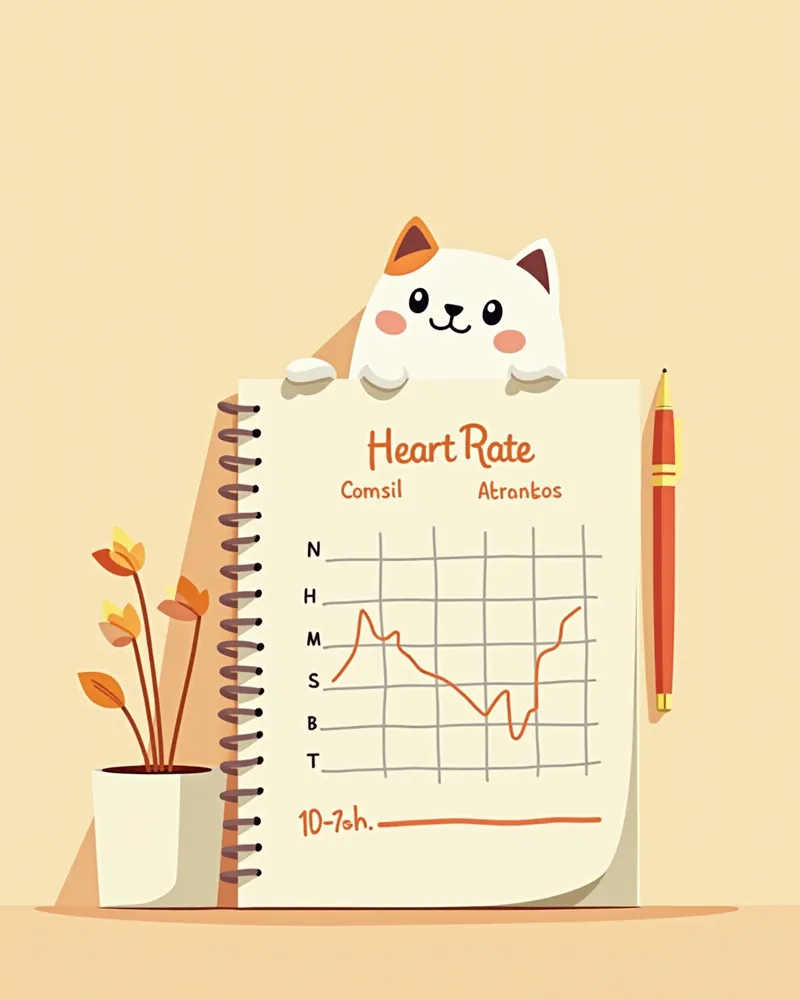
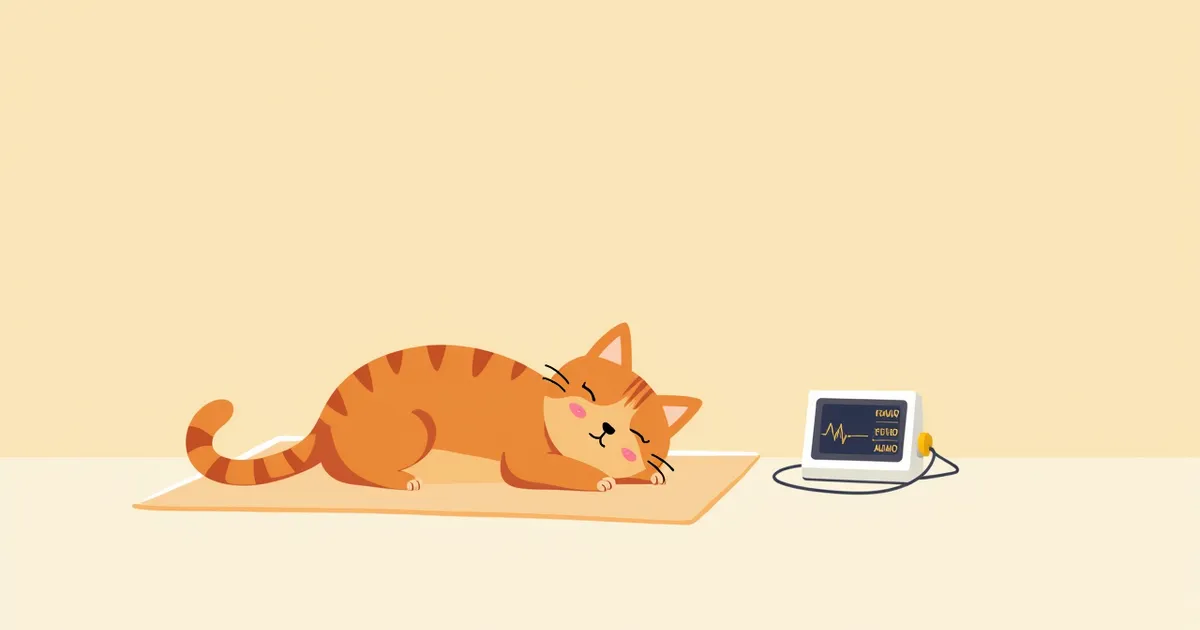
A cat resting comfortably on its bed, with a notebook recording its respiratory rate and heart rate nearby.

Daily Management Tips at Home

Here are some practical tips for continuously monitoring your cat’s respiratory and heart rates during sleep. I’ve organized them to make it easy for you to implement.
Daily Regular Measurements: Measure your cat’s breathing and heart rate for one minute while they are asleep, both in the morning and evening.
Keep a Log: Record the data in a simple notebook or app. This helps you identify trends over time.
Maintain a Calm Environment: Minimize noise, light, and interference from other animals.
Eliminate Stressors: Ensure your cat has access to a comfortable, secure space.
Manage Meals: Avoid overfeeding and maintain consistent meal times.
A simple notebook and pen for recording your cat’s daily respiratory rate and heart rate.

Breed-Specific Precautions and Prevention of Recurrence

Certain breeds, such as Maine Coons and Ragdolls, are known to be genetically more susceptible to heart conditions like hypertrophic cardiomyopathy. Regular check-ups are especially important for pets with a family history or breed predisposition. If myocardial (ventricular) hypertrophy is present, close monitoring is essential, and adhering to prescribed medications and maintaining a healthy lifestyle are crucial to prevent recurrence or worsening of the condition.

Reviewed by a veterinarian

Dr. Tony — Punnawat Phongkittirak

Dr. Tony — Punnawat Phongkittirak

Veterinarian

A veterinarian who majored in veterinary medicine at Khon Kaen University, Thailand, and completed the IVSA program at North Carolina State University in the United States. Drawing on clinical experience at animal hospitals, he works in the pet healthcare field and is dedicated to building a digital care environment that connects pet parents with veterinarians.

Frequently Asked Questions

What is a cat’s normal resting respiratory rate?
Normal ranges vary from cat to cat, so knowing your cat’s typical resting respiratory rate is more important than focusing on absolute numbers. If your cat’s breathing rate is consistently faster than usual while resting or sleeping, it could be a warning sign—please consult your veterinarian.
How do you measure your pet’s heart rate?
Gently cup your cat’s lower chest (behind the left front leg) with your hand and count the beats for one minute. If the heart rate remains above 200 beats per minute even at rest, it may indicate tachycardia.
What should I do if the results measured at home are abnormal?
If you notice any ongoing issues, please consult your veterinarian. Early detection can greatly assist in managing the condition.
Can obesity affect the heart?
Obesity can strain overall health and the heart, so maintaining an appropriate weight is beneficial. However, it’s also helpful to know that the primary cause of feline heart disease is cardiomyopathy, such as hypertrophic or restrictive cardiomyopathy.
What causes a faster breathing rate during sleep?
Causes can include cardiomyopathy, lower respiratory tract diseases, pleural effusion or pulmonary edema, and stress or preceding events such as anesthesia or trauma. To determine the exact cause, diagnostic tests like an echocardiogram are necessary.

Share

Related Guides

References

[1] Textbook of Cardiovascular Medicine in Dogs and Cats, 2023, Chapter 8: Home Monitoring and Owner Assessment

[2] Advanced Monitoring for Small Animal Emergency and Critical Care, 2nd Ed, 2021, Section on Resting Respiratory Rate in Cats

[3] American Association of Feline Practitioners (AAFP) Guidelines on Cardiovascular Health in Cats, 2022

This information is based on veterinary literature and does not replace diagnosis or treatment. Please consult a veterinarian for specific health concerns.

Metapet Co., Ltd. | CEO: Park Sung-yong | Business Reg. No. 417-88-02562 | Seoul, South Korea | Customer Center

Monitoring Your Cat's Sleeping Breathing & Heart Rate | Meongsiljang