Like
Share
멍실장
고양이 타우린 결핍 심근병증 증상과 원인, 진단·치료와 관리 포인트 총정리

Is My Cat’s Food Okay? — Warning Signs of Taurine-Deficient Cardiomyopathy and Dietary Management

HeartDiseasesMeongsiljang Veterinary Advisory Board

Feline taurine-deficient cardiomyopathy is a condition in which the heart muscle weakens due to insufficient taurine, making early detection and supplementation crucial.

What Is Feline Taurine-Deficient Cardiomyopathy?
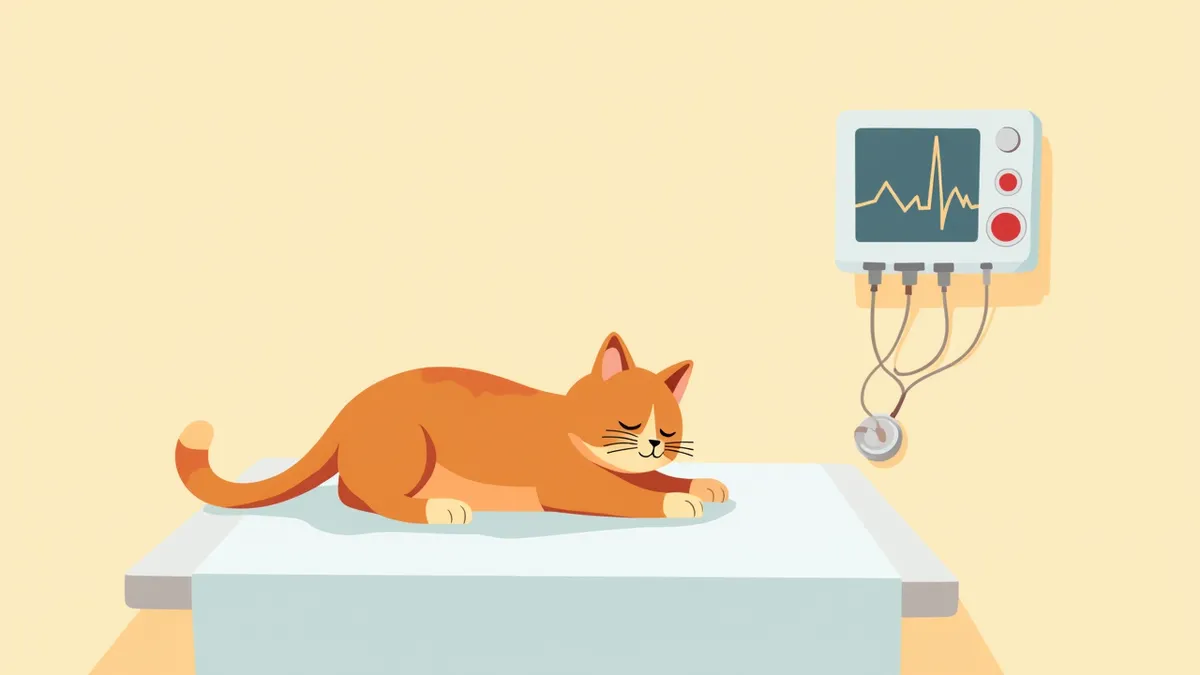
A cat showing abnormal signals on the heart monitor
Feline taurine-deficient cardiomyopathy is a heart condition in which the heart muscle weakens and enlarges due to a deficiency of taurine, an essential amino acid. - Taurine: An amino acid vital for maintaining heart function in cats. Without adequate dietary intake, the heart's contractility declines, leading to impaired blood circulation. - Cardiomyopathy: A condition where the heart muscle weakens and cannot contract properly. Early detection is crucial. - Feline Specifics: Cats cannot synthesize taurine on their own, making dietary intake essential. - Consequences of Deficiency: Reduced heart function can lead to difficulty breathing, fatigue, and heart failure. These symptoms can be life-threatening, so early management is necessary.

What Are the Main Causes?

The primary cause of taurine-deficient cardiomyopathy in cats is long-term consumption of a diet lacking in taurine. - Incorrect food selection: Dog food or non-cat-specific diets often have low taurine levels, which can lead to deficiency. - Digestive and absorption issues: Some cats may develop a deficiency because digestive disorders prevent proper taurine absorption. - Nutritional imbalance: Deficiencies in B vitamins or zinc can also impact taurine metabolism. - Long-term exposure: Unlike short-term shortages, prolonged taurine deficiency gradually worsens heart function. - Prevention is key: The most important preventive measure is choosing cat-specific food that provides adequate taurine.
Cat food with low taurine content

Main Symptoms and Signs

The primary cause of taurine-deficient cardiomyopathy in cats is the long-term consumption of diets lacking in taurine. - Incorrect food selection: Dog food, non-cat-specific diets, or improperly formulated vegetarian foods may have low taurine levels, leading to deficiency. - Dietary composition: Diets high in lamb and rice, or those low in protein and high in fiber, can reduce taurine bioavailability and impair digestion and absorption, increasing the risk of deficiency. - Prolonged intake: When taurine deficiency persists over a long period rather than a short time, heart function gradually deteriorates. - Essential amino acid status: Taurine is an essential amino acid that cats cannot synthesize in sufficient quantities on their own, so it must be provided through their diet. - Importance of prevention: Choosing cat-specific food with adequate taurine levels is the most important preventive measure.
Cats experiencing difficulty breathing

Symptoms Requiring Immediate Veterinary Visit

If your cat is panting, its mouth turns bluish, or it suddenly collapses, these are signs of a rapid decline in heart function. This can be life-threatening, so you should consult a veterinarian immediately and seek veterinary care.

Accurate Diagnostic Methods
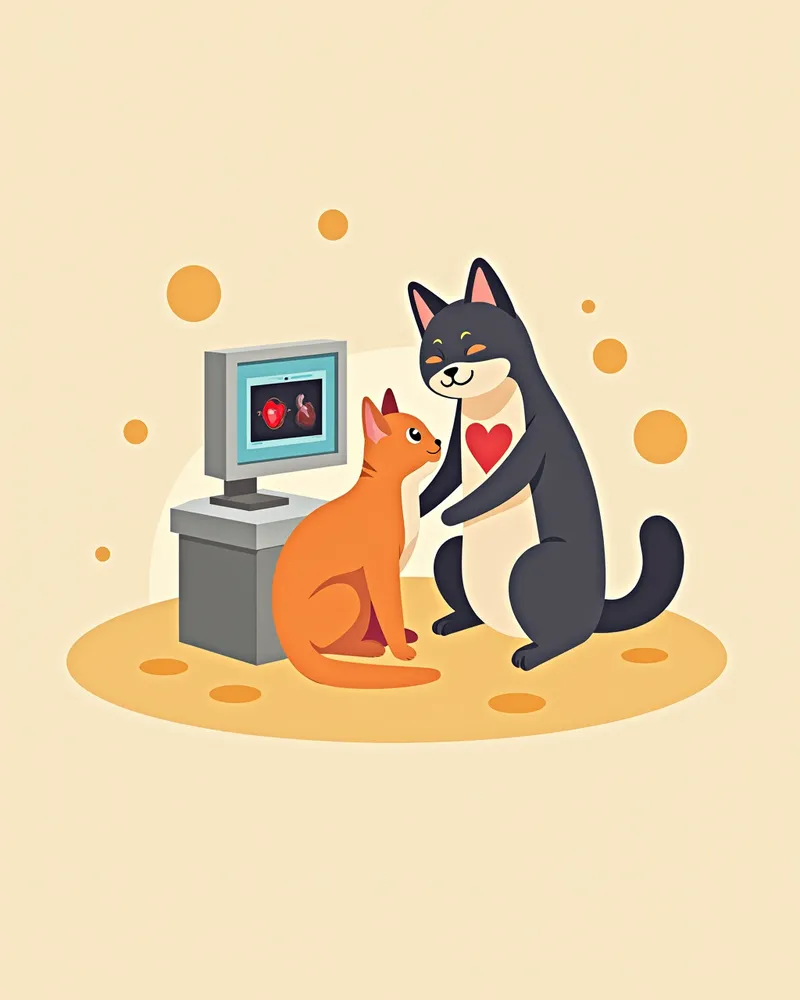
Taurine-deficient cardiomyopathy in cats is accurately diagnosed through a variety of tests. - Echocardiography (Cardiac Ultrasound): This is the key test for precisely evaluating heart size, contractility, and blood flow. - Blood Tests: These measure taurine levels to confirm whether a deficiency is present. - Electrocardiogram (ECG): This helps detect abnormal heart rhythms or arrhythmias. - Cardiac Function Assessment: This involves synthesizing results from multiple tests to determine the extent of heart function decline. - Importance of Early Diagnosis: Early detection through testing, even before symptoms appear, significantly improves treatment outcomes.
A veterinarian performing an echocardiogram on a cat

Treatment Methods and Step-by-Step Management
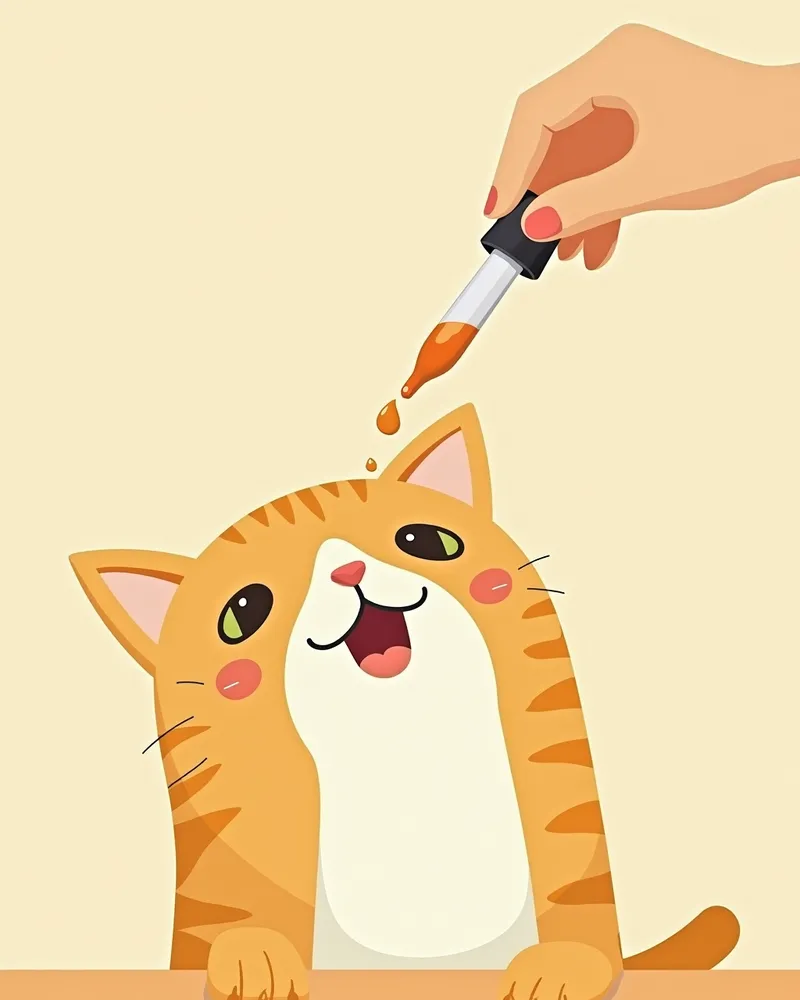
The cornerstone of treatment is consistent administration of taurine supplements. - Taurine supplementation: Administer according to the dosage and duration prescribed by your veterinarian to promote recovery of heart function. - Heart failure management: If symptoms of heart failure are present, diuretics or other cardiac medications may also be prescribed. - Regular check-ups: Monitor your pet’s condition periodically with echocardiograms and blood tests during treatment. - Lifestyle adjustments: Reduce stress and encourage regular sleep and exercise to lessen the burden on the heart. - Dietary management: Switch to a cat-specific diet that contains adequate levels of taurine. - Long-term care: Ongoing management is necessary even after treatment to prevent recurrence.
A cat taking a taurine supplement

Home Care Points

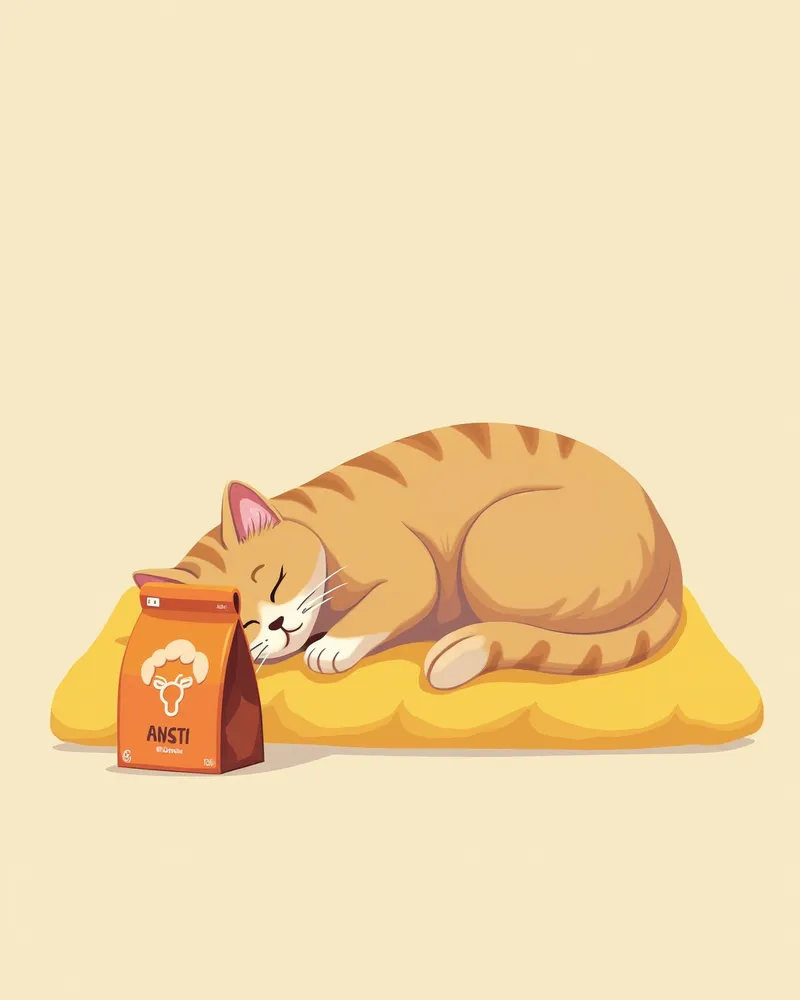
Home care is key to successful treatment for cats with taurine-deficient cardiomyopathy. - Diet selection: Always choose cat-specific food that is high in taurine. - Supplement administration: Give supplements at the correct dose and time as directed by your veterinarian. - Environmental stability: Maintain a quiet environment and a consistent routine to minimize stress. - Activity management: Avoid excessive exercise and encourage moderate activity to reduce strain on the heart. - Regular check-ups: It is important to have regular veterinary check-ups after consulting with your vet. - Owner vigilance: Closely monitor your cat’s daily behavior for any changes, and visit the clinic immediately if you notice any abnormal signs.
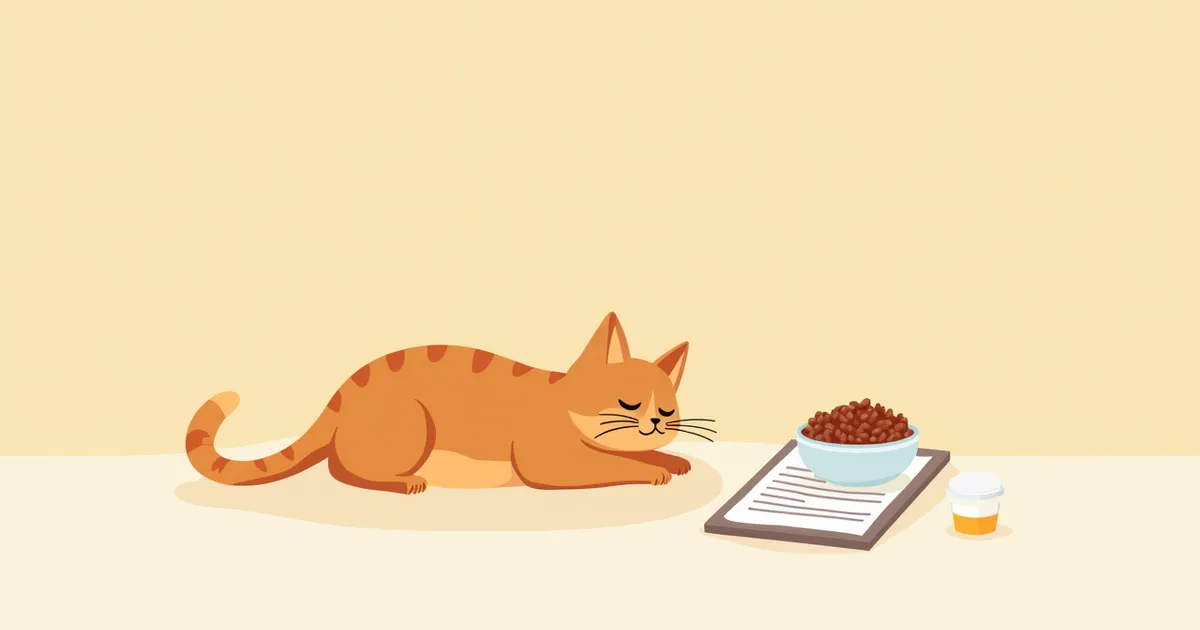
A cat resting comfortably in a cozy environment, along with cat-specific food.

Precautions by Cat Breed

No specific breed-related genetic cause for taurine-deficient cardiomyopathy has been reported in cats. Since an inadequate or improperly balanced taurine intake poses a greater risk than breed predisposition, it is essential that all cats are fed a complete and balanced cat-specific diet with sufficient taurine. If the diet is unbalanced or if you notice any suspicious symptoms, consult your veterinarian to evaluate taurine status and consider supplementation.

Reviewed by a veterinarian

Dr. Tony — Punnawat Phongkittirak

Dr. Tony — Punnawat Phongkittirak

Veterinarian

A veterinarian who majored in veterinary medicine at Khon Kaen University, Thailand, and completed the IVSA program at North Carolina State University in the United States. Drawing on clinical experience at animal hospitals, he works in the pet healthcare field and is dedicated to building a digital care environment that connects pet parents with veterinarians.

Frequently Asked Questions

How long should I continue giving my pet taurine supplements?
Taurine supplements should be administered consistently according to the dosage and duration prescribed by your veterinarian. It can take several months for heart function to recover, and even after recovery, ongoing maintenance alongside a balanced diet may be necessary. Therefore, do not discontinue use without consulting your veterinarian.
Can dogs develop a taurine deficiency even when eating dog food?
Yes, dog food lacks the taurine levels that cats need, so feeding it to them long-term can lead to a deficiency. It’s essential to choose a food specifically formulated for cats.
Is taurine deficiency curable?
If detected early and taurine supplementation is started promptly, heart function can recover, potentially leading to a full recovery. However, if treatment is delayed, permanent heart damage may occur, making early detection and intervention crucial.
Can a cat develop cardiomyopathy even if its taurine levels are normal?
Yes, it is possible. Plasma taurine levels can appear higher than they actually are due to taurine released from platelets during blood collection and storage, so a normal reading doesn’t rule out a deficiency. Additionally, many cases of feline dilated cardiomyopathy today are not related to taurine at all, so an accurate assessment requires an echocardiogram.
Which taurine supplement should I choose?
Choose a veterinarian-recommended taurine supplement specifically formulated for cats. Ingredient purity and absorption rate are key factors to consider.

Share

Related Guides

References

[1] Textbook of Cardiovascular Medicine in Dogs and Cats, 2023, Chapter 13

[2] The Veterinary Workbook of Small Animal Clinical Cases, 2022, The New Kitten Wellness Examination

[3] Plumb's Veterinary Drug Handbook, 9th Edition, 2023

This information is based on veterinary literature and does not replace diagnosis or treatment. Please consult a veterinarian for specific health concerns.

Metapet Co., Ltd. | CEO: Park Sung-yong | Business Reg. No. 417-88-02562 | Seoul, South Korea | Customer Center

Is My Cat's Food Okay? Taurine-Deficient Cardiomyopathy | Meongsiljang