

Our Dog Who Lost a Companion — Signs of Pet Loss Grief and Recovery Care Points
Dogs who have lost a companion animal may exhibit signs of grief, such as decreased appetite, lethargy, and repetitive searching behaviors. Early recognition and proper environmental management can help support their recovery.
What Are Grief Behaviors in Pets?

Why Do Dogs Feel Grief?
Checklist of Main Grief Behaviors

When to Go to the Vet Immediately
If your pet refuses food and water for more than 48 hours, exhibits self-harming behaviors such as persistent licking or chewing that cause skin damage, experiences seizures or convulsions, or shows extreme aggression, you should take them to the vet immediately. These symptoms may indicate an underlying medical condition rather than just a simple emotional response.
How Is It Diagnosed?
Treatment Methods — Step-by-Step Approach by Severity
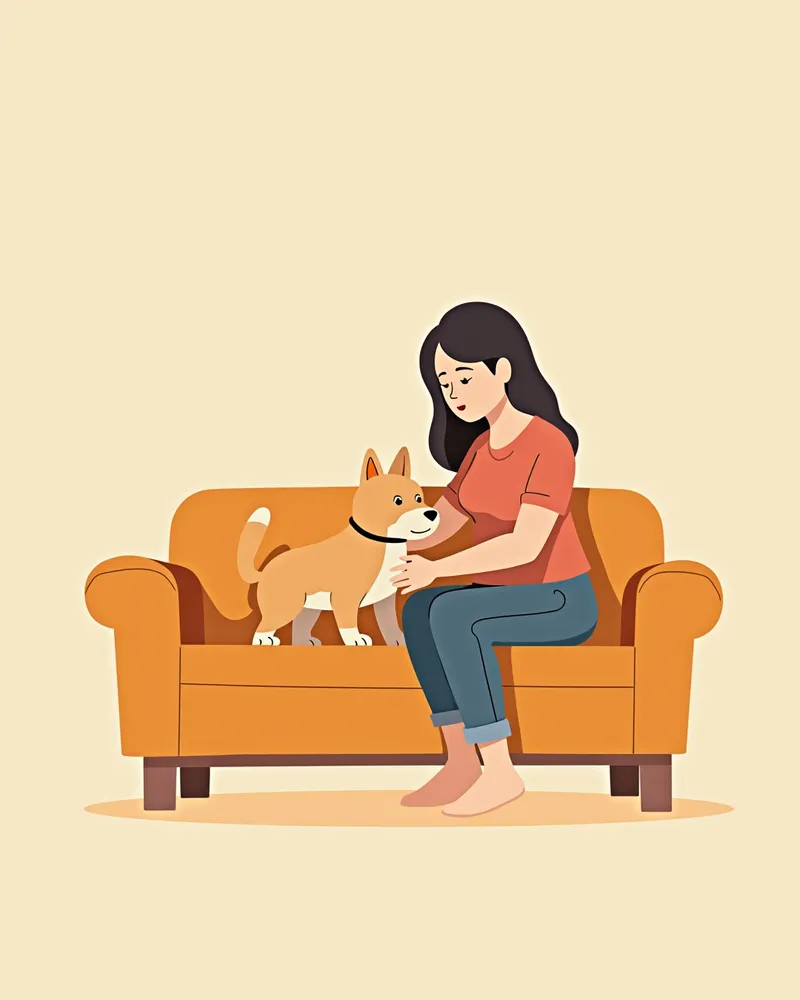
Management Points You Can Do at Home
No Need to Rush Adopting a New Pet
Rushing to adopt a new pet to cope with grief can backfire. We recommend waiting until your current dog has fully settled in—typically after one to three months—and the entire household is ready, before making a careful decision.
Recovery Period and Prognosis

Reviewed by a veterinarian

Dr. Tony — Punnawat Phongkittirak
VeterinarianA veterinarian who majored in veterinary medicine at Khon Kaen University, Thailand, and completed the IVSA program at North Carolina State University in the United States. Drawing on clinical experience at animal hospitals, he works in the pet healthcare field and is dedicated to building a digital care environment that connects pet parents with veterinarians.
Reviewed 2026-06-01
Frequently Asked Questions
Do dogs really feel sadness?
How long do grief behaviors typically last?
Will showing the deceased pet's body help you understand?
Will bringing another dog home quickly help my current dog feel better?
Is it really necessary to use an anti-anxiety medication?
Share
Related Guides

7 Behavioral Enrichment Strategies for Mental Stimulation Recommended by Veterinarians

Top 5 Calming Supplements for Dogs and Cats in 2026

L-Theanine Effects and Calming Support
Cat Oxygen Therapy: Symptoms, Causes, Diagnosis, Treatment, and Management Essentials

Feline Nasal Polyps: A Comprehensive Guide to Symptoms, Causes, Diagnosis, Treatment, and Management

Comprehensive Guide to Feline Lung Auscultation Findings: Symptoms, Causes, Diagnosis, Treatment, and Management

Cat Inhaled Steroid Therapy: Symptoms, Causes, Diagnosis, Treatment, and Management Essentials

Feline Fungal Respiratory Infections (Aspergillus): Symptoms, Causes, Diagnosis, Treatment, and Management Essentials
Feline Pleural Effusion: Causes, Symptoms, Diagnosis, Treatment, and Care Points Summary
Feline Bronchoscopy: Symptoms, Causes, Diagnosis, Treatment, and Management Essentials
References
[1] Silverstein D, Hopper K. Small Animal Critical Care Medicine, 3rd Ed. Elsevier, 2022.
[2] Lindemann E. Symptomology and management of acute grief. Am J Psychiatry 101:141-148, 1944.
[3] Little S, et al. 100 Top Consultations in Small Animal General Practice. Blackwell, 2011.
[4] Shear MK. Complicated grief treatment: the theory, practice and outcomes. Bereave Care 29(3):10-14, 2010.