Like
Share
멍실장
고양이 심장 수술(판막 성형·PDA 결찰) 증상과 원인, 진단·치료와 관리 포인트 총정리

Preparing for Cat Heart Surgery: Valve Repair, PDA Ligation, and Recovery Care Points

HeartDiseasesMeongsiljang Veterinary Advisory Board

Feline heart surgery is a treatment aimed at improving cardiac function compromised by valvular abnormalities or a patent ductus arteriosus (PDA). Early diagnosis and appropriate surgical intervention significantly improve survival rates.

What Is Cat Heart Surgery (Valve Repair and PDA Ligation)?
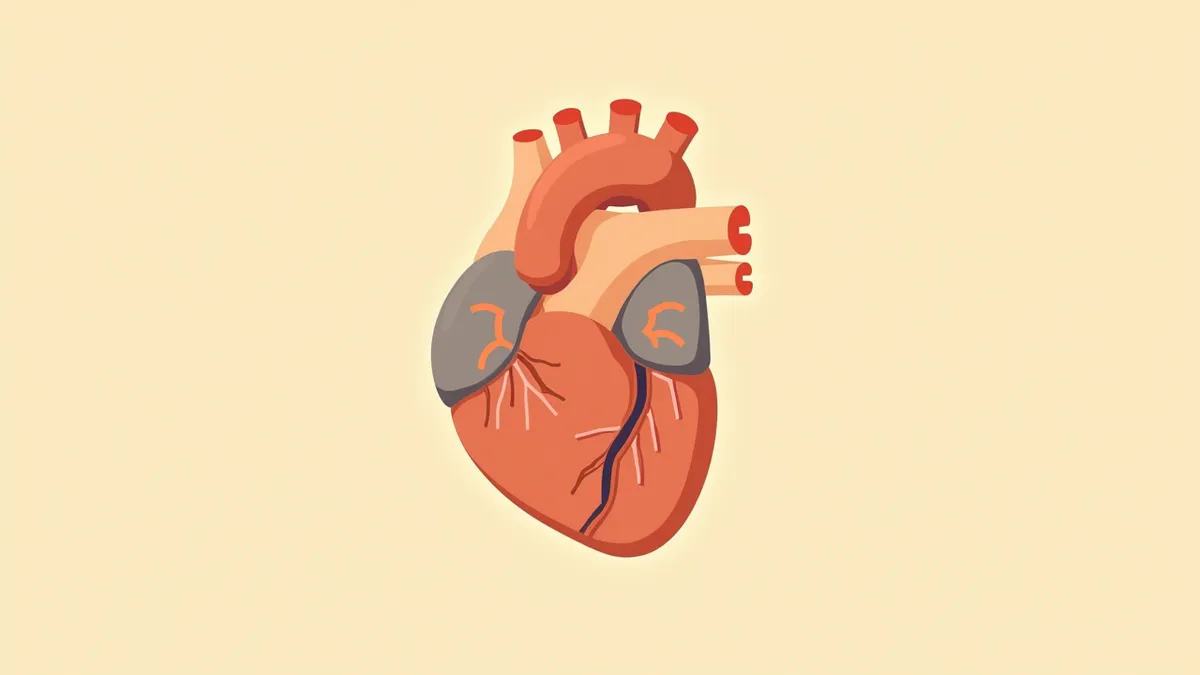
An anatomical diagram of a cat’s heart showing a patent ductus arteriosus (PDA) and valvular abnormalities
Cat heart surgery is a treatment that restores or ligates the heart structure when heart function declines due to heart valve abnormalities or a patent ductus arteriosus (PDA). - Valve repair surgery: Repairs or replaces damaged heart valves to prevent blood flow regurgitation. - PDA ligation surgery: Closes or clips the ductus arteriosus that remains open after birth to reduce the burden on the heart. Both surgeries are essential for restoring normal blood flow in the heart and preventing heart failure. Early diagnosis and timely surgery significantly improve survival rates. Regular check-ups are also necessary after surgery.

What Are the Main Causes of Heart Surgery?
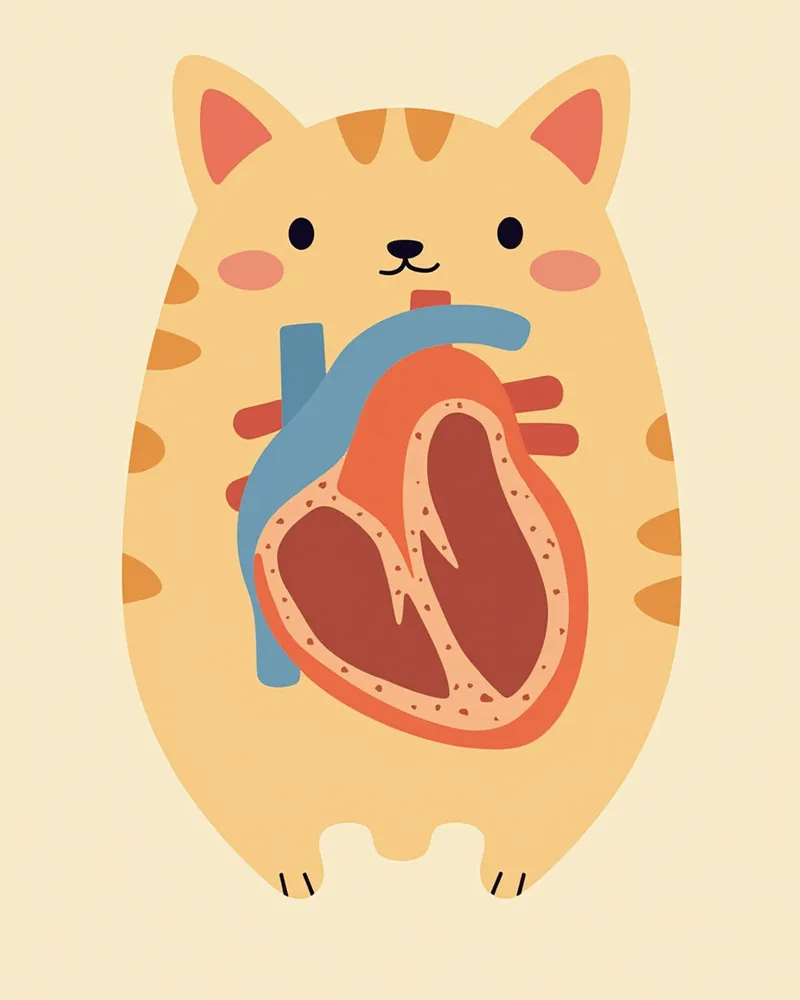
The main reasons for heart surgery in cats are valve dysfunction and patent ductus arteriosus (PDA). Valve dysfunction: This occurs when heart valves do not close properly, causing blood to flow backward and placing a continuous strain on the heart. PDA (Patent Ductus Arteriosus): A blood vessel that is normal during fetal development but should close after birth remains open, leading to excessive blood flow to the heart and resulting in decreased heart function. In both cases, early surgery is crucial for improving survival rates and quality of life. Accurate diagnosis before surgery is essential, and early detection leads to higher surgical success rates.
An anatomical illustration highlighting patent ductus arteriosus (PDA) and valvular regurgitation in the feline heart.

What Are the Main Symptoms and Signs?
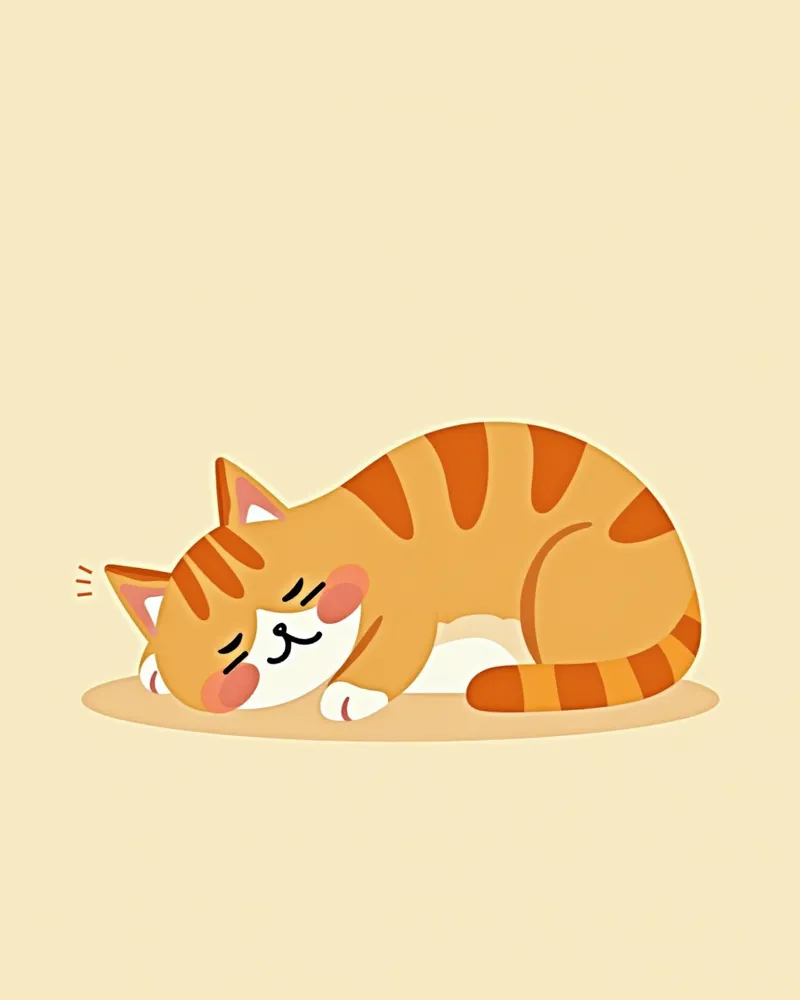
As feline heart disease progresses, symptoms may include difficulty breathing, increased respiratory rate, lethargy, exercise intolerance, fainting, and in severe cases, low blood pressure or shock. Unlike dogs, cats rarely cough, so it’s especially important to watch closely for signs like breathing difficulties and weakness. - Difficulty breathing: Most cats with congestive heart failure come to the clinic because of rapid, labored breathing. - Fainting and lethargy: You may notice your cat suddenly collapsing, playing less than usual, or lying down more often. - Exercise intolerance: Even mild activity can cause quick fatigue and shortness of breath. - Changes in gum or lip color: Poor oxygen supply can make the mucous membranes pale or bluish, which requires an immediate vet visit. If these symptoms persist, please consult your veterinarian right away.
A cat showing signs of difficulty breathing

Emergency Signs Requiring Immediate Veterinary Care

If your cat suddenly collapses, develops bluish discoloration of the mouth or lips, or shows severe difficulty breathing, seek veterinary care immediately. These are potential signs of acute heart failure, a condition marked by a rapid decline in cardiac function. Acute heart failure requires immediate hospitalization and emergency treatment. Because cats are highly sensitive to stress, minimize stimulation and transport them to the clinic without delay.

Diagnostic Tests for Accurate Diagnosis
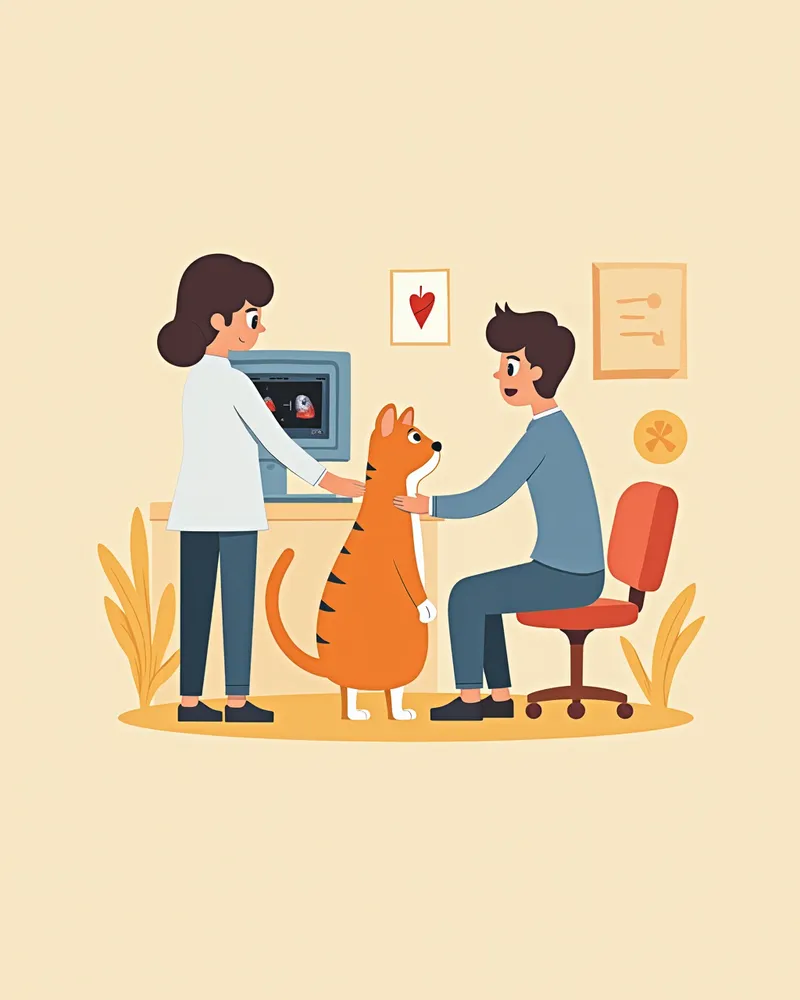
Before heart surgery in cats, several tests are performed, including an echocardiogram (heart ultrasound), chest X-rays, an electrocardiogram (ECG), and blood tests. - Echocardiogram: This test provides a detailed view of valve movement, blood flow, and myocardial condition, making it the most critical diagnostic tool for confirming heart disease and patent ductus arteriosus (PDA). - Chest X-ray: While helpful for assessing lung condition and fluid accumulation, it is less sensitive to cardiac enlargement and is therefore used as a supplementary diagnostic tool. - Electrocardiogram (ECG): This evaluates heart rhythm abnormalities and determines the presence of arrhythmias. - Blood tests: These assess overall health and liver and kidney function to determine suitability for anesthesia and surgery. A comprehensive analysis of these tests helps ensure an accurate diagnosis.
A cat undergoing an echocardiogram (heart ultrasound) examination.

Surgical Procedures and Treatment Methods

The approach to heart surgery varies depending on the underlying cause and the current condition of the heart. - PDA Ligation Surgery: This procedure involves ligating (tying off) or occluding an open patent ductus arteriosus with a left-to-right shunt using coils or similar devices to normalize blood flow. When performed by an experienced surgeon, this surgery has a high success rate and a low incidence of complications. - Valve Surgery: This involves repairing or correcting damaged heart valves. In cats, this procedure is highly complex and requires specialized facilities and precise preoperative evaluation. The surgery is performed under general anesthesia; however, because cats with heart disease can deteriorate rapidly during anesthesia, thorough preoperative stabilization is critical. Postoperative care must include pain management, respiratory support, and close monitoring during recovery, along with ongoing regular cardiac check-ups.
A cat undergoing PDA ligation surgery

Post-Surgery Care and Precautions

After surgery, your cat needs to have its activity restricted for a certain period and must strictly follow the prescribed medication regimen. - Medication Administration: Administer antibiotics, heart medications, pain relievers, and other prescribed drugs exactly as directed by your veterinarian. - Medication Monitoring: Check whether medications are being taken at least once a week to ensure no doses are missed. - Weight Management: Consistently record weight changes to prevent excessive weight gain. - Respiratory Monitoring: Closely observe for signs of labored breathing or persistent coughing. - Appetite Changes: Consult your veterinarian immediately if you notice a sudden decrease in appetite or reduced food intake. Regular follow-up visits are essential to monitor recovery progress.
A cat taking medication after surgery

Preventing Recurrence and Breed-Specific Considerations After Surgery

Certain cat breeds, such as Maine Coons and Ragdolls, may be more susceptible to heart conditions, including cardiomyopathy. Regular cardiac check-ups are essential even after surgery, and it’s important to avoid excessive exercise or stress. The recovery period is particularly critical, as the risk of complications is higher during this time. Minimizing stress and closely monitoring your cat’s condition can help reduce the likelihood of recurrence.

Reviewed by a veterinarian

Dr. Tony — Punnawat Phongkittirak

Dr. Tony — Punnawat Phongkittirak

Veterinarian

A veterinarian who majored in veterinary medicine at Khon Kaen University, Thailand, and completed the IVSA program at North Carolina State University in the United States. Drawing on clinical experience at animal hospitals, he works in the pet healthcare field and is dedicated to building a digital care environment that connects pet parents with veterinarians.

Frequently Asked Questions

How risky is heart surgery for cats?
Preoperative thorough examinations and veterinary assessments can help reduce risks. However, cats with heart disease may experience sudden deterioration during anesthesia, making adequate pre-anesthetic stabilization and meticulous management during anesthesia and recovery extremely important.
How long does the recovery period after surgery take?
The recovery period varies depending on the cat’s condition and the type of surgery performed. It is essential to strictly adhere to activity restrictions and medication schedules. Since the recovery phase carries a higher risk of complications, gradually return to normal daily routines under your veterinarian’s guidance.
How much will the surgery cost?
Surgical costs vary depending on the clinic and the type of surgery, but they typically range from $1,000 to $2,000. You should also consider whether insurance coverage applies and any additional costs for diagnostic tests.
Can heart problems recur after surgery?
While there is a risk of recurrence, regular check-ups and proper care can help minimize it. Certain breeds may require extra attention.
What should I prepare before the surgery?
Before surgery, fasting, blood tests, and detailed examinations such as an echocardiogram are required. Additionally, some medications (e.g., ACE inhibitors) are recommended to be withheld on the day of anesthesia, so please inform your veterinarian about any medications your pet is taking and follow their instructions for proper preparation.

Valve Repair vs. PDA Ligation Surgery Comparison

ItemValve Repair SurgeryPDA Ligation Surgery
Main PurposeRestore and correct valve functionClose the patent ductus arteriosus
Surgery DurationVaries depending on the cat's cardiac conditionVaries depending on the cat's cardiac condition
Recovery PeriodDetermined by the veterinarian's assessmentDetermined by the veterinarian's assessment
Main Risk FactorsReduced cardiac function, bleedingSurgical site damage, anesthetic reaction
Success RateRelatively high with early diagnosisRelatively high when performed by an experienced surgeon

The type of surgery is determined by the cat's cardiac condition and underlying cause, and the veterinarian recommends the optimal treatment.

Share

Related Guides
References

[1] Fossum TW. Preoperative and intraoperative care of the surgical patient. In: Fossum TW, Duprey LP, O’Connor D, editors. Small animal surgery. 3rd ed. Boston, MA: Elsevier; 2007.

[2] Hosgood G, Scholl DT. Evaluation of age as a risk factor for perianesthetic morbidity and mortality in the dog. J Vet Emerg Crit Care. 1998;8(3):222-36.

[3] Small Animal Anesthesia and Pain Management A Color Handbook, 3rd Edition. Elsevier; 2021.

This information is based on veterinary literature and does not replace diagnosis or treatment. Please consult a veterinarian for specific health concerns.

Metapet Co., Ltd. | CEO: Park Sung-yong | Business Reg. No. 417-88-02562 | Seoul, South Korea | Customer Center

Cat Heart Surgery Guide: Valve Repair, PDA Ligation, and Recovery Care | Meongsiljang