Like
Share
멍실장
강아지 빈혈과 CKD(EPO 결핍) 증상과 원인, 진단·치료와 관리 포인트 총정리

Why Is My Dog So Lethargic? — Causes and Treatment Points for CKD Anemia (EPO Deficiency)

KidneyDiseasesMeongsiljang Veterinary Advisory Board

EPO deficiency caused by chronic kidney disease is one of the main causes of anemia in dogs. Early detection and systematic management are important.

What Are Canine Anemia and CKD (EPO Deficiency)?

Pale lips and mucous membranes in puppies: signs of anemia
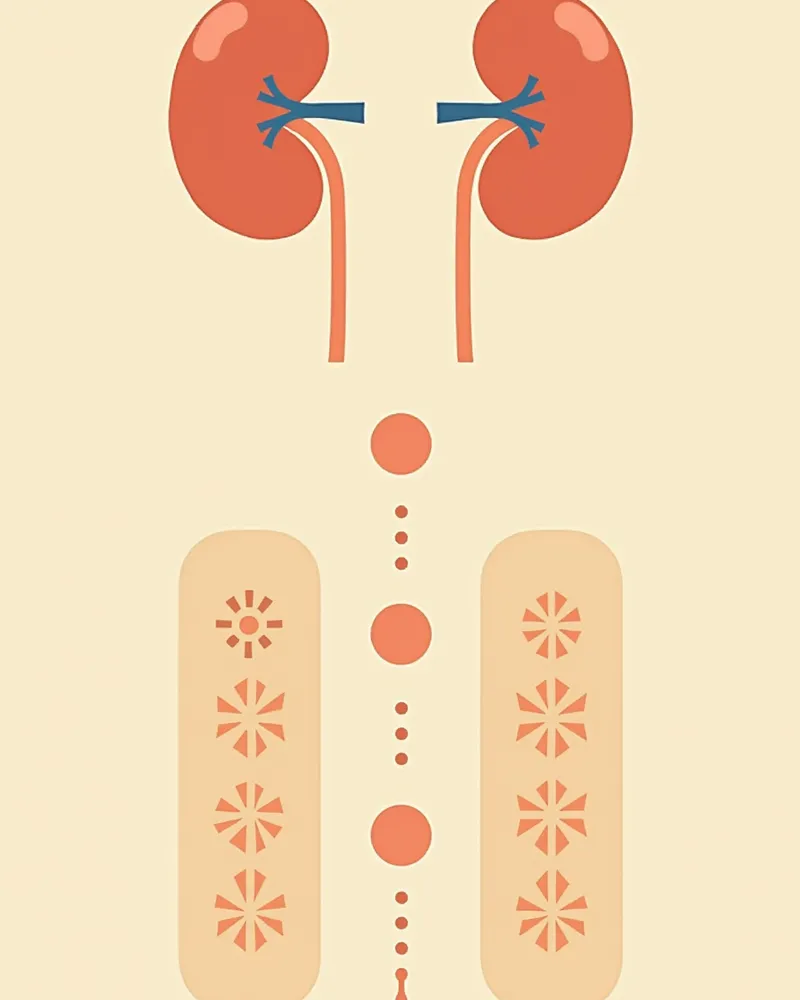
Anemia in dogs associated with chronic kidney disease (CKD) is a condition in which declining kidney function leads to a deficiency of erythropoietin (EPO), the hormone that helps produce red blood cells. EPO stimulates the bone marrow to generate new red blood cells; when kidney damage reduces EPO levels, insufficient red blood cells are produced, resulting in anemia. This impairs efficient oxygen transport, leading to fatigue and pale mucous membranes. As kidney damage progresses, anemia tends to worsen as well. - EPO deficiency: Kidney damage impairs the ability to produce EPO, suppressing red blood cell production in the bone marrow. - Cause of anemia: Reduced oxygen-carrying capacity can lead to decreased muscle and organ function, resulting in lethargy and rapid breathing. - Relationship with CKD: Anemia is a common complication of CKD, typically presenting as non-regenerative anemia (with a weak bone marrow response), making early detection important.

Main Causes and Pathogenesis

In chronic kidney disease, damage to kidney cells impairs their ability to produce erythropoietin (EPO). A deficiency in EPO is the primary cause of suppressed red blood cell production, compounded by a diminished bone marrow response to EPO, poor nutrition, and shortened red blood cell lifespan. Additionally, gastrointestinal bleeding caused by uremia can further worsen anemia. - Kidney damage: When kidney cells are damaged, EPO production decreases. - Hormone deficiency: Insufficient EPO leads to reduced red blood cell production in the bone marrow. - Factors worsening anemia: Nutritional imbalances, gastrointestinal bleeding due to uremia, and shortened red blood cell lifespan can all exacerbate anemia. - Pathophysiology: Declining kidney function → decreased EPO → reduced red blood cell production → impaired oxygen transport → systemic symptoms.
Mechanism of decreased erythropoietin (EPO) production in chronic kidney disease

Main Symptoms and Signs

The main symptoms of anemia and chronic kidney disease (CKD) with erythropoietin (EPO) deficiency in dogs are as follows. If you notice any of these signs, consult your veterinarian immediately.
Fatigue and lethargy: The dog remains inactive throughout the day and repeatedly rests in the same spot.
Pale mucous membranes: The lips, oral cavity, and conjunctiva around the eyes appear pale or whitish.
Decreased appetite: The dog shows little interest in treats, and food intake drops significantly.
Difficulty breathing: The dog appears short of breath or breathes rapidly.
Dizziness: The dog suddenly stumbles or repeatedly loses its sense of direction.
Lethargy and fatigue in dogs caused by anemia

Signs Requiring Immediate Veterinary Visit

If your dog suddenly collapses, begins breathing very rapidly, or develops blue-tinged lips, seek emergency veterinary care immediately. These are signs of severe anemia or increased cardiac strain.

Accurate Diagnostic Methods

To accurately diagnose anemia and chronic kidney disease (CKD) with erythropoietin (EPO) deficiency in dogs, several tests are required. - Blood tests: Assess the severity of anemia by measuring hemoglobin, red blood cell count, and hematocrit levels. - Kidney function tests: Evaluate kidney function using creatinine and blood urea nitrogen (BUN) levels. - EPO level measurement: Determine whether EPO is deficient by measuring its concentration in the blood. - Bone marrow examination: In cases of severe anemia, directly assess red blood cell production in the bone marrow. - Comprehensive evaluation: Integrate results from multiple tests to identify the cause of anemia and determine the stage of CKD progression. Consultation with a veterinarian is essential for an accurate diagnosis.
The blood collection process for diagnosing anemia in dogs

Treatment Methods and Step-by-Step Management
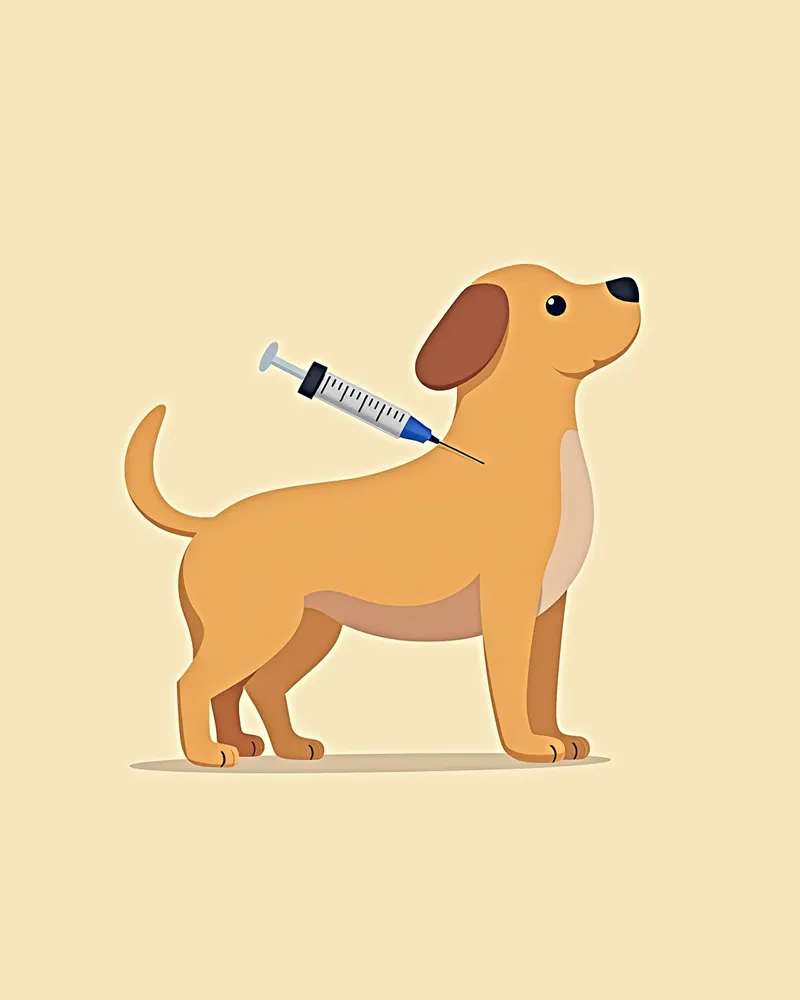
Treating anemia and chronic kidney disease (CKD) with EPO deficiency in dogs aims to improve anemia while protecting kidney function. - EPO analog injections: Administered by injection under veterinary prescription to supplement EPO levels and stimulate red blood cell production. - Dietary management: A low-protein, low-phosphorus diet helps reduce the burden on the kidneys. - Hydration: Encouraging adequate water intake helps maintain kidney function. - Regular monitoring: Hemoglobin, creatinine, and EPO levels are checked regularly. - Lifestyle management: Minimize stress and adjust activity levels appropriately. Treatment is ongoing, and close collaboration with your veterinarian is essential.
Administering an EPO analog injection to a puppy

Management Points at Home

Anemia and chronic kidney disease (CKD) with erythropoietin (EPO) deficiency in dogs require ongoing management. Please adhere to the following guidelines:
Dietary Management: Provide a low-protein, low-phosphorus diet to minimize stress on the kidneys.
Hydration: Change the water frequently and use a water dispenser to encourage drinking.
Activity Management: Avoid excessive exercise and ensure adequate rest time.
Medication Administration: Administer medications at the prescribed times and ensure no doses are missed.
Regular Check-ups: Monitor the condition with blood tests every 1 to 2 months.
Specialized diet and water supply system for managing anemia in dogs

Prevention of Recurrence and Breed Precautions

Chronic kidney disease can gradually impair kidney function and lead to anemia, so ongoing management is essential. Older dogs or those with a history of kidney disease are more prone to developing anemia, making early detection and preventive care through regular blood and kidney function tests crucial.

Reviewed by a veterinarian

Dr. Tony — Punnawat Phongkittirak

Dr. Tony — Punnawat Phongkittirak

Veterinarian

A veterinarian who majored in veterinary medicine at Khon Kaen University, Thailand, and completed the IVSA program at North Carolina State University in the United States. Drawing on clinical experience at animal hospitals, he works in the pet healthcare field and is dedicated to building a digital care environment that connects pet parents with veterinarians.

Frequently Asked Questions

Can anemia in dogs be treated?
Yes, anemia caused by chronic kidney disease and EPO deficiency can be effectively managed with EPO analog injections and dietary adjustments. Early detection is key.
What are the side effects of EPO injections?
EPO analogs can cause high blood pressure in some dogs, so your veterinarian will check their blood pressure regularly. Additionally, if an immune response (antibody formation) develops against the medication, its therapeutic effectiveness may decrease, so regular blood tests are used to monitor this.
Can anemia improve with dietary management alone?
Dietary management helps protect kidney function and slow the progression of anemia, but when erythropoietin (EPO) deficiency is severe, medication is necessary.
Should I take my pet to the vet right away if they develop anemia?
Yes, especially if you notice pale gums or severe lethargy, consult a veterinarian immediately. Anemia can be a sign of an underlying condition.
Is EPO-deficiency anemia hereditary?
EPO deficiency anemia itself is not directly inherited. Since anemia is a complication that accompanies chronic kidney disease, it is most important to consistently manage kidney health and detect issues early.

Comparison of Management Approaches by Anemia Severity

ItemMain SymptomsTreatment DirectionManagement Points
MildSlight fatigue, pale symptomsDietary adjustment, regular checkupsNo EPO injection, observation-focused
ModeratePersistent lethargy, decreased appetiteStart EPO analog injectionDietary adjustment + medication + regular testing
SevereRespiratory distress, collapse, cyanotic symptomsImmediate clinic visit, possible transfusionEmergency treatment + EPO injection + fluid therapy

The degree of anemia is assessed by hemoglobin levels and clinical symptoms. Establish a treatment plan together with your veterinarian.

Share

Related Guides

References

[1] Plumb's Veterinary Drug Handbook, 9th Edition, 2022

[2] Clinical Medicine of the Dog and Cat, 4th Ed, 2020

[3] Fundamentals of Veterinary Clinical Pathology, 3rd Edition, 2019

This information is based on veterinary literature and does not replace diagnosis or treatment. Please consult a veterinarian for specific health concerns.

Metapet Co., Ltd. | CEO: Park Sung-yong | Business Reg. No. 417-88-02562 | Seoul, South Korea | Customer Center

Why Is My Dog So Lethargic? CKD Anemia & EPO Deficiency | Meongsiljang