
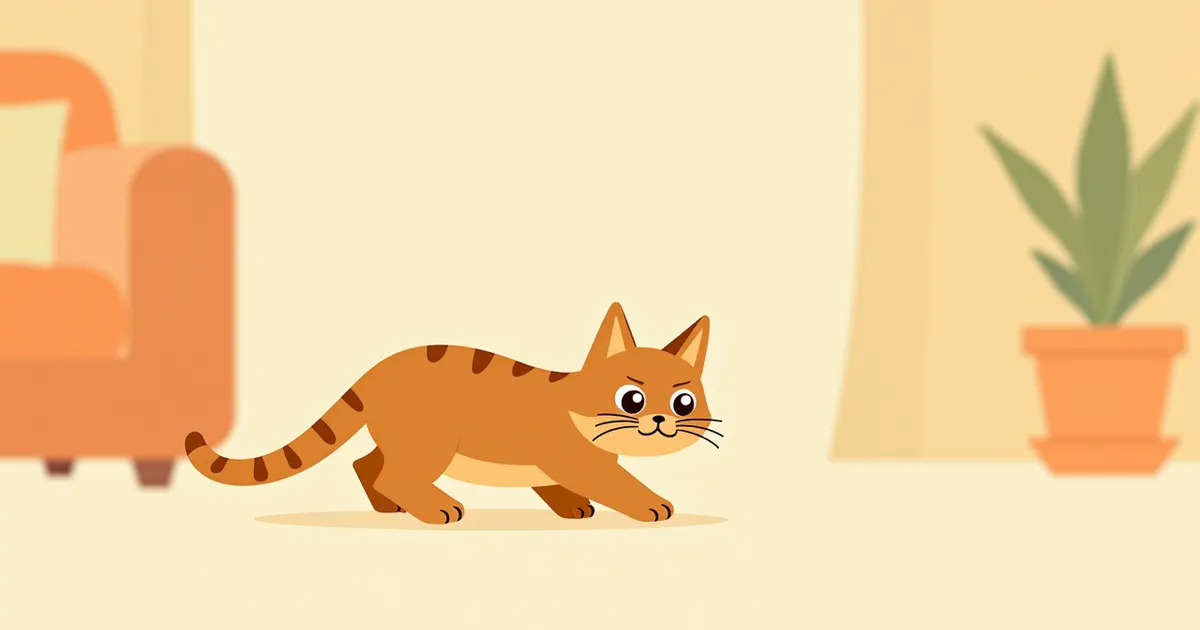
If Your Cat’s Hunting Instinct Is Too Strong — Causes of Excessive Expression and Management Points
When a cat’s hunting instinct becomes overly pronounced, it may attack its owner or harm other pets in the household. We’ve compiled a veterinary overview of the causes, diagnosis, treatment, and key points for daily management.
What Is Excessive Expression of a Cat’s Hunting Instinct?
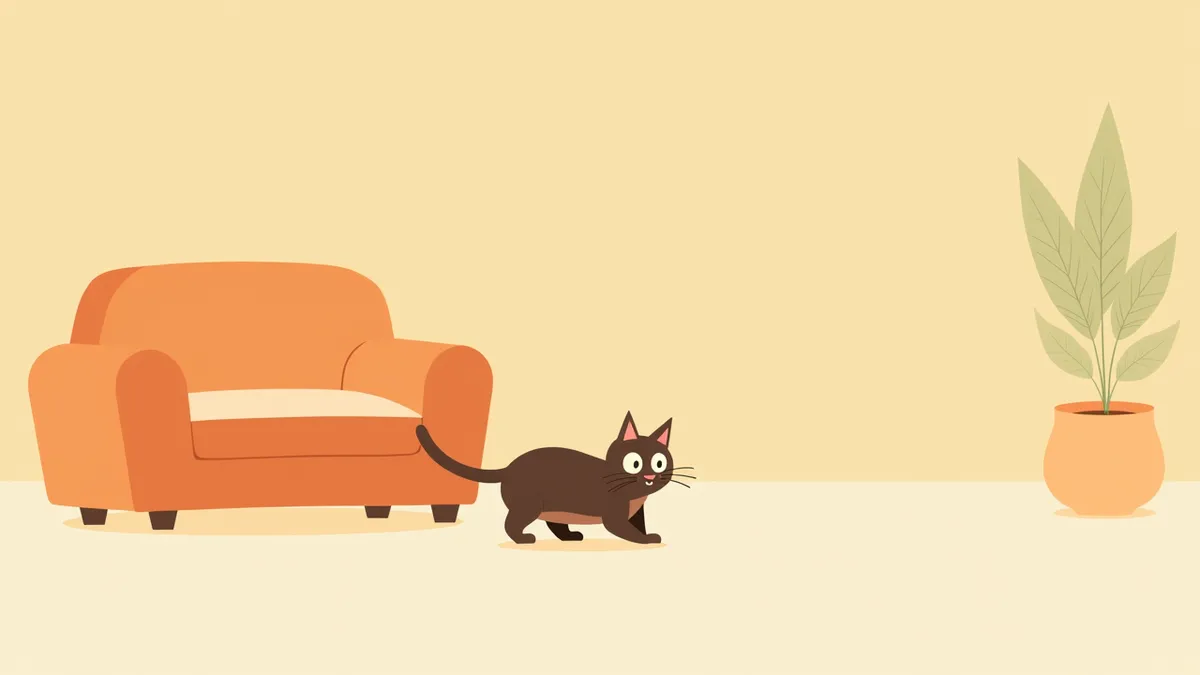
Why Does It Occur? Main Causes
Suspect This If You See These Symptoms

Go to the Vet Immediately in These Cases
If you’re experiencing any of the following, the issue may not be purely behavioral. A prompt veterinary evaluation is necessary. • A previously calm cat suddenly begins showing aggressive behavior. • The aggression is completely uncontrollable and results in deep scratches or bites to the owner’s skin. • Another cat or small animal in the household has sustained serious injuries. • The aggression is accompanied by other symptoms such as decreased appetite, weight loss, or excessive drinking.
How Is It Diagnosed?
Treatment — A Step-by-Step Approach
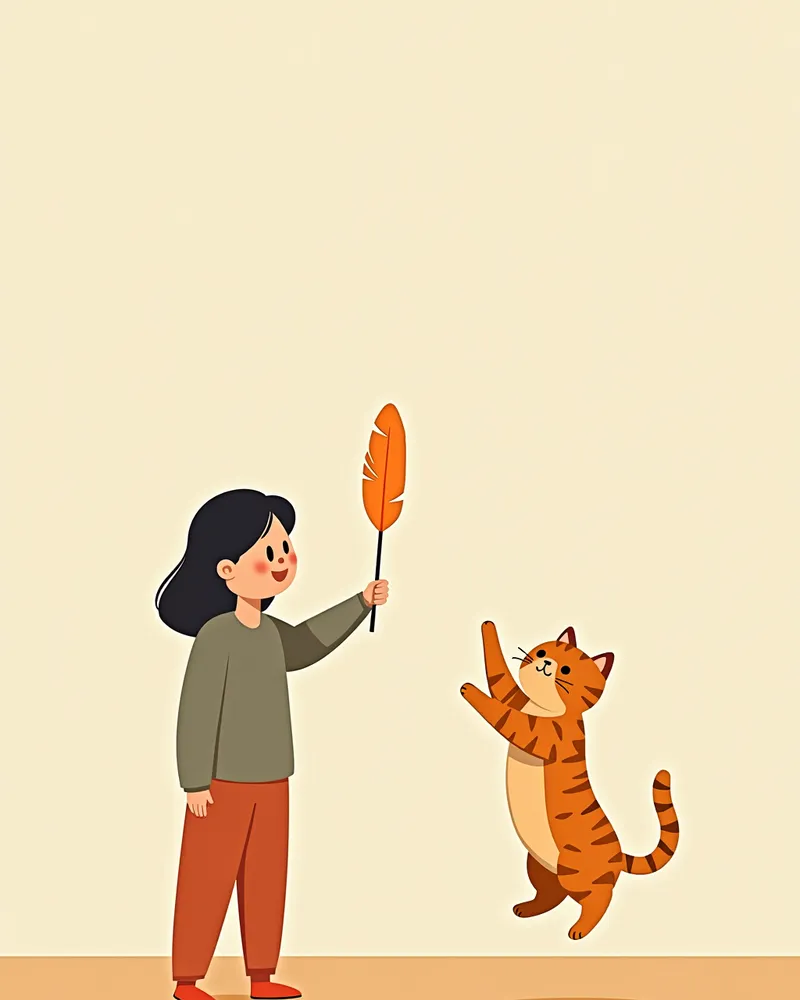
Management Points You Can Practice at Home Right Away

Breeds with Stronger Innate Instincts Require Extra Caution
Certain breeds, such as Abyssinians, Bengals, and Oriental Shorthairs, are known for their high activity levels and strong instinctual drives. However, having a genetic predisposition does not mean these traits will necessarily manifest, nor will they appear to the same degree in every individual. Actual behavior is heavily influenced by environmental factors, and the specific genetic factors involved vary by breed. Therefore, it is especially important for these cats to have their hunting instincts satisfied through daily, structured play sessions, and to be provided with rich environmental enrichment, such as puzzle feeders and vertical spaces. If you also keep small companion animals like hamsters or rabbits, strict spatial separation must be maintained at all times.
Reviewed by a veterinarian

Dr. Tony — Punnawat Phongkittirak
VeterinarianA veterinarian who majored in veterinary medicine at Khon Kaen University, Thailand, and completed the IVSA program at North Carolina State University in the United States. Drawing on clinical experience at animal hospitals, he works in the pet healthcare field and is dedicated to building a digital care environment that connects pet parents with veterinarians.
Reviewed 2026-06-01
Frequently Asked Questions
Does neutering reduce a pet's hunting instinct?
What happens if you scold your cat for biting your ankle?
How much playtime should my pet get each day?
Does medication need to be continued for life?
What should I do if my cat attacks other cats in a multi-cat household?
Share
Related Guides

7 Behavioral Enrichment Strategies for Mental Stimulation Recommended by Veterinarians

Top 5 Calming Supplements for Dogs and Cats in 2026

L-Theanine Effects and Calming Support
If Your Dog Suddenly Collapses and Vomits — Emergency Signs and Treatment of Diabetic Ketoacidosis
Feline Foreign Body Obstruction: Symptoms, Causes, Diagnosis, Treatment, and Care Essentials

Dog Foreign Body Obstruction: Symptoms, Causes, Diagnosis, Treatment, and Care Essentials

Canine Megaesophagus: Symptoms, Causes, Diagnosis, Treatment, and Management Essentials

Hydrocephalus in Dogs: Symptoms, Causes, Diagnosis, Treatment, and Management Essentials
If Your Cat Tilts Its Head and Stumbles — Causes, Diagnosis, and Emergency Response for Vestibular Syndrome

Everything You Need to Know About Feline Epilepsy: Symptoms, Causes, Diagnosis, Treatment, and Care
References
[1] Ahola, M.K., Vapalahti, K., and Lohi, H. (2017). Early weaning increases aggression and stereotypic behaviour in cats. Nature Scientific Reports, 7, 10412.
[2] Overall, K.L., Rodan, I., Beaver, B.V. et al. (2005). Feline behavior guidelines from the American Association of Feline Practitioners. Journal of the American Veterinary Medical Association, 227(1), 70–84.
[3] Barrett, P. and Bateson, P. (1978). The development of play in cats. Behaviour, 66, 106–120.
[4] Bain, M.J. and Fan, C.M. (2012). Animal behavior case of the month. Journal of the American Veterinary Medical Association, 240(6), 673–675.
[5] Tynes, V.V. (ed.) (2014). Veterinary Guide to Preventing Behavior Problems in Dogs and Cats. Wiley-Blackwell.