Like
Share
멍실장
강아지 만성 재발 요로 감염 증상과 원인, 진단·치료와 관리 포인트 총정리

Chronic Recurrent Urinary Tract Infections in Dogs: Symptoms, Causes, Diagnosis, Treatment, and Management Essentials

UrinaryDiseasesMeongsiljang Veterinary Advisory Board

Chronic recurrent urinary tract infections in dogs are conditions where inflammation repeatedly occurs in the urinary tract, with main symptoms including difficulty urinating, frequent urination, and blood in the urine. Early diagnosis and proper management are important.

What Are Chronic Recurrent Urinary Tract Infections in Dogs?
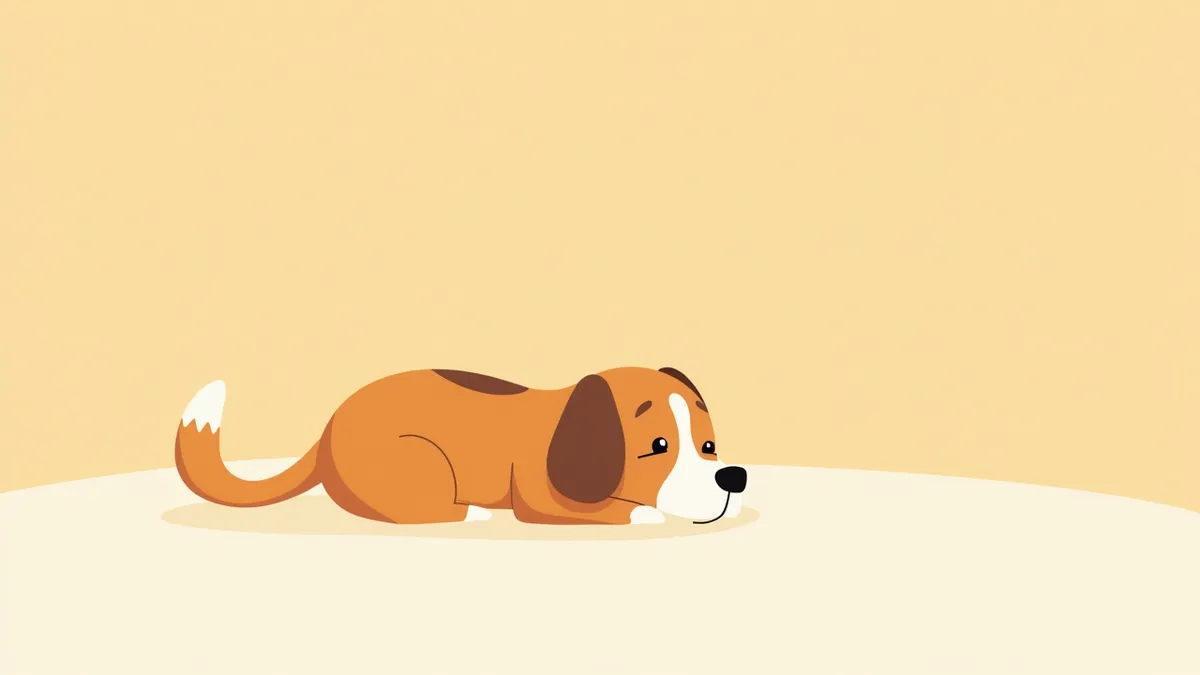
A dog making an uncomfortable expression
Chronic recurrent urinary tract infections (UTIs) in dogs are conditions characterized by recurring inflammation of the urinary tract, meaning the infection can return even after successful treatment. These infections typically occur when bacteria invade the bladder or urethra. Because early symptoms are often subtle, owners may easily overlook them. UTIs can be categorized into simple (sporadic) cystitis, which occurs only once, and complex or recurrent cystitis, which persists or recurs repeatedly. Recurrent infections may be linked to underlying factors such as impaired bladder function or structural abnormalities in the urinary tract. Early diagnosis and consistent management are key to preventing recurrence. Chronic recurrent UTIs: When the urinary tract’s natural defenses weaken, it creates an environment where bacteria can easily establish themselves and multiply. Typical symptoms include pain during urination, frequent urges to urinate, cloudy or reddish urine, repeated attempts to urinate even when the bladder is empty, and inappropriate elimination outside the designated bathroom area.

What Are the Main Causes of Chronic Recurrent Urinary Tract Infections?
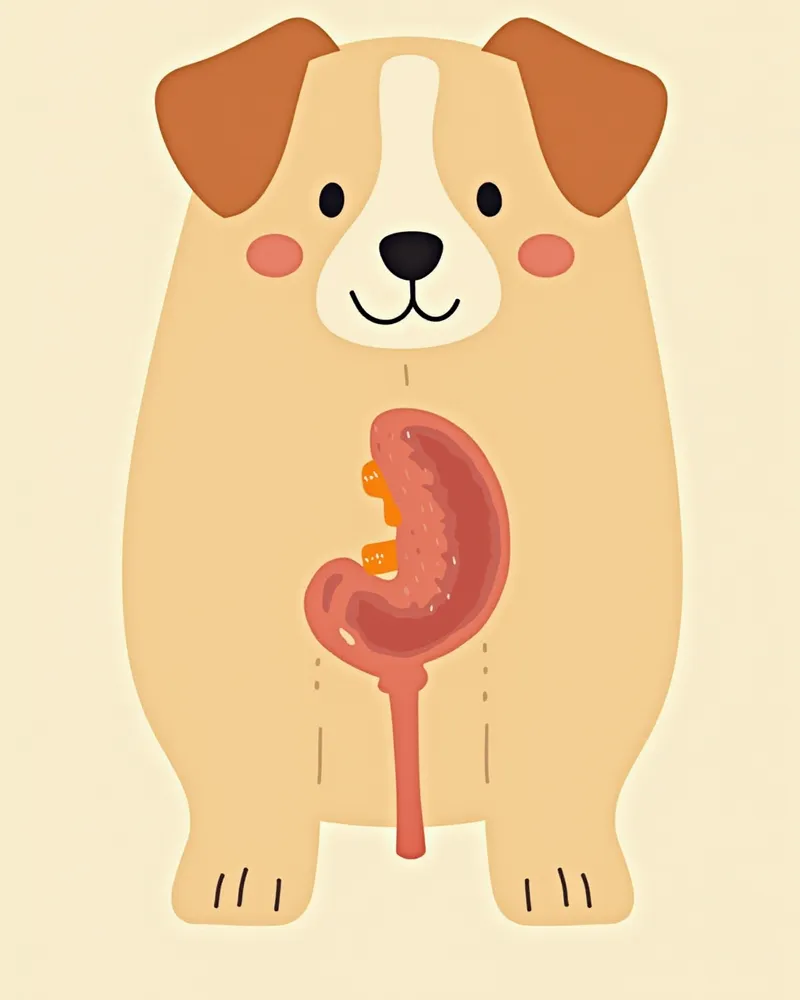
The primary cause of chronic recurrent urinary tract infections in dogs is bacterial infection. Escherichia coli (E. coli) is the most commonly identified pathogen, though Staphylococcus, Proteus, and Enterococcus species can also be responsible. Recurrence is more likely when risk factors such as urinary stones, structural abnormalities of the urinary tract, or tumors are present. Additionally, conditions that compromise the body’s defenses, such as systemic diseases or immunosuppression, can contribute to recurrent infections. Inadequate water intake or infrequent urination allows bacteria to remain in the bladder longer, facilitating their proliferation. It is important to improve daily habits under the guidance of your veterinarian. Urinary tract structural abnormalities: Abnormalities in the structure of the bladder or urethra can prevent the complete clearance of bacteria, allowing them to persist and trigger recurrence.
Diagram of a dog's urinary tract structure with highlighted infection sites

Check for Key Symptoms and Signs

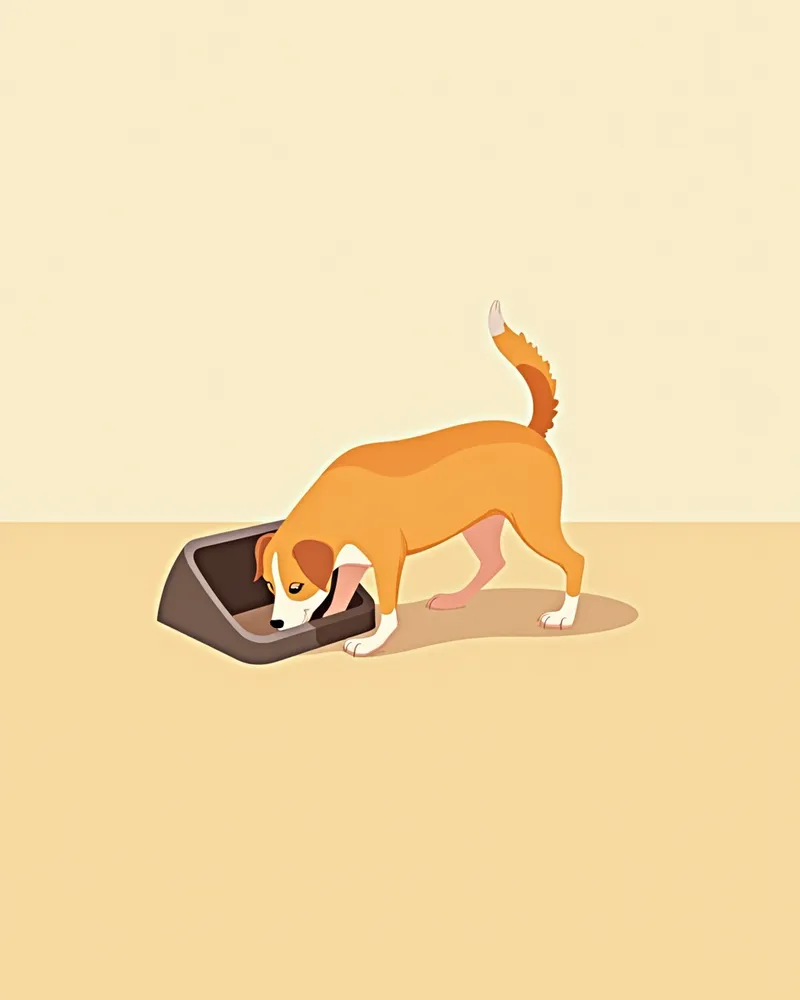
The main symptoms of chronic recurrent urinary tract infections in dogs include pain during urination, frequent attempts to urinate, and urine that appears red or cloudy. Your dog may also keep trying to urinate even when the bladder is empty, or have accidents outside of their usual bathroom area. You might notice them repeatedly sitting in the same spot all day or licking their abdomen. All of these signs warrant immediate consultation with your veterinarian.
A dog assuming an anxious posture near the bathroom

Symptoms Requiring Immediate Veterinary Care

If your pet is unable to urinate at all or shows severe pain during urination, immediate veterinary care is essential, as this could indicate a urinary tract obstruction. Additionally, symptoms such as high fever, vomiting, lethargy, and loss of appetite may signal a systemic infection. In such cases, prompt medical attention from a veterinarian is crucial. Delaying treatment can lead to kidney damage or sepsis.

Diagnostic Tests for Accurate Diagnosis
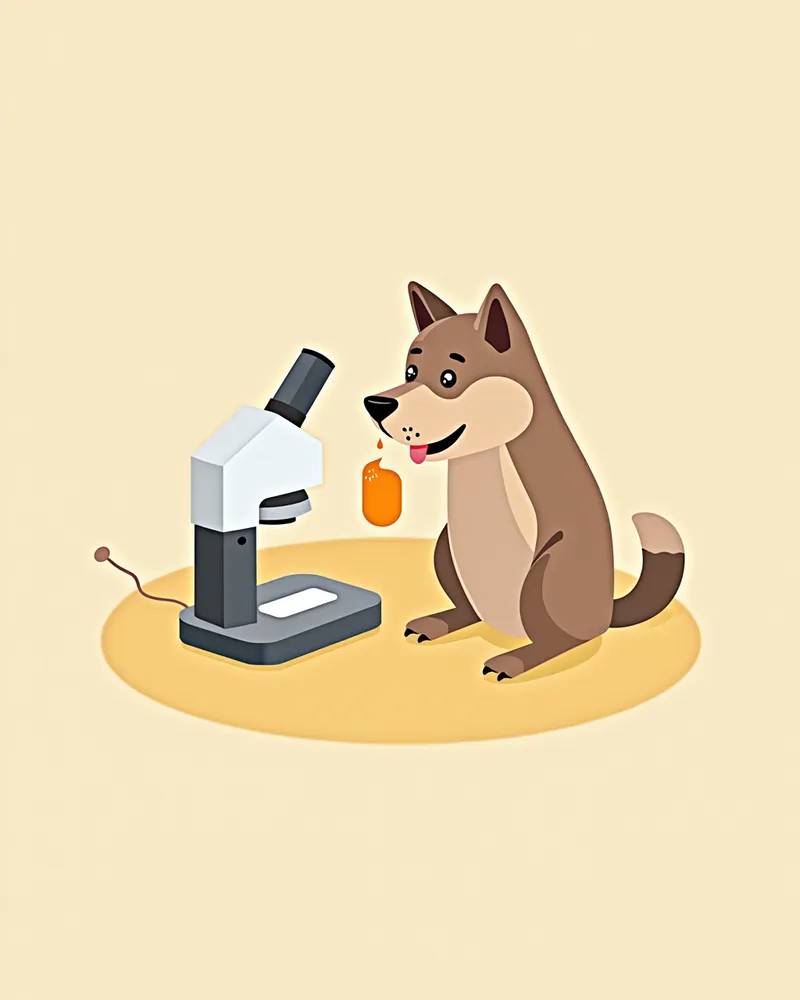
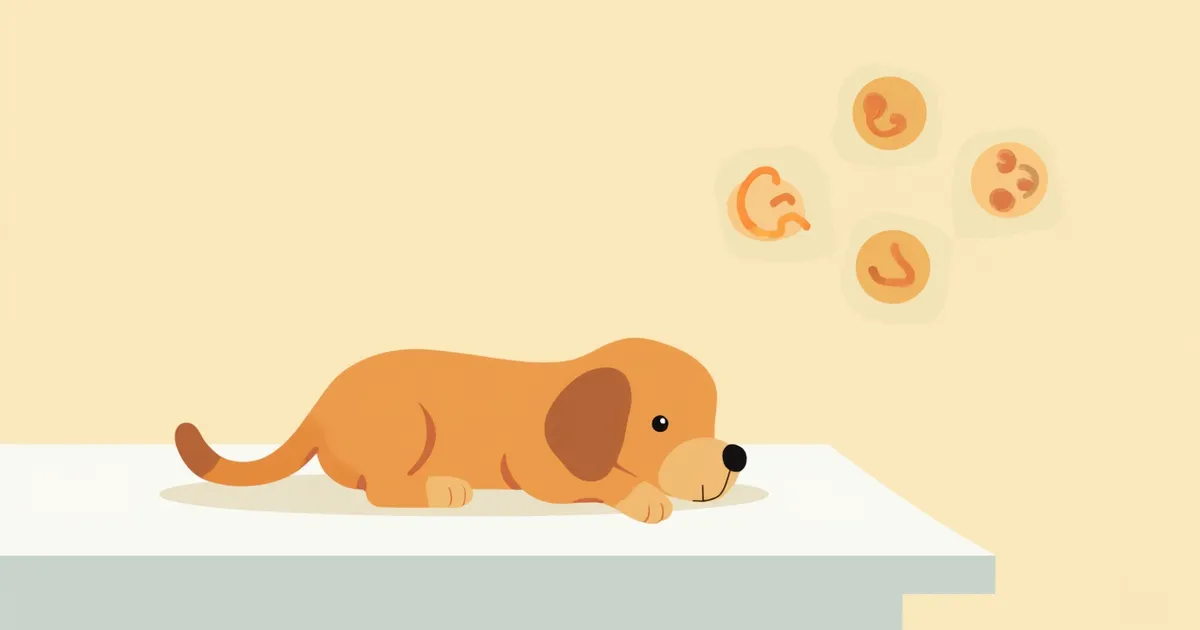
Diagnosing chronic recurrent urinary tract infections in dogs begins with a urinalysis to check for the presence of white blood cells, red blood cells, and bacteria. If needed, a urine culture is performed to accurately identify the causative bacteria and predict their response to antibiotics. Ultrasound or radiographic imaging helps detect urinary stones, bladder enlargement, or structural abnormalities. Blood tests are also used to evaluate for diabetes or kidney dysfunction. The veterinarian will synthesize the clinical signs and test results to reach an accurate diagnosis. Urine culture: This essential test accurately identifies the causative bacteria and guides the selection of effective antibiotics.
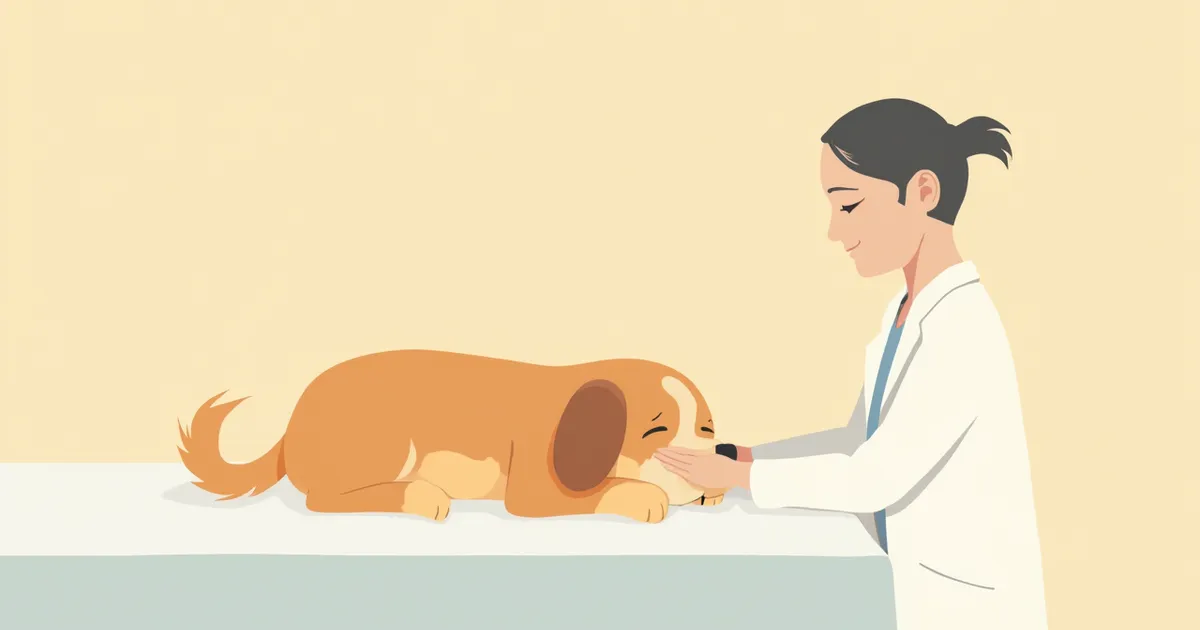
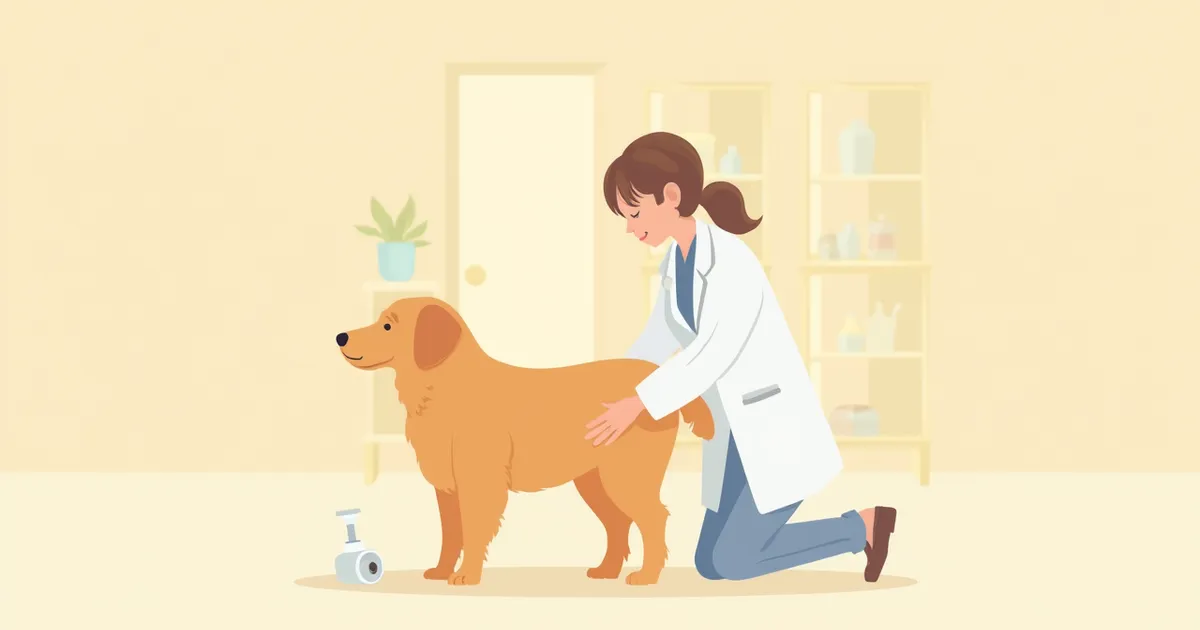
A veterinarian is performing a urinalysis on a puppy.

Treatment Methods and Step-by-Step Management
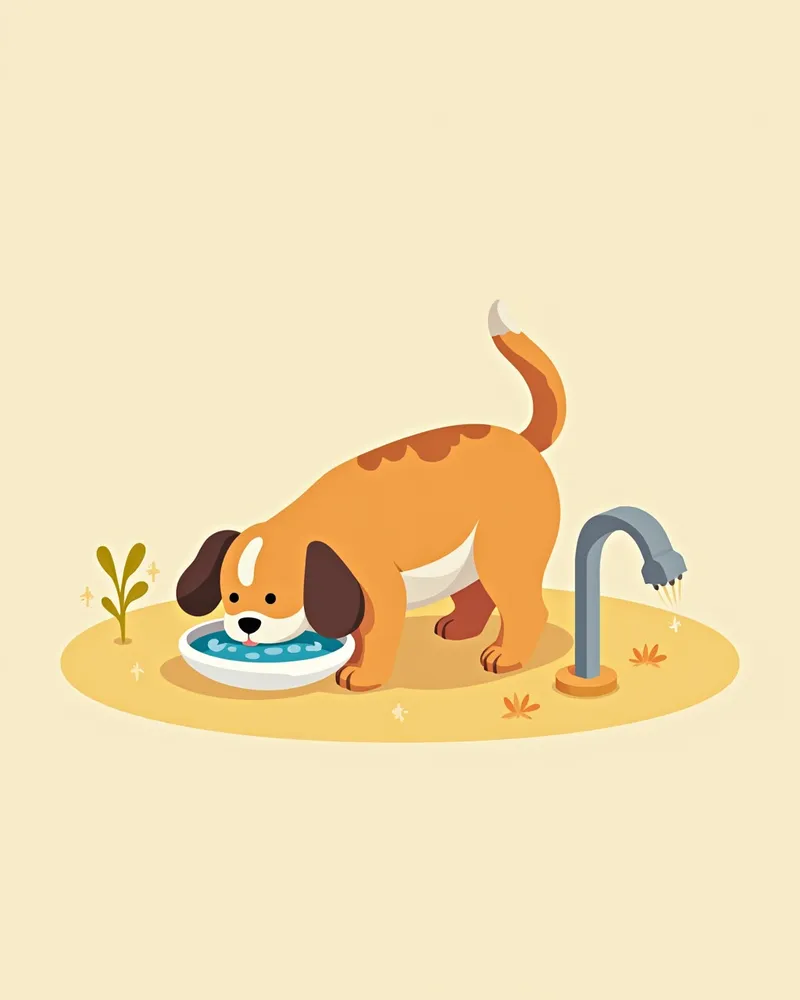
Treatment begins with antibiotics targeted at the specific bacteria causing the infection. Whenever possible, the antibiotic should be selected based on urine culture and susceptibility test results, and used for the most appropriate duration rather than longer than necessary. Stopping medication prematurely on your own may leave bacteria incompletely eradicated, so it’s important to complete the full course prescribed by your veterinarian, even if symptoms improve. In addition to medication, encouraging frequent water intake and increasing urination frequency can help. Regularly emptying the bladder helps keep it clean. For asymptomatic bacteriuria—where there are no clinical signs—antibiotic treatment is generally not recommended, so management should combine medication and lifestyle adjustments as determined by your veterinarian. Antibiotic use: Using antibiotics based on culture and susceptibility results for an appropriate duration is key to reducing recurrence and antibiotic resistance.
A dog drinking water and a stream-style water fountain

Management Tips at Home

Managing chronic recurrent urinary tract infections in dogs starts with daily care. Place multiple water bowls around the house to encourage frequent drinking. Clean the bowls daily and change the water two to three times a day. Keep the litter area clean and ensure it is comfortable for your dog to use. Gently wiping the external genital area after urination can help reduce the risk of infection. Additionally, regular walks and playtime help reduce stress and boost immunity. Hydration Management: Adequate water intake is essential for diluting urine, inhibiting bacterial growth, and keeping the bladder clean.
A clean puppy potty area

Breed-Specific Considerations and Recurrence Prevention

Certain breeds, seasonal changes, and physiological factors can increase the risk of urinary tract infections. This is especially true for middle-aged and senior male dogs, who may have concurrent prostate disease or urinary tract abnormalities, requiring closer attention. It’s also important to check for underlying risk factors such as urinary stones or tumors. To help prevent infections, regular check-ups and urinalysis are recommended. Even after completing medication, periodic urinalysis as advised by your veterinarian can help detect recurrences early.

Reviewed by a veterinarian

Dr. Tony — Punnawat Phongkittirak

Dr. Tony — Punnawat Phongkittirak

Veterinarian

A veterinarian who majored in veterinary medicine at Khon Kaen University, Thailand, and completed the IVSA program at North Carolina State University in the United States. Drawing on clinical experience at animal hospitals, he works in the pet healthcare field and is dedicated to building a digital care environment that connects pet parents with veterinarians.

Frequently Asked Questions

My dog is urinating frequently—could it be a urinary tract infection?
Frequent urination is a classic sign of a urinary tract infection. If your pet is passing only small amounts of urine and showing signs of pain while urinating, please consult your veterinarian right away.
What should I do if a urinary tract infection comes back after treatment?
Recurrences can occur if antibiotics aren’t completed as prescribed or if underlying conditions—such as urinary stones, anatomical abnormalities, or prostate disease—remain untreated. Work with your veterinarian to reassess the cause and address any underlying issues while making lifestyle adjustments.
How can I encourage my dog to drink more water?
Place water bowls in multiple locations and use a fountain-style water dispenser to encourage your pet to drink more frequently. Adding a small amount of fish broth or meat stock to the water can also help.
What dietary approaches can help prevent urinary tract infections?
Adequate water intake is essential for suppressing bacterial growth and maintaining bladder hygiene. The key is to ensure consistent hydration under your veterinarian’s guidance.
If your dog frequently suffers from urinary tract infections, what tests should you discuss with your veterinarian?
To check for stones or structural abnormalities, we need to perform urine culture, ultrasound, and X-ray examinations. Identifying any underlying conditions is crucial for preventing recurrence.

Comparison of Strategies to Prevent Recurrence of Urinary Tract Infections

ItemEffectPrecautions
Increased water intakeHighHelps eliminate bacteria by diluting the urine and promoting excretion.
Regular urinalysisVery highCan detect the early stages of recurrence early.
Use of special dietMediumA specific food designated by a veterinarian may contribute to increased water intake, but there is no evidence of a direct effect on suppressing bacterial growth.
Litter box hygiene managementMediumRemoving waste and cleaning are necessary to lower the likelihood of bacterial development.

A combined strategy is needed to prevent recurrence. A combination is more effective than any single strategy.

Share

Related Guides
References

[1] Plumb's Veterinary Drug Handbook, 9th Edition, 2022

[2] Small Animal Internal Medicine, 6th Edition, Nelson & Couto, 2021

[3] Veterinary Clinical Medicine of the Dog and Cat, 4th Edition, 2020

This information is based on veterinary literature and does not replace diagnosis or treatment. Please consult a veterinarian for specific health concerns.

Metapet Co., Ltd. | CEO: Park Sung-yong | Business Reg. No. 417-88-02562 | Seoul, South Korea | Customer Center

Chronic Recurrent UTI in Dogs: Symptoms, Causes, and Treatment | Meongsiljang