Like
Share
멍실장
강아지 집 내 배변 실수 증상과 원인, 진단·치료와 관리 포인트 총정리

If Your Dog Suddenly Has an Accident at Home — How to Distinguish Causes of Elimination Accidents and Disease Signals

Brain & CognitionDiseasesMeongsiljang Veterinary Advisory Board

If your dog suddenly has an accident at home, it’s important to check for both medical and behavioral causes. Accurately identifying the root cause is essential for proper treatment and successful retraining.

What Are Indoor Elimination Accidents in Dogs?
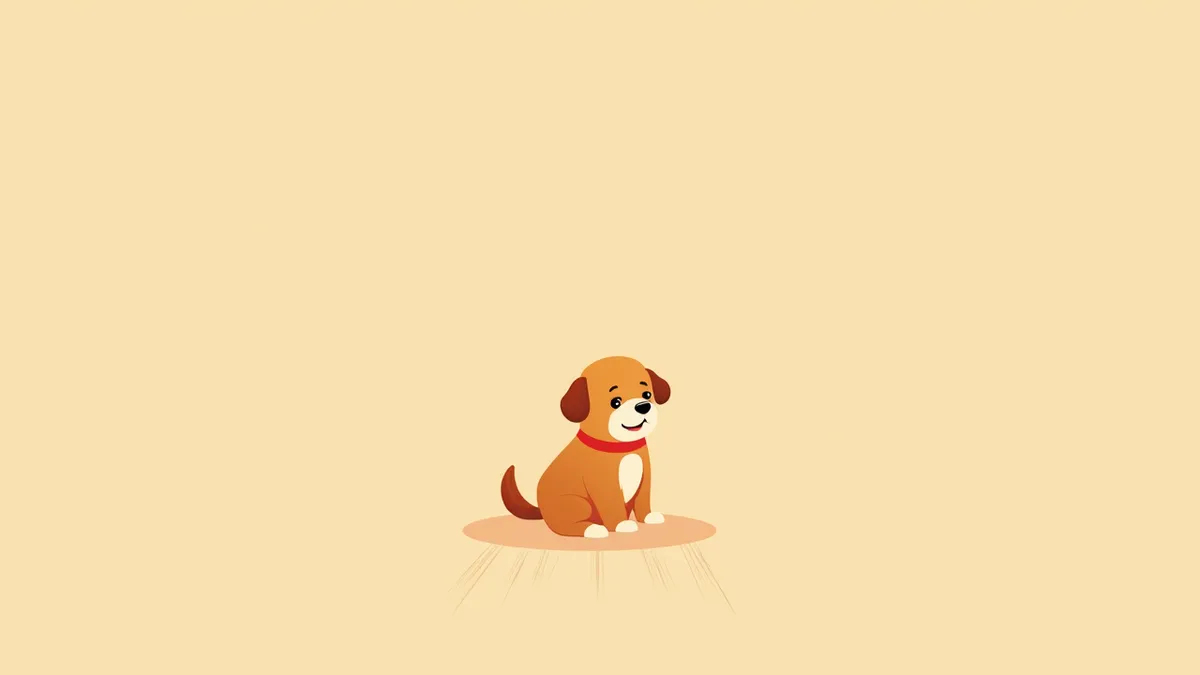
A dog looking at its owner after having an accident indoors
Indoor elimination accidents in dogs refer to a behavioral issue where a dog that has already completed house training urinates or defecates in inappropriate areas rather than the designated spot. However, these accidents should not be dismissed as mere "lack of training" or "behavioral problems" until all medical causes have been ruled out first. Underlying physical conditions, such as anal or rectal diseases and neurological (spinal) abnormalities, can impair a dog’s ability to control elimination. Therefore, if accidents occur suddenly, the priority is to have a veterinarian check for any medical causes before starting retraining. Only after all medical factors have been excluded should you thoroughly evaluate behavioral causes.

Causes of Elimination Accidents — Medical Causes vs. Behavioral Causes

Accidents when eliminating waste generally fall into two main categories.
Medical causes: These include cystitis, urinary tract infections, Cushing’s disease, diabetes, kidney disease, benign prostatic hyperplasia (in males), intervertebral disc disease, and nerve damage. In these cases, the dog’s ability to control urination is physically compromised, leading to involuntary accidents.
Behavioral causes: These include incomplete house training, separation anxiety, stress from environmental changes, marking behavior, and cognitive dysfunction syndrome in senior dogs (often called canine dementia). If your dog suddenly starts having accidents, it is essential to rule out medical causes first.

Check for These Accompanying Symptoms

Accidental urination + drinking more water and urinating frequently: Possible diabetes, Cushing’s disease, or kidney disease
Accidental urination + blood in urine: Possible cystitis, bladder stones, or urinary tract infection
Accidental defecation + weakness in hind legs: Possible spinal disc disease or nerve damage
Accidental urination and defecation + disorientation or loss of direction: Possible cognitive dysfunction syndrome (dementia) in senior dogs
Accidents + licking belly or difficulty sitting: Possible prostate issues (in males) or urinary tract pain
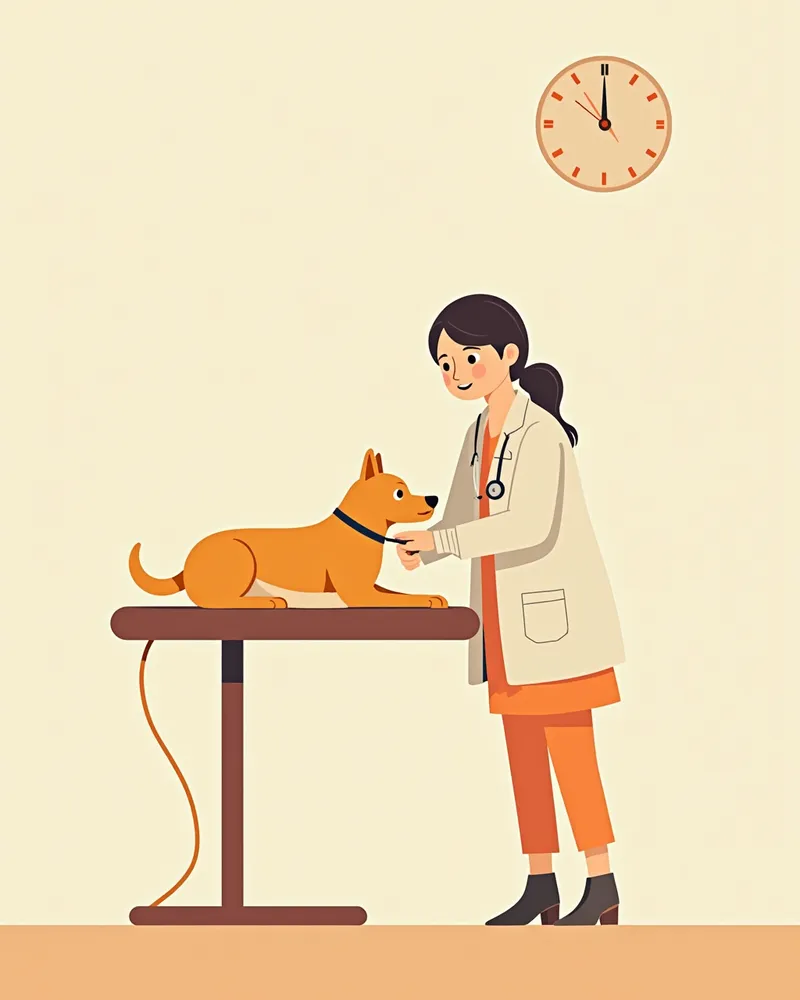
A puppy getting its belly examined at the vet clinic.

When to Seek Immediate Veterinary Care

If your pet is completely unable to urinate or only passing drops, if there’s visible blood in the urine, if they suddenly can’t use their hind legs, or if they cry out or show signs of severe pain during urination or defecation, these could be emergency situations. Seek veterinary care within 12 to 24 hours.

Diagnosis — How to Identify the Cause at the Veterinary Clinic

Physical examination: Abdominal palpation, inspection of the perianal area, and assessment of the prostate (in males)
Urinalysis: Detection of infectious agents, crystals, and hematuria
Blood tests: Evaluation of kidney and liver function, blood glucose, and hormone levels for abnormalities
Radiography and ultrasound: Imaging assessment for bladder stones, spinal compression, and prostatic enlargement
Neurological examination: Assessment of hindlimb reflexes and pain response in the spine
If a behavioral issue is suspected, a behavioral evaluation is conducted only after medical causes have been ruled out.

Treatment Options — Vary by Cause

Medical Treatment Cystitis and urinary tract infections → Prescription of antibiotics and anti-inflammatory medications Bladder stones → Prescription diet or surgical removal Cushing’s syndrome and diabetes → Long-term administration of hormone-regulating medications Intervertebral disc disease → Medical management or surgery Cognitive decline in senior dogs → Concurrent use of cognitive-support medications and supplements Behavioral Modification Relocate potty pads and restart timed potty training Separation anxiety → Behavioral therapy or prescription of anti-anxiety medications Eliminate environmental stressors
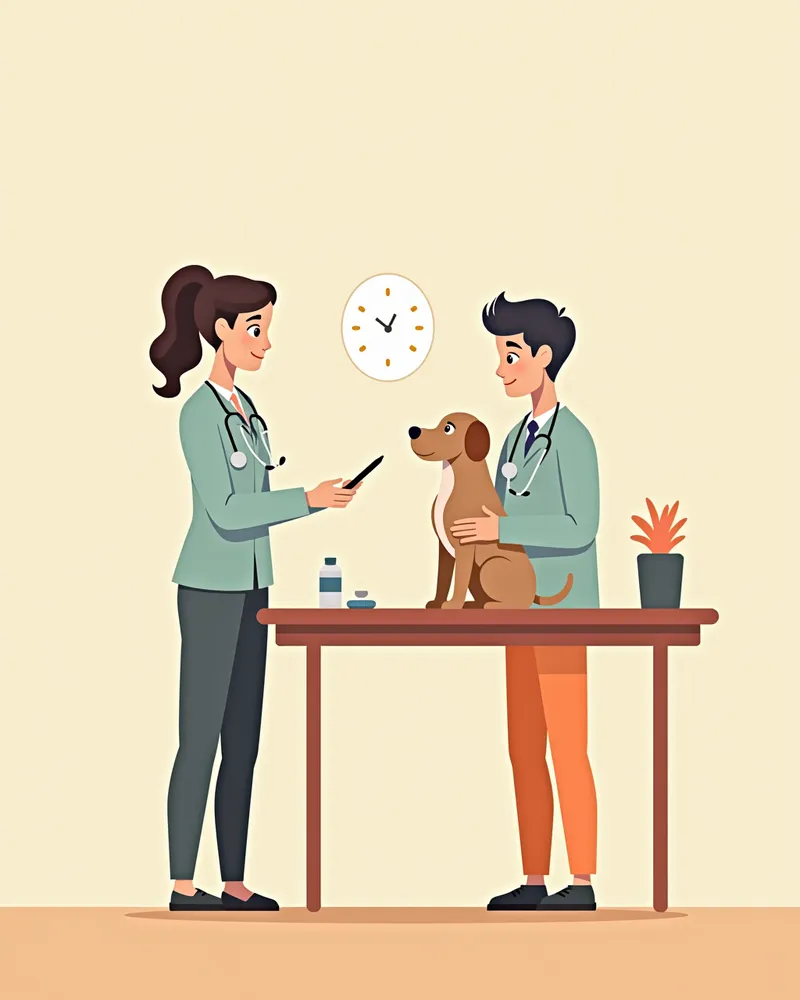
A pet owner and their dog consulting with a veterinarian about treatment options at an animal hospital.

Management Tips You Can Do at Home

Relocate the elimination spot: Place the pee pad near where accidents frequently occur to encourage success, then gradually move it back to the original location.
Praise only for success: Scolding immediately after an accident can cause your pet to fear you or develop the habit of eliminating in hidden spots.
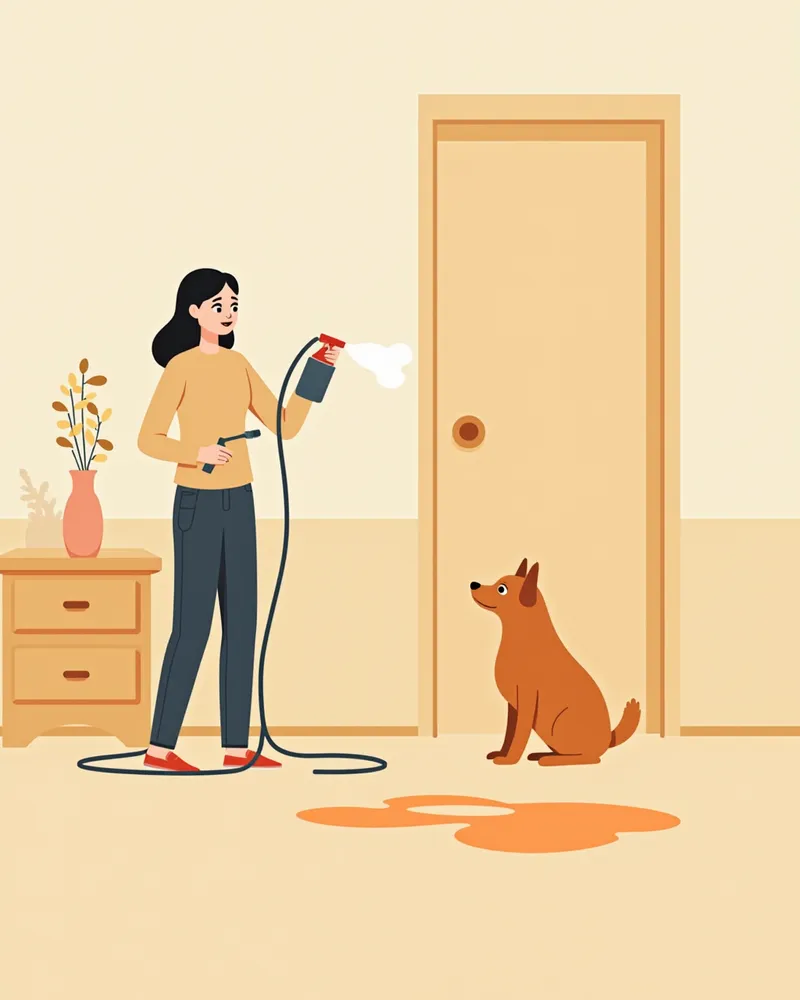
Completely eliminate odors: Use an enzyme-based cleaner to remove accident-site odors and prevent repeat incidents in the same area.
Track elimination timing: Record when your pet eliminates after meals, waking up, or playtime to identify patterns.
Check for stress triggers: Assess environmental changes such as moving, new furniture, or adding another pet.
A pet owner cleaning up their dog’s accident stains with an enzyme cleaner

Additional Considerations for Senior Dogs and Specific Breeds

In senior dogs aged seven and older, accidents may signal cognitive decline or muscle weakness. Female large-breed dogs, such as Labrador Retrievers, Doberman Pinschers, and Boxers, can also develop urinary incontinence due to hormonal changes after spaying. This condition can often be improved with medication, so please consult your veterinarian.

Reviewed by a veterinarian

Dr. Tony — Punnawat Phongkittirak

Dr. Tony — Punnawat Phongkittirak

Veterinarian

A veterinarian who majored in veterinary medicine at Khon Kaen University, Thailand, and completed the IVSA program at North Carolina State University in the United States. Drawing on clinical experience at animal hospitals, he works in the pet healthcare field and is dedicated to building a digital care environment that connects pet parents with veterinarians.

Frequently Asked Questions

My puppy, who was previously house-trained, has suddenly started having accidents. Why is this happening?
Before assuming that sudden accidents are simply a training issue, it is most important to rule out any underlying medical causes first. Since these incidents cannot be considered behavioral problems until all medical factors have been excluded, we recommend starting with a basic checkup at your veterinary clinic, including tests such as a urinalysis.
Is it okay to scold my pet when they make a mistake?
Avoid scolding your dog. They won’t connect the punishment with their past behavior; instead, they may become fearful of you or develop a habit of hiding when they make mistakes. Positive reinforcement—immediately praising them only when they succeed—is far more effective.
My pet keeps having accidents in the same spot. What should I do?
Dogs have a tendency to eliminate in areas where their own scent remains. It’s effective to completely remove the odor with an enzyme-based cleaner and then place their food bowl or toys there, helping them recognize that it’s not an appropriate spot for bathroom breaks.
Is frequent urination in small amounts a sign of house-training issues, or could it indicate another underlying problem?
Frequent, small-volume urination is more likely a sign of an underlying medical issue than a house-training problem. Don’t dismiss it as a simple accident; it’s best to have a veterinarian rule out any medical causes first. If your pet’s urine is unusually dark or contains blood, seek veterinary care promptly.
My senior dog has been having more accidents with bowel movements lately. Is there any treatment available?
Accidents in senior dogs can stem from various causes, including weakened anal sphincter muscles, spinal issues, and cognitive decline. Depending on the underlying cause, these problems can often be improved through medication, dietary adjustments, or supplements. It’s important to consult with your veterinarian to identify the root cause first.

Share

Related Guides

References

[1] Beaver, B.V. Canine Behavior: Insights and Answers. Saunders, 2009.

[2] Horwitz, D.F. & Mills, D.S. (Eds.) BSAVA Manual of Canine and Feline Behavioural Medicine, 2nd ed. BSAVA, 2009.

[3] Overall, K.L. Clinical Behavioral Medicine for Small Animals. Mosby, 1997.

[4] Ettinger, S.J., Feldman, E.C., Côté, E. Textbook of Veterinary Internal Medicine, 8th ed. Elsevier, 2017.

[5] Côté, E. Clinical Veterinary Advisor: Dogs and Cats, 3rd ed. Elsevier Mosby, 2015.

This information is based on veterinary literature and does not replace diagnosis or treatment. Please consult a veterinarian for specific health concerns.

Metapet Co., Ltd. | CEO: Park Sung-yong | Business Reg. No. 417-88-02562 | Seoul, South Korea | Customer Center

Dog Suddenly Has Accidents Indoors: Cause or Disease Sign? | Meongsiljang