Like
Share
멍실장
강아지 콕시듐감염 증상과 감염 경로, 치료·예방법 총정리

Coccidiosis in Dogs: Symptoms, Transmission Routes, Treatment, and Prevention

Infection/ParasitesDiseasesMeongsiljang Veterinary Advisory Board

Coccidiosis in dogs is a parasitic gastrointestinal disease caused by protozoan parasites invading the intestinal mucosa, leading to diarrhea and dehydration. It is particularly dangerous for puppies under six months of age, making early diagnosis and treatment essential.

What Is Coccidiosis in Dogs?
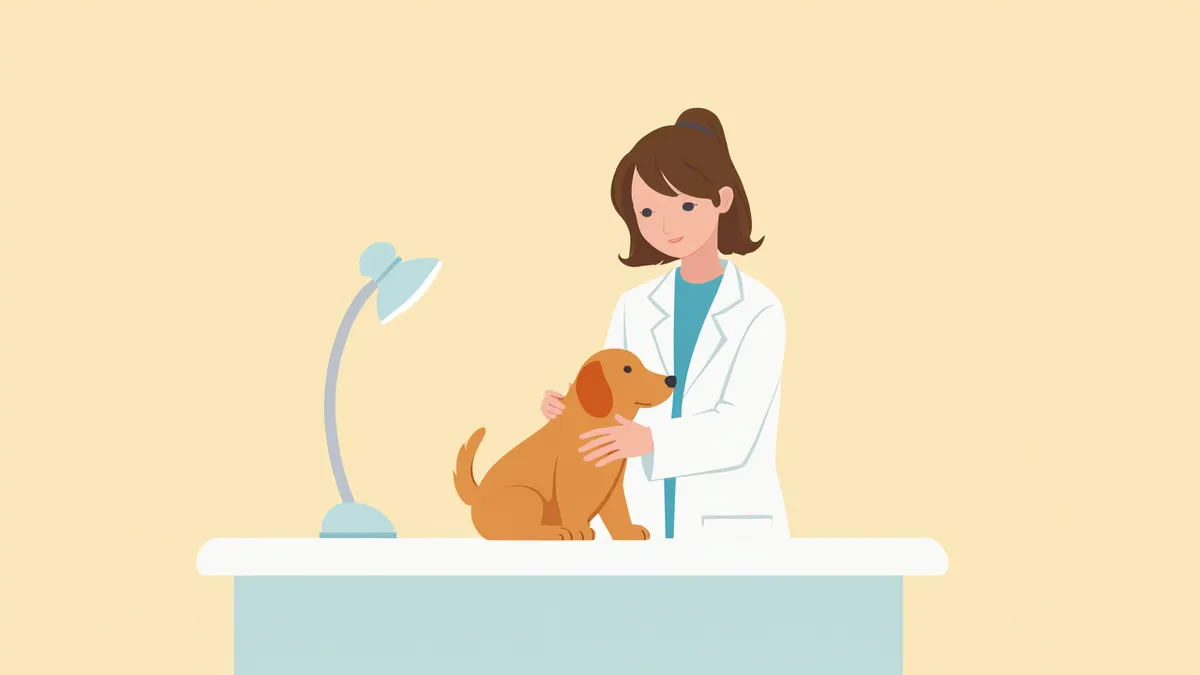
A young puppy being examined by a veterinarian
Coccidiosis in dogs is a parasitic gastrointestinal disease caused by single-celled protozoa called coccidia that infect the intestines.
Types of protozoa: These protozoa, which parasitize the intestines of dogs and cats, are commonly referred to as "coccidia" (including genera such as Cystoisospora and Isospora).
Primary affected group: Coccidian oocysts can be found in the feces of young puppies that appear healthy. However, symptomatic coccidiosis primarily affects young puppies, often occurring alongside weaning, relocation to a new home, or other stress factors.
Pathogenesis: As the protozoa parasitize and multiply in the intestines, they cause gastrointestinal symptoms such as diarrhea and abdominal pain.
Disease progression: In young puppies, weight loss can progress rapidly alongside diarrhea, requiring close monitoring.

How Is It Transmitted? — Infection Routes and Pathogenesis

Coccidian oocysts are shed in the feces of infected dogs and can also be found in the stool of seemingly healthy, asymptomatic puppies.
Source of infection: Oocysts excreted in feces can contaminate the living environment, leading to transmission to other dogs.
Triggering factors: Clinical coccidiosis often arises alongside environmental changes or stressors, such as weaning or moving to a new home.
Caution in group settings: In multi-dog households, the combination of stress and environmental contamination makes puppies more susceptible to developing symptoms.
Symptom presentation: Infection may cause gastrointestinal signs such as diarrhea, abdominal pain, decreased appetite, and weight loss.
Keeping the environment clean after defecation helps reduce the risk of transmission.

Key Symptoms for Owners to Monitor

Watery diarrhea: Loose stools may occur multiple times a day.
Abdominal pain: Your dog may show discomfort when their belly is touched or appear unable to settle into a comfortable position.
Decreased appetite: They may eat significantly less than usual or refuse food altogether.
Blood or mucus in stool: In severe cases, blood or mucus may be visible in the feces.
Vomiting: Some dogs may also experience vomiting.
Dehydration: Prolonged diarrhea can lead to dehydration; signs include sticky gums and reduced skin elasticity.
Weight loss and lethargy: Noticeable weight loss may occur over a short period, and your dog may appear less active and more lethargic than usual.
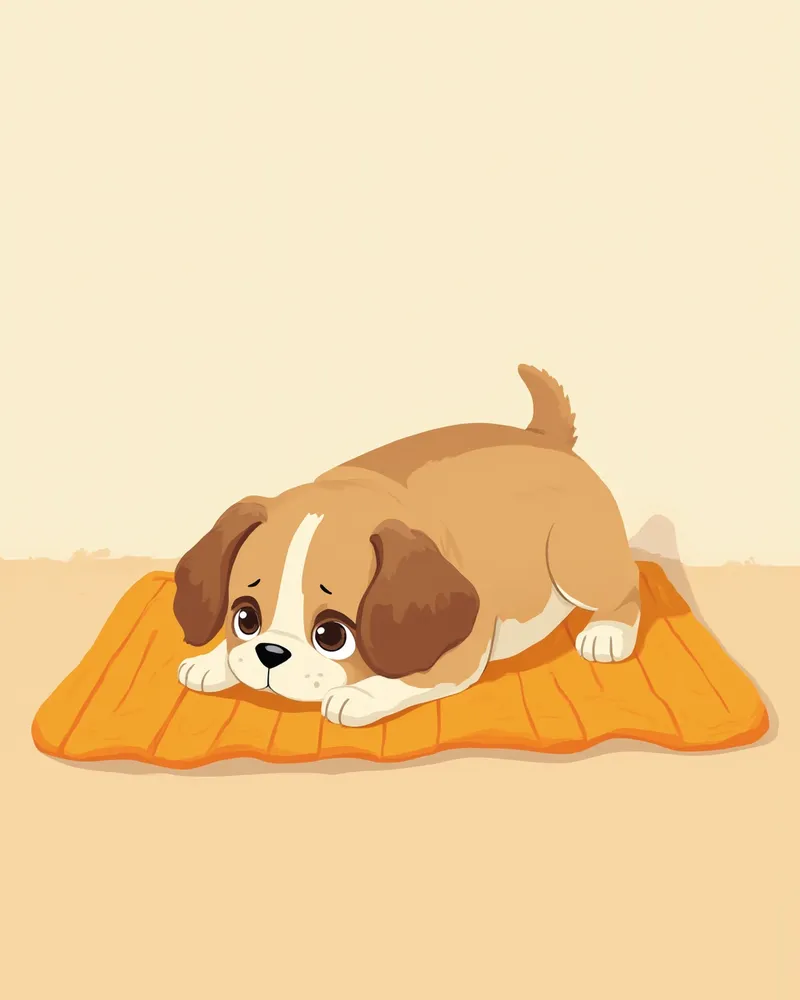
A lethargic dog lying down

When to Visit the Vet Immediately

If your dog has severe bloody diarrhea, diarrhea that lasts more than 24 hours, or both vomiting and diarrhea at the same time, you should go to the vet immediately. Puppies can quickly become dehydrated and develop low blood sugar, which can be life-threatening.

Diagnostic Methods for Coccidiosis

Coccidiosis is confirmed at the veterinary clinic through fecal testing.
Fecal flotation method: This is the most commonly used diagnostic technique. Feces are mixed with a special flotation solution to make the oocysts float to the surface, where they are then examined under a microscope.
Direct smear method: Fresh feces are thinly spread on a slide and directly observed under a microscope. This method is useful for quick on-site confirmation.
Need for retesting: Because oocyst shedding can be intermittent, if symptoms persist despite a negative result from a single test, it is advisable to repeat the test every 2–3 days.
Tips for collecting fecal samples: For higher test accuracy, collect fresh feces within 2–4 hours after defecation, store them in an airtight container in the refrigerator, and bring them to the clinic.

Treatment for Coccidiosis

Coccidiosis is treated with prescription medications as determined by your veterinarian.
Medication Prescription: Your vet will prescribe an antiprotozoal medication tailored to your dog’s condition and weight, and guide you on administering it for the specified duration.
Supportive Care: If dehydration is present, supportive therapies such as fluid therapy may be used concurrently. However, because vascular status can be compromised, fluid therapy must be administered with caution.
Complete Medication Course: It is crucial to complete the full prescribed course even if symptoms improve, as this helps prevent recurrence.
Follow-up Monitoring: After treatment, it is advisable to perform a follow-up fecal test to confirm that oocysts are no longer detectable.
Maintaining a clean living environment alongside medication helps reduce the risk of reinfection. Always follow your veterinarian’s specific instructions regarding the type of medication and treatment duration.
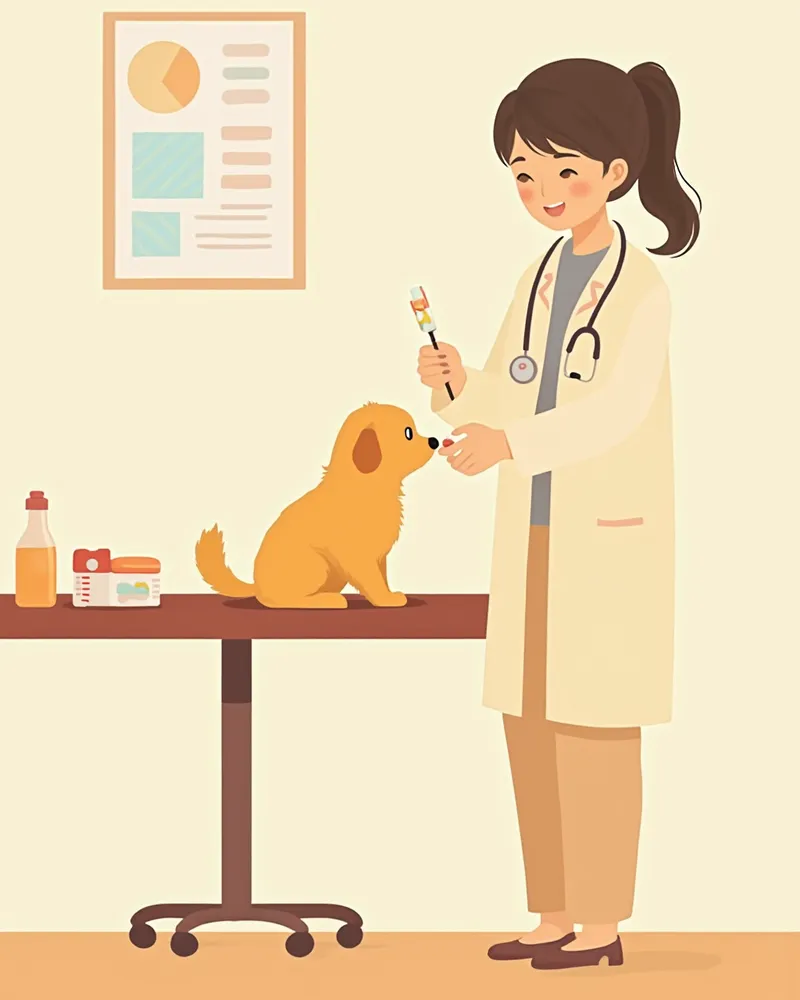
A veterinarian administering oral medication to a puppy

Home Care and Hygiene Guidelines

Hydration: Ensure your pet has constant access to fresh water. If they are not drinking enough, consult your veterinarian to determine the best method for supplemental hydration.
Reducing Digestive Strain: If your pet is showing gastrointestinal symptoms, switching to a bland, easily digestible diet under veterinary guidance can be helpful. In some cases, your vet may recommend a brief period of fasting followed by a gradual transition to soft food.
Hygiene: Promptly clean up after your pet eliminates and keep their living area tidy to minimize environmental contamination.
Isolation and Contact Management: If you have other pets, carefully manage interactions and shared spaces during the treatment period to prevent spread.
All care should be carried out under the diagnosis and guidance of your attending veterinarian for your pet’s safety.
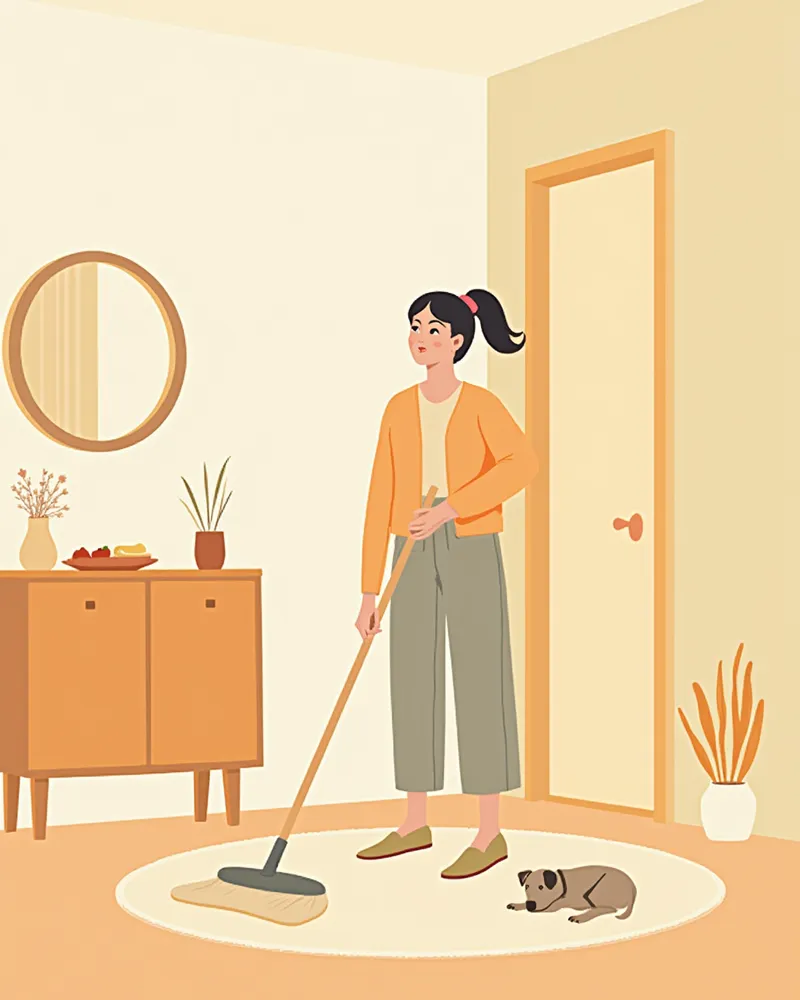
A pet owner disinfecting their dog’s living space

Preventing Recurrence — Environmental Management Is Key

Coccidia can be transmitted again through oocysts shed into the environment. Even after treatment is complete, there remains a risk of reinfection if the living space is contaminated. Regular fecal exams, immediate cleanup of feces, and thorough environmental cleaning are the most effective ways to prevent recurrence. Please consult your veterinarian to determine the appropriate management schedule and methods.

Reviewed by a veterinarian

Dr. Tony — Punnawat Phongkittirak

Dr. Tony — Punnawat Phongkittirak

Veterinarian

A veterinarian who majored in veterinary medicine at Khon Kaen University, Thailand, and completed the IVSA program at North Carolina State University in the United States. Drawing on clinical experience at animal hospitals, he works in the pet healthcare field and is dedicated to building a digital care environment that connects pet parents with veterinarians.

Frequently Asked Questions

Can coccidia be transmitted to humans?
Canine coccidia are protozoan parasites that inhabit the intestines of dogs and cats, and they are generally not known to be transmissible to humans. However, for safety, it is best to promptly clean up feces and follow basic hygiene practices, such as thorough handwashing. If you have any concerns, please consult your veterinarian.
How long does it take to treat coccidiosis?
The duration of treatment varies depending on your puppy’s condition. It is important to administer the veterinarian-prescribed medication for the full prescribed period and to confirm through a post-treatment fecal retest that no cysts are detected. Puppies with weakened immune systems or very young puppies may require more time to recover.
How often should my pet have a fecal exam?
Even if your pet shows no symptoms, regular fecal exams are recommended. Coccidian oocysts can be found in the stool of asymptomatic puppies, so it’s especially important to monitor closely and test regularly for young dogs or in multi-dog households. Consult your veterinarian to determine the appropriate testing schedule.
Is it safe for my dog, who is currently undergoing treatment, to come into contact with other dogs?
It’s safest to carefully manage your dog’s contact with other dogs until a follow-up fecal test confirms that no parasite cysts are present. Be especially cautious around puppies with weak immune systems and senior dogs. Please consult your veterinarian for detailed guidance on proper management.
Can coccidiosis be prevented with vaccinations?
The key to preventing and managing coccidia lies in hygiene and environmental control rather than vaccination. Promptly cleaning up feces, maintaining a clean living space, and conducting regular fecal exams are the most practical management strategies. It’s best to consult with your veterinarian to determine the most appropriate preventive approach for your pet.

Share

Related Guides

References

[1] Greene CE (ed): Infectious Diseases of the Dog and Cat, 4th ed, Chapter: Coccidiosis, Elsevier Saunders, 2012

[2] Lappin MR: Protozoal and miscellaneous infections, In: Ettinger SJ, Feldman EC, Côté E (eds), Textbook of Veterinary Internal Medicine, 8th ed, Elsevier, 2017

[3] Sherding RG: Intestinal Parasites, In: Birchard SJ, Sherding RG (eds), Saunders Manual of Small Animal Practice, 3rd ed, Elsevier Saunders, 2006

This information is based on veterinary literature and does not replace diagnosis or treatment. Please consult a veterinarian for specific health concerns.

Metapet Co., Ltd. | CEO: Park Sung-yong | Business Reg. No. 417-88-02562 | Seoul, South Korea | Customer Center

Coccidiosis in Dogs: Symptoms, Transmission & Prevention | Meongsiljang