Like
Share
멍실장
고양이 심낭삼출·심낭압전 증상과 원인, 진단·치료와 관리 포인트 총정리

If Your Cat Suddenly Becomes Lethargic — Symptoms and Treatment Timing for Pericardial Effusion and Cardiac Tamponade

HeartDiseasesMeongsiljang Veterinary Advisory Board

Feline pericardial effusion is a condition in which excess fluid accumulates around the heart, impairing its function, and pericardial tamponade can be a life-threatening emergency. Early diagnosis and appropriate treatment are essential.

What Are Feline Pericardial Effusion and Cardiac Tamponade?
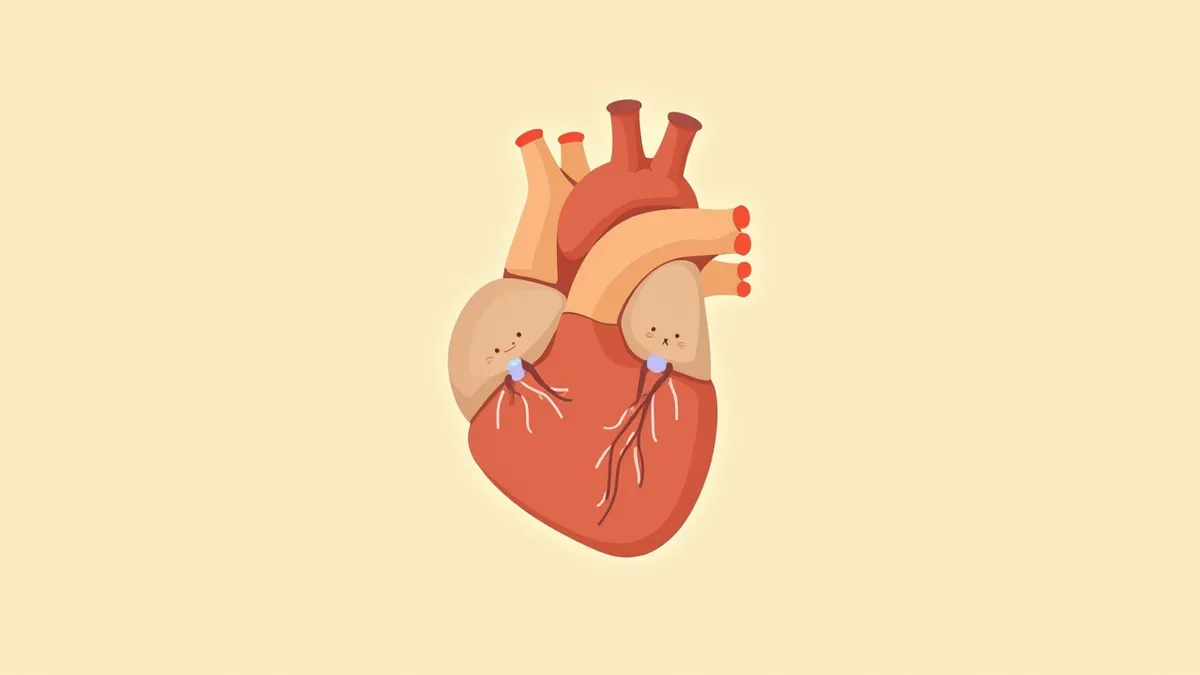
An anatomical illustration of a cat with pericardial effusion, showing fluid accumulation around the heart.
Feline pericardial effusion is a condition in which excess fluid accumulates in the pericardial sac surrounding the heart. As this fluid builds up, it impairs the heart’s ability to contract properly, leading to decreased cardiac function. In severe cases, it can progress to cardiac tamponade—a life-threatening emergency in which the heart is compressed and unable to pump blood effectively, requiring immediate treatment. Early detection and appropriate management are key to improving treatment outcomes. When fluid accumulates rapidly, symptoms such as difficulty breathing or shock can develop quickly. Because this condition is difficult to detect from external signs alone, regular health check-ups are essential.

What Are the Main Causes of Pericardial Effusion?
Pericardial effusion in cats can have various causes. According to veterinary textbooks, pericardial effusion is relatively rare in cats compared to dogs, and when it does occur, it is most commonly associated with congestive heart failure. Other potential causes include tumors around the heart (such as lymphoma, chemodectoma, and mesothelioma), feline infectious peritonitis (FIP), trauma, and blood clotting disorders. In some cases, the cause remains unclear, leading to a classification of idiopathic (cause unknown). Because treatment approaches and prognosis vary significantly depending on the underlying cause, accurately identifying the cause is crucial for developing an effective treatment plan. Regular health check-ups and cardiac examinations can help with early detection.
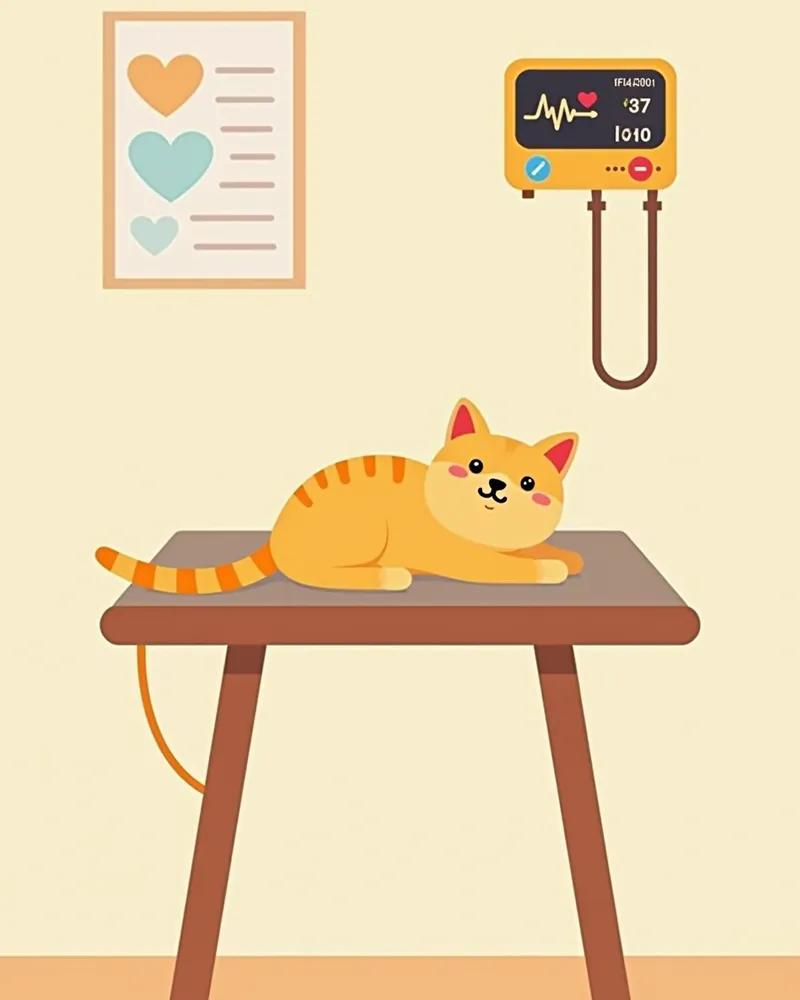
A scene of a cat being examined after showing abnormal signs on a heart monitor.

What Are the Main Symptoms of Pericardial Effusion?

Pericardial effusion may not present with obvious symptoms in its early stages. However, as fluid accumulates and compresses the heart, signs such as difficulty breathing, coughing, lethargy (reduced activity), and decreased appetite can appear. In severe cases, a sudden drop in blood pressure can lead to collapse, creating an emergency situation.
Difficulty breathing: The pet breathes heavily with its mouth open, struggling to get air.
Lethargy: The pet shows little interest in moving and remains listless throughout the day.
Decreased appetite: There is a noticeable reduction in food intake compared to normal levels.
Pulse changes: A weak pulse that becomes even weaker during inhalation, known as pulsus paradoxus, is characteristic.
Hypotension: A sudden drop in blood pressure can cause the pet to collapse.
A cat experiencing difficulty breathing

Emergency Signs Requiring Immediate Veterinary Visit

If your cat suddenly has difficulty breathing, is panting with its mouth open, collapses unexpectedly, or has a weak, hard-to-detect pulse, these could be emergency symptoms of cardiac tamponade. Immediate veterinary care is essential. Delaying treatment can lead to life-threatening hypotension and shock.

How Is It Diagnosed?
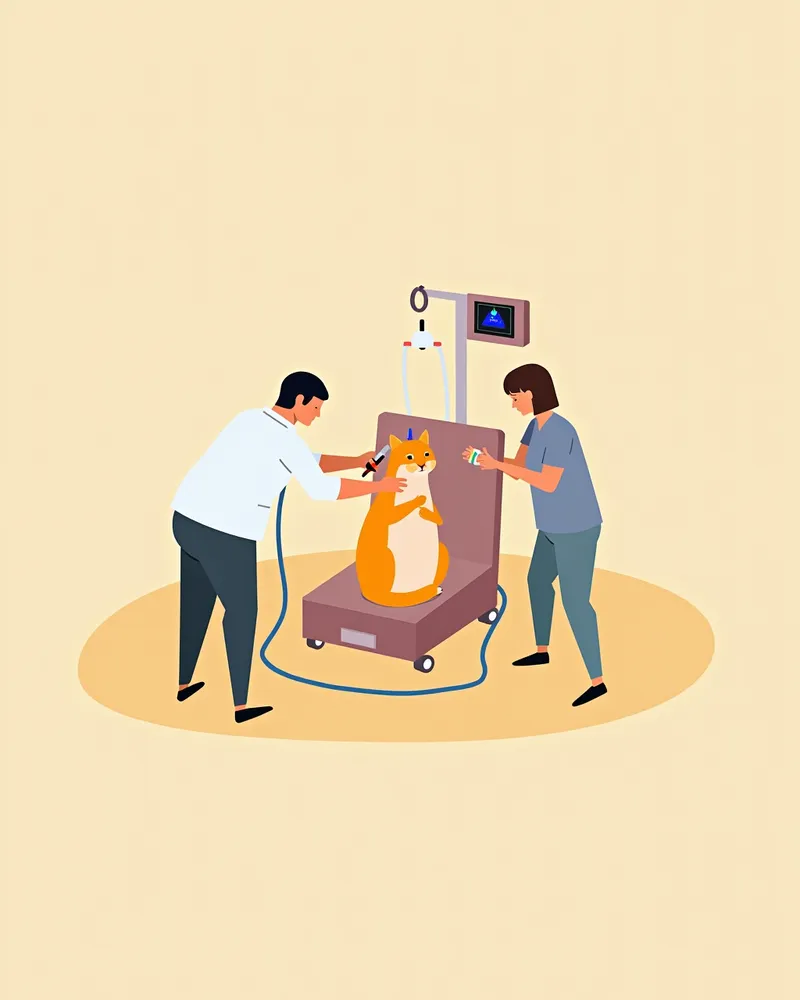
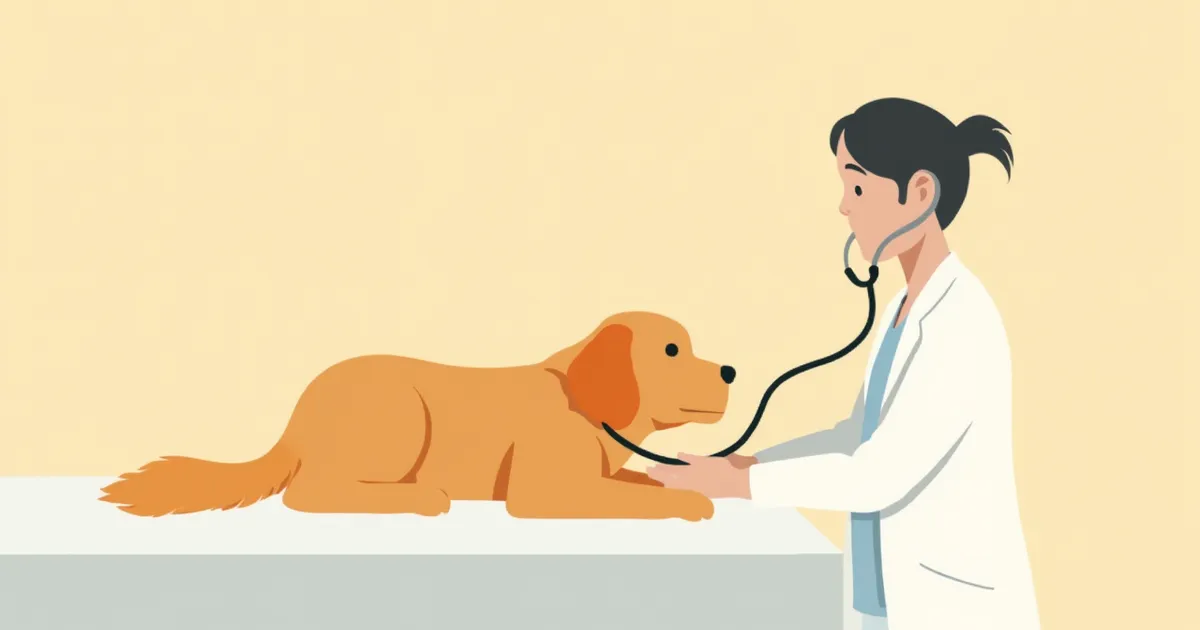
Pericardial effusion can be accurately diagnosed using ultrasound, which allows us to see if fluid is accumulating around the heart and how it is compressing the heart. It is particularly useful for evaluating how the heart's contraction and relaxation functions are affected. Blood tests and electrocardiograms (ECG) are also performed to help identify the underlying cause. In some cases, pericardiocentesis, a procedure to collect and analyze the fluid, may be necessary. This test is crucial for determining the nature of the fluid and checking for infections or tumors. Multiple diagnostic tests are often conducted together to ensure an accurate diagnosis.
A veterinarian examining a cat’s heart using an ultrasound device on its chest

How Is It Treated?

In cases of cardiac tamponade, the most critical step is the immediate removal of fluid accumulated around the heart. Pericardiocentesis relieves the pressure on the heart, allowing it to refill and pump effectively, which is often life-saving in emergency situations. Subsequent treatment depends on the underlying cause and may include chemotherapy, antibiotics for infections, or surgery. Because fluid often reaccumulates after drainage, pericardiectomy may be considered as a long-term solution. Regular follow-up examinations are essential to monitor for fluid reaccumulation, and close collaboration with your veterinarian is key to successful treatment.
A surgical procedure on a cat to remove fluid through pericardiocentesis

Home Care Points

Regular veterinary check-ups are essential even after treatment to ensure that fluid does not accumulate again. Carefully monitor your pet, manage their activity levels, and provide a low-stress environment. If heart function is compromised, dietary adjustments and medication may be necessary. Always follow your veterinarian’s instructions for medication. Visit the clinic immediately if you notice any changes in symptoms. Proper care at home plays a significant role in treatment success and preventing recurrence.
A cat resting comfortably after treatment

Preventing Recurrence and Breed Considerations

Pericardial effusion often recurs even after drainage, especially when caused by a tumor. In cats, it can also occur alongside underlying heart conditions such as congestive heart failure. Regular cardiac check-ups are essential, and if fluid reaccumulates, prompt veterinary care is necessary.

Reviewed by a veterinarian

Dr. Tony — Punnawat Phongkittirak

Dr. Tony — Punnawat Phongkittirak

Veterinarian

A veterinarian who majored in veterinary medicine at Khon Kaen University, Thailand, and completed the IVSA program at North Carolina State University in the United States. Drawing on clinical experience at animal hospitals, he works in the pet healthcare field and is dedicated to building a digital care environment that connects pet parents with veterinarians.

Frequently Asked Questions

Is pericardial effusion a common condition in cats?
Pericardial effusion is relatively uncommon in cats compared to dogs, and progression to cardiac tamponade is even rarer. When it does occur, it is often associated with congestive heart failure, though tumors, trauma, and feline infectious peritonitis (FIP) can also be underlying causes. Early detection is crucial.
Can pericardial tamponade be treated?
Pericardial tamponade is a medical emergency that can be stabilized by immediately relieving the pressure through pericardiocentesis. However, long-term prognosis varies significantly depending on the underlying cause, and because fluid often reaccumulates after drainage, ongoing management may be necessary.
What should we do when the cause of pericardial effusion remains unknown?
In some cases, the cause may remain unknown. In such situations, it's important to prevent fluid from reaccumulating through regular check-ups and careful monitoring of symptoms.
Can a cat become active again after pericardiocentesis?
Once your pet’s condition stabilizes after treatment, they can gradually resume their daily activities. However, it’s important to minimize stress and keep up with regular check-ups.
Can pericardial effusion be prevented?
Prevention can be challenging depending on the cause. However, regular health check-ups and stress management can help reduce the risk.

Share

Related Guides

References

[1] The Cat, Clinical Medicine and Management, 2nd Edition, 2020

[2] Small Animal Critical Care Medicine, 3rd Ed, 2018

[3] Textbook of Cardiovascular Medicine in Dogs and Cats, 2019

This information is based on veterinary literature and does not replace diagnosis or treatment. Please consult a veterinarian for specific health concerns.

Metapet Co., Ltd. | CEO: Park Sung-yong | Business Reg. No. 417-88-02562 | Seoul, South Korea | Customer Center

Feline Pericardial Effusion & Tamponade: Signs & Timing | Meongsiljang