Like
Share
멍실장
고양이 수신증 증상과 원인, 진단·치료와 관리 포인트 총정리

If Your Cat’s Kidneys Are Swollen — Causes of Hydronephrosis and Treatment Timing

KidneyDiseasesMeongsiljang Veterinary Advisory Board

Feline hydronephrosis is a condition in which the kidneys become excessively swollen, often caused by urinary tract obstruction or congenital abnormalities. Early detection and treatment are crucial.

What Is Feline Hydronephrosis?
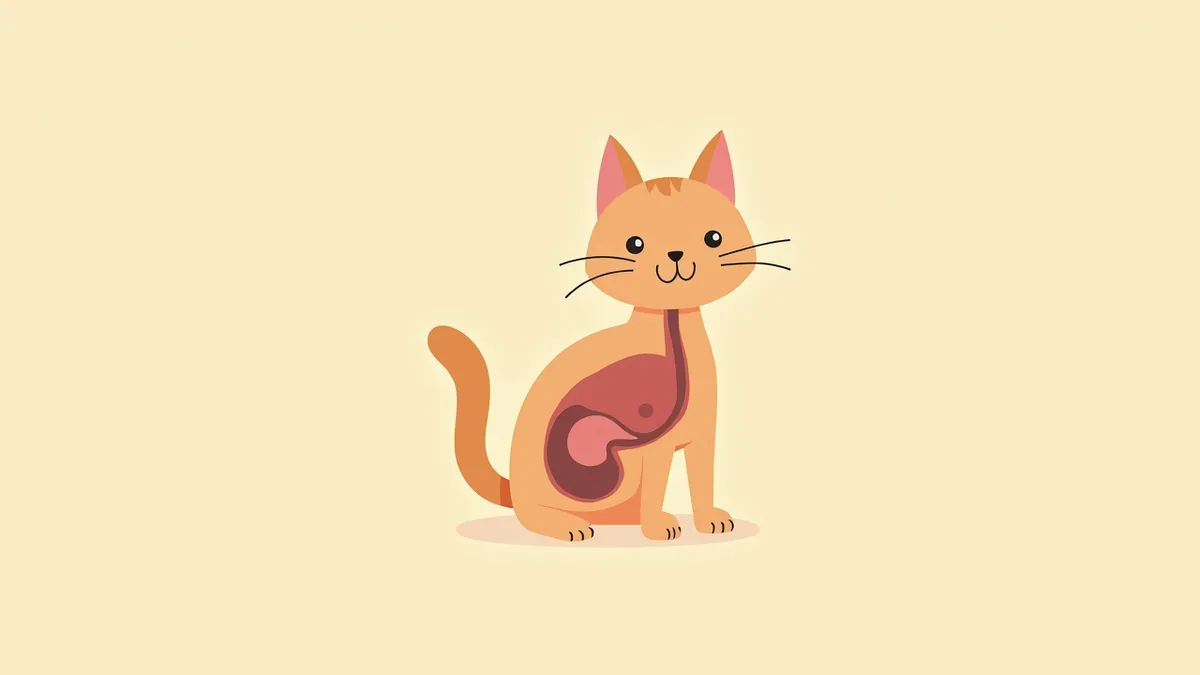
An anatomical illustration showing a cat's urinary system.
Feline hydronephrosis is a condition in which the kidneys become excessively swollen due to impaired urine drainage. It can be caused by urinary tract obstruction, stones, or congenital malformations, and the resulting pressure on the kidneys can lead to functional decline. - Kidney dilation: Abnormal enlargement of the kidneys may cause abdominal pain or swelling. - Risk of functional decline: Over time, kidney function can be damaged, potentially progressing to chronic kidney disease. - Ultrasound examination: Veterinarians primarily use ultrasound to accurately assess kidney size and shape. Early detection and treatment are crucial for kidney recovery.

What Are the Main Causes of Hydronephrosis?
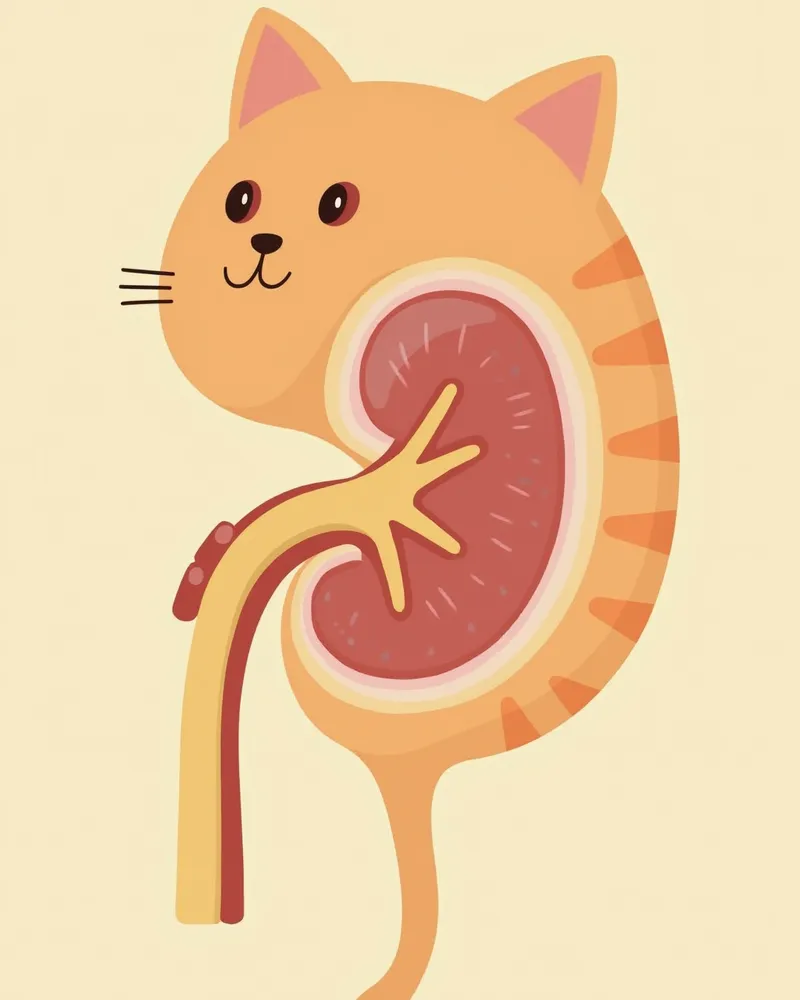
The most common cause of hydronephrosis in cats is urinary tract obstruction. When stones, inflammation, blood clots, or tumors block the ureters, urine backs up and causes the kidneys to swell. - Urinary tract obstruction: This is especially common in male cats and can progress acutely. - Stone formation: Concentration of minerals such as calcium and magnesium can lead to stone formation in the kidneys or ureters, blocking urine flow. - Congenital abnormalities: Structural anomalies of the kidneys or ureters may also be present. - Inflammation or infection: Inflammation in the urinary tract can cause swelling and narrow the drainage pathway, leading to hydronephrosis. Imaging tests are essential to accurately identify the underlying cause.
An illustrative image showing a cat's ureter obstructed by a stone in the kidney.

What Are the Main Symptoms of Hydronephrosis?
The hallmark signs of feline hydronephrosis include abdominal pain, loss of appetite, vomiting, and difficulty urinating. In some cases, the condition progresses without any noticeable symptoms. As the kidneys swell, they may become tender to the touch. A veterinarian can confirm the diagnosis using ultrasound. Early detection is key to successful treatment.
Abdominal pain: Your cat may react by moving away or crying out when you touch its belly.
Loss of appetite: There may be a sudden decrease in food intake or a complete refusal to eat.
Repeated vomiting: Frequent vomiting can occur due to digestive upset or the buildup of toxins.
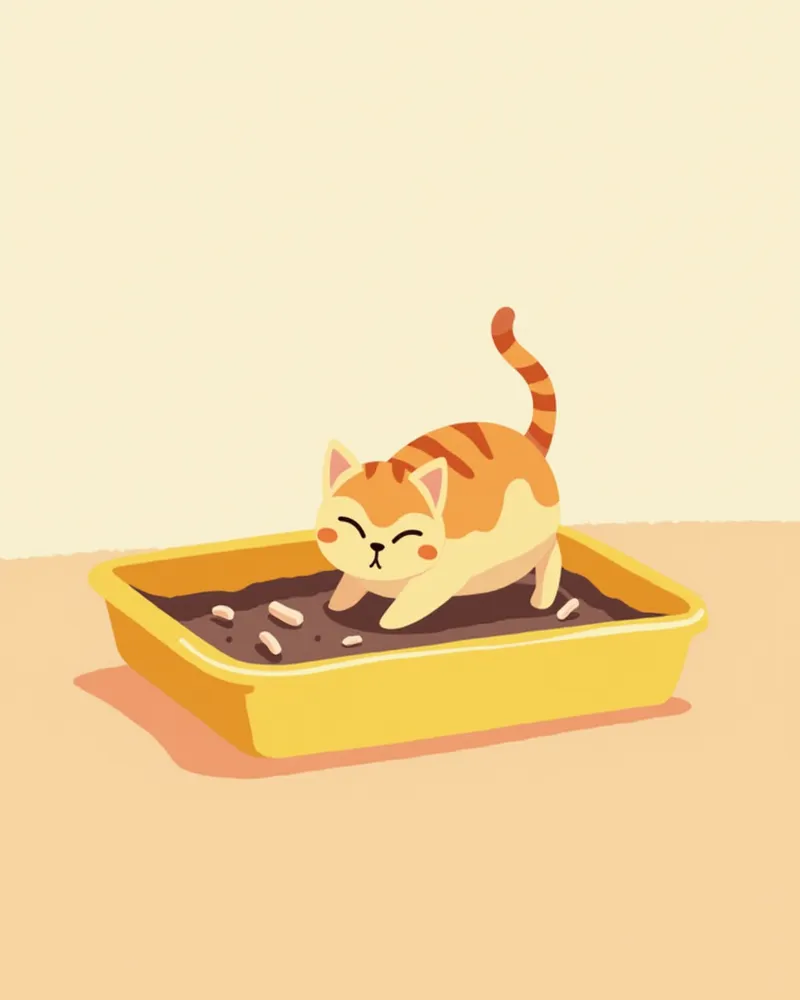
Difficulty urinating: Your cat may strain in the litter box but produce little or no urine.
Lethargy: Your cat may remain inactive and stay in one spot all day.
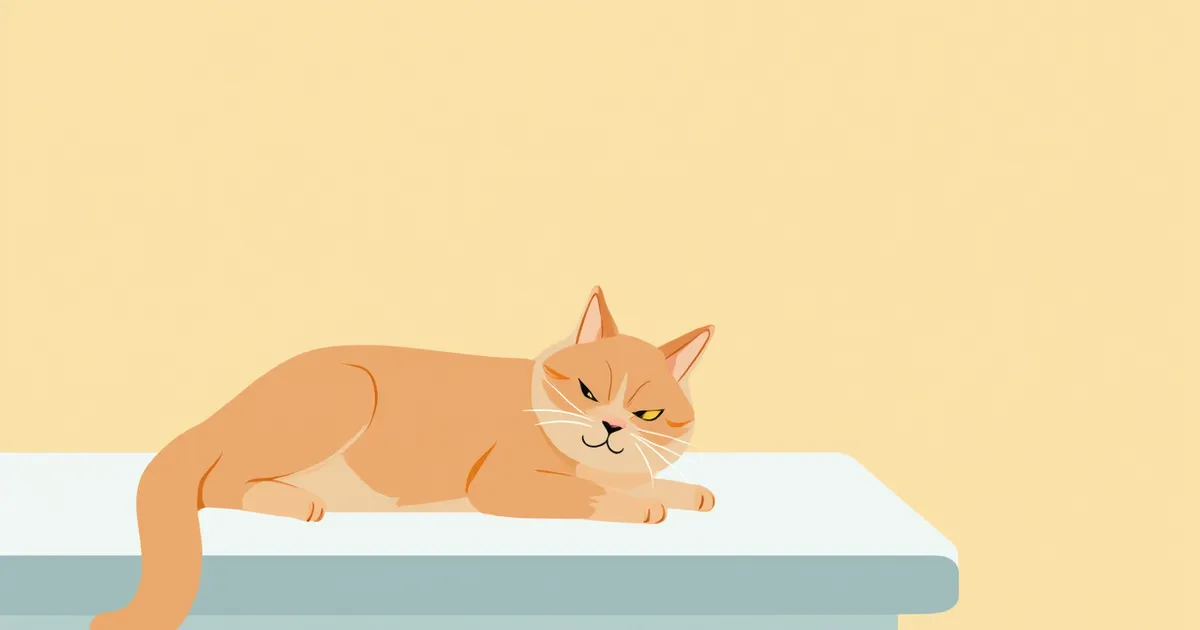
A realistic-style illustration depicting a cat showing signs of abdominal pain.

Symptoms Requiring Immediate Veterinary Visit

If your cat is unable to urinate at all or is experiencing severe vomiting and pain, seek veterinary care immediately. These symptoms may indicate a urinary tract obstruction. The extent of kidney damage caused by the obstruction depends on whether it affects one or both sides, whether it is partial or complete, the duration of the blockage, and the presence of any underlying kidney disease, making prompt action critical. Additionally, obstructions in the urethra or both ureters can rapidly lead to life-threatening systemic complications, such as elevated blood potassium levels. A veterinarian must urgently assess the site of the obstruction and provide treatment to restore urine flow.

How Is Hydronephrosis Diagnosed?
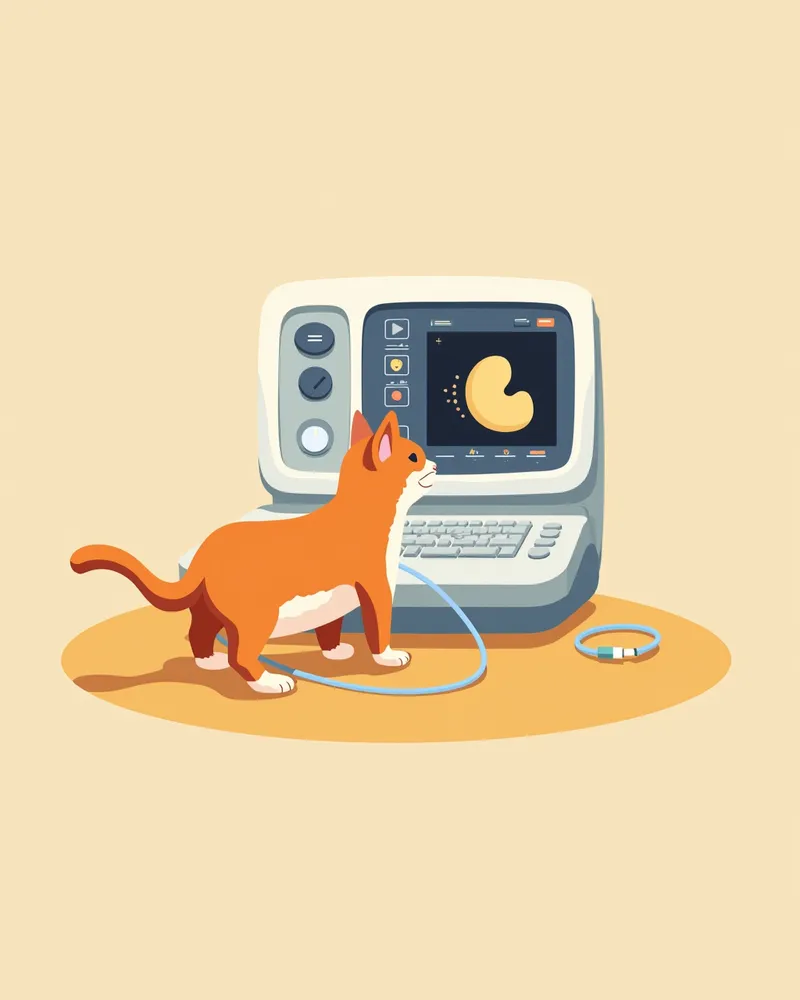
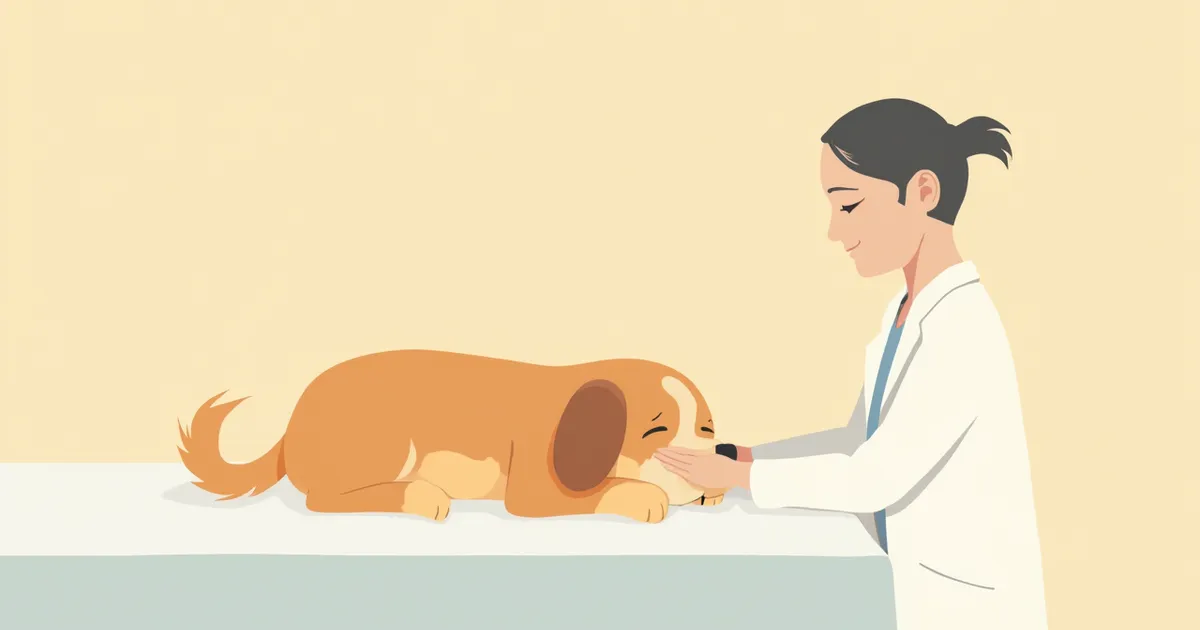
Hydronephrosis is most accurately diagnosed through ultrasound examination, which allows us to assess kidney size and shape, evaluate urine flow, and distinguish between acute and chronic cases. - Ultrasound: Visually assesses the degree of kidney swelling and whether the ureters are dilated. - Blood tests: Evaluate kidney function by measuring creatinine and BUN levels. - Urinalysis: Checks for infection, proteinuria, hematuria, and other abnormalities. - CT or X-ray: In complex cases, these imaging techniques may be added to precisely identify structural abnormalities. A combination of these tests ensures an accurate diagnosis.
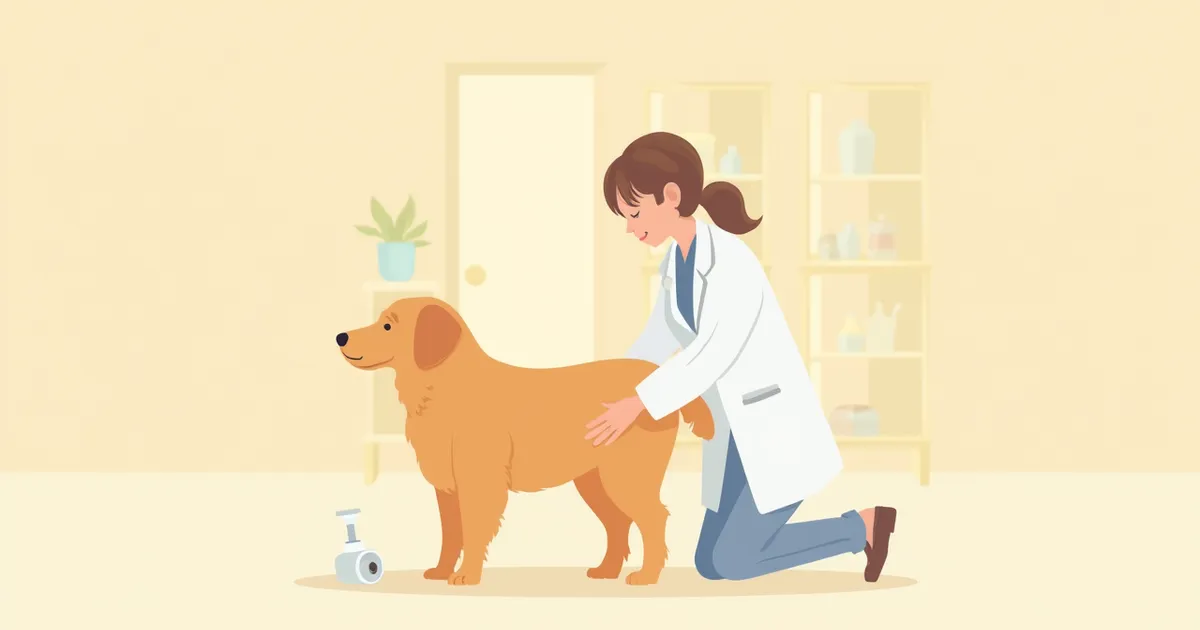
A realistic-style illustration showing a veterinarian scanning a cat's abdomen with an ultrasound.

Treatment Methods and Step-by-Step Management
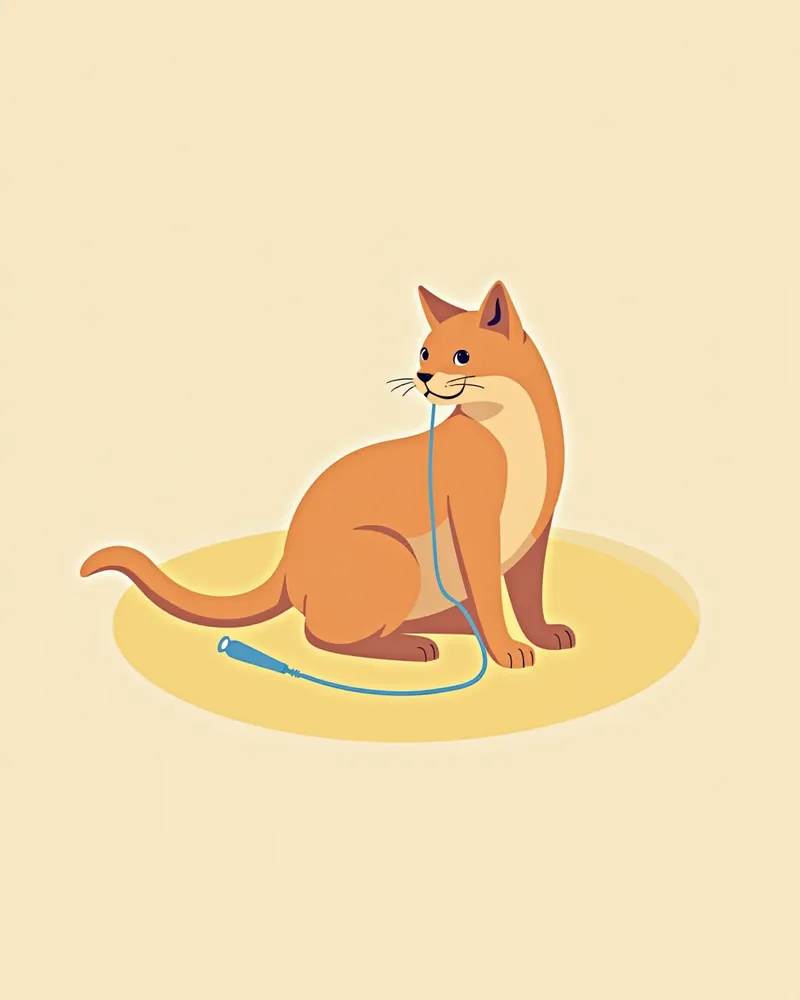
Treating hydronephrosis centers on addressing the underlying cause. If a urinary tract obstruction is responsible, the blockage is relieved through ureteral drainage or surgery. - Ureteral drainage: This urgently facilitates urine flow to reduce pressure on the kidneys. - Antibiotic administration: If an infection is present, antibiotics are given to eliminate the causative pathogens. - Pain management: Appropriate medications are used to alleviate the cat’s discomfort. - Fluid therapy: Intravenous fluids are administered to prevent dehydration and support kidney function recovery. - Nutritional management: During treatment, follow the veterinarian’s recommendation for a renal diet rather than changing the diet on your own, and ensure adequate water intake to reduce the burden on the kidneys. The veterinarian will develop a step-by-step treatment plan tailored to the cat’s condition.
An illustration depicting a veterinarian performing a procedure to insert a catheter into a cat’s urethra.

Home Care Points

After treatment, follow your veterinarian’s instructions for medication and dietary management. Ensure your pet has plenty of fresh water and keep the litter box clean. Provide a quiet environment to minimize stress and maintain a consistent feeding schedule. Regular veterinary check-ups are essential to prevent recurrence.
Encourage water intake: Place multiple water bowls around the home and consider using a flowing water fountain.
Litter box care: Clean the litter box daily and use the type of litter your cat prefers.
Reduce stress: Provide a quiet, safe space and minimize external disturbances.
Regular check-ups: Visit the vet at recommended intervals to monitor kidney function and check for signs of recurrence.
An illustration of a cat-friendly indoor environment featuring a clean litter box and a water mister.

Preventing Recurrence and Breed Precautions

Purebred and long-haired cats are known to be at higher risk for lower urinary tract diseases, so regular check-ups are recommended. Conditions like urethral stones or urinary obstruction can lead to hydronephrosis, so it’s best to follow your veterinarian’s recommended schedule for exams. Additionally, to support urinary health, make sure your cat stays well-hydrated and keep their litter box clean.

Reviewed by a veterinarian

Dr. Tony — Punnawat Phongkittirak

Dr. Tony — Punnawat Phongkittirak

Veterinarian

A veterinarian who majored in veterinary medicine at Khon Kaen University, Thailand, and completed the IVSA program at North Carolina State University in the United States. Drawing on clinical experience at animal hospitals, he works in the pet healthcare field and is dedicated to building a digital care environment that connects pet parents with veterinarians.

Frequently Asked Questions

Is feline hydronephrosis treatable?
With accurate diagnosis and early treatment, most pets can make a full recovery. However, if kidney function is impaired, long-term management will be necessary.
Can a cat die from hydronephrosis?
If a urinary tract obstruction persists for too long, it can cause permanent kidney damage or lead to systemic toxicity. Immediate veterinary care is essential.
Is polycystic kidney disease common in cats?
While this condition is relatively rare overall, it commonly occurs in cats with urinary tract abnormalities or stones. Male cats are at higher risk than females.
How can I prevent obesity?
The most effective approach is to increase your pet's water intake, feed a diet that supports urinary tract health, and schedule regular veterinary check-ups. Proper litter box maintenance is also essential.
Can hydrocephalus recur?
If the underlying cause isn’t addressed or proper care isn’t maintained, the condition may recur. It’s important to work with your veterinarian to develop a long-term management plan.

Comparison of Hydronephrosis Treatment Methods

ItemTiming of applicationEffectPrecautions
Ureteral drainageIn acute obstructionImmediate effectPain relief, functional recovery
Surgical removalWhen a stone or tumor is presentLasting effectReduced risk of recurrence
Drug therapyIn case of infection or painAdjunctive effectAids in removing the cause

The treatment method is determined by the veterinarian depending on the cat's condition and the cause.

Share

Related Guides

References

[1] Schriefl S, Steinberg TA, Matiasek K, et al. Etiologic classification of seizures, signalment, clinical signs, and outcome in cats with seizure disorders: 91 cases. J Am Vet Med Assoc 2008;233(10):1591-7.

[2] Coates JR, Bergman RL. Seizures in young dogs and cats: pathophysiology and diagnosis. Compendium 2005:447-59.

[3] Barnes HL. Feline epilepsy. Vet Clin North Am Small Anim Pract 2018;48(1):31-43.

This information is based on veterinary literature and does not replace diagnosis or treatment. Please consult a veterinarian for specific health concerns.

Metapet Co., Ltd. | CEO: Park Sung-yong | Business Reg. No. 417-88-02562 | Seoul, South Korea | Customer Center

Cat's Kidneys Swollen? Hydronephrosis Causes & Treatment Timing | Meongsiljang