Like
Share
멍실장
강아지 외이염 종류별 (세균·곰팡이·진드기) 치료

Treatment of Canine Otitis Externa by Type (Bacterial, Fungal, Parasitic)

Skin & CoatDiseasesMeongsiljang Veterinary Advisory Board

Canine otitis externa is classified into bacterial, fungal, and parasitic types depending on the causative agent. Because the treatment medications and management strategies differ significantly for each cause, accurate diagnosis is essential.

What Is Canine Otitis Externa?

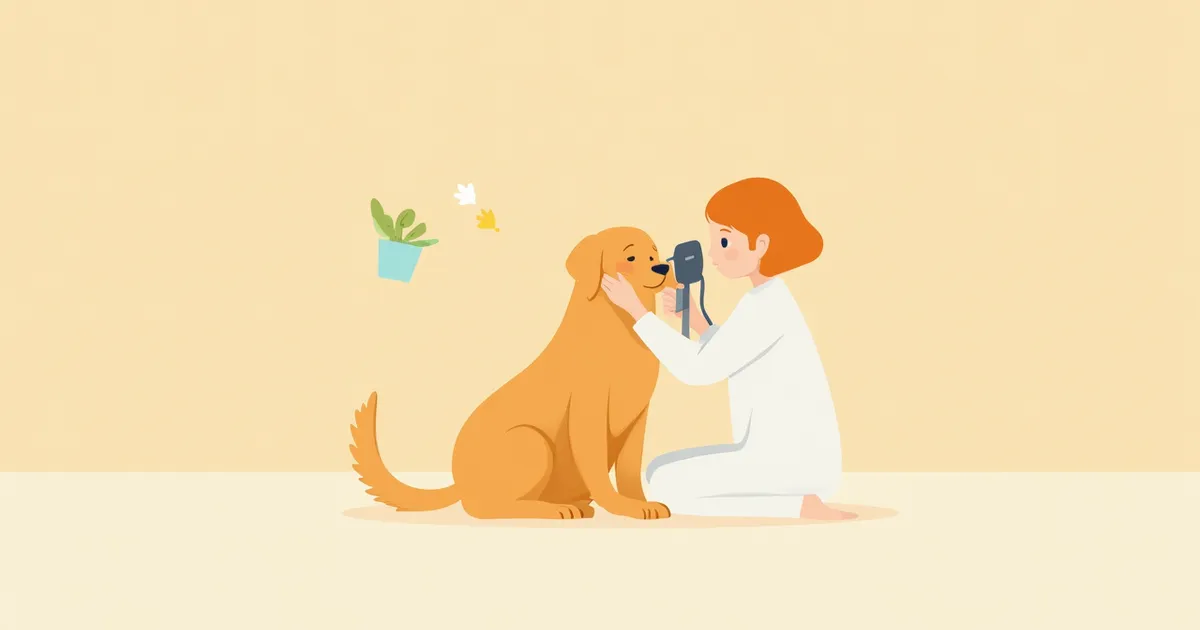
A puppy undergoing an examination for otitis externa
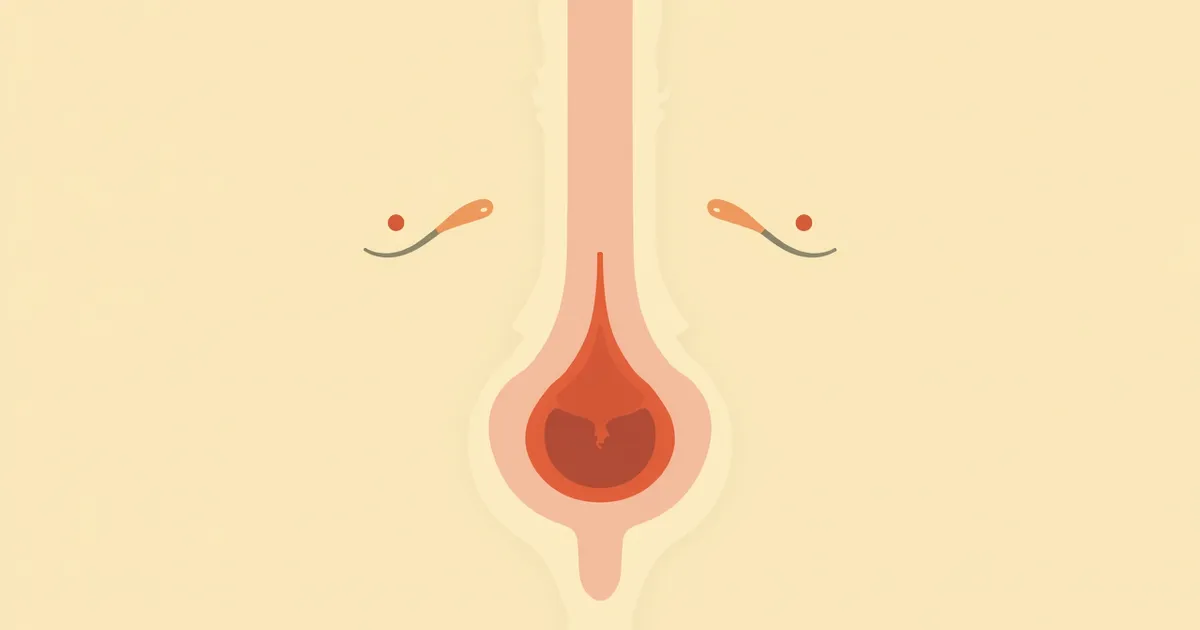
Canine otitis externa is an inflammatory condition of the skin lining the external ear canal—the passage extending from the inner surface of the pinna to the tympanic membrane—characterized by recurrent itching, foul odor, and discharge. The most critical step is identifying the causative microorganisms while determining the underlying reason for the inflammation. Treatment varies depending on whether bacteria, Malassezia (yeast), or ear mites are involved, and using the wrong medication based on self-diagnosis can worsen the inflammation. Although otitis externa is very common, it tends to recur frequently; therefore, to minimize relapses, it is essential to address not only the visible infection but also underlying predisposing and perpetuating factors, such as allergies or ear conformation. While the color and odor of discharge can provide initial clues, confirming the cause through microscopic examination (ear cytology) before initiating treatment is the safest approach and helps reduce recurrence.

Why Does It Occur? 3 Main Causes

There are three main types of microorganisms and parasites involved in canine otitis externa. Bacterial infections occur when bacteria such as Staphylococcus or Pseudomonas overgrow. Pseudomonas (Pseudomonas aeruginosa) is particularly notable for producing yellow to green, pus-like discharge and often exhibits resistance to multiple antibiotics. Fungal (Malassezia) infections arise when yeast, which normally resides in the ear, proliferates excessively in warm, moist environments. These are characterized by brown, waxy discharge and a musty odor. Parasitic infections are caused by the ear mite Otodectes cynotis, which infests the external ear canal and causes inflammation. This type is marked by dark brown, coffee-ground-like ear debris and is common in puppies. However, bacterial and Malassezia infections often develop secondarily on top of underlying conditions like allergies. If only the infection is treated while the root cause is overlooked, recurrence is likely.

Suspect Otitis Externa If You See These Symptoms

Here are the main symptoms you can check for at home:
Scratching at the ears: Repeatedly scratching the ears with the hind paws or rubbing the head on the floor.
Shaking the head: Frequently shaking the head vigorously.
Unpleasant odor: A sour, musty, or fishy smell coming from the ears.
Discharge: Increased production of brown, yellow, or black earwax compared to normal.
Pain when touched: Flinching or vocalizing when the area around the ears is touched.
Swelling and redness: The inside of the ear flap appears red, swollen, or feels warm.
If several of these symptoms appear together, there is a high likelihood of otitis externa. It is best to have a veterinary clinic determine the exact cause. In particular, if you observe head shaking, scratching, discharge, and redness occurring simultaneously, please seek veterinary care.
A dog scratching its ear

When to Visit the Vet Immediately

If any of the following apply, skip home care and visit a veterinary clinic immediately. The eardrum may already be damaged, making even standard ear cleaners potentially dangerous. - Blood or pus is present in the ear discharge - Loss of balance or walking with a tilt to one side (signs of progressing otitis media or interna) - Persistent head tilt to one side - Significant swelling of the ear flap, suggesting a hematoma - Decreased appetite or fever

How Is It Diagnosed at the Clinic?

Veterinarians don’t just prescribe medication based on a superficial look. Ear swab testing (microscopic examination) is key. We collect ear discharge, place it on a slide, stain it, and then examine it under a microscope to determine whether the cause is bacteria, Malassezia yeast, or mites. If needed, we perform bacterial culture and antibiotic susceptibility testing to identify which medications will be effective. We also use otoscopy to check the condition of the eardrum; if the eardrum is perforated, the choice of safe medications becomes limited. Skipping these diagnostic steps and simply receiving medication significantly increases the likelihood of recurrence.

Comparison of Otitis Externa by Cause

ItemBacterialFungal (Malassezia)Mite-related
Discharge colorYellow to green pusBrown waxBlack coffee grounds
OdorFishy, foul smellSour, spoiled smellDistinctive foul odor
Common ageAll agesAdult dogs & allergic dogsCommon in young puppies
ContagiousnessLowLowHigh (caution in multi-dog households)
Main treatmentsTopical antibiotics & cleansersAntifungals (ketoconazole, etc.)Acaricides (selamectin, moxidectin, isoxazolines)

Actual differentiation must always be confirmed by microscopic examination

Treatment by Type — Bacterial and Fungal
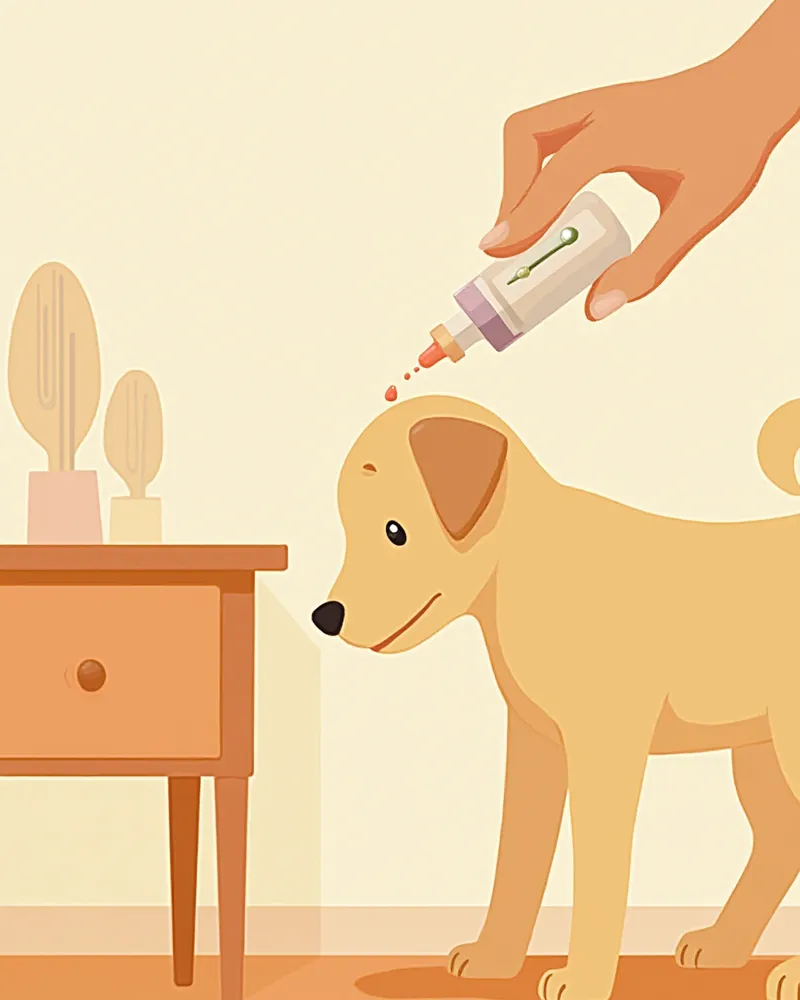
For bacterial otitis externa, we first clean the ear with a specialized solution to remove discharge and pus, then apply topical antibiotic ear drops. If the infection is caused by resistant bacteria like Pseudomonas, we select antibiotics based on susceptibility testing. Treatment typically lasts 2 to 4 weeks. For fungal (Malassezia) otitis externa, we treat with antifungal ear drops containing ketoconazole, clotrimazole, or miconazole. Since allergies are often an underlying factor, managing the root cause—such as food or environmental allergies—is essential to prevent recurrence. According to veterinary pharmacology textbooks, topical therapy is the first-line treatment.
Administering ear drops

Treatment by Type — Parasitic Otitis Externa

For parasitic otitis externa, the priority is eliminating ear mites (Otodectes cynotis). According to veterinary dermatology textbooks, systemic antiparasitics such as selamectin, moxidectin, and fluralaner are the most effective. These are available as spot-on topical treatments or oral medications, making administration convenient. Because ear mites are highly contagious, all pets living in the same household must be treated simultaneously. Secondary bacterial or fungal infections often accompany the infestation, so additional treatment may be necessary after the initial therapy. Washing bedding and cushions is also essential to prevent reinfection.

How to Manage at Home

To maximize treatment effectiveness, proper home care is essential.
Ear cleaning frequency: Use a dedicated ear cleaner on the schedule prescribed by your veterinarian (typically once or twice a week).
Do not use cotton swabs: Cotton swabs can push earwax deeper into the ear canal and damage the eardrum.
Post-bath care: Gently dry any moisture inside the ears with cotton or gauze after bathing.
Caution with ear hair removal: For breeds prone to excessive ear hair, such as Poodles and Schnauzers, consult your veterinarian before deciding on hair removal.
Follow-up visits are mandatory: Even if symptoms improve, stopping medication prematurely can lead to antibiotic-resistant bacteria and recurrence.
Always have your veterinarian confirm when the treatment is fully complete.
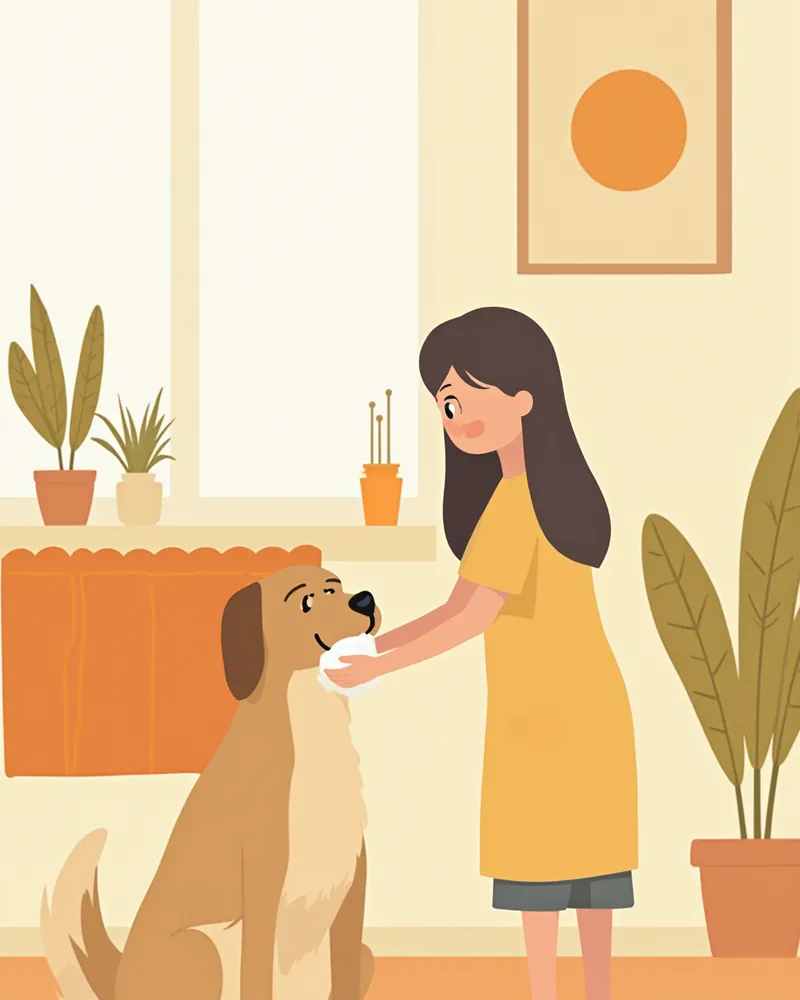
A guardian gently cleaning their puppy’s ears.

Breed-Specific Precautions and Recurrence Prevention

Dogs with floppy ears, such as Cocker Spaniels, Basset Hounds, Poodles, and Shih Tzus, are particularly prone to recurrent otitis externa because their ear canals have poor ventilation and tend to trap moisture. It is essential to make it a habit to thoroughly dry the inside of their ears after bathing or swimming. In dogs with allergies, otitis externa may manifest as part of the allergic response, meaning it will keep recurring unless the underlying cause, such as atopic dermatitis or food allergies, is properly managed. If ear infections recur multiple times within a short period, do not treat them as simple otitis externa alone; consider testing for atopic or food allergies to identify and manage not only the visible infection but also the root cause.

Reviewed by a veterinarian

Dr. Tony — Punnawat Phongkittirak

Dr. Tony — Punnawat Phongkittirak

Veterinarian

A veterinarian who majored in veterinary medicine at Khon Kaen University, Thailand, and completed the IVSA program at North Carolina State University in the United States. Drawing on clinical experience at animal hospitals, he works in the pet healthcare field and is dedicated to building a digital care environment that connects pet parents with veterinarians.

Frequently Asked Questions

Can I try cleaning it first with the ear cleaner I have at home?
Using ear cleaners when there is excessive discharge or when the eardrum’s condition is unknown can irritate the middle ear. Some ingredients in ear cleaners are contraindicated if the eardrum is perforated, so it is safest to have your veterinarian perform an otoscopic and cytologic examination before using any ear cleaner if you suspect otitis externa for the first time.
Can I apply human ear drops to my pet?
No, you shouldn’t. Some ingredients in human ear drops can severely irritate a dog’s eardrum and skin, and since the bacteria causing canine otitis externa are different, those drops won’t be effective. You must use medication specifically formulated for animals.
Only one ear is affected, but do both ears need treatment?
Mites often spread to the opposite ear, so both ears are usually treated. Bacterial or fungal infections may be treated only on the affected side, but the approach can vary depending on the veterinarian’s assessment.
How long does the treatment period last?
The duration of treatment depends on the severity of inflammation and infection. Mild acute otitis externa typically resolves relatively quickly, but chronic cases lasting more than 30 days or those involving antibiotic-resistant bacteria may require several additional weeks of treatment. Even if symptoms appear to have subsided, it is essential to complete the full prescribed course of medication until microscopic examination confirms that both infection and inflammation have completely resolved, in order to prevent recurrence.
Is there a way to prevent it?
The basics of preventing ear mites include drying the ears after bathing, regular ear cleaning, and routine deworming. For dogs with allergies, combining dietary and environmental management can significantly reduce the likelihood of recurrence.

Share

Related Guides

References

[1] BSAVA Manual of Canine and Feline Dermatology, 4th Edition, Chapter: Otitis Externa

[2] Principles and Practices of Canine and Feline Clinical Parasitic Diseases, Chapter 7 (Ectoparasites)

[3] Shoorijeh S.J. et al., Seasonal frequency of ectoparasite infestation in dogs, Turkish Journal of Veterinary and Animal Sciences, 2008

[4] 수의피부과학 교과서 — 외이염 감별진단 단원

This information is based on veterinary literature and does not replace diagnosis or treatment. Please consult a veterinarian for specific health concerns.

Metapet Co., Ltd. | CEO: Park Sung-yong | Business Reg. No. 417-88-02562 | Seoul, South Korea | Customer Center

Canine Otitis Externa Treatment: Bacterial, Fungal, Parasitic | Meongsiljang