Like
Share
멍실장
고양이 ACE 억제제 심장 증상과 원인, 진단·치료와 관리 포인트 총정리

ACE Inhibitors for Cats: A Comprehensive Guide to Efficacy, Side Effects, and Administration Management

HeartDiseasesMeongsiljang Veterinary Advisory Board

ACE inhibitors are medications used to regulate blood pressure in cats, but they can sometimes cause side effects that impact heart function. Accurate diagnosis and proper management are essential.

What Are ACE Inhibitors for Cats?

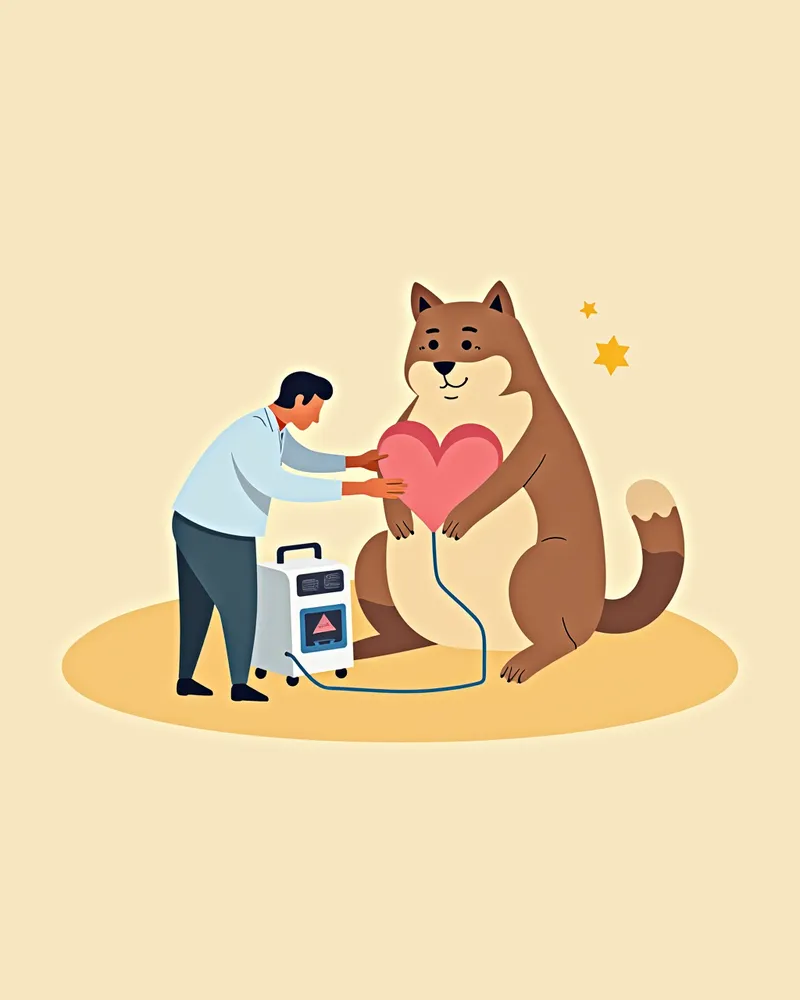
An image of a cat holding a heart-shaped medical chart
In feline heart disease, ACE inhibitors are not a cause of the disease but are medications used to treat heart failure. Most cases of feline cardiomyopathy progress to diastolic heart failure, in which ACE inhibitors are a cornerstone of therapy, used alongside diuretics to alleviate congestion. - ACE inhibitors: Medications used in conjunction with diuretics to reduce pulmonary congestion in the treatment of feline heart failure. - Decline in cardiac function: When cardiomyopathy impairs the heart’s ability to fill properly or pump blood, it leads to fatigue and difficulty breathing; if left unchecked, this can progress to congestive heart failure. - Management of underlying conditions: To ensure safe medication use, renal function and electrolyte levels must be monitored closely. Accurate diagnosis and consistent medication adjustments are critical to survival and quality of life.

Primary Causes and Pathogenesis

The primary cause of feline heart disease is not treatment medications like ACE inhibitors, but rather structural and functional abnormalities of the heart muscle itself, known as cardiomyopathy. The most common form is hypertrophic cardiomyopathy (HCM), in which the thickening of the ventricular walls impairs the heart’s ability to relax properly. - Cardiomyopathy: The most common heart muscle disease in cats, characterized by thickening of the ventricular walls or impaired contraction and relaxation function. - Genetic factors: In certain breeds, such as Ragdolls, specific gene mutations have been identified, leading to familial occurrences. - Progression to heart failure: Cardiomyopathy leads to diastolic dysfunction, which can progress to congestive heart failure. In this process, ACE inhibitors are used as a treatment, not as a cause. - Management of underlying conditions: When using medications, it is important to monitor kidney function and electrolytes to ensure safe adjustment, making early detection and intervention crucial.
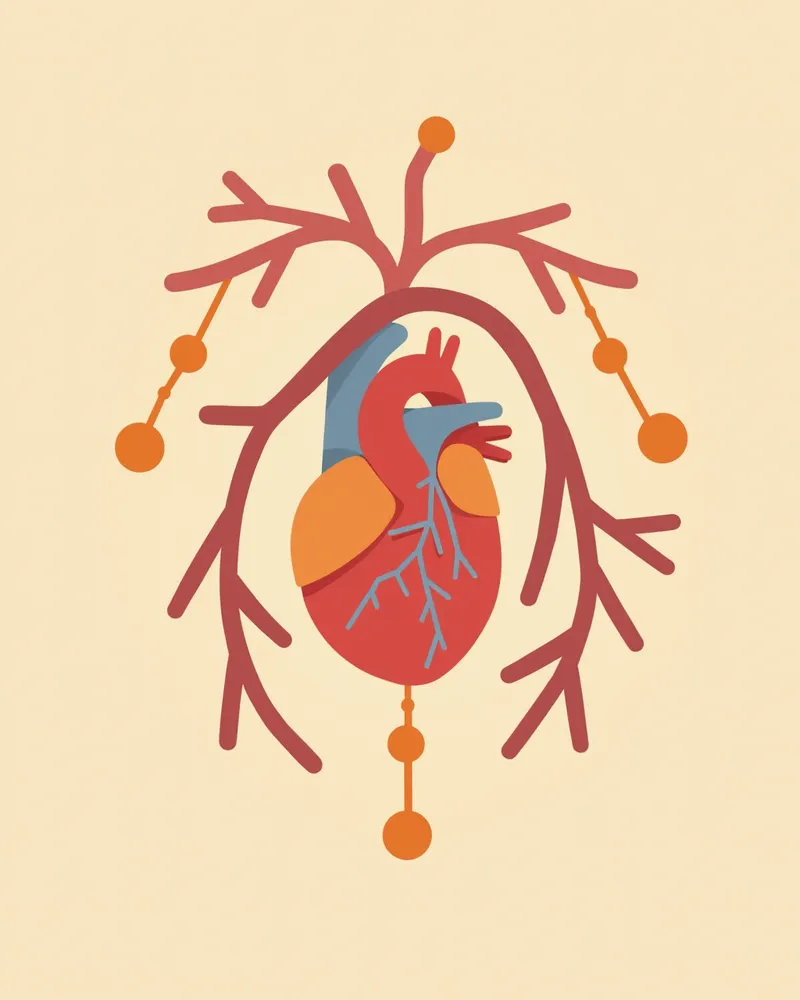
A medical illustration showing the mechanism by which ACE inhibitors prevent blood vessel constriction

Key Symptoms and Warning Signs

The symptoms of feline heart disease can vary widely, so it’s important not to miss the early warning signs.
Lethargy and weakness: Your cat may show less interest in activity, prefer to sit still, or struggle with exercise.
Difficulty breathing and rapid breathing: You may notice repeated episodes of labored breathing or an increased respiratory rate (tachypnea). Counting your cat’s resting respiratory rate at home can be helpful.
Decreased appetite: Your cat may refuse food or eat only small amounts.
Fainting and sudden paralysis: Your cat may faint, or experience sudden hindlimb paralysis and pain due to aortic thromboembolism.
Note that, unlike dogs, cats with heart failure rarely cough. If you observe any of these symptoms, consult your veterinarian immediately.
Image of a cat with labored breathing and a distended abdomen

Symptoms Requiring Immediate Veterinary Care

If your pet experiences severe difficulty breathing, suddenly collapses, or develops sudden paralysis in the hind legs, seek veterinary care immediately. These are signs of a rapid deterioration in heart condition, such as heart failure or arterial thromboembolism.

Accurate Diagnostic Methods
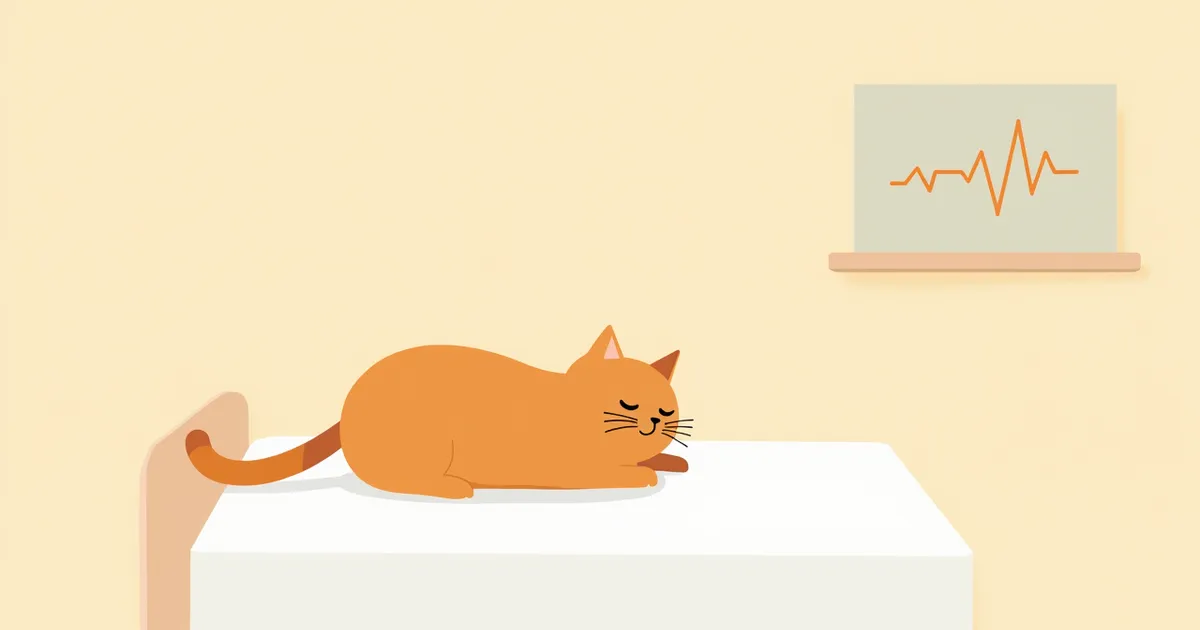
Feline heart disease (cardiomyopathy and heart failure) is accurately diagnosed through a comprehensive combination of tests. - Echocardiography: This is the most sensitive non-invasive test for evaluating heart structure, wall thickness, and contraction and relaxation function, making it essential for diagnosing cardiomyopathy. - Blood pressure measurement: Regular monitoring helps determine the presence of hypertension and assess the efficacy and side effects of medications. - Blood tests: These check kidney function and electrolyte levels to identify underlying conditions and ensure medication safety. - Thoracic radiography: This provides a visual assessment of heart size and detects pulmonary edema or pleural effusion. - Electrocardiogram (ECG): This test identifies abnormal heart rhythms or electrical disturbances. Combining these examinations is necessary for an accurate diagnosis.
An image of a veterinarian performing an echocardiogram on a cat.

Treatment Methods and Step-by-Step Management
Treatment involves both medication and lifestyle management. - Medication: Diuretics (furosemide) and ACE inhibitors are used together to relieve congestion, with pimobendan added as needed. ACE inhibitors should not be stopped arbitrarily but adjusted according to your veterinarian’s instructions. - Thrombus prevention: Cats with significantly enlarged left atria may be prescribed clopidogrel to prevent arterial thromboembolism. - Rhythm control: If arrhythmias are present, beta-blockers or calcium channel blockers (such as diltiazem) are used to regulate heart rate and rhythm. - Activity restriction and environmental stability: Reducing excessive activity and stress helps lower the burden on the heart. - Regular check-ups: After initiating medication, regular follow-ups including chest radiographs, blood pressure monitoring, and kidney function tests are essential, with echocardiograms performed as needed. Effective management requires these steps to be carried out in conjunction.
An image of a veterinarian prescribing a low-salt diet for a cat.

Home Care Points

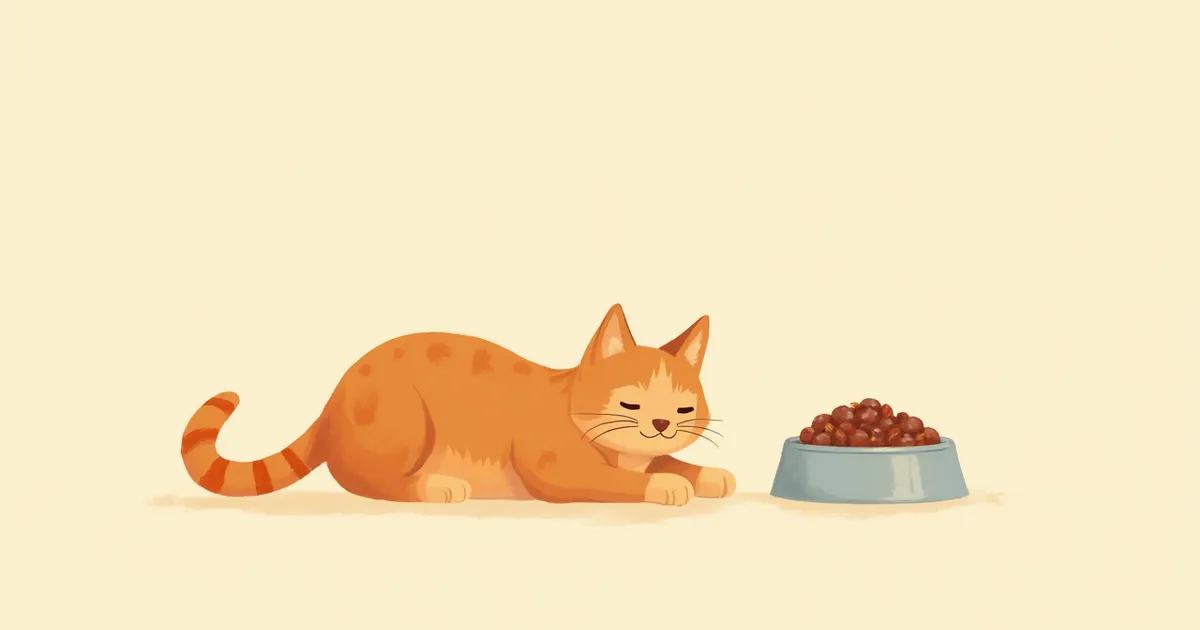
Consistent home care plays a major role in managing the progression of feline heart disease and maintaining your cat’s quality of life. - Medication schedule: It is important to administer prescribed medications at the exact times indicated, avoiding any arbitrary discontinuation or missed doses. - Resting respiratory rate monitoring: Counting and recording your cat’s breaths per minute while they are resting or sleeping at home allows for early detection of worsening heart failure without the stress of a veterinary visit. - Environmental stability: A quiet, consistent daily routine helps minimize stress. - Activity management: Avoid excessive running or strenuous play, and ensure your cat has ample time for rest. - Symptom monitoring: Closely observe for warning signs such as difficulty breathing, rapid breathing, collapse, hind limb paralysis, or lethargy. - Veterinary appointments: Schedule regular check-ups in advance and visit the clinic whenever medication adjustments are needed. This consistent care is key to enhancing your cat’s quality of life.
An image of a cat resting comfortably in a quiet home.

Breed-Specific Precautions and Prevention of Recurrence

Breed-specific predispositions to hypertrophic cardiomyopathy (HCM), such as in Ragdolls and Maine Coons, warrant heightened vigilance for cardiac disease. Regular veterinary check-ups are essential during medication. Even after adjusting the dosage, periodic monitoring through chest radiographs, blood pressure measurements, and echocardiograms is recommended to track any changes in your pet's condition.

Reviewed by a veterinarian

Dr. Tony — Punnawat Phongkittirak

Dr. Tony — Punnawat Phongkittirak

Veterinarian

A veterinarian who majored in veterinary medicine at Khon Kaen University, Thailand, and completed the IVSA program at North Carolina State University in the United States. Drawing on clinical experience at animal hospitals, he works in the pet healthcare field and is dedicated to building a digital care environment that connects pet parents with veterinarians.

Frequently Asked Questions

My cat is coughing while taking an ACE inhibitor. Is this normal?
ACE inhibitors are medications used to treat heart failure. Unlike dogs, cats rarely cough when they have heart failure. However, if your cat’s breathing becomes rapid or labored, it could indicate a change in their heart condition, so please consult your veterinarian.
Can stopping ACE inhibitors make my pet’s heart condition worse?
Always discontinue medications only under your veterinarian’s guidance. ACE inhibitors are used to treat heart failure, so stopping them without medical advice can worsen congestive symptoms.
My cat has lost its appetite. Could it be due to the heart medication?
Loss of appetite can be related to heart disease itself or to medications. Please don’t try to diagnose the cause on your own; instead, consult your veterinarian to determine the underlying reason and whether the medication should be continued.
Do cats taking ACE inhibitors need a low-sodium diet?
The diet should be determined by taking into account the individual condition and kidney function. Do not decide arbitrarily; follow the diet recommended by the veterinarian.
What should I do if my pet experiences stress while taking heart medication?
Stress can put a strain on the heart, so it’s important to maintain a calm environment and a consistent daily routine.

Share

Related Guides

References

[1] Clinical Medicine of the Dog and Cat, 4th Ed. (2023). Elsevier.

[2] Handbook of Veterinary Pharmacology. (2022). Wiley-Blackwell.

[3] Feline Emergency and Critical Care Medicine, 2nd Ed. (2021). Elsevier.

This information is based on veterinary literature and does not replace diagnosis or treatment. Please consult a veterinarian for specific health concerns.

Metapet Co., Ltd. | CEO: Park Sung-yong | Business Reg. No. 417-88-02562 | Seoul, South Korea | Customer Center

ACE Inhibitors for Cats: Effects, Side Effects & Dosing | Meongsiljang