
Like
Share
멍실장
강아지 림프절 전이 평가 증상과 원인, 진단·치료와 관리 포인트 총정리

Swollen Lymph Nodes in Dogs: A Complete Guide to Metastasis Warning Signs and Testing Timing

Oncology/CancerDiseasesMeongsiljang Veterinary Advisory Board

Evaluating lymph node metastasis in dogs is a key step in determining the stage of cancer. An accurate assessment allows us to develop an appropriate treatment plan.

Evaluating Lymph Node Metastasis is a Key Step in Determining the Stage of Cancer
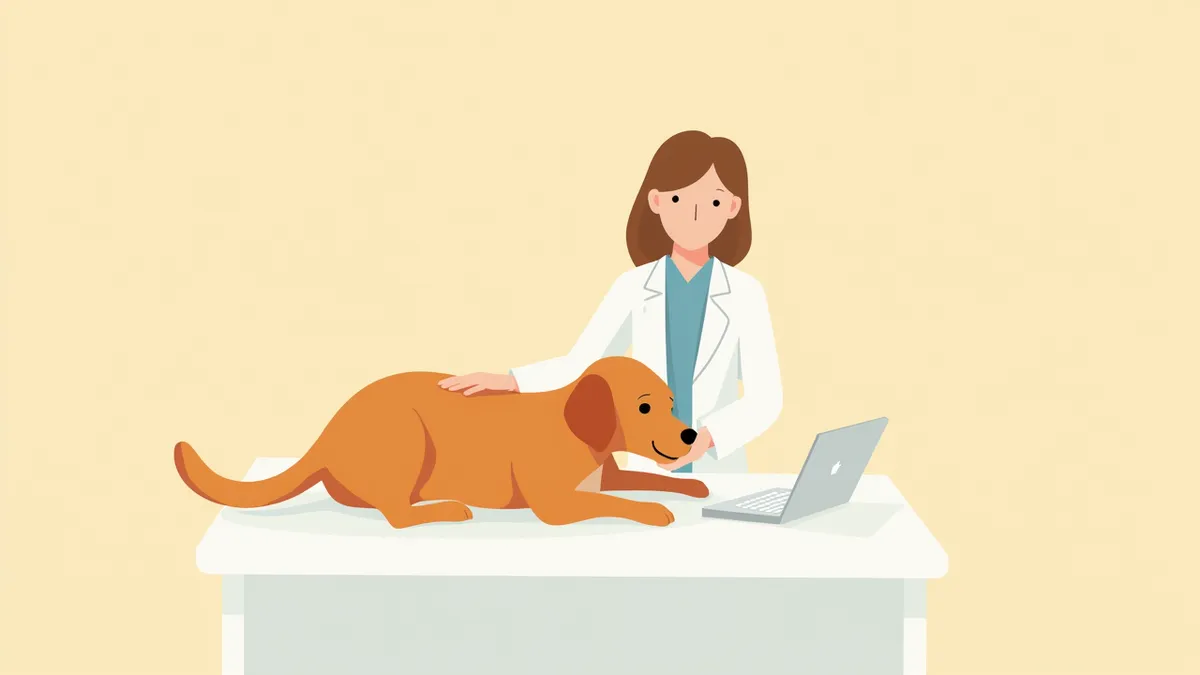
A veterinarian examining a puppy’s neck area by palpating the lymph nodes.
Evaluating lymph node metastasis is a crucial step in determining whether cancer has spread through the lymphatic system. To accurately stage the tumor, it is essential to assess the draining lymph nodes—the ones that receive fluid from the tumor site. - Lymph node metastasis: This occurs when cancer cells migrate to and proliferate within the lymph nodes. Importantly, metastasis can be present even if the lymph nodes do not appear enlarged. - Accurate assessment: The results directly influence tumor staging, treatment planning, and prognosis prediction. - Treatment decisions: This evaluation provides the foundation for selecting the most appropriate therapy, such as surgery, chemotherapy, or radiation. - Do not rely on size alone: Lymph node size is not a reliable indicator of metastasis. Therefore, do not assume everything is fine based on physical palpation alone; confirmation through cytology or histopathology is necessary. Regular check-ups and prompt diagnosis are key.

The Main Causes of Lymph Node Metastasis are Tumor Metastasis and Inflammation
Enlarged lymph nodes in dogs are generally caused by either tumor metastasis or inflammation and hyperplasia. Common tumors that metastasize to lymph nodes include carcinomas (such as mammary cancer), sarcomas, and mast cell tumors. - Tumor Metastasis: This occurs when tumors like carcinomas, sarcomas, or mast cell tumors spread through the lymphatic vessels to regional lymph nodes. - Lymphoma is Different: Lymphoma is not a metastasis from another site; it is a cancer of lymphocytes that originates within the lymphatic tissue itself. It is important to distinguish it from metastatic disease. - Inflammation and Infection: Bacterial or viral infections, tick-borne diseases, and autoimmune disorders are also common causes of lymph node swelling. - Reactive Hyperplasia: Enlargement of the lymph nodes due to antigenic stimulation is also frequent. Therefore, if symptoms persist, a veterinary examination is essential to determine the exact cause.
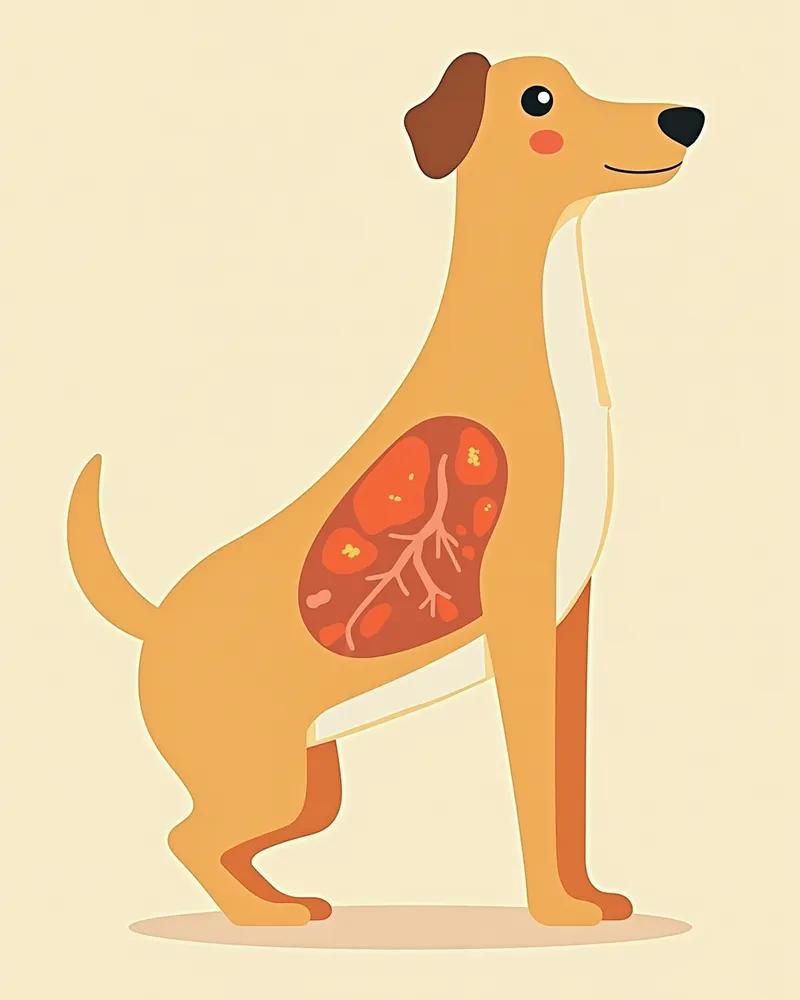
An anatomical illustration showing the structure of a dog's lymphatic system.

Identify Key Symptoms and Warning Signs

Lymph node metastasis in dogs often presents as firm enlargement of superficial lymph nodes, such as those under the jaw, in front of the shoulders, or behind the knees. However, metastasis can occur even when lymph nodes are normal in size, so you should not rely solely on size to rule it out. - Lymphadenopathy: Enlarged lymph nodes may be felt as firm lumps beneath the skin. - Systemic signs: Symptoms such as lethargy, loss of appetite, weight loss, and fever are more often caused by the underlying disease than by the lymph nodes themselves. - Signs of progression: If lymph nodes become significantly enlarged, they may cause compressive symptoms depending on their location, such as difficulty breathing. - Seek immediate consultation: If symptoms persist or worsen, consult your veterinarian promptly. Monitoring not only changes in lymph node size but also overall health status helps facilitate early detection.
A photo highlighting the swollen lymph nodes in a dog's neck area.

Signs Requiring Immediate Veterinary Care

If your pet’s lymph nodes are enlarging rapidly, causing severe pain, or accompanied by systemic symptoms such as weight loss, fever, or shock, immediate veterinary care is essential. These signs may indicate that cancer is progressing quickly, making prompt diagnosis and treatment critical.

Diagnostic Methods for Accurate Diagnosis

Evaluating lymph node metastasis involves a step-by-step approach using various tests. However, since palpation alone cannot accurately determine whether metastasis has occurred, cellular and tissue examinations are necessary. - Palpation and Imaging: We assess the size and internal structure of the lymph nodes through palpation, ultrasound, and radiography. However, size alone is not an accurate indicator of metastasis. - Fine-Needle Aspiration (FNA): This is a relatively simple method that involves collecting cells with a thin needle to check for tumors. Enlarged lymph nodes are initially evaluated using FNA. - Tissue Biopsy: If a firm lymph node tests negative via FNA, a biopsy is performed under general anesthesia. An excisional biopsy provides the most accurate information. - Cytology vs. Histopathology: Histopathology (tissue examination) is more accurate than cytology (cellular examination) for diagnosing metastasis. Therefore, even if cytology results are negative, the lymph node may be surgically removed for confirmation if necessary. - Diagnosis-Based Treatment: Based on the test results, we determine the type of tumor and the extent of metastasis to develop a tailored treatment plan.
A veterinarian extracting a needle from a puppy's lymph node

Treatment Varies Depending on the Type of Cancer and Stage

Treatment for lymph node metastasis varies depending on the type of cancer, the extent of the spread, and your dog’s overall health. - Chemotherapy: Effective in suppressing cancer cells that have spread throughout the body. - Radiation therapy: Used to target localized metastatic sites and reduce their size. - Surgery: Considered when lymph nodes are significantly enlarged or when cancer is concentrated in a specific area. - Immunotherapy: A treatment that strengthens the immune system to help it attack cancer cells. - Treatment goals: The primary objectives are to slow cancer progression, extend survival time, and maintain quality of life.
A scene of a puppy receiving cancer treatment at a veterinary clinic.

Home Care Points

Closely monitor your dog’s appetite, activity level, and mood throughout treatment. - Nutritional care: Provide nutritional supplements or specialized diets under veterinary guidance. - Environment: Create a quiet, stable space to minimize stress. - Regular walks: Maintain fitness and boost mood with appropriate exercise. - Medication: Administer medication at the correct times and doses as prescribed. - Observation log: Keep a daily record of symptom changes to facilitate clearer communication with your veterinarian.
An indoor photo of a puppy resting comfortably

Preventing Recurrence and Breed-Specific Precautions

Lymphatic tumors (lymphoma) are more commonly reported in Boxers, Bulldogs, Golden Retrievers, Labrador Retrievers, Rottweilers, and Scottish Terriers. Regular health check-ups are especially important for these breeds. Even after treatment, it’s crucial to have follow-up exams at consistent intervals and stay vigilant for any changes in symptoms. Since lymphoma is not uncommon to recur, early detection is key.

Reviewed by a veterinarian

Dr. Tony — Punnawat Phongkittirak

Dr. Tony — Punnawat Phongkittirak

Veterinarian

A veterinarian who majored in veterinary medicine at Khon Kaen University, Thailand, and completed the IVSA program at North Carolina State University in the United States. Drawing on clinical experience at animal hospitals, he works in the pet healthcare field and is dedicated to building a digital care environment that connects pet parents with veterinarians.

Frequently Asked Questions

Are swollen lymph nodes always a sign of cancer?
Not necessarily. Infections, inflammation, and reactive hyperplasia can also cause lymph node swelling. However, any enlarged lymph node should be evaluated with a fine-needle aspirate, and if the swelling persists or feels firm, further testing is essential to rule out a tumor.
Is the evaluation of lymph node metastasis very painful?
Fine-needle aspiration (FNA) is a relatively simple procedure that uses a thin needle to collect cells, and most dogs tolerate it well. Since it’s an essential step for diagnosis, please don’t worry about it.
How long can my pet live after treatment?
It varies significantly depending on the type and stage of cancer. For example, small-cell (low-grade) lymphoma tends to have a relatively indolent course. However, it is difficult to provide a uniform prognosis for survival time, and early diagnosis along with appropriate treatment can help improve the outcome.
Is it possible to check for swollen lymph nodes at home?
While a simple physical exam is possible, it's difficult to accurately determine whether metastasis has occurred through palpation alone. Even if the size appears normal, metastasis may still be present, so please consult your veterinarian immediately if you suspect swelling.
Is cancer treatment too difficult for dogs?
While there are potential side effects, your veterinarian will carefully adjust the medication and dosage while monitoring blood cell counts to minimize any burden. Most dogs tolerate the treatment quite well.

Share

Related Guides

References

[1] Plumb's Veterinary Drug Handbook, 9th ed. (2022). Wiley-Blackwell.

[2] Withrow SJ, MacEwen EG. (2017). Small Animal Clinical Oncology, 5th ed. Elsevier.

[3] American Veterinary Medical Association. (2021). Guidelines for the Diagnosis and Management of Canine Lymphoma.

This information is based on veterinary literature and does not replace diagnosis or treatment. Please consult a veterinarian for specific health concerns.

Metapet Co., Ltd. | CEO: Park Sung-yong | Business Reg. No. 417-88-02562 | Seoul, South Korea | Customer Center

Swollen Lymph Nodes in Dogs: Metastasis Signs & Testing | Meongsiljang