
Complete Guide to Feline Antiarrhythmic Medications — Types, Effects, and Side Effect Management
Feline antiarrhythmic medications help regulate heart rhythm, but they may cause side effects. Accurate diagnosis and proper management are essential.
What Are Feline Antiarrhythmic Medications?
What Are the Main Causes of Antiarrhythmic Medication Use?
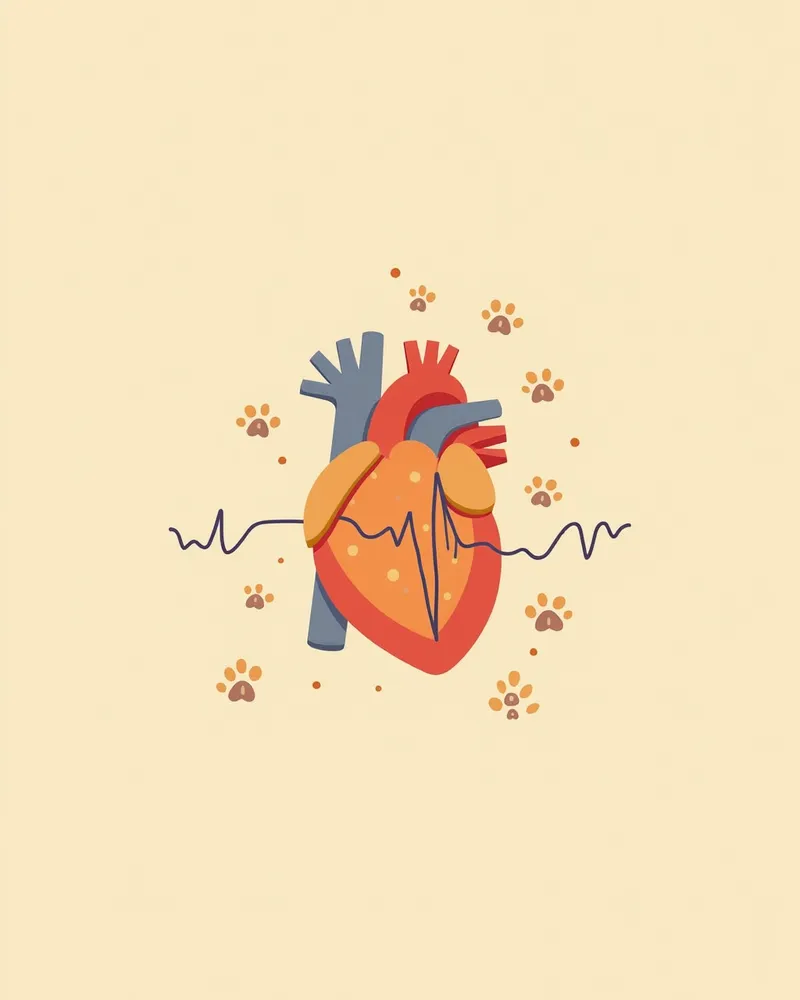
Check for Key Symptoms and Signs
Emergency Signs Requiring Immediate Veterinary Care
If your cat suddenly collapses, experiences severe difficulty breathing, or has no detectable heartbeat, seek veterinary care immediately. These are signs of cardiac arrest or serious arrhythmia. Because these conditions can be life-threatening, prompt action is essential. In such emergencies, immediate intervention by a veterinarian is necessary.
Diagnostic Tests for Accurate Diagnosis
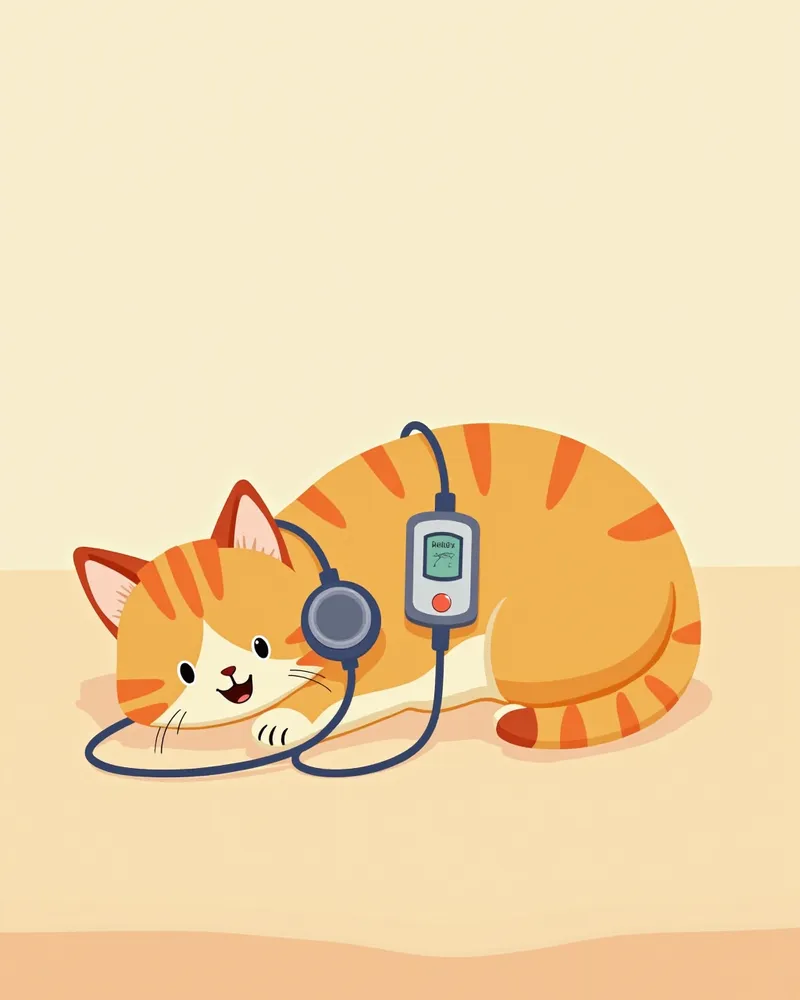
Treatment Methods and Step-by-Step Management

Home Care Points
Breed-Specific Precautions and Recurrence Prevention
Cats with heart conditions such as hypertrophic cardiomyopathy are particularly prone to developing arrhythmias, so extra caution is essential. Regular cardiac check-ups are necessary while taking antiarrhythmic medications. Do not stop the medication on your own without your veterinarian’s guidance, as doing so can worsen the heart rhythm. To prevent recurrence, maintaining a stable environment and scheduling regular veterinary check-ups are essential.
Reviewed by a veterinarian

Dr. Tony — Punnawat Phongkittirak
VeterinarianA veterinarian who majored in veterinary medicine at Khon Kaen University, Thailand, and completed the IVSA program at North Carolina State University in the United States. Drawing on clinical experience at animal hospitals, he works in the pet healthcare field and is dedicated to building a digital care environment that connects pet parents with veterinarians.
Reviewed 2026-06-03
Frequently Asked Questions
Are antiarrhythmic medications always safe for cats?
My cat collapsed while taking medication. What should I do?
How long should my pet take antiarrhythmic medication?
Can the medication be taken with meals?
My cat refuses to take its medication. What should I do?
Share
Related Guides
Coenzyme Q10 Benefits and Administration Guide
Dog Pulmonary Edema Warning — 7 Best Diuretics (Furosemide) for Heart Management
7 Best Prescription Diets for Feline Heart Disease Recommended by Veterinarians — Criteria for Choosing Low-Sodium Food
When Your Cat Is Constantly Short of Breath and Lethargic — Causes and Surgical Treatment Timing for Patent Ductus Arteriosus
If You Hear a Heart Murmur in Your Puppy — Causes and Treatment Timing for Patent Ductus Arteriosus (PDA)
If Your Cat Is Panting Repeatedly — Warning Signs of Pulmonary Hypertension and When to Go to the Vet

If Your Dog’s Eyes Suddenly Become Cloudy — Symptoms and Treatment Timing for Diabetic Cataracts
Feline Glaucoma: Symptoms, Causes, Diagnosis, Treatment, and Care Essentials
Feline Hyperparathyroidism: Symptoms, Diagnosis, Treatment, and Lifelong Dietary Management Guide
My Cat Drinks Too Much Water — From Diabetes Insipidus Diagnosis to Lifelong Care
References
[1] Clinical Medicine of the Dog and Cat, 4th Ed. (2023). Elsevier.
[2] Feline Emergency and Critical Care Medicine, 2nd Ed. (2022). Wiley-Blackwell.
[3] The Cat: Clinical Medicine and Management, 2nd Edition. (2021). Elsevier.