Like
Share
멍실장
강아지 실내 환경 안전점검 증상과 원인, 진단·치료와 관리 포인트 총정리

Puppy Indoor Safety Check: Symptoms, Causes, Diagnosis, Treatment, and Management Essentials

Lifestyle & Age CareDiseasesMeongsiljang Veterinary Advisory Board

Checking your home for puppy safety is a crucial preventive measure that helps you spot hazards like dangerous objects, toxic substances, and structural risks before they cause accidents. Your vigilance and regular inspections are essential.

Indoor Safety Checks for Puppies Are Key to Accident Prevention
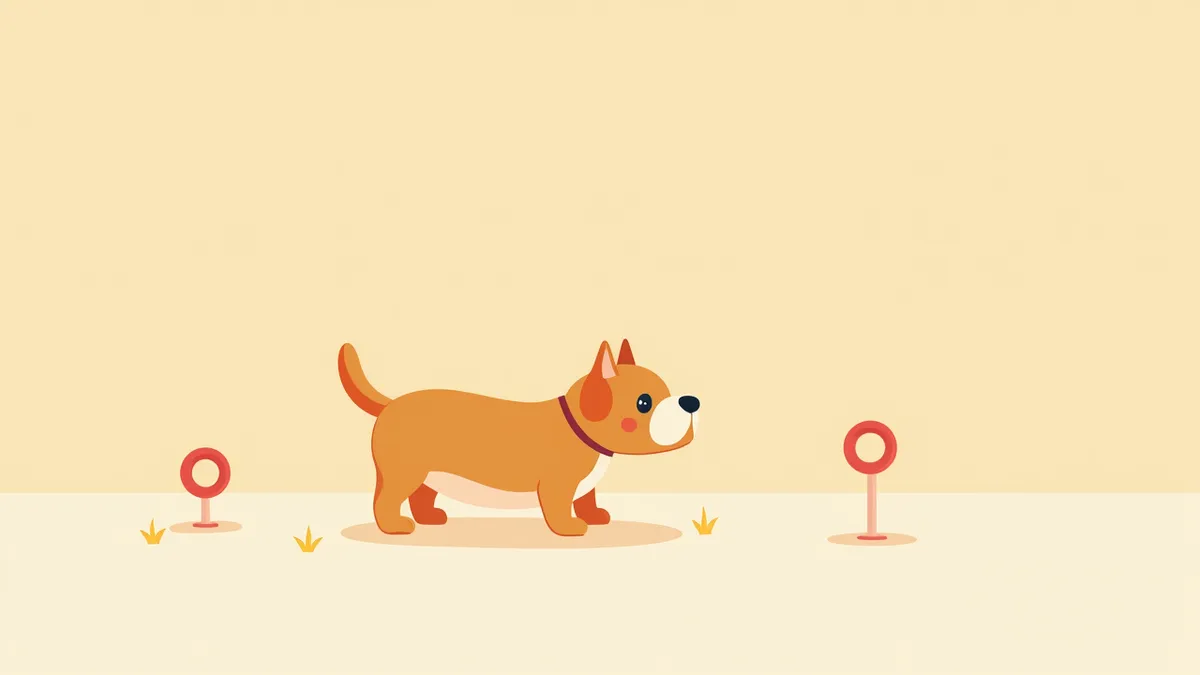
A scene showing a puppy cautiously exploring indoor hazards, highlighted with a red circle.
Checking your home for pet safety is a key preventive measure to avoid accidents. Dogs with strong curiosity and high energy levels are especially prone to encountering hidden hazards indoors. - Electrical cords: Cords pose risks of electric shock and fire, so wrap them in protective covers or cable trays and secure them to the wall. Keep wiring fixed in locations where your dog cannot reach it. - Toxic substances: Store items such as vinegar, cleaners, and medications on high shelves in sealed containers to prevent access. Make it a habit to close lids immediately after use. - Structural hazards: Securely organize sharp edges and items that could fall. Be especially cautious with small, sharp, or long string-like objects, as swallowing them can cause gastrointestinal blockages. Regular home safety checks are the first step in accident prevention and highlight the need for ongoing management.

Main Causes: Puppy Curiosity and Environmental Hazards
The main causes of indoor accidents in dogs are swallowing objects out of curiosity, chewing on electrical cords, and coming into contact with toxic substances. Prompt action is crucial after exposure to electric shock or toxic substances. - Swallowing Objects: Small toys, strings, trash, and similar items can cause blockages in the digestive tract. Larger, sharp, or long, string-like objects pose a higher risk of mechanical obstruction, so keep them out of your dog’s reach and store hazardous items separately. - Electrical Cord Hazards: Electrical cords carry the risk of electric shock and fire. Completely wrap them in cable covers and secure them to walls. Manage wiring so that it is inaccessible to your dog. - Toxic Substances: Store vinegar, cleaners, and medications in high places and keep them in sealed containers to prevent access. It is important to close lids immediately after use. Pre-checks and environmental management are key to preventing accidents.
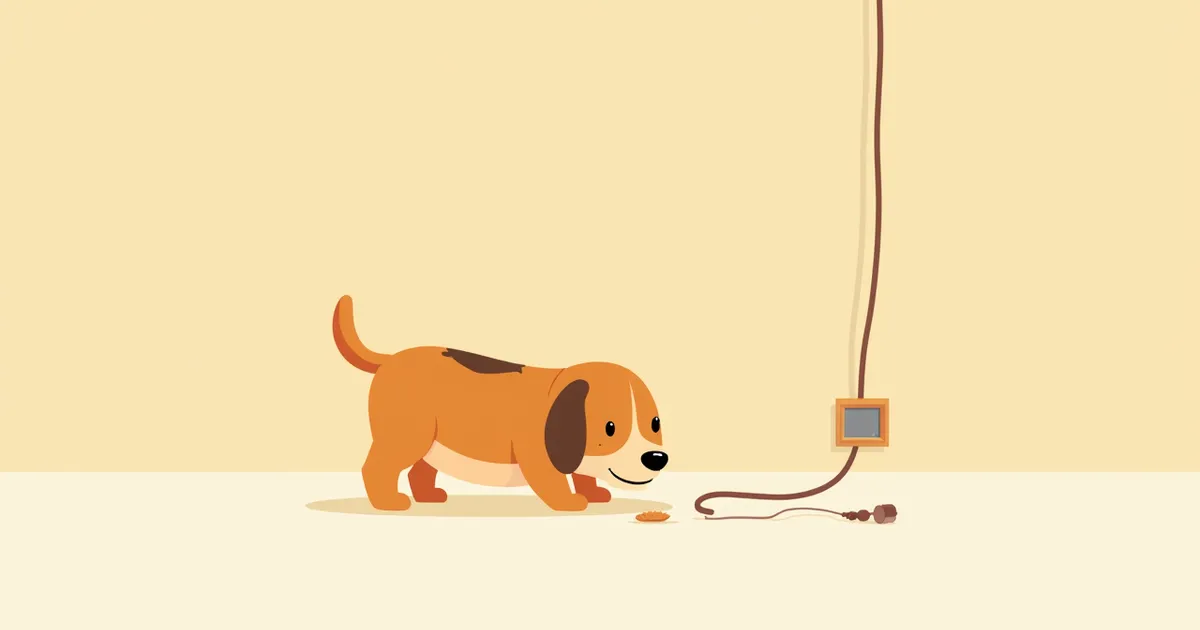
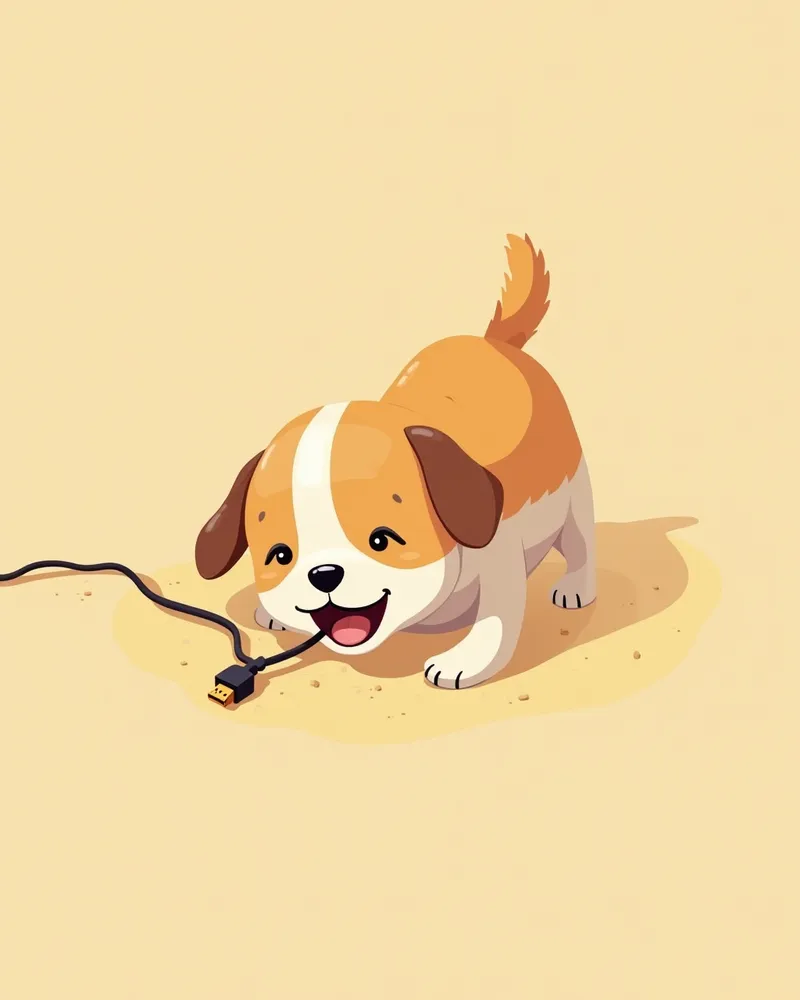
The damaged appearance of a wire chewed by a puppy

Main Symptoms: Signs Appearing After an Accident
The symptoms that can occur after a dog has an indoor accident vary widely. If your dog has swallowed an object, you may notice vomiting, diarrhea, loss of appetite, abdominal pain, or lethargy. If they have chewed on electrical wires and received an electric shock, symptoms such as muscle spasms, seizures, difficulty breathing, or irregular heart rhythms may develop. Immediate veterinary care is essential if your dog appears disoriented or unresponsive. Quick action by the owner is crucial when symptoms arise. Regular safety checks and close observation are key to protecting your pet’s life.
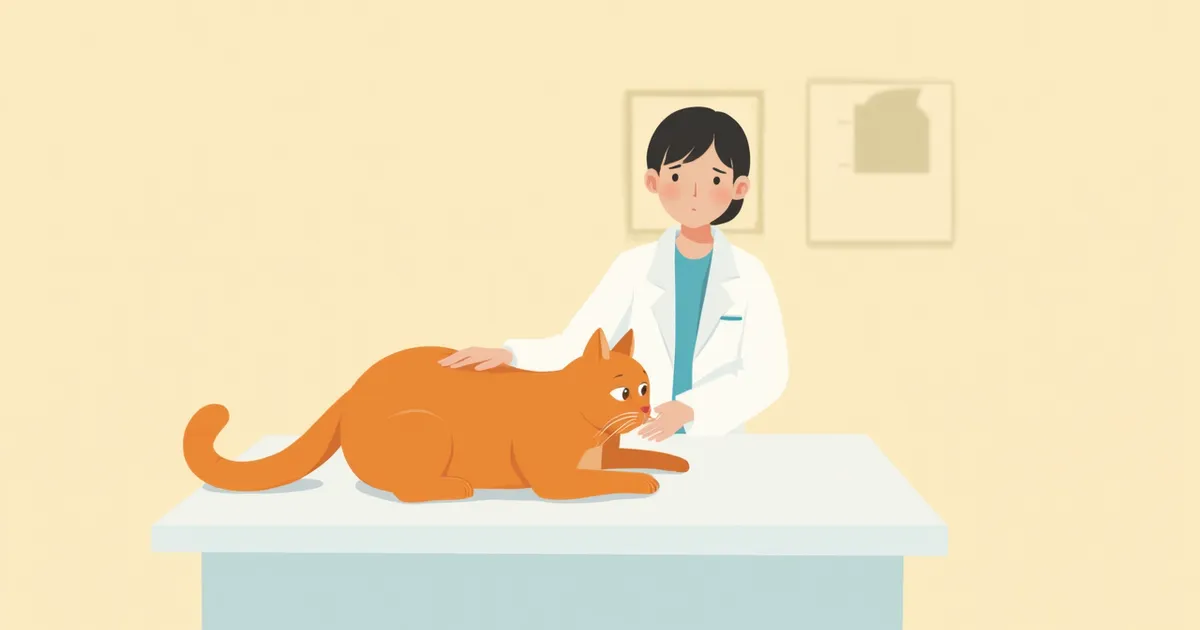
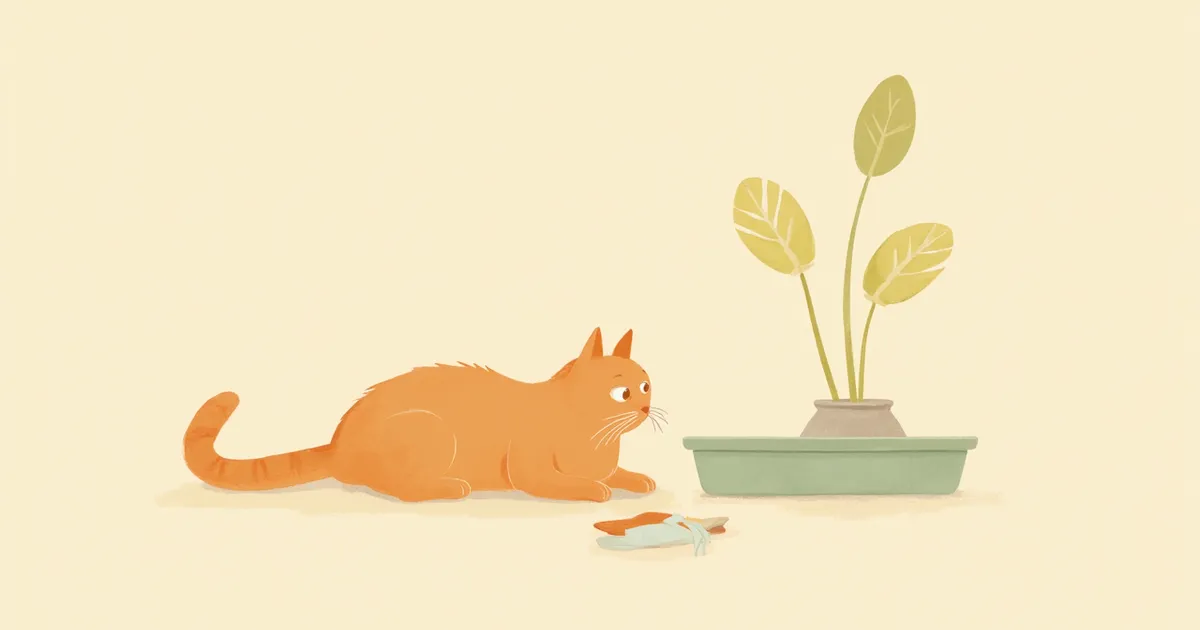
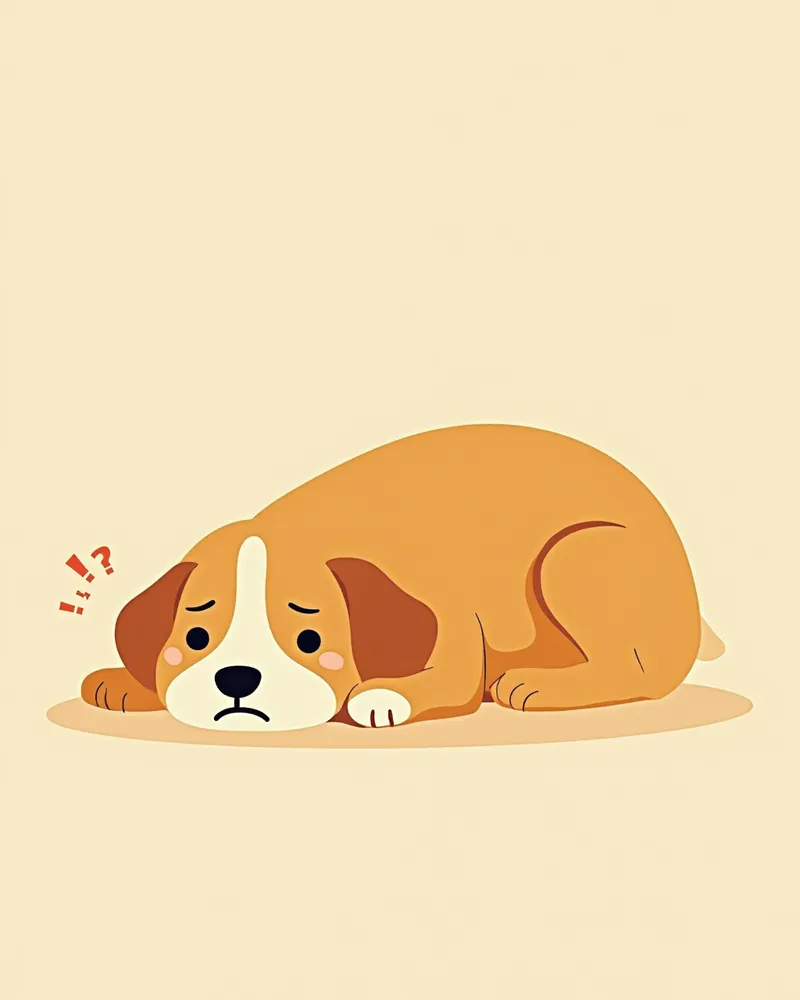
A puppy lying down with an anxious expression, appearing to be uncomfortable

Situations Requiring Immediate Veterinary Visit

If your dog has chewed on or swallowed electrical wires, or if they experience seizures, convulsions, difficulty breathing, or loss of consciousness after an electric shock, you should take them to the vet immediately. This is a life-threatening emergency.

Diagnostic Methods: Evaluation Procedures at the Clinic
At the clinic, we’ll determine the exact location and condition of the ingested object through X-rays, ultrasounds, blood tests, and other diagnostics based on your dog’s symptoms and the circumstances of the incident. If an electric shock is suspected, we’ll perform an ECG and cardiac function tests to check for any irregularities in heart rhythm. If symptoms are severe or the object is in a dangerous position, endoscopy or surgery may be necessary. To ensure an accurate diagnosis, it’s crucial that you provide a detailed account of what happened. Please share all relevant information as soon as you arrive at the clinic. A precise diagnosis is the first step toward effective treatment.
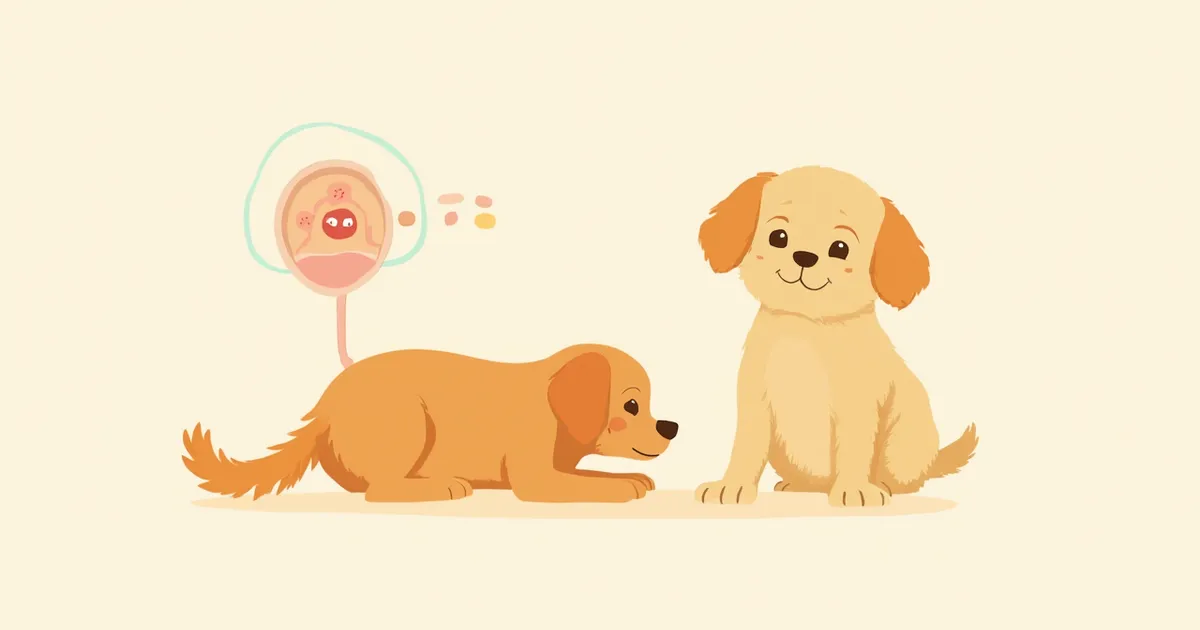
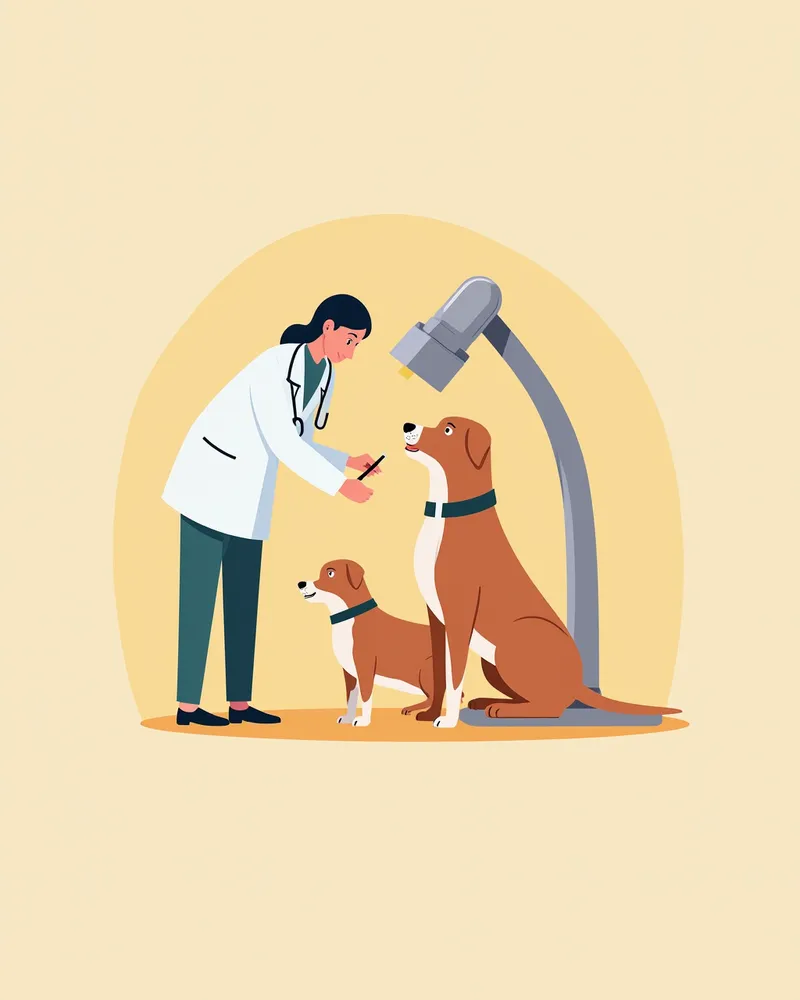
A veterinarian examining a puppy's stomach with an X-ray.

Treatment Methods: Removal of Ingested Objects and Recovery Management

Ingested objects are safely removed using endoscopy or surgery. In cases of electric shock, immediate treatment is administered with cardiac stabilizers, oxygen therapy, and intravenous fluids. During recovery, pets should rest in a quiet environment, and owners must carefully follow the veterinarian’s instructions regarding diet and medication. Regular follow-up examinations and monitoring remain essential after treatment. Improving the indoor environment is crucial to prevent recurrence, as creating a safe living space is key to long-term health management.
A puppy recovering in a quiet environment, with a bandage on its paw.

Home Management: Creating a Safe Indoor Environment
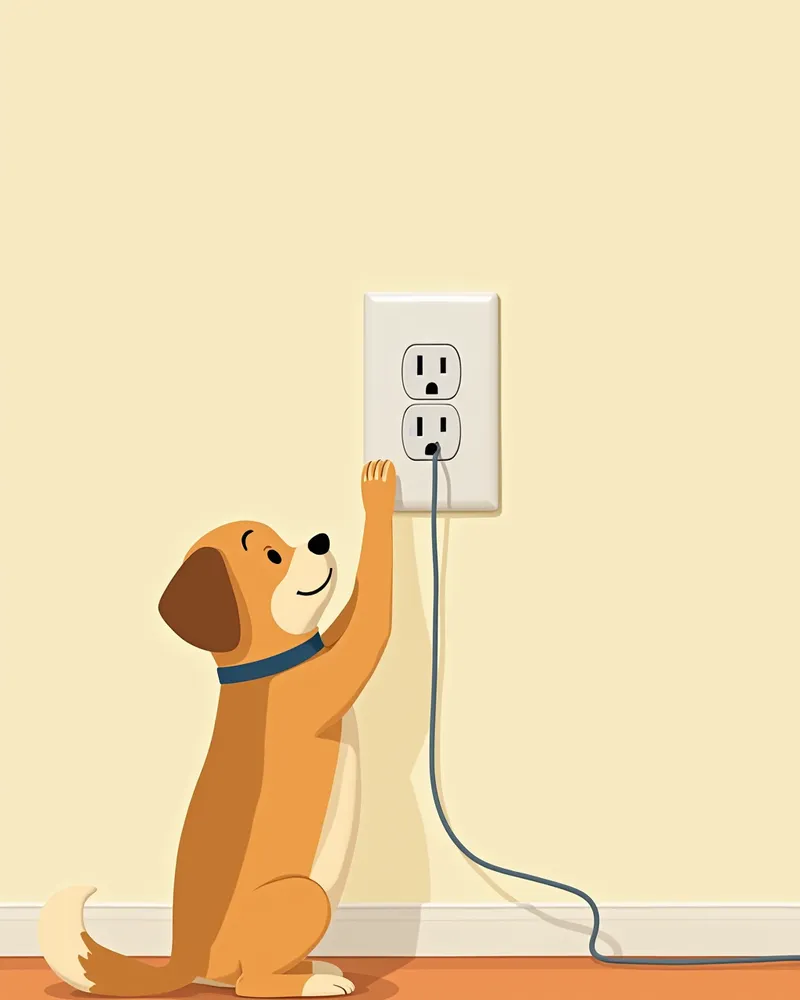
Secure electrical cords by wrapping them in cable covers or trays and fastening them to the wall. Install protective covers on electrical outlets. Store toxic substances in airtight containers on high shelves. It is crucial to keep hazardous objects out of your dog’s reach. - Toy Management: Store small toys separately. - Dishes and Food: Clean up immediately after meals, and dispose of trash in bins with secure lids. - Furniture Stability: Securely fasten sharp edges or items that could fall. Regular inspections are key to maintaining a safe environment.
A puppy’s paw reaching toward an electrical outlet, with a protective cover installed

Breed-Specific Precautions: Breeds with Strong Curiosity

Breeds with strong curiosity and active exploration behaviors are more likely to be exposed to hazards in the indoor environment. It’s important to check your surroundings when your puppy brings home new items or after any home renovations. Consistent observation and attentive care from you, the owner, are key.

Reviewed by a veterinarian

Dr. Tony — Punnawat Phongkittirak

Dr. Tony — Punnawat Phongkittirak

Veterinarian

A veterinarian who majored in veterinary medicine at Khon Kaen University, Thailand, and completed the IVSA program at North Carolina State University in the United States. Drawing on clinical experience at animal hospitals, he works in the pet healthcare field and is dedicated to building a digital care environment that connects pet parents with veterinarians.

Frequently Asked Questions

How often should you conduct an indoor environment safety check?
We recommend immediate inspection if there are accident records or frequent risk factors. Especially when your dog brings in new items or after home renovations, it's necessary to conduct an inspection right after environmental changes.
Is a cover alone sufficient to protect the wiring?
While a cover can help, it’s important to choose a product that’s tough enough to withstand your dog’s chewing. For complete protection, securing electrical cords to the wall is the safest option.
What should I do if I suspect my dog has swallowed an electrical wire?
Please go to the vet immediately. Do not induce vomiting or give water at home, as this can be dangerous. When you arrive, please provide a detailed account of what happened.
How should products containing toxic substances be stored?
Store the product in a sealed container, placed high up and out of your dog’s reach. Always check the label, and immediately close the lid after use. Dispose of any waste right away after use.
What are the symptoms when a dog receives an electric shock?
Symptoms may include muscle spasms, seizures, difficulty breathing, loss of consciousness, and irregular heart rhythms. If you notice any of these signs, seek veterinary care immediately, as severe cases can be life-threatening.

Share

Related Guides

References

[1] Blackwell's Five-Minute Veterinary Consult Clinical Companion, Small Animal Toxicology, 3rd Edition, 2024

[2] Small Animal Critical Care Medicine, 3rd Ed, 2023

[3] American Veterinary Medical Association (AVMA) Guidelines on Pet Safety in the Home, 2022

This information is based on veterinary literature and does not replace diagnosis or treatment. Please consult a veterinarian for specific health concerns.

Metapet Co., Ltd. | CEO: Park Sung-yong | Business Reg. No. 417-88-02562 | Seoul, South Korea | Customer Center

Puppy-Proofing Your Home: Spot Indoor Hazards & Risks | Meongsiljang