Like
Share
멍실장
강아지 연간 구충 스케줄 증상과 원인, 진단·치료와 관리 포인트 총정리

Puppy Annual Deworming Schedule: Symptoms, Causes, Diagnosis, Treatment, and Management Essentials

Lifestyle & Age CareDiseasesMeongsiljang Veterinary Advisory Board

A yearly deworming schedule is essential for preventing internal and external parasite infections. Regular check-ups and treatments help your dog maintain a healthy life.

What Is a Puppy’s Annual Deworming Schedule?
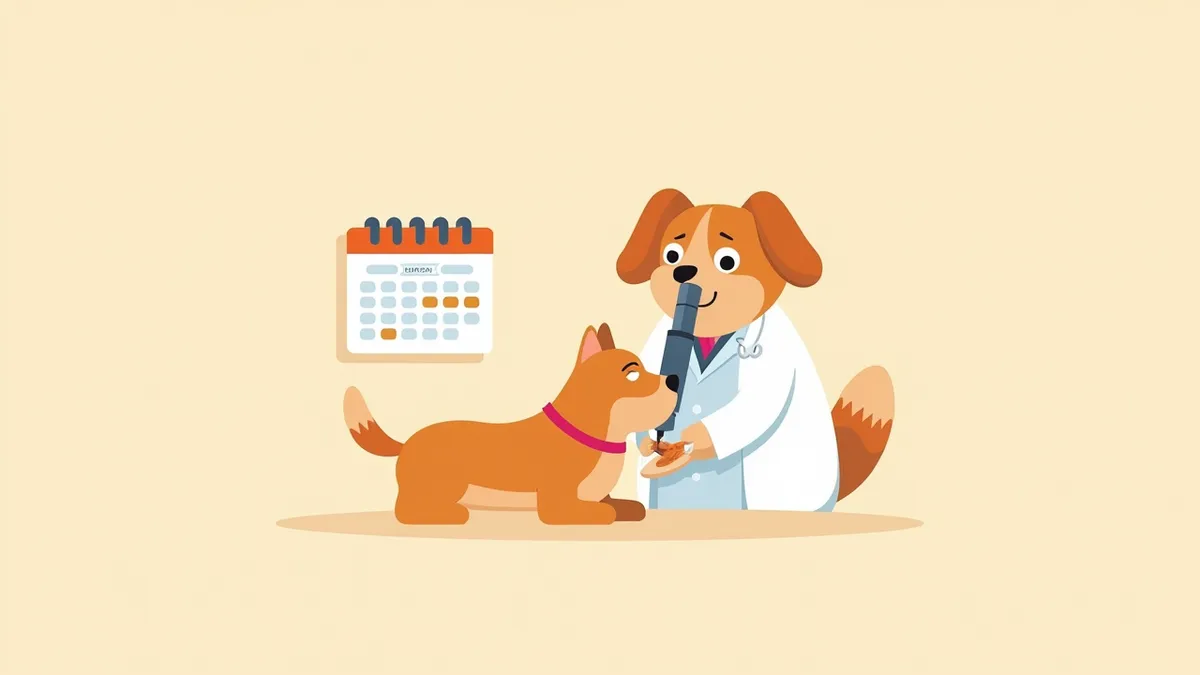
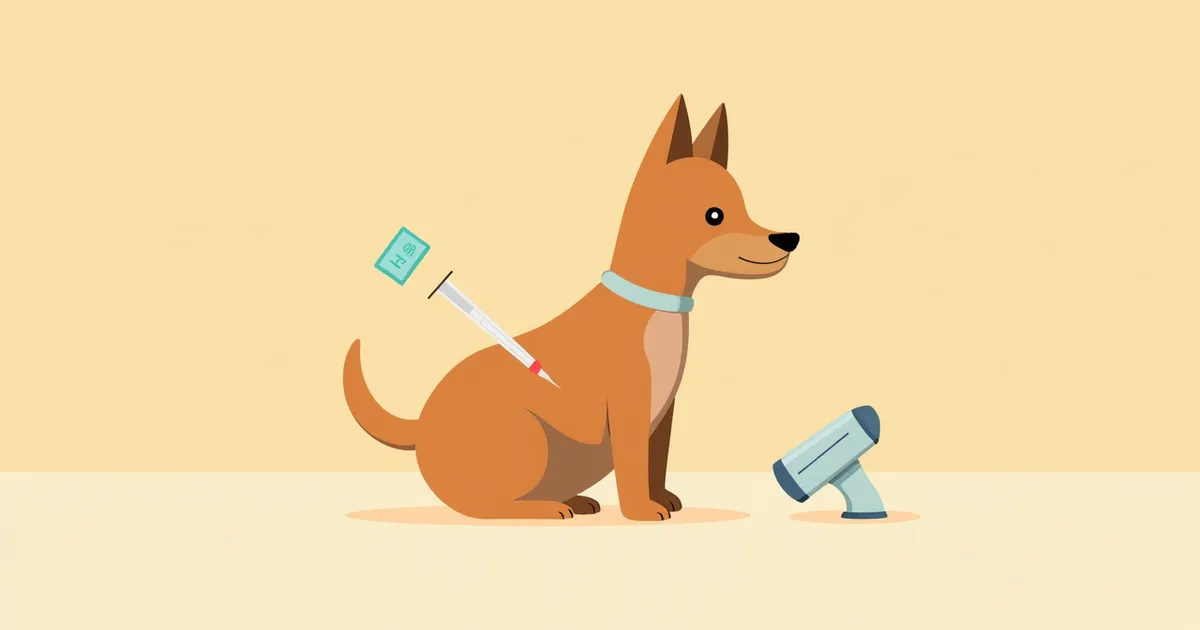
Puppy deworming test and prevention schedule image
A puppy’s annual deworming schedule is a plan for regular exams and medication to prevent internal and external parasite infections. It is essential for maintaining healthy growth and quality of life.
Regular Exams: Depending on the risk of parasite infection, check for parasites via fecal or blood tests approximately every six months.
Internal Parasite Prevention: It is common to administer deworming medication monthly or at regular intervals, depending on the type of parasite and level of environmental exposure, to reduce intestinal parasites.
External Parasite Prevention: If the risk of external parasites such as fleas and ticks is high, apply the medication every 1 to 3 months according to the product instructions.
Preventive Approach: The most effective strategy is to prevent infection before symptoms appear.

Main Causes of Parasitic Infection

Puppies typically contract parasites through environmental exposure and daily habits. Understanding these causes is key to effective prevention.
Contact with contaminated soil: Playing in grassy areas or parks can expose your dog to parasite eggs hidden in the dirt.
Contact with infected animals: Parasites can spread when your dog plays with or comes into contact with other dogs or cats that carry them.
Consumption of contaminated food: Eating spoiled food or raw meat from wild animals can introduce parasites into your dog’s system.
Fur and skin contact: Fleas, ticks, and similar parasites hide in the fur and can easily spread through direct contact.
Parasites often remain hidden in the body for long periods, making early detection difficult. That’s why regular preventive care is essential.
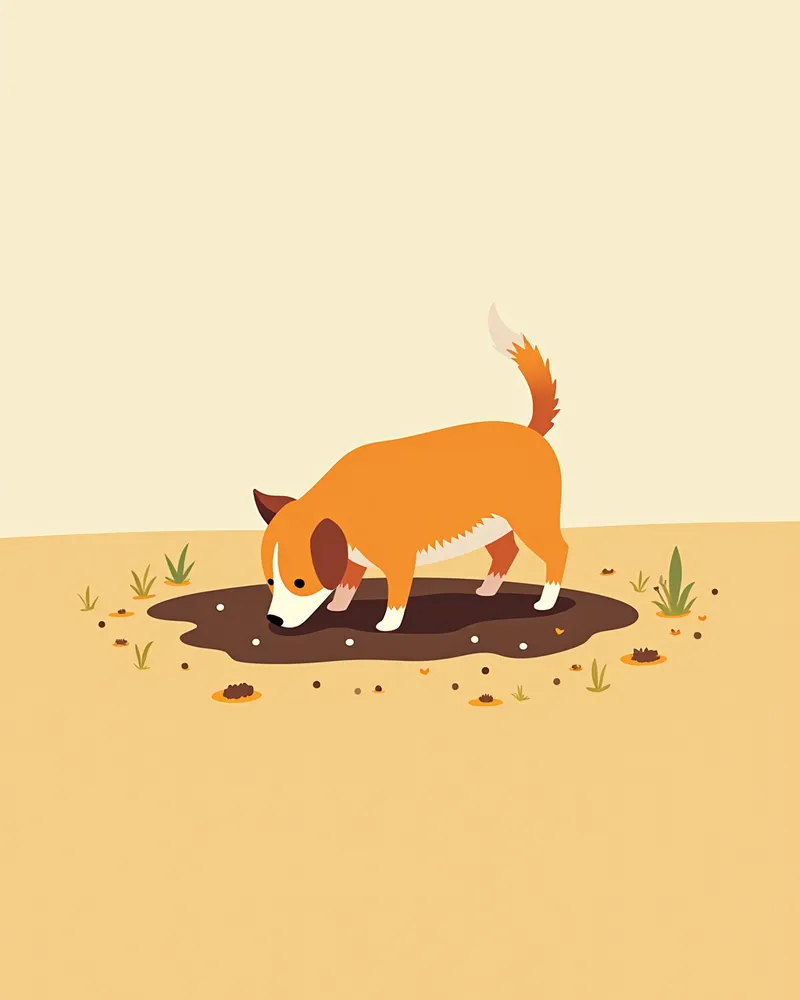
Causes of Parasitic Infections in Dogs Image

Key Symptom Checklist

Parasitic infections often show no symptoms in the early stages, but as they progress, various signs may appear. It’s important for pet owners to observe their pets closely.
Recurring diarrhea or bloody stools: Intestinal parasites can interfere with digestion, leading to repeated episodes of soft diarrhea or bloody stools.
Weight loss and decreased appetite: Parasites steal nutrients from your pet, causing weight loss and a reduced desire to eat.
Hair loss and skin itching: External parasites or certain parasitic infections can worsen coat condition and cause itching or rashes on the skin.
Bloated abdomen: A large number of intestinal parasites can cause the belly to swell.
Coughing or difficulty breathing: Lung parasite infections can lead to severe coughing and shortness of breath.
If these symptoms persist, consult a veterinarian immediately.
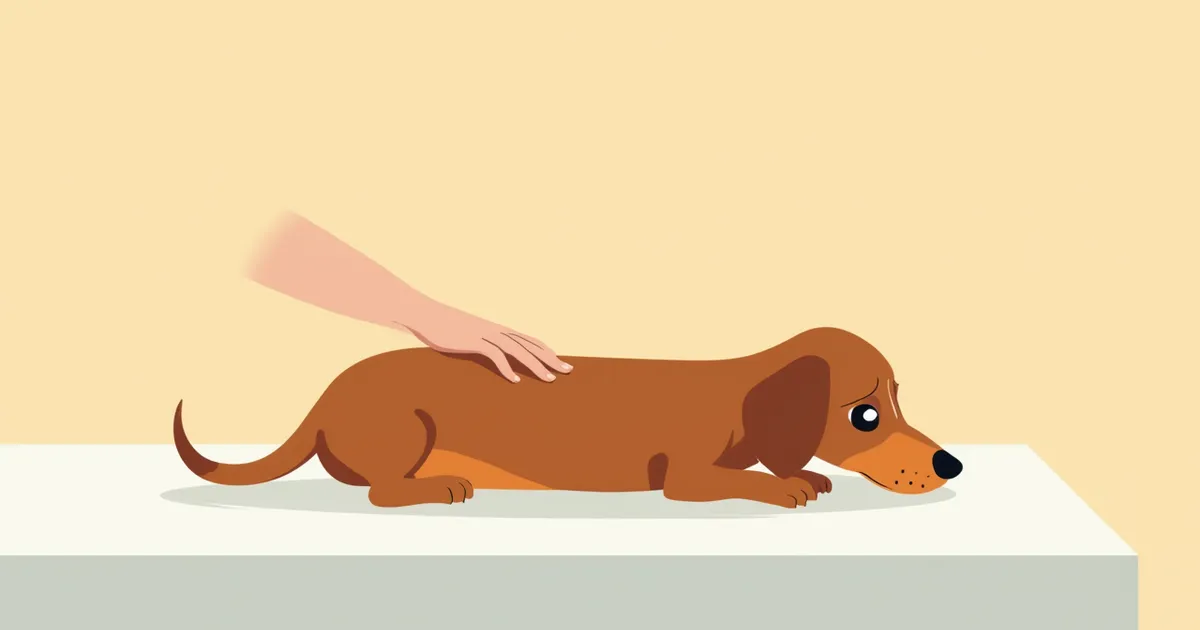
Images of symptoms of parasitic infections in puppies

Criteria for Immediate Veterinary Visit

If your dog shows any of the following symptoms, please visit the vet immediately. Parasite infections can become severe.

Diagnostic Methods
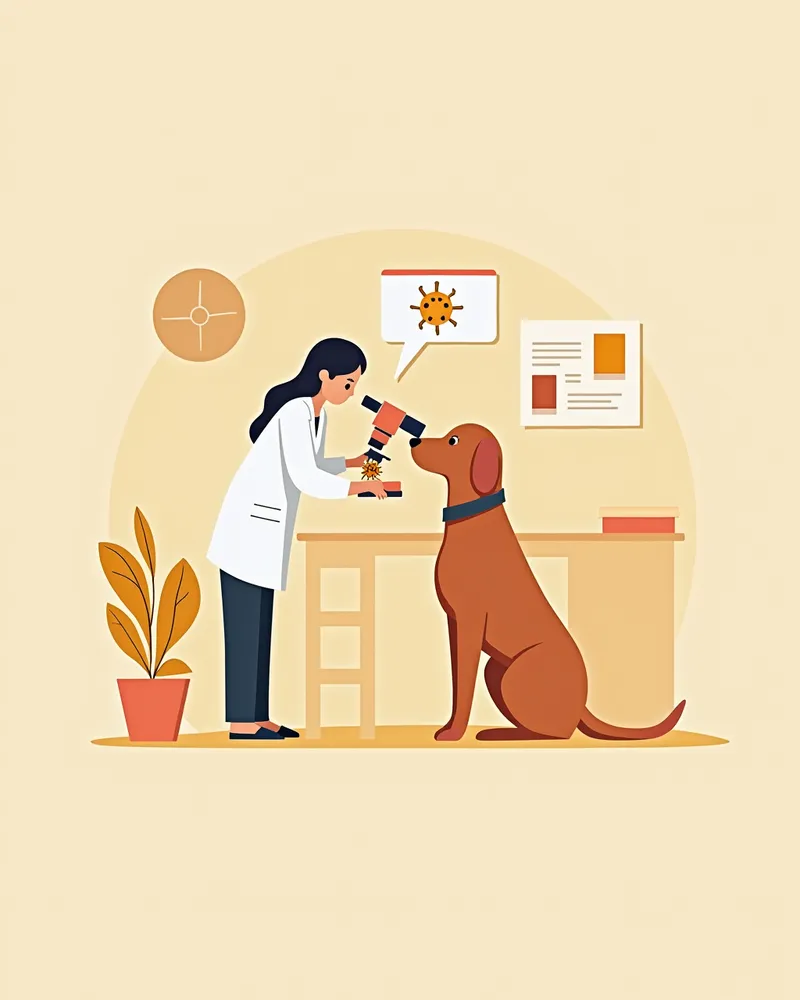
To accurately determine whether your pet has a parasitic infection, multiple tests are often necessary. An accurate diagnosis is the first step toward effective treatment.
Fecal examination: Microscopic tests, such as fecal flotation, are performed to detect parasite eggs or larvae.
Blood tests: When blood-borne parasites or tick-borne infections are suspected, we evaluate hematological and serological parameters, including antibody responses.
Ultrasound: This can help identify organ lesions or abdominal fluid, but imaging may not always reveal specific abnormalities.
Skin examination: Samples are collected from the skin surface to check for the presence of fleas or ticks.
Since parasitic infections may be asymptomatic in the early stages, regular testing is recommended based on your pet’s risk level.
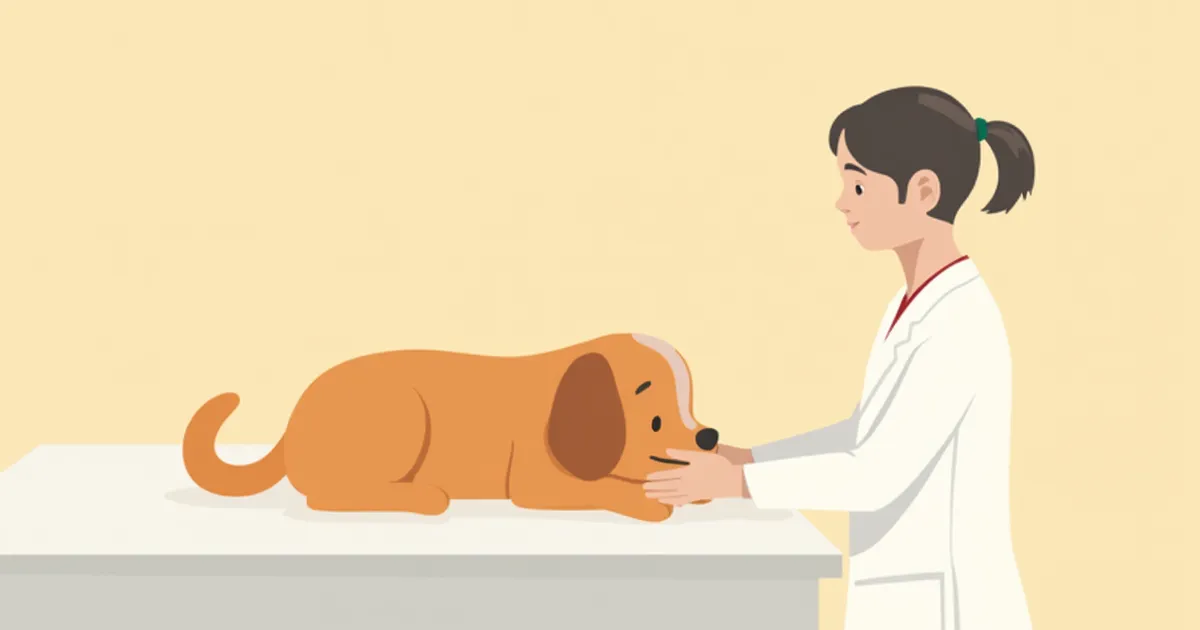
Dog parasite diagnostic test image

Step-by-Step Treatment Guide

Once a parasitic infection is confirmed, your veterinarian will create a customized treatment plan. A step-by-step approach is most effective.
Medication: Administer deworming medication appropriate for the specific type of parasite, either orally or via injection.
Nutritional Support: Provide supplements to address any nutritional deficiencies caused by the parasites.
Environmental Cleaning: Thoroughly clean your home, play areas, leashes, beds, and other surfaces to eliminate any remaining parasite eggs.
Isolation: Temporarily separate the infected puppy from other animals.
Follow-up Testing: After treatment, have your veterinarian perform a fecal exam or other tests at the recommended time to confirm whether the infection has been cleared.
Your careful and attentive care throughout the treatment period is essential.
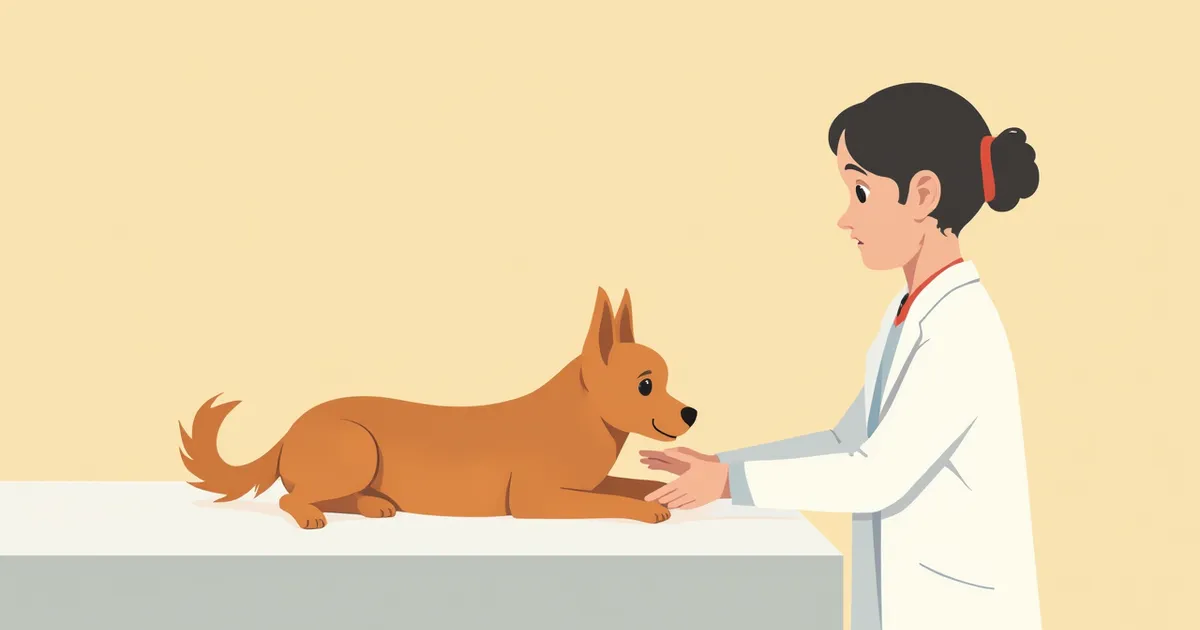
Image of the deworming treatment stages for puppies

Home Care and Prevention Tips

Consistent care remains essential even after treatment. Here are practical tips to help prevent reinfection with parasites.
Regular deworming: Administer deworming medication monthly or at regular intervals, based on a risk assessment.
Use of ectoparasite preventives: In environments with a high risk of flea and tick infestation, apply topical treatments or use collars every 1 to 3 months, following the product instructions.
Enhanced environmental cleaning: Perform weekly household cleaning, wash bedding, and disinfect play areas.
Post-walk grooming: Thoroughly clean your pet’s paws and coat after walks.
Avoid contact with infected animals: Be mindful of hygiene when your dog interacts with others, and avoid high-risk environments.
Maintaining these habits will significantly reduce the risk of parasitic infection.
Home care and prevention for puppies

Breed-Specific Precautions and Reinfection Prevention

The risk of parasitic infection in dogs can vary depending on their living environment and the extent of their outdoor exposure. It's important to consider these factors when creating a prevention plan.

Reviewed by a veterinarian

Dr. Tony — Punnawat Phongkittirak

Dr. Tony — Punnawat Phongkittirak

Veterinarian

A veterinarian who majored in veterinary medicine at Khon Kaen University, Thailand, and completed the IVSA program at North Carolina State University in the United States. Drawing on clinical experience at animal hospitals, he works in the pet healthcare field and is dedicated to building a digital care environment that connects pet parents with veterinarians.

Frequently Asked Questions

When should I start giving my puppy deworming medication?
The timing of deworming depends on your puppy’s age, living environment, and risk of parasitic infection. It’s best to consult with your veterinarian for an individual risk assessment before deciding. In many cases, deworming begins early in life, following your vet’s recommendations.
My pet has diarrhea after taking deworming medication. Is this normal?
Temporary diarrhea or vomiting after deworming medication is a common reaction. However, if symptoms persist or worsen, consult your veterinarian.
Can I give my dog deworming medication myself?
Yes, it’s possible. Deworming medications come in various forms, such as oral, injectable, and collar types. Please use them correctly under the guidance of a veterinarian.
Should deworming medication be given monthly?
The frequency of deworming depends on the type of parasite and environmental risk factors. While monthly administration is common, periodic dosing may also be appropriate based on your veterinarian’s assessment.
What should I do if I missed giving my pet deworming medication?
If you missed giving your pet dewormer, administer it as soon as possible and adjust the next scheduled dose accordingly. Consistently missing doses increases the risk of infection.

Share

Related Guides

References

This information is based on veterinary literature and does not replace diagnosis or treatment. Please consult a veterinarian for specific health concerns.

Metapet Co., Ltd. | CEO: Park Sung-yong | Business Reg. No. 417-88-02562 | Seoul, South Korea | Customer Center

Puppy Yearly Deworming: Symptoms, Causes & Management | Meongsiljang