

Comprehensive Guide to Breed-Specific Exercise Recommendations for Dogs: Symptoms, Causes, Diagnosis, Treatment, and Management
The recommended amount of exercise for dogs varies significantly by breed. Excessive exercise can increase the risk of injury, while insufficient exercise may lead to behavioral problems.
Breed-Specific Exercise Recommendations for Dogs Are the Foundation of a Healthy Life

The Main Causes of Exercise Recommendations Are the Genetic Traits and Energy Levels of Each Breed

Check for Key Symptoms That Appear When Exercise Is Insufficient or Excessive

Symptoms That Require an Immediate Veterinary Visit
If your dog’s joints become swollen or warm after exercise, or if they have difficulty walking, it’s important to visit the vet right away. These symptoms could indicate joint damage from overexertion, osteoarthritis, or even a joint infection. Large breeds and middle-aged to senior dogs are especially prone to joint issues like osteoarthritis. Early detection and treatment are key.
Methods Veterinarians Use to Diagnose Insufficient or Excessive Exercise
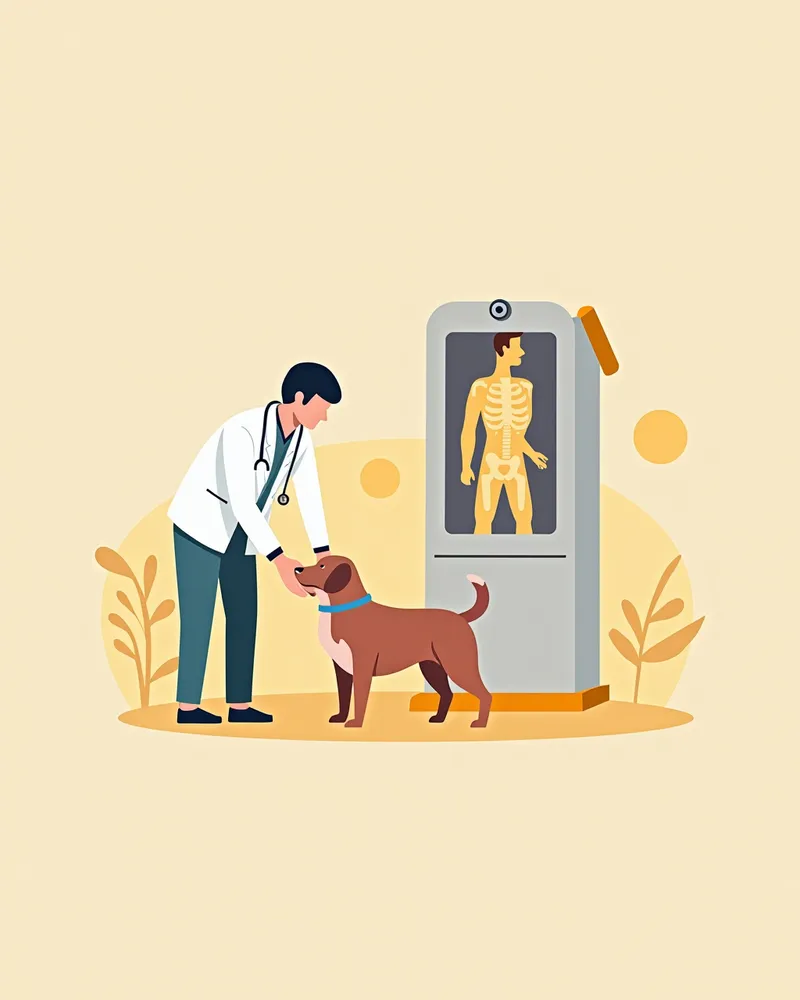
Establish a Treatment and Management Plan Based on Recommended Exercise Levels

Be Sure to Follow These Exercise Management Points at Home
Certain Breeds Are More Susceptible to Joint Diseases, So Caution Is Needed
Large-breed and high-energy dogs are more susceptible to joint diseases. It’s important to avoid exercises that put excessive strain on the thigh bone and knee joints. This isn’t just a general warning—it’s a preventive measure based on breed-specific characteristics. Consulting with your veterinarian to create an appropriate exercise plan is essential.
Reviewed by a veterinarian

Dr. Tony — Punnawat Phongkittirak
VeterinarianA veterinarian who majored in veterinary medicine at Khon Kaen University, Thailand, and completed the IVSA program at North Carolina State University in the United States. Drawing on clinical experience at animal hospitals, he works in the pet healthcare field and is dedicated to building a digital care environment that connects pet parents with veterinarians.
Reviewed 2026-06-29
Frequently Asked Questions
How are the recommended exercise amounts for dogs determined by breed?
What problems can arise from a lack of exercise?
What are the risks of excessive exercise?
What should you do if your dog looks tired after exercise?
Do small-breed dogs also need exercise?
Share
Related Guides

Top Recommendations and Selection Criteria for Cat FIV and FeLV Testing
Top Microchip Implantation Management Recommendations for Dogs and Key Selection Criteria
Complete Guide to Choosing, Comparing, and Managing the Best Heartworm Preventives for Dogs

If Your Dog Trembles in the Car — Causes of Car Anxiety and Motion Sickness, and Key Points for Calming and Prevention

Will Pheromone Therapy Help My Anxious Dog? — Effects and Proper Use
If Your Senior Dog Wanders at Night and Gets Disoriented — Causes and Management of Cognitive Dysfunction

Changes in Your Dog After the Baby Arrives — Causes of Behavioral Changes and Safe Adaptation Management

Why Is My Cat Spraying Urine Everywhere? — Causes of Spray Marking and Key Points for Distinguishing Medical Conditions

If Your Cat Keeps Fighting — Signs of Territorial Stress and When to Diagnose and Manage

Why Won’t My Cat Sleep at Night? — Causes of Sleep-Disrupting Behaviors and Disease Signals You Must Not Miss
References
[1] National Research Council. (2006). Nutrient Requirements of Dogs and Cats. National Academies Press.
[2] Plumb's Veterinary Drug Handbook, 9th Edition. (2022). Wiley-Blackwell.
[3] American Kennel Club. (2023). Breed Standards and Exercise Needs. AKC.org.