

Dog Anal Gland Care: Symptoms, Causes, Diagnosis, Treatment, and Management Tips
A dog’s anal glands release secretions each time they defecate. Without proper care, these glands can become inflamed, infected, and painful.
Dog anal sac issues are health problems caused by impaired secretion expulsion.
The main causes of anal sac issues are stool abnormalities and dietary imbalance.
Quickly identify key symptoms and signs.
Symptoms requiring immediate veterinary visit
If the anal sacs rupture or discharge a large amount of pus, or if your pet experiences severe pain or fever, immediate veterinary attention is necessary. These are signs of a progressing infection, and leaving it untreated can lead to abscesses or chronic inflammation. Additionally, if pus discharge recurs, it is important to consult with your veterinarian to discuss the appropriate treatment plan.
Veterinarians perform specialized examinations for accurate diagnosis.
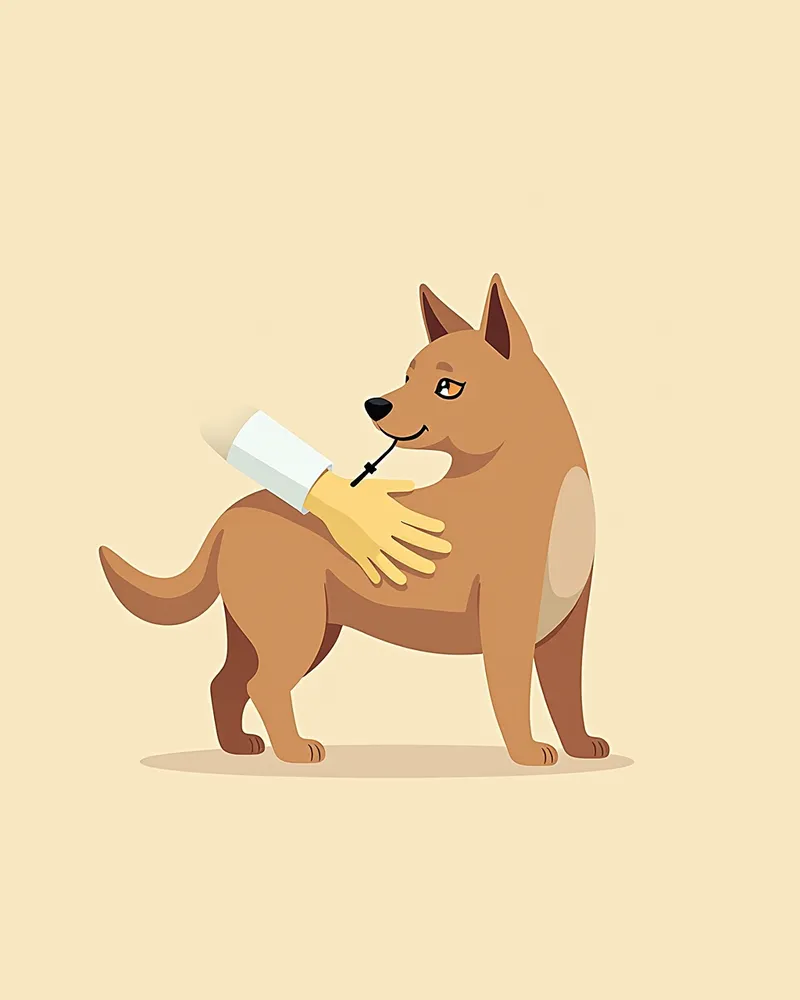
Treatment methods proceed in stages.
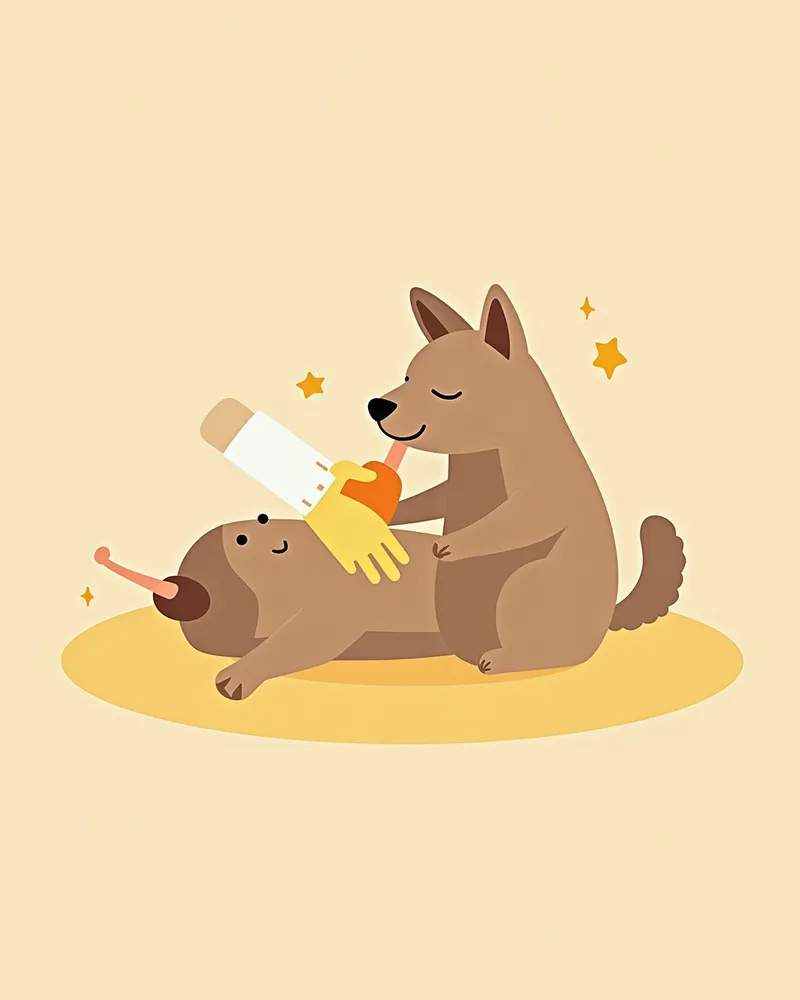
Home care and prevention are important.
Breed-specific precautions and tips to prevent recurrence
Small and toy breeds, including Cavalier King Charles Spaniels, are known to be relatively prone to anal gland impaction. Additionally, Cocker Spaniels are a breed in which anal gland tumors (adenocarcinomas) have been reported, so it is advisable to seek prompt veterinary examination if you feel a firm lump around the anus. For these breeds, it is important to work with your veterinarian to establish a regular care plan and consistently maintain gut health, regular gland expression, and weight management to prevent recurrence.
Reviewed by a veterinarian

Dr. Tony — Punnawat Phongkittirak
VeterinarianA veterinarian who majored in veterinary medicine at Khon Kaen University, Thailand, and completed the IVSA program at North Carolina State University in the United States. Drawing on clinical experience at animal hospitals, he works in the pet healthcare field and is dedicated to building a digital care environment that connects pet parents with veterinarians.
Reviewed 2026-06-29
Frequently Asked Questions
How often should anal glands be expressed?
Can I express my pet's anal glands at home?
Can anal gland problems be completely cured?
When is anal sac removal surgery necessary?
Can anal gland problems be transmitted to other dogs?
Share
Related Guides
Top Recommendations and Selection Criteria for Cat FIV and FeLV Testing
Top Microchip Implantation Management Recommendations for Dogs and Key Selection Criteria
Complete Guide to Choosing, Comparing, and Managing the Best Heartworm Preventives for Dogs
What Should I Feed My Dog with Liver Issues? — Principles and Precautions for Liver Support Diets
If Your Dog Keeps Getting Bruises — Warning Signs and Diagnosis of Liver Disease and Coagulation Abnormalities
If Your Dog Is Lethargic After Taking Medication — Symptoms of Drug- or Toxin-Induced Liver Injury and Emergency Timing
If Your Cat Is Growing Slowly and Lethargic — Timing for Portosystemic Shunt Surgery
Dog Kidney Biopsy: When Is It Needed and How Is It Performed? A Complete Guide
Sudden Proteinuria in Your Dog — Causes and Treatment Timing for Renal Amyloidosis
Complete Guide to Feline Liver Ultrasound — From Abnormal Findings to Diagnosis and Management Points
References
[1] BSAVA Manual of Canine and Feline Dermatology, 4th Ed. BSAVA Publications, 2020.
[2] The Veterinary Workbook of Small Animal Clinical Cases. Wiley-Blackwell, 2018.
[3] Clinical Medicine of the Dog and Cat, 4th Ed. Elsevier, 2021.