Like
Share
멍실장
고양이 만성 재발 요로 감염 증상과 원인, 진단·치료와 관리 포인트 총정리

Complete Guide to Feline Chronic Recurrent Urinary Tract Infections: Symptoms, Causes, Diagnosis, Treatment, and Management

UrinaryDiseasesMeongsiljang Veterinary Advisory Board

Feline chronic recurrent urinary tract infections are a condition characterized by recurring urinary difficulties and pain, making accurate diagnosis and systematic management essential.

Chronic Recurrent Urinary Tract Infections in Cats Are Characterized by Repeated Urination Difficulties
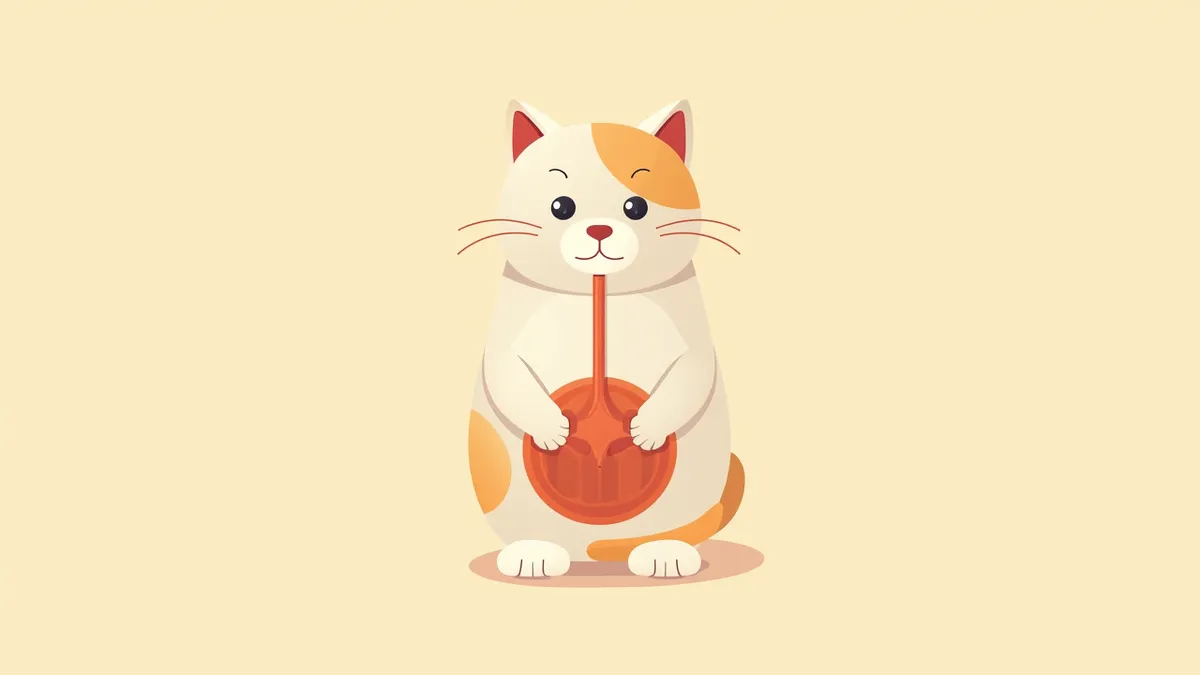
Feline urinary tract anatomy, bladder, ureters, urethra, kidneys labeled
Chronic recurrent urinary tract infections in cats are characterized by repeated urination difficulties and pain. The primary cause is feline idiopathic cystitis (FIC), a sterile inflammation of the bladder, with stress, environmental changes, and dietary factors serving as key triggers. Indoor cats, in particular, are sensitive to environmental changes, and sudden stress can worsen symptoms or trigger recurrences. Because this condition significantly diminishes a cat’s quality of life, early recognition and systematic management are essential. Visiting a veterinary clinic is crucial for accurately identifying the underlying cause, and early intervention greatly helps prevent recurrences and alleviate symptoms.

Primary Causes Include Infection, Stress, Urinary Stones, and Genetic Predisposition

- Feline Idiopathic Cystitis (FIC): A form of sterile cystitis, meaning it is not caused by bacterial infection. Instead, it results from a combination of factors such as stress, environmental changes, and dietary influences. It is the most common cause of feline lower urinary tract disease. - Stress Factors: Environmental changes or social conflicts can trigger or cause recurrences of feline idiopathic cystitis. - Urinary Tract Stones: When minerals like calcium and magnesium aggregate into crystals, they can irritate the bladder or urethra, causing pain. The most common types in cats are struvite and calcium oxalate stones. - Genetic Predisposition: Certain breeds may be more susceptible to environmental and stress factors or have structural differences in the bladder, increasing their risk of recurrence. - Dietary Factors: Insufficient water intake or specific types of cat food can worsen the urinary tract environment. Multiple factors often interact to contribute to the condition.
Cats stressed by noisy environments, living with other cats

Key Symptoms Include Difficulty Urinating, Blood in the Urine, and Elimination Outside the Litter Box
The most common signs of chronic recurrent urinary tract infections in cats include the following:
Difficulty urinating: Your cat may spend a long time in the litter box, or visit frequently in short intervals but pass only small amounts of urine.
Blood in the urine: The urine may appear reddish. In severe cases, it can look like diluted blood.
Urinating outside the litter box: Your cat may repeatedly urinate on walls or floors instead of using the litter box.
Signs of pain: Your cat may cry out while in the litter box or quickly stand up after attempting to urinate.
Lethargy: Your cat may remain inactive in one spot all day or refuse to eat.
If you notice any of these signs, please consult your veterinarian immediately.
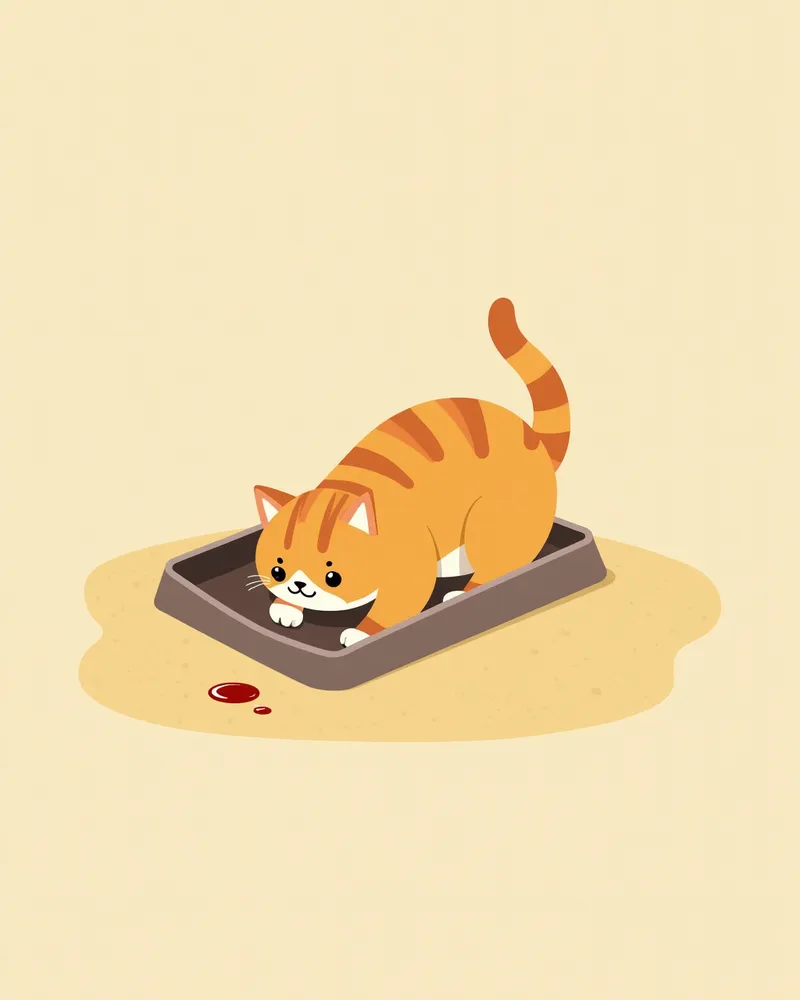
A cat appearing uncomfortable in front of the litter box, with blood spots on the floor

Signs Requiring Immediate Veterinary Care

If your cat is unable to urinate at all or appears to be in pain while using the litter box, seek veterinary care immediately. This could indicate a urethral obstruction, which is life-threatening. Male cats are at higher risk due to their narrower urethras, so extra vigilance is essential.

Diagnosis Is Performed Through Urinalysis, Ultrasound, and Blood Tests
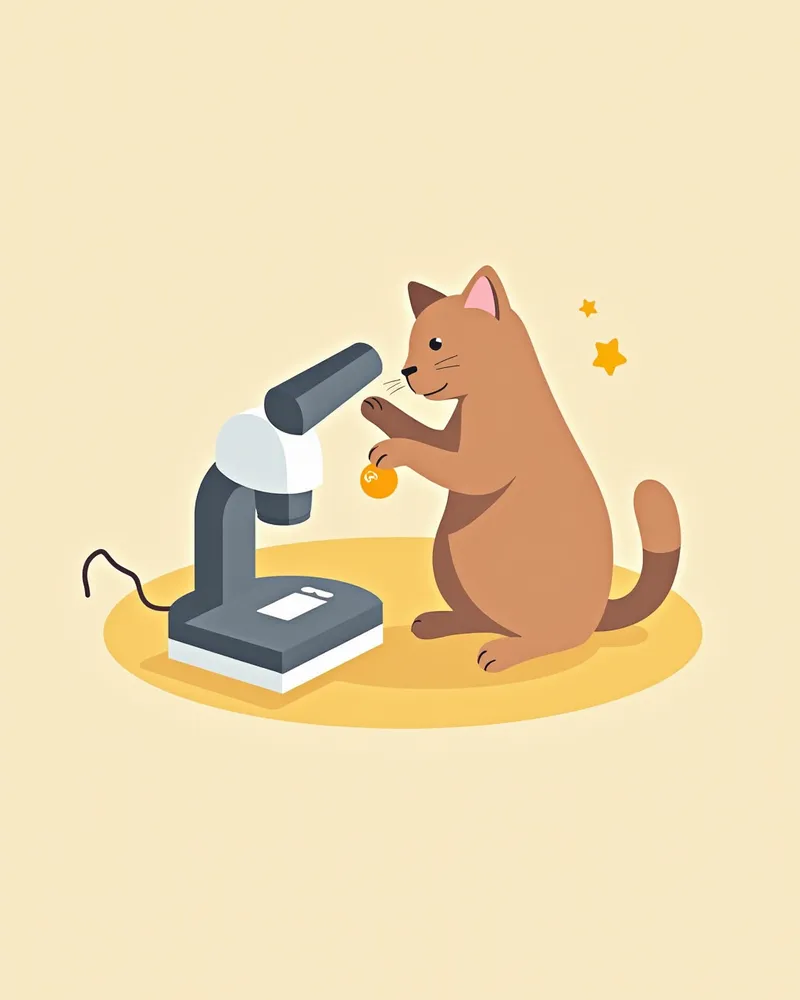
- Urinalysis: Checks for white blood cells, blood, bacteria, and crystals to determine whether an infection is present and identify its cause. - Ultrasound examination: Evaluates the structure of the bladder and kidneys to check for stones or abnormal lesions. - Blood tests: Measures kidney function and inflammation levels to assess overall systemic health. - CT or X-ray imaging: Used in complex cases to accurately diagnose urethral obstruction or complicated stones. - Clinical symptom analysis: Comprehensively evaluates changes in litter box behavior, difficulty urinating, and hematuria. An accurate diagnosis is the first step toward effective treatment.
A veterinarian examining a cat's urine sample under a microscope.

Treatment Involves Antibiotics, Pain Relief, and Dietary Management Depending on the Cause
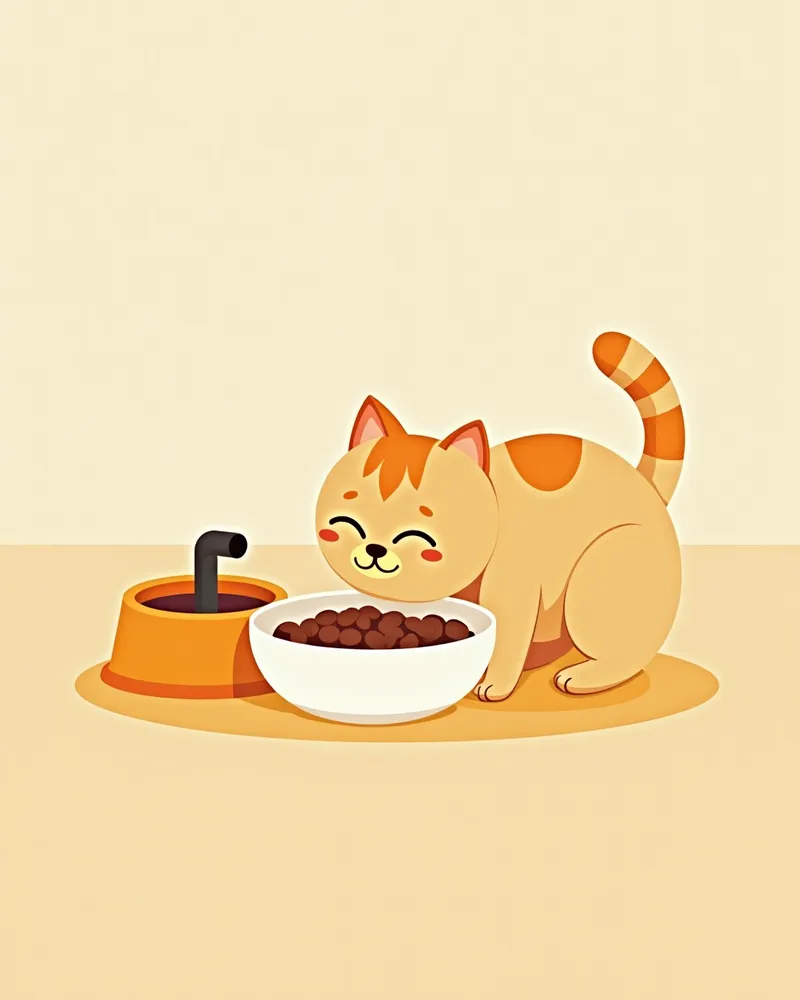
- Antibiotic therapy: If a bacterial infection is confirmed, your veterinarian will prescribe an appropriate antibiotic for a specific duration. However, since most cases are sterile (non-infectious), antibiotics are only prescribed after a urine culture confirms the presence of bacteria. - Pain relief: If your pet experiences significant pain during urination, pain-relieving medication may be prescribed alongside other treatments. - Dietary management: Under veterinary guidance, diets that increase water intake and improve the urinary tract environment are used. Specialized therapeutic diets are particularly helpful in preventing stone formation. - Environmental management: To reduce stress, provide a calm and secure environment where your cat feels safe and comfortable. - Regular follow-up: Continue monitoring symptoms and performing urine tests after treatment to check for recurrence. Since treatment duration varies significantly among individuals, carefully follow your veterinarian’s instructions for ongoing care.
A cat eating urinary tract health-specific food, sitting next to a water mister

Home Management Centers on Environmental Stability, Increased Water Intake, and Regular Observation
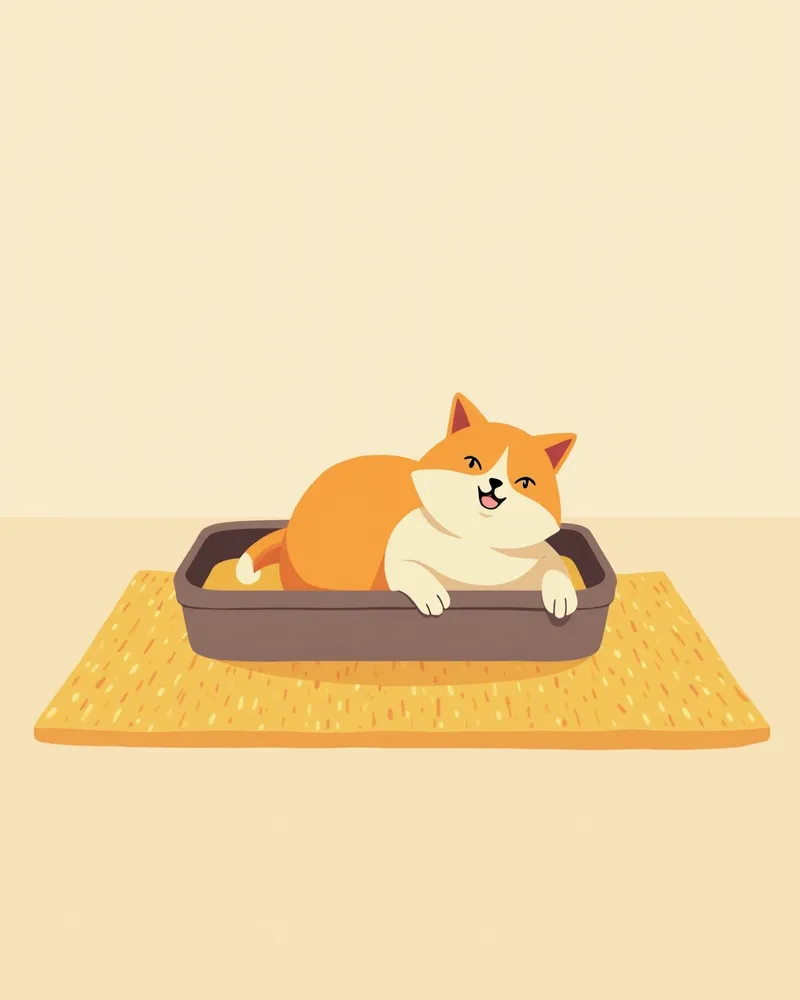
Managing chronic recurrent urinary tract infections in cats hinges on adjusting their environment, diet, and behavioral habits.
Environmental stability: Provide a space where your cat feels secure and minimize conflicts with other animals.
Increased water intake: Encourage hydration by using water fountains or flowing water devices.
Litter box maintenance: Place multiple clean litter boxes around the home and clean them frequently.
Regular monitoring: Keep a daily log of your cat’s urine output and any changes in behavior.
Stress reduction: Ensure access to quiet, comfortable areas and dedicated playtime.
These habits can help alleviate symptoms and prevent recurrence.
A comfortable cat space, including a litter box, water mister, and soft bed

Male Cats and Breeds with Genetic Predisposition Require Extra Vigilance

Male cats are at higher risk of urethral obstruction due to their narrower urethras. Certain purebred and long-haired breeds, such as Persians, Himalayans, Russian Blues, and Abyssinians, are particularly prone to urinary tract diseases. Regular check-ups and early intervention are essential for these cats.

Reviewed by a veterinarian

Dr. Tony — Punnawat Phongkittirak

Dr. Tony — Punnawat Phongkittirak

Veterinarian

A veterinarian who majored in veterinary medicine at Khon Kaen University, Thailand, and completed the IVSA program at North Carolina State University in the United States. Drawing on clinical experience at animal hospitals, he works in the pet healthcare field and is dedicated to building a digital care environment that connects pet parents with veterinarians.

Frequently Asked Questions

My cat goes to the litter box frequently but only passes small amounts of urine. Is this normal?
These symptoms could be early signs of feline idiopathic cystitis (FIC) or urinary tract stones. You should consult a veterinarian right away.
What should I do if a urinary tract infection keeps coming back?
Recurrence requires re-evaluating the underlying causes. Adjust stress, diet, and environmental factors, and work with your veterinarian to establish a long-term management plan. In most cases, sterile cystitis can recur.
How can I encourage my pet to drink more water at home?
Using water fountains, flowing water devices, and jelly-style food can help increase water intake, which is essential for urinary tract health.
Do prescription diets for urinary tract health really work?
Diets formulated for urinary tract health can help reduce the risk of stone formation or regulate urine pH, so it’s a good idea to follow your veterinarian’s recommendation. However, the same results aren’t guaranteed for every cat.
Can a cat experience a recurrence of urethral obstruction after an initial episode?
Yes, the risk of recurrence is high. Regular check-ups, environmental management, and increased water intake are important. Male cats, in particular, have a higher risk of recurrence.

Share

Related Guides

References

[1] Westropp JL, Buffington CA. Feline idiopathic cystitis: current understanding of pathophysiology and management. Vet Clin North Am Small Anim Pract. 2004;34:1043–1055.

[2] Osborne CA, Lulich JP, Sanderson SL. Medical management of iatrogenic rents in the wall of the urinary bladder. Vet Clin North Am Small Anim Pract. 1996;26(3):551–562.

[3] Pressler BM, Vaden SL, Lane IF, et al. Candida spp. urinary tract infections in 13 dogs and seven cats: predisposing factors, treatment, and outcome. J Am Anim Hosp Assoc. 2003;39(3):263–270.

This information is based on veterinary literature and does not replace diagnosis or treatment. Please consult a veterinarian for specific health concerns.

Metapet Co., Ltd. | CEO: Park Sung-yong | Business Reg. No. 417-88-02562 | Seoul, South Korea | Customer Center

Feline Chronic Recurrent UTIs: Symptoms & Treatment | Meongsiljang