
Feline Stress-Induced Cystitis: A Complete Guide to Symptoms, Causes, Diagnosis, Treatment, and Management
Feline stress-induced cystitis is a condition in which inflammation of the bladder occurs due to environmental changes or emotional distress, leading to symptoms such as frequent urination, painful urination, and blood in the urine. Early diagnosis and stress management are key to effective treatment.
Feline Stress-Induced Cystitis: Bladder Inflammation Caused by Environmental Anxiety

Mechanism of Stress Effects on the Bladder
Key Symptoms Checklist
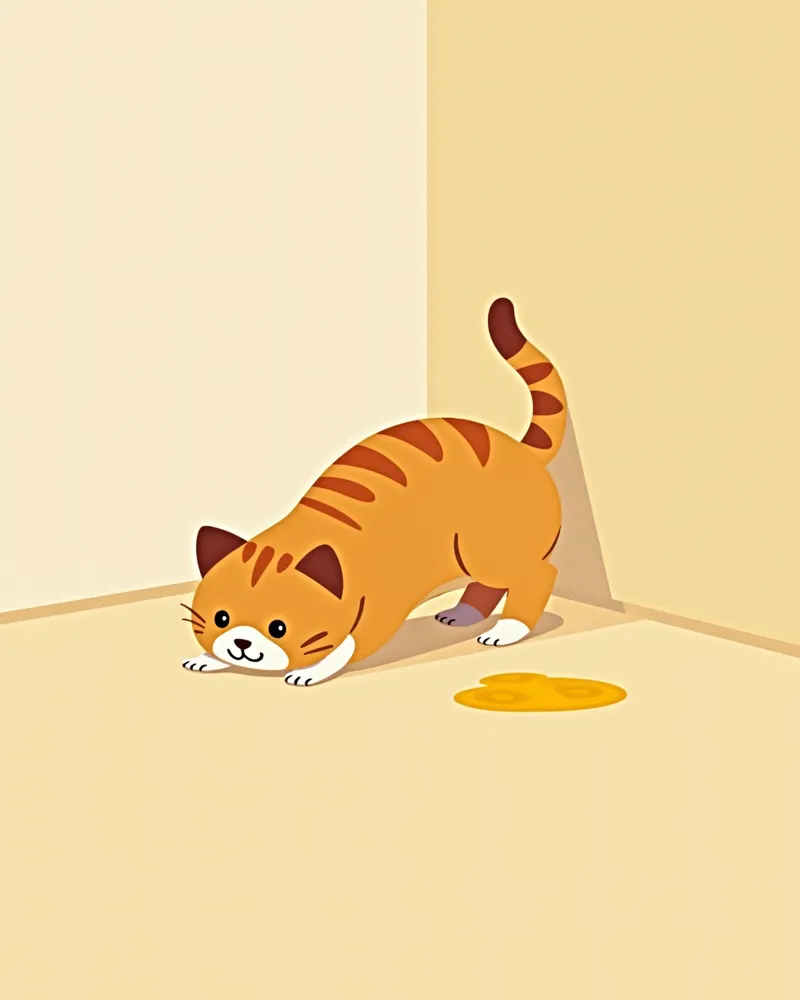
Emergency Signs Requiring Immediate Veterinary Visit
Cats may be unable to urinate at all, cry out in pain while trying to pass urine, or continue lingering in the litter box even after attempting to urinate. These signs can indicate a dangerous urinary blockage, so immediate veterinary care is essential. Male cats, in particular, are at a higher risk of urinary tract obstruction.
Diagnostic Procedures for Accurate Diagnosis
Step-by-Step Treatment Approach
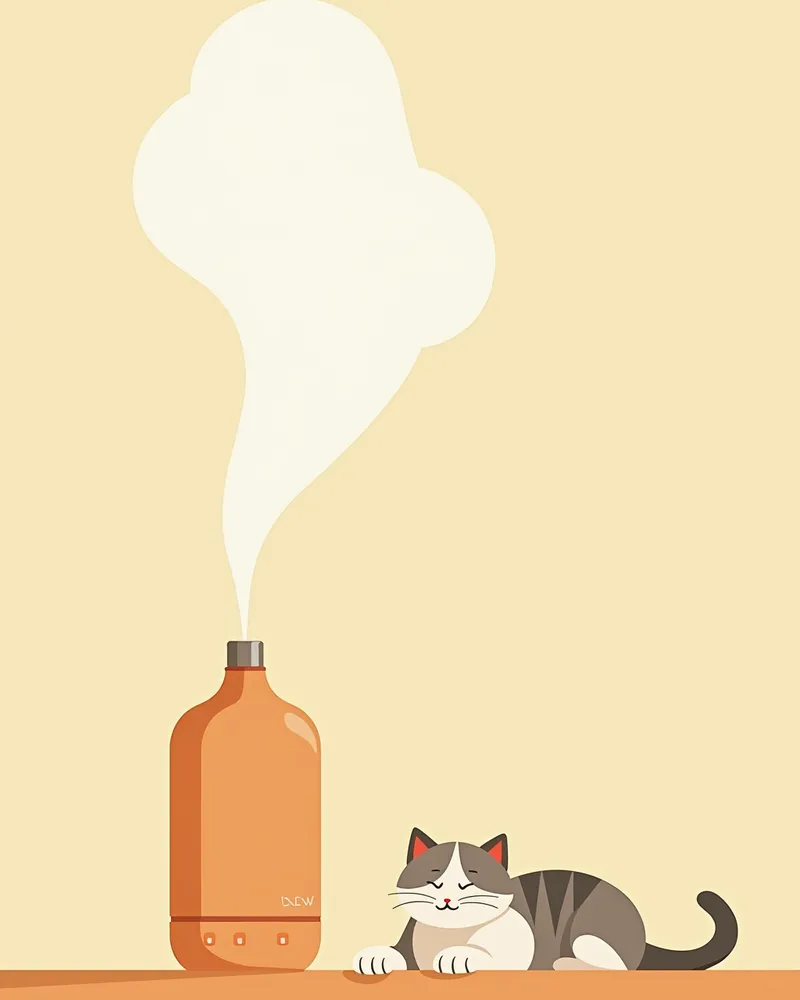
Management Points at Home
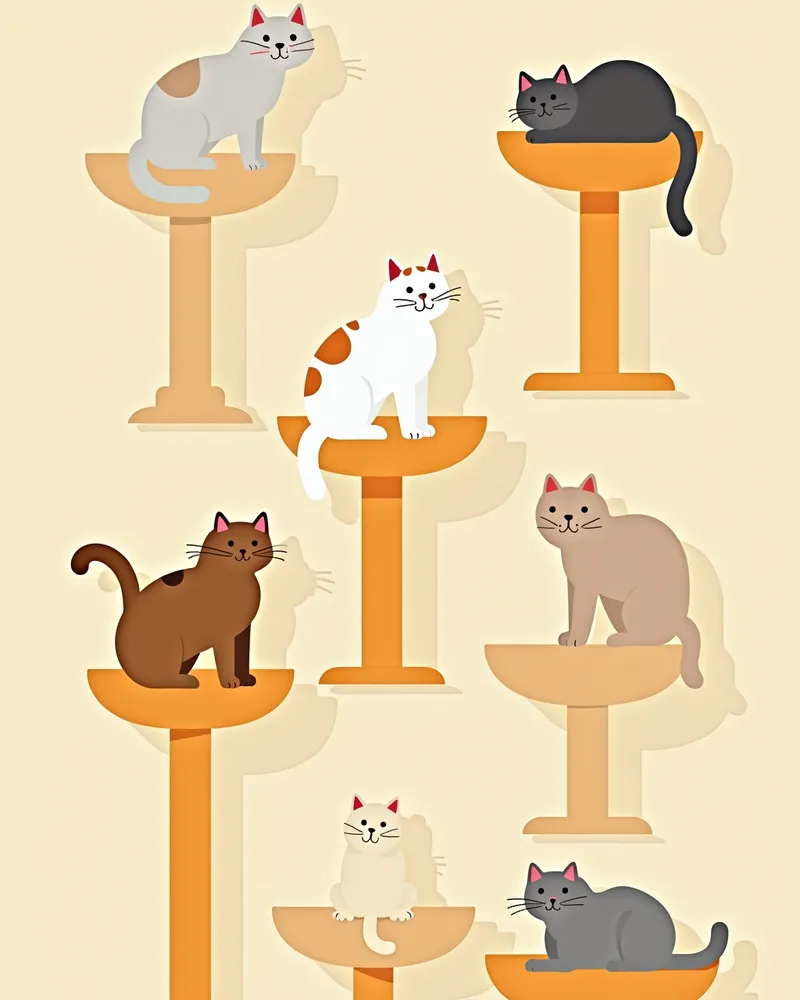
Preventing Recurrence and Breed-Specific Precautions
Feline stress-induced cystitis is a self-limiting condition, but it tends to recur frequently. Veterinary textbooks identify purebred cats, long-haired breeds, multi-cat households, inter-cat conflict, obesity, and indoor living as risk factors. Therefore, the level of risk can vary depending on breed and living environment, making it important to reduce recurrences by proactively addressing stressors and adjusting the environment.
Reviewed by a veterinarian

Dr. Tony — Punnawat Phongkittirak
VeterinarianA veterinarian who majored in veterinary medicine at Khon Kaen University, Thailand, and completed the IVSA program at North Carolina State University in the United States. Drawing on clinical experience at animal hospitals, he works in the pet healthcare field and is dedicated to building a digital care environment that connects pet parents with veterinarians.
Reviewed 2026-06-29
Frequently Asked Questions
Does a cat’s inability to urinate mean it has cystitis?
Can pheromone spray alone be effective?
Is it not okay to install multiple litter boxes?
Is stress-induced cystitis untreatable?
Is it normal for a cat to urinate frequently?
Comparison of Treatments for Stress-Induced Cystitis
| Item | Drug therapy | Pheromone therapy | Environmental modification | Behavioral therapy |
|---|---|---|---|---|
| Main effect | Pain relief, reduced inflammation | Induces a sense of calm, reduces stress | Reduces urinary tract irritation, stabilizes daily life | Corrects behavior patterns, relieves anxiety |
| When to use | Start immediately when symptoms are severe | For prevention and preventing recurrence | Ongoing management | Long-term management and recurrence prevention |
| Duration of effect | About 1–2 weeks | Several months | Ongoing effect | Long-term effect |
A combined approach is most effective. Combined use is recommended after consulting the veterinarian.
Share
Related Guides

Top 5 Prescription Diets for Feline FLUTD — Comparison by Struvite and Calcium Oxalate Stones

Top 7 Prescription Diets for Feline Bladder and Urinary Tract Health Recommended by Veterinarians — Including Selection Criteria

Top 5 Cranberry Urinary Supplements for Dogs — Preventing Cystitis
Complete Guide to Feline Rabies Vaccination: Symptoms, Causes, Diagnosis, Treatment, and Management
Complete Guide to Cat Age Conversion: Symptoms, Causes, Diagnosis, Treatment, and Management
Cat Core Vaccination Schedule: Symptoms, Causes, Diagnosis, Treatment, and Management Points Summary
Cat Dry vs. Wet vs. Raw Food Selection: Symptoms, Causes, Diagnosis, Treatment, and Management Points Summary
A Complete Guide to Cat Health Check-ups by Age: Symptoms, Causes, Diagnosis, Treatment, and Care Priorities

Puppy Deworming: Timing, Symptoms, Causes, Diagnosis, Treatment, and Management Essentials
Dog Lung Fluke Symptoms, Causes, Diagnosis, Treatment, and Management: A Complete Guide
References
[1] Frank, D. et al. (1999) Efficacy of synthetic feline facial pheromone (Feliway) in reducing urine marking in multi-cat households. Journal of Feline Medicine and Surgery.
[2] Mills, D.S. & White, S. (2000) The use of pheromone therapy in the management of feline stress-related disorders. Veterinary Clinics of North America: Small Animal Practice.
[3] Gaultier, E. et al. (1998) Effect of Feliway on stress-related behaviors in cats during travel. Applied Animal Behaviour Science.