

If You Find a Lump on Your Cat’s Skin — Causes and Drainage Treatment for Skin Abscesses
Feline skin abscesses are bacterial infections in which pus accumulates under the skin, typically following a fight or injury. Early detection and prompt veterinary treatment are key to recovery.
What Are Feline Skin Abscesses?

Main Causes of Feline Skin Abscesses
Key Symptoms Checklist

Signs That Require Immediate Veterinary Attention
If your pet exhibits any of the following symptoms, take them to an emergency veterinary clinic immediately: 1) The abscess has ruptured, emitting a strong foul odor with continuous discharge of thick pus; 2) High fever or severe shivering; 3) Reluctance to move, persistent whining, or lethargy; 4) An abscess located on the face around the eyes, nose, or mouth. Prompt action is crucial, as leaving it untreated can allow bacteria to spread throughout the body, potentially leading to sepsis.
Diagnostic Methods
Treatment Methods — A Step-by-Step Guide
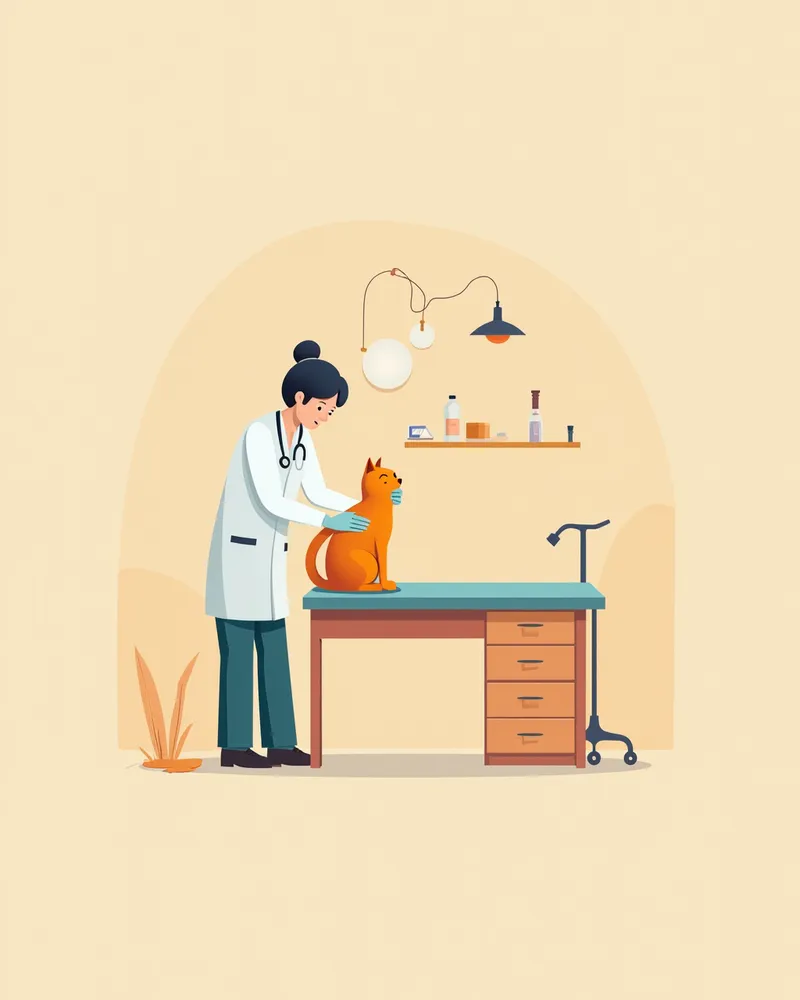
Home Care Tips

Preventing Recurrence and Breed-Specific Considerations
Most feline skin abscesses stem from bite and scratch wounds incurred during fights, so reducing fighting is key to preventing recurrence. Keeping your cat strictly indoors minimizes contact with other cats and fights, significantly lowering the risk of abscesses. Unneutered males are more prone to territorial disputes, so neutering can help reduce aggression. Additionally, regularly check your cat’s body for bite marks or swelling, and if you notice any wounds, seek veterinary care early before they develop into abscesses.
Reviewed by a veterinarian

Dr. Tony — Punnawat Phongkittirak
VeterinarianA veterinarian who majored in veterinary medicine at Khon Kaen University, Thailand, and completed the IVSA program at North Carolina State University in the United States. Drawing on clinical experience at animal hospitals, he works in the pet healthcare field and is dedicated to building a digital care environment that connects pet parents with veterinarians.
Reviewed 2026-06-01
Frequently Asked Questions
Can a cat’s skin abscess heal on its own?
Is it okay to squeeze out the pus at home?
Can antibiotics alone be enough to treat the condition?
How long does it take for the surgical wound to heal?
If one cat in a multi-cat household develops an abscess, are the other cats at risk?
Share
Related Guides

Top 5 Medicated Dog Shampoos — For Pyoderma and Bacterial Infections

Veterinarian-Recommended Top 5 Medicated Shampoos for Canine Yeast Dermatitis — Relieves Itching and Greasiness

Top 5 Medicated Cat Shampoos Recommended by Veterinarians — Fungal Dermatitis and Fungal Care

Canine Insulin Injection Technique, Dosage Adjustment, Symptoms, Causes, Diagnosis, Treatment, and Management Essentials

If You Feel a Lump on Your Cat’s Neck — Thyroid Cancer Signs and Timing for Diagnosis and Treatment

When Your Cat Is Lethargic and Stumbling — Hypoglycemia Warning Signs and Emergency Response
When Your Cat Is Constantly Lethargic and Weak in the Legs — Causes of Hyperaldosteronism and Timing for Treatment

If Your Puppy Is Afraid of People or Dogs — Causes and Correction for Lack of Socialization

If Your Dog Keeps Biting Your Hand — Causes of Biting Behavior and Step-by-Step Bite Inhibition Training

Why Is My Dog So Excited? — Causes of Impulse Control Issues and When to Seek Treatment
References
[1] Harvey RG, Mckeever PJ and Nuttall TJ (Eds.), BSAVA Manual of Canine and Feline Dermatology, 4th Ed., British Small Animal Veterinary Association, 2019
[2] Gross TL, Ihrke PJ, Walder EJ and Affolter VK, Skin Diseases of the Dog and Cat: Clinical and Histopathological Diagnosis, 2nd Ed., Blackwell, 2005
[3] Norsworthy GD et al., The Feline Patient, 4th Ed., Wiley-Blackwell, 2011