Like
Share
멍실장
강아지 항우울제중독 증상과 응급 대처법, 위험 섭취량과 예방까지 총정리

My Dog Ingested an Antidepressant — Emergency Steps to Know Before Tremors and Seizures

Emergency/ToxicityDiseasesMeongsiljang Veterinary Advisory Board

If your dog ingests an antidepressant, it can lead to a medical emergency known as serotonin syndrome. We’ve compiled a comprehensive guide covering immediate first aid steps, dangerous dosage levels, and treatment options.

What Is Canine Antidepressant Poisoning?
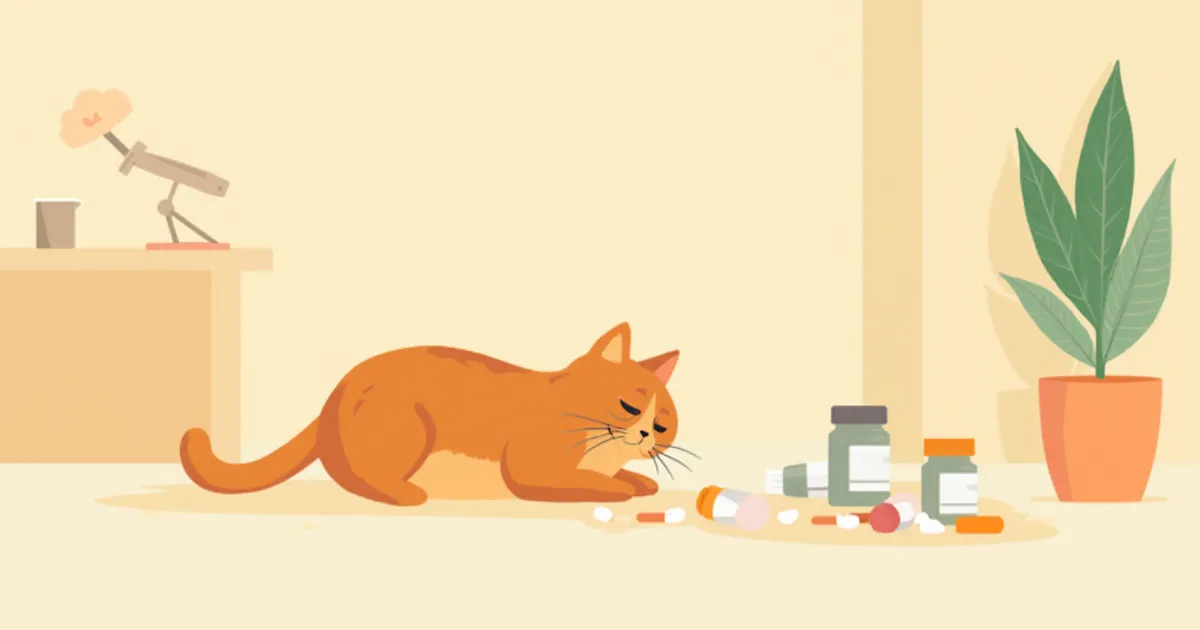
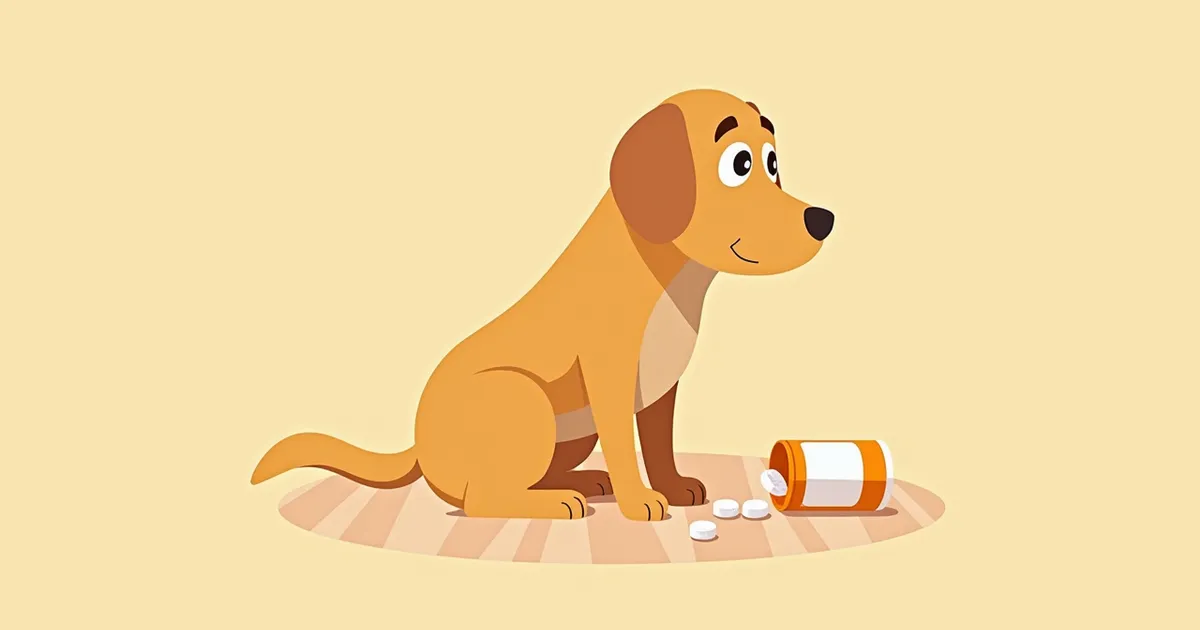
A puppy near a pill that has fallen on the floor
Canine antidepressant poisoning is an acute toxic syndrome that occurs when a dog ingests antidepressants used by humans to treat depression and anxiety disorders. The most dangerous complication is serotonin syndrome, a medical emergency characterized by a rapid rise in body temperature, muscle spasms, and seizures occurring simultaneously. Because these medications are commonly used at home, accidents are frequent, with dogs often consuming pills dropped on the floor or found in bags. The key is to contact a veterinary clinic immediately if ingestion is suspected, even if no symptoms are present.

Which Antidepressants Are Dangerous? — Toxicity Mechanisms by Class

There are three main classes of antidepressants that can cause poisoning in dogs. SSRIs (Selective Serotonin Reuptake Inhibitors): This class includes fluoxetine, sertraline, and paroxetine. These are the most commonly used at home and account for the highest number of ingestion incidents. They cause serotonin excess, which disrupts the nervous system. SNRIs (Serotonin-Norepinephrine Reuptake Inhibitors): This class includes venlafaxine and duloxetine. They block the reuptake of both serotonin and norepinephrine. However, because the toxic dose varies significantly between drugs and is not yet clearly established in veterinary medicine, it is difficult to feel safe even with small ingestions. Tricyclic Antidepressants: Amitriptyline is the most representative drug in this class. It is particularly dangerous because its cardiotoxicity can induce arrhythmias.

Main Symptoms of Antidepressant Poisoning — Check Within 30 Minutes to 4 Hours After Ingestion
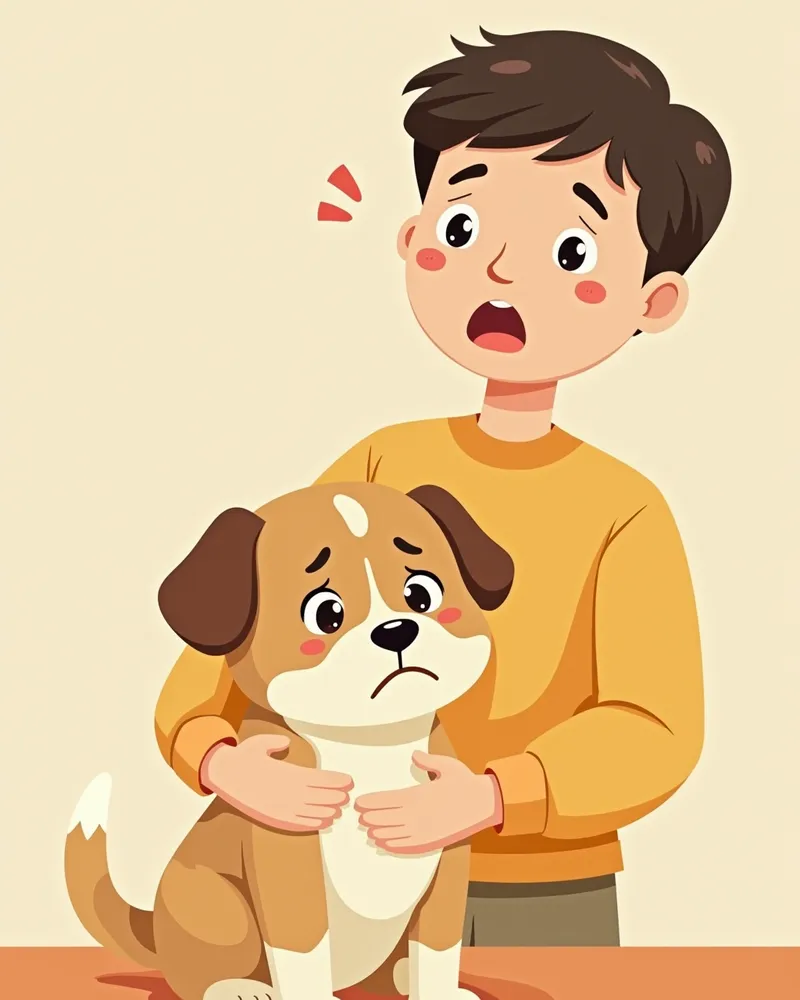
Symptoms typically begin to appear within 15 minutes to an hour after ingestion, but depending on the type and formulation of the medication, they may not manifest for up to seven hours. Therefore, even if your pet seems fine immediately after ingestion, you should remain vigilant for several hours. Restlessness and agitation: Pacing without apparent reason or an inability to settle down. Vomiting and nausea: These are often the first signs to appear shortly after ingestion. Dilated pupils: Sluggish response to light or abnormally enlarged pupils. Muscle tremors and seizures: These are key indicators of serotonin syndrome. Elevated body temperature: The body feels hot, accompanied by heavy panting. Abnormal gait: Stumbling or an inability to stand properly. Rapid heart rate: The heart beats quickly or irregularly.
Dogs showing symptoms of muscle tremors

If These Symptoms Appear, Go to an Emergency Veterinary Clinic Immediately

If any of the following apply, do not wait at home; take your pet to an emergency veterinary clinic immediately. • If your pet has had one or more generalized seizures • If your pet is disoriented or unable to stand • If your pet has an abnormally high body temperature accompanied by severe panting • If ingestion of a tricyclic antidepressant (such as amitriptyline) is suspected • If a large amount was ingested and only a short time has passed since ingestion (even if no symptoms are present)

How Much Is Dangerous? — Risk Intake Levels by Body Weight

The exact toxic dose varies significantly depending on the specific medication and your dog’s body weight. However, a crucial point to understand is that in veterinary medicine, the toxic dose for SSRIs and SNRIs (antidepressants) varies widely between different drugs, so there is no clearly established standard. In other words, there is effectively no baseline that allows us to say, “This amount is safe.” SSRIs (e.g., fluoxetine, sertraline): These are the most commonly used at home and are involved in many ingestion incidents, but there is no defined safe limit. SNRIs (e.g., venlafaxine, duloxetine): Similarly, the wide variation in toxic doses means you cannot feel safe even if a small amount was ingested. Tricyclic antidepressants: These are particularly dangerous because they can cause cardiac toxicity (arrhythmia), so caution is required even with small amounts. Rather than trying to calculate the dose, the right approach is to contact your veterinarian immediately if you suspect your dog has ingested any of these medications.

Treatment at the Veterinary Clinic — Detoxification and Symptom Relief
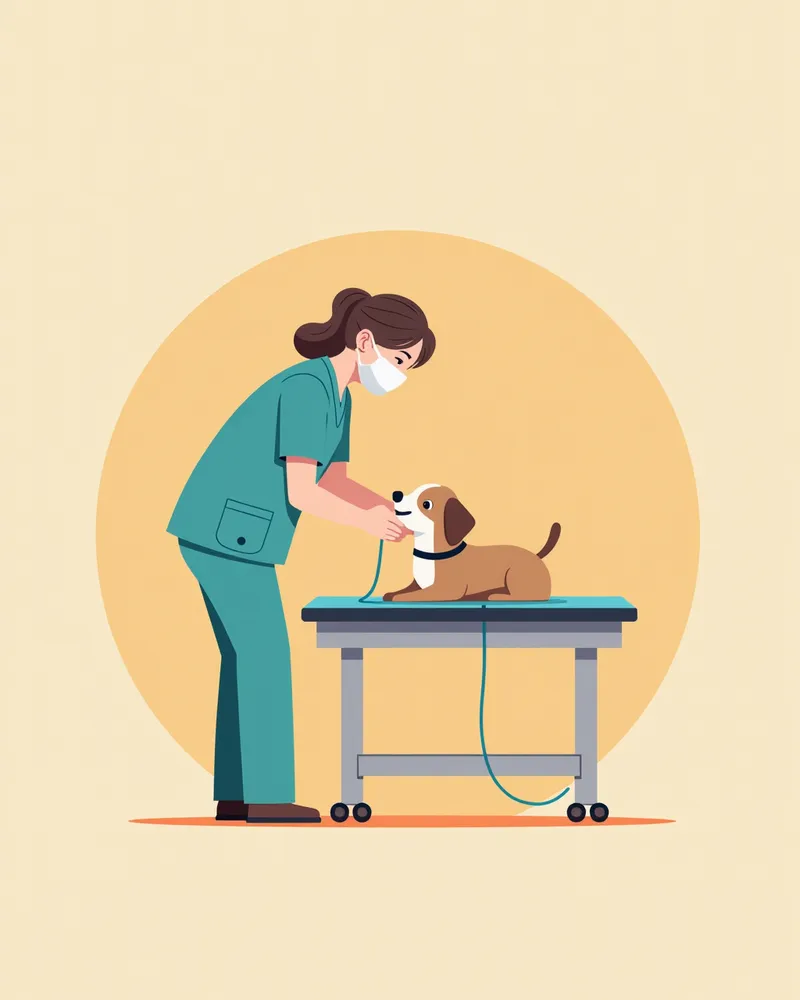
Treatment depends on how much time has passed since ingestion and the severity of symptoms.
Inducing vomiting: This is only performed under veterinary guidance within 1–2 hours of ingestion if no symptoms are present. Attempting this at home carries the risk of aspiration into the airways.
Activated charcoal administration: Used to reduce the absorption of any remaining drug components in the stomach.
Intravenous fluid therapy: Essential for maintaining kidney function and facilitating the elimination of the drug.
Anticonvulsants: Prescribed by a veterinarian if muscle tremors or seizures occur.
Temperature regulation: Cooling measures are applied if the pet is hyperthermic.
Electrocardiogram (ECG) monitoring: Continuous monitoring for arrhythmias is conducted if a tricyclic antidepressant was ingested.
A puppy receiving intravenous fluid therapy at a veterinary clinic

Post-Discharge Home Care — The First 48 Hours Are Critical
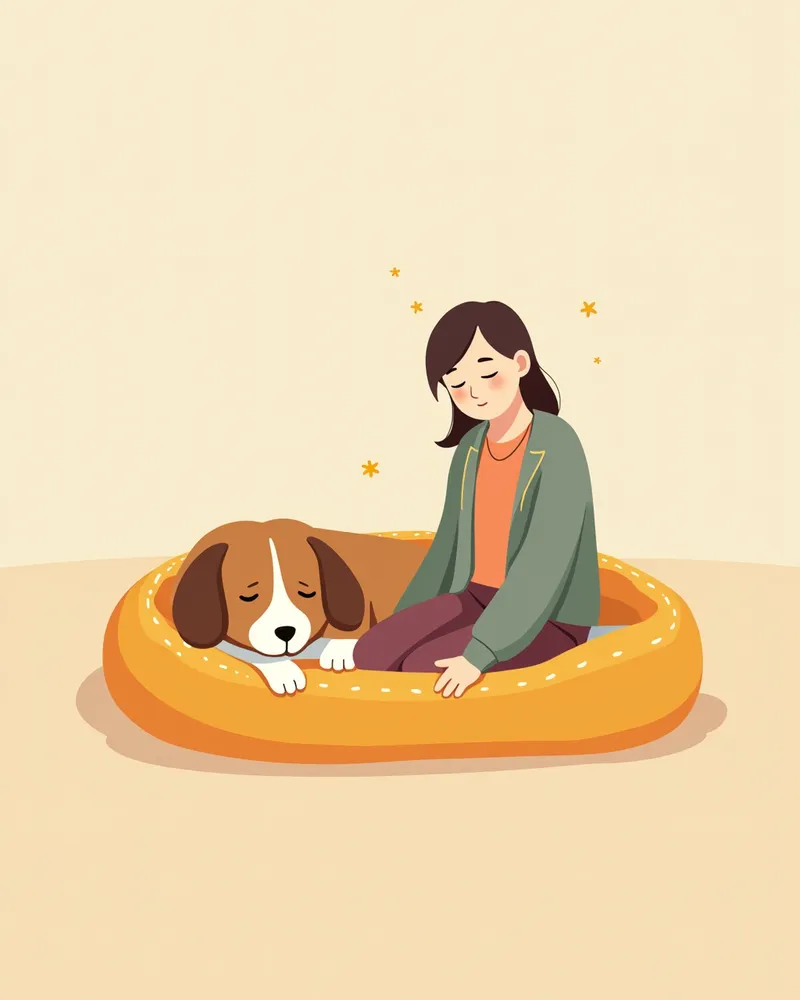
Even after discharge, symptoms may reappear while the medication is still being cleared from your pet’s body, so careful monitoring for a few days is essential.
Ensure a calm resting environment: Provide a quiet, cool space for rest. Avoid activities that involve running or excitement.
Offer easily digestible food: For the first 12–24 hours, feed small amounts of easily digestible food, such as chicken and rice.
Monitor hydration: Check that your pet is drinking water adequately; if they refuse to drink, contact your clinic.
Return immediately if symptoms recur: If seizures, vomiting, or unsteadiness reappear, return to the clinic right away.
Change storage methods immediately: Relocate medications to prevent a repeat incident.
A puppy recovering at home by its owner's side

You Can Prevent Accidents by Changing Storage Habits

Most antidepressant ingestions start with careless storage. You can prevent nearly all of them with small changes in daily habits. • Store medications in a locked drawer or medicine cabinet. • Don’t leave bags or purses on the floor; keep them out of your dog’s reach. • Immediately pick up any pills that fall on the floor after medication administration. • If visitors are carrying medications, prevent your dog from accessing them. • If someone in your household takes antidepressants, make sure everyone in the family understands the risks.

Reviewed by a veterinarian

Dr. Tony — Punnawat Phongkittirak

Dr. Tony — Punnawat Phongkittirak

Veterinarian

A veterinarian who majored in veterinary medicine at Khon Kaen University, Thailand, and completed the IVSA program at North Carolina State University in the United States. Drawing on clinical experience at animal hospitals, he works in the pet healthcare field and is dedicated to building a digital care environment that connects pet parents with veterinarians.

Frequently Asked Questions

I think my dog may have ingested an antidepressant. Is it safe to induce vomiting at home?
Do not induce vomiting at home on your own. If your dog is already showing symptoms or appears disoriented, there is a risk that vomit could be aspirated into the airway. Contact your veterinarian immediately and follow their instructions.
My pet ate it, but there are no symptoms. Is it okay to just monitor the situation?
No. Depending on the specific antidepressant, symptoms can appear anywhere from 15 minutes to nearly 7 hours after ingestion. Even if your dog shows no symptoms, if you know they ingested the medication, contact your veterinarian immediately. Provide the drug name, dosage, and your dog’s weight, and follow their instructions.
Is it dangerous even if only about half a pill was ingested?
Depending on the medication and your dog’s weight, even half a pill can be dangerous. In fact, there are no clearly established veterinary safety limits for SSRIs and SNRIs, so it’s hard to feel reassured even with small amounts. Write down the drug name, dosage, and your dog’s weight, then contact your vet immediately.
What is serotonin syndrome, and how dangerous is it?
Serotonin syndrome is a condition in which excessive serotonin accumulates in the body, causing overactivation of the nervous system. It can present with simultaneous muscle spasms, hyperthermia, abnormal heart rate, and seizures, and it is a rapidly worsening emergency. Particular caution is needed when administering SSRIs or SNRIs, which are classes of antidepressants.
What should I do if the animal hospital is closed at night?
It’s a good idea to search for 24-hour emergency animal hospitals in advance. If immediate transportation is difficult, call the nearest emergency animal hospital for instructions. Antidepressant poisoning can progress rapidly, so delays can be dangerous.

Share

Related Guides

References

[1] Hovda L.R. et al., Blackwell's Five-Minute Veterinary Consult Clinical Companion: Small Animal Toxicology, 3rd Edition, Wiley-Blackwell, 2022

[2] Schaer M. et al., Clinical Medicine of the Dog and Cat, 4th Edition, CRC Press, 2022

[3] Plumb D.C., Plumb's Veterinary Drug Handbook, 10th Edition, Wiley-Blackwell, 2023

This information is based on veterinary literature and does not replace diagnosis or treatment. Please consult a veterinarian for specific health concerns.

Metapet Co., Ltd. | CEO: Park Sung-yong | Business Reg. No. 417-88-02562 | Seoul, South Korea | Customer Center

Dog Ate an Antidepressant? Emergency Steps Before Seizures | Meongsiljang