Like
Share
멍실장
고양이 항우울제중독 증상과 응급 대처법, 위험 섭취량과 예방까지 총정리

My Cat Ingested an Antidepressant — Poisoning Symptoms, Dangerous Ingestion Amounts, and the Emergency Response Golden Window

Emergency/ToxicityDiseasesMeongsiljang Veterinary Advisory Board

If a cat accidentally ingests an antidepressant, symptoms such as tremors, seizures, and cardiac abnormalities may appear within 2 to 6 hours. Even if no symptoms are present, you should seek immediate veterinary care. We have compiled information on the toxicity of different types, emergency treatments, and prevention methods based on veterinary textbooks.

What Is Antidepressant Poisoning in Cats?
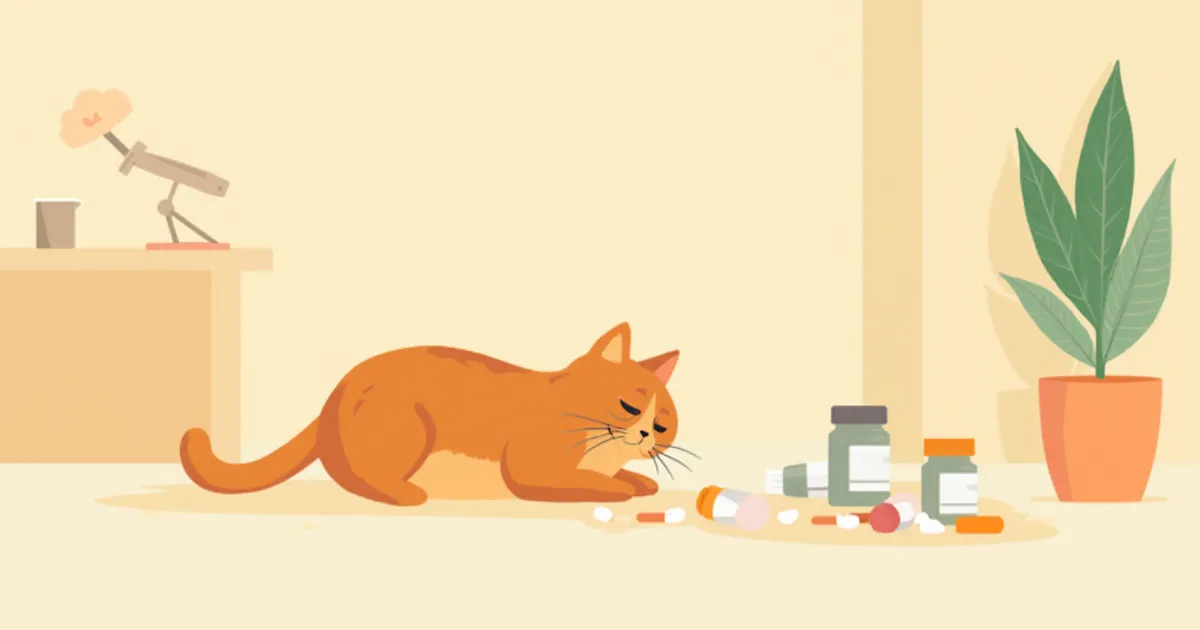
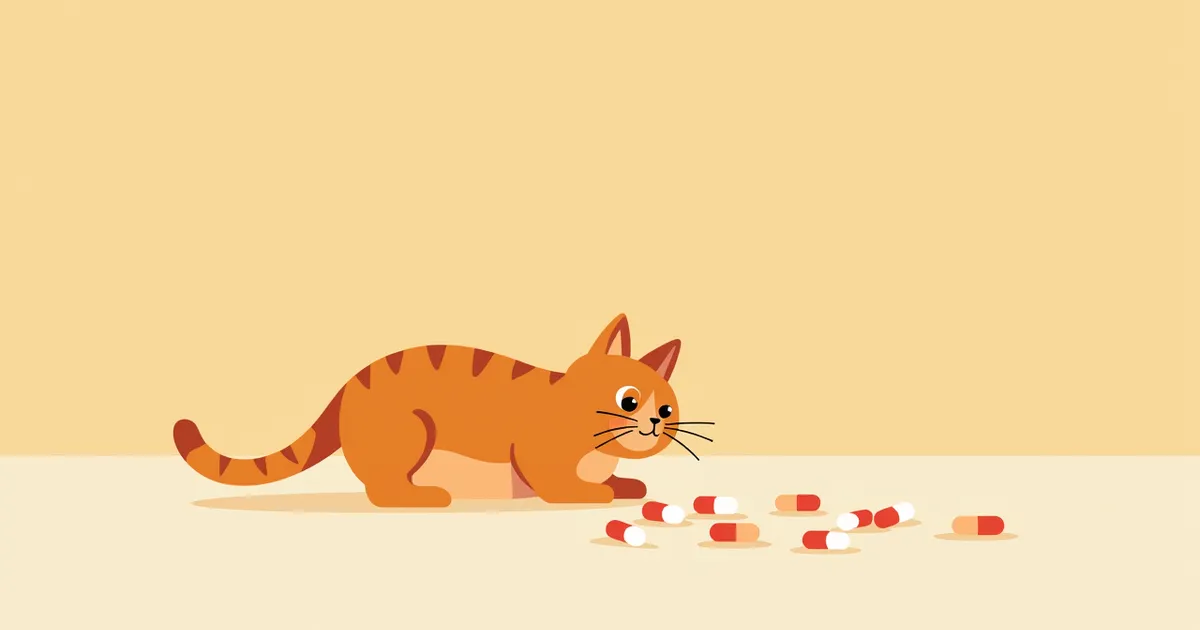
Dangerous situations when cats are near medication
Antidepressant poisoning in cats occurs when a cat accidentally ingests antidepressants taken by their owner or family members. Cats have a much weaker ability to metabolize medications than humans, so even doses that are safe for people can be fatal to cats. Although a cat may appear normal immediately after ingestion, severe symptoms such as tremors or seizures can develop within 2 to 6 hours. If you suspect your cat has ingested antidepressants, take them to a veterinary clinic immediately, even if no symptoms are present.

Which Antidepressants Are Dangerous, and Why Are Cats Particularly Vulnerable?

Antidepressants are classified into several types, including selective serotonin reuptake inhibitors (SSRIs), tricyclic antidepressants (TCAs), and serotonin-norepinephrine reuptake inhibitors (SNRIs). Common examples include fluoxetine, sertraline, and paroxetine (SSRIs); venlafaxine and duloxetine (SNRIs); and amitriptyline and clomipramine (TCAs). Cats have an inherent deficiency in glucuronidation, the liver’s process for detoxifying drugs, which means even small amounts of medication can accumulate and cause toxicity because they aren’t broken down effectively. Venlafaxine, an SNRI, is particularly dangerous for cats and has been reported to cause severe poisoning symptoms such as vomiting, dilated pupils, seizures, tachycardia, and tremors, so it requires special caution.

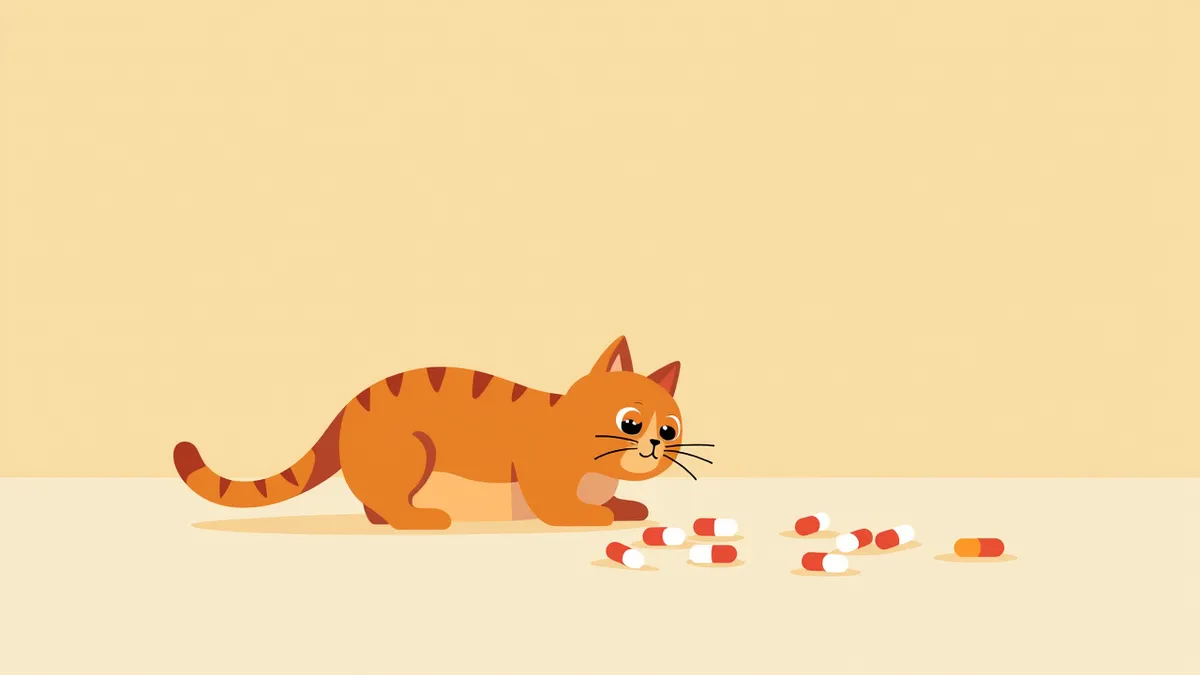
Checklist of Major Symptoms of Antidepressant Poisoning in Cats
Vomiting and drooling: These are often the first signs, appearing within 30 minutes to 2 hours after ingestion.
Tremors and muscle spasms: Excess serotonin causes muscles to twitch involuntarily and become stiff.
Seizures: In severe cases, your pet may experience repeated full-body convulsions and lose consciousness.
Dilated pupils: The pupils in both eyes may abnormally enlarge.
Abnormal heart rate: The heart may beat too fast or irregularly.
Lethargy and unsteadiness: Your pet may lose strength in their hind legs or collapse while walking.
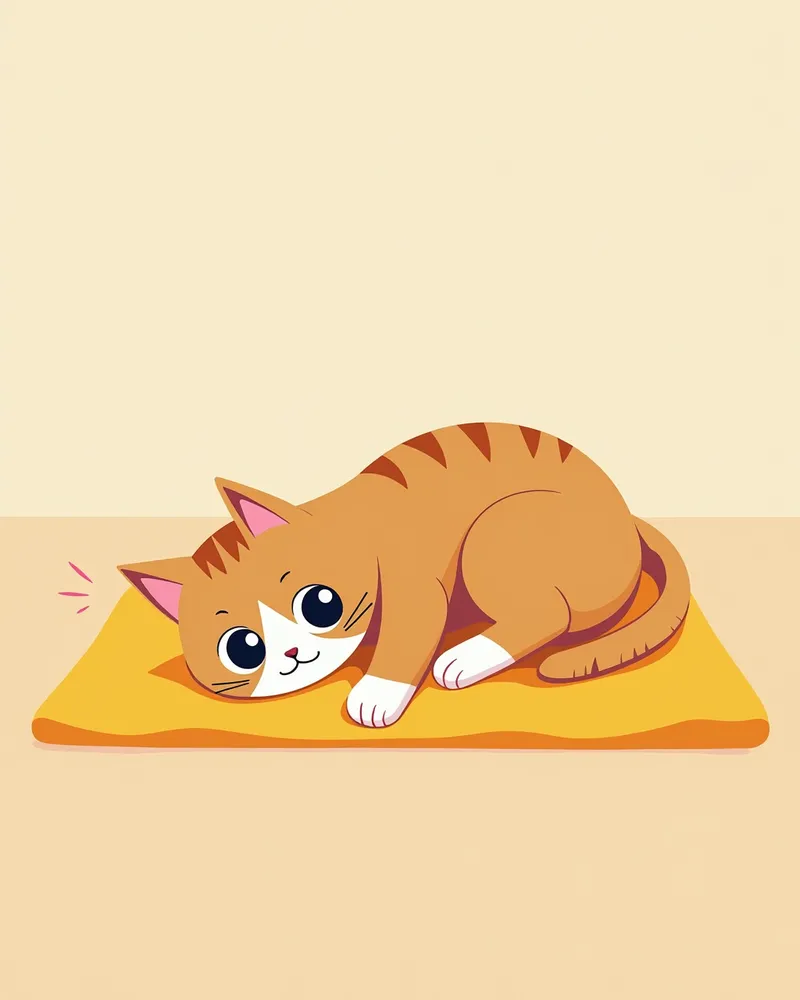
A cat showing symptoms of antidepressant poisoning

Danger Signs Requiring Immediate Visit to an Emergency Animal Hospital

If your pet has had even a single seizure, lost consciousness, or is breathing irregularly, take them to a 24-hour emergency animal hospital immediately. Waiting with the hope that they’ll “feel better soon” could cause you to miss the critical window for recovery. If you’re certain they’ve ingested medication, visit the clinic within two hours, even if no symptoms are present.

How Is Diagnosis Performed at the Animal Hospital?

Knowing which medication was ingested, how much, and when can significantly speed up the diagnostic process. Please bring a photo of the medication packaging or container with the drug name clearly visible, or bring the actual packaging with you. At the clinic, we will perform blood tests to assess liver and kidney function and electrolyte levels (such as sodium and potassium), measure blood pressure, and use an electrocardiogram to evaluate any abnormalities in heart rhythm. However, there is no specific test that definitively confirms serotonin syndrome, and even if blood concentration tests for individual drugs are available, they do not substantially guide treatment decisions. Therefore, diagnosis is made by combining the history of ingestion with clinical symptoms.

How Is Antidepressant Poisoning Treated?
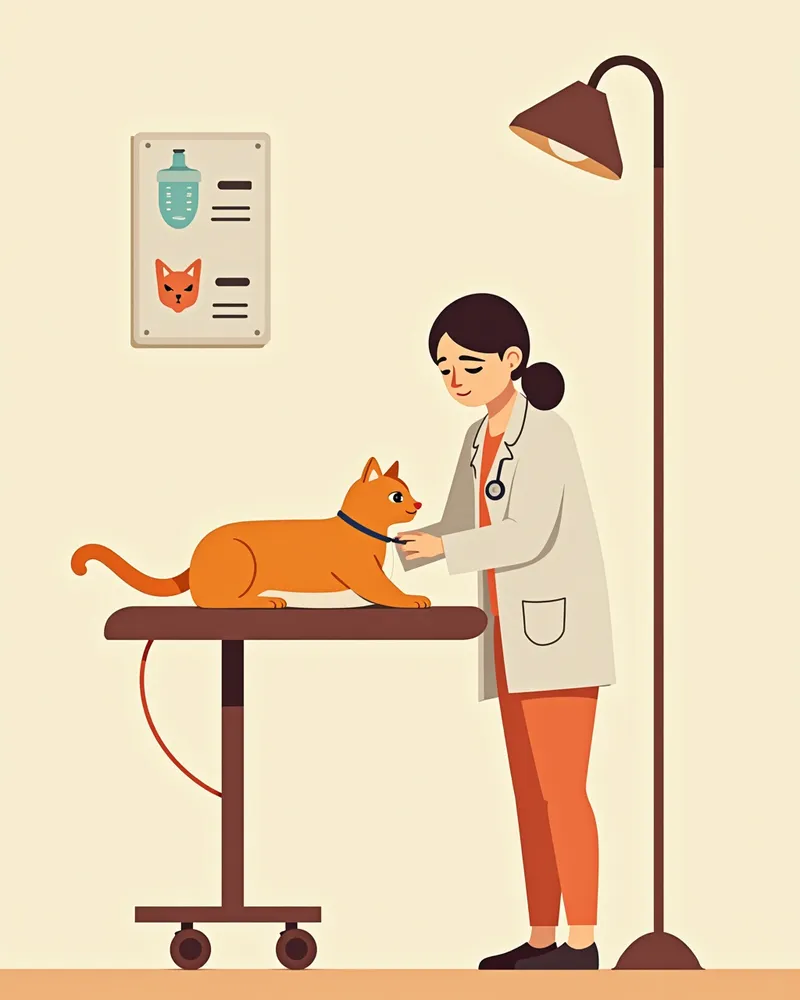
If ingestion occurred within the past one to two hours and no symptoms are present, a veterinarian may induce vomiting. However, because symptoms can develop rapidly, this procedure must be approached with extreme caution; if tremors or seizures have already begun, inducing vomiting is actually dangerous. In cases of large ingestions, a single dose of activated charcoal may be administered to reduce the absorption of any remaining toxins. Treatment primarily focuses on supportive and symptomatic care, including intravenous fluids to maintain blood pressure and kidney function, as well as specific medications to manage neurological symptoms like tremors and seizures and cardiovascular status. The length of hospitalization will vary depending on the amount ingested and the severity of the symptoms.
A cat receiving fluid therapy

Emergency Response Measures You Can Take Immediately at Home
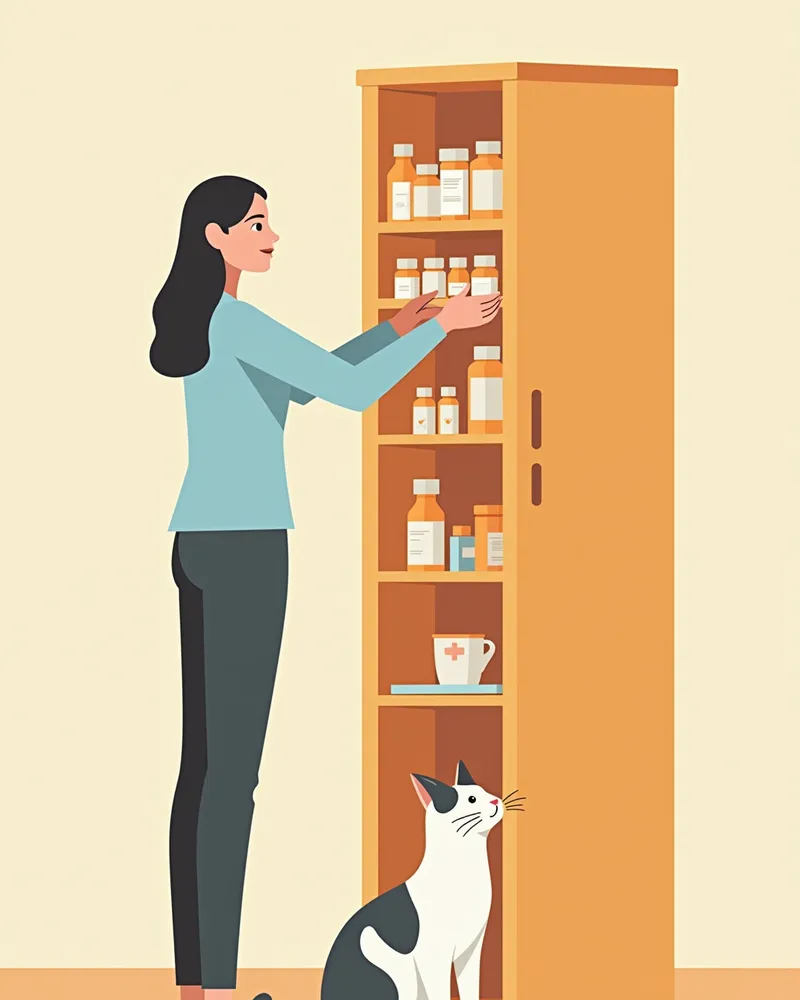
If you witnessed your cat ingest medication, do not attempt to induce vomiting at home. Human-grade emetics such as salt or hydrogen peroxide can be toxic to cats. Before heading to the clinic, note the time of ingestion and the medication name, and bring the remaining pills in a zip-lock bag. Keep your cat in a quiet, warm place to minimize stress.
Storing medication safely in a locked cabinet

Medication Storage Is the Most Important Prevention

Store all prescription and over-the-counter medications in locked drawers or on high shelves where cats cannot reach them. Capsule-form medications are especially risky, as cats often roll them around like toys and accidentally ingest them. Medications left in guests’ bags or coat pockets can also pose a danger, so please remind visitors to keep their bags out of your cat’s reach when they come over.

Reviewed by a veterinarian

Dr. Tony — Punnawat Phongkittirak

Dr. Tony — Punnawat Phongkittirak

Veterinarian

A veterinarian who majored in veterinary medicine at Khon Kaen University, Thailand, and completed the IVSA program at North Carolina State University in the United States. Drawing on clinical experience at animal hospitals, he works in the pet healthcare field and is dedicated to building a digital care environment that connects pet parents with veterinarians.

Frequently Asked Questions

Should I take my cat to the vet even if it only ingested a very small amount of an antidepressant?
Yes, even if it's a small amount, you should visit the vet immediately. Cats have a much weaker ability to metabolize medications compared to humans, so even doses that are harmless to people can cause serious toxicity in cats. If you go to the vet within 2 hours of ingestion, before symptoms appear, they can induce vomiting to prevent absorption.
Which antidepressants are the most dangerous for cats?
Selective serotonin reuptake inhibitors (SSRIs) and serotonin-norepinephrine reuptake inhibitors (SNRIs) are particularly dangerous. Among these, the SNRI venlafaxine has been reported to cause severe toxicity symptoms in cats, including vomiting, dilated pupils, seizures, tachycardia, and tremors, so extra caution is required. Tricyclic antidepressants (TCAs) can cause cardiotoxicity, such as arrhythmias, if ingested in excessive amounts.
My cat threw up on its own. Do I really need to take it to the vet?
Even if your pet has vomited on its own, it is essential to visit the vet. Some of the toxic substance may have already been absorbed, and there is no way to confirm that everything was expelled through vomiting. Even if symptoms seem absent, seizures can suddenly occur 2 to 6 hours later.
Is it safe to induce vomiting at home using salt or hydrogen peroxide?
Absolutely not. Feeding salt to a cat can cause dangerous sodium poisoning, and hydrogen peroxide is also highly toxic to cats. Using human or dog-induced vomiting methods on cats can cause even more harm. Inducing vomiting should only be performed by a veterinarian at an animal hospital.
How should I care for my pet at home after treatment?
For the first 1–2 days after discharge, keep your pet in a quiet, warm space to rest. Offer small amounts of easily digestible food for the first few meals, and return to the clinic immediately if vomiting or trembling recurs. If medications were prescribed, administer them exactly as directed for the full duration of treatment.

Share

Related Guides

References

[1] Means C, Campbell A, Wismer T. Blackwell's Five-Minute Veterinary Consult Clinical Companion: Small Animal Toxicology, 3rd Ed. Wiley-Blackwell, 2023.

[2] Schaer M, Gaschen F. Clinical Medicine of the Dog and Cat, 4th Ed. CRC Press, 2022.

[3] Plumb DC. Plumb's Veterinary Drug Handbook, 10th Ed. Wiley-Blackwell, 2023.

[4] Drobatz KJ, Costello MF. Feline Emergency and Critical Care Medicine, 2nd Ed. Wiley-Blackwell, 2020.

This information is based on veterinary literature and does not replace diagnosis or treatment. Please consult a veterinarian for specific health concerns.

Metapet Co., Ltd. | CEO: Park Sung-yong | Business Reg. No. 417-88-02562 | Seoul, South Korea | Customer Center

Cat Ate an Antidepressant: Poisoning Symptoms & Emergency Care | Meongsiljang