Like
Share
멍실장
고양이 대마중독 증상과 응급 대처법, 위험 섭취량과 예방까지 총정리

If Your Cat Is Staggering — Cannabis Intoxication Symptoms and Emergency Response Timing

Emergency/ToxicityDiseasesMeongsiljang Veterinary Advisory Board

We’ve compiled a guide on the symptoms, emergency response steps, dangerous exposure levels, and prevention methods for cats exposed to marijuana (cannabis), based on veterinary advice.

What Is Cannabis Intoxication in Cats?

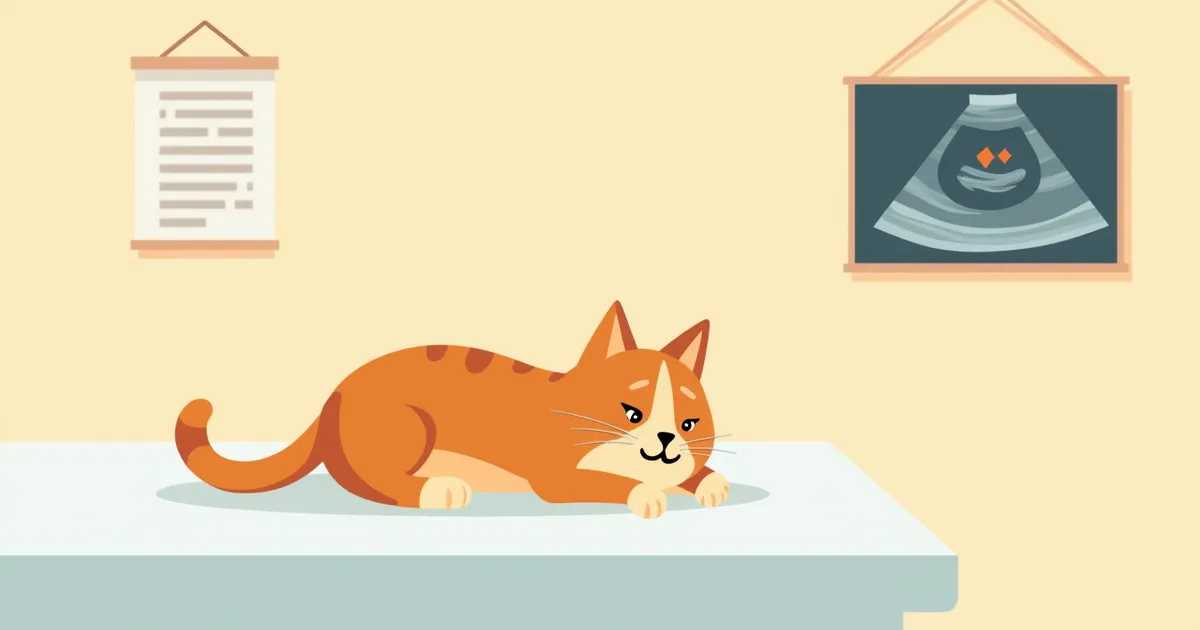
Symptoms of cannabis toxicity in cats — a cat undergoing examination at a veterinary clinic
Cannabis intoxication in cats is a toxic condition caused by tetrahydrocannabinol (THC), the active compound in marijuana, which enters the body and disrupts normal nervous system function. THC can cause central nervous system depression, ataxia (staggering or loss of coordination), and dilated pupils in cats, with symptoms potentially appearing even after relatively low-level exposure. Because the lethal dose (LD50) of THC in cats has not been clearly established, it is safest to assume that no amount can be definitively considered safe. If signs such as staggering, dilated pupils, or urinary incontinence begin within 30 minutes to 2 hours of exposure, contact your veterinarian immediately.

Exposure Routes and Particularly Dangerous Situations

There are three main ways cats can be exposed to cannabis. First, they may directly chew or ingest cannabis plants or dried leaves. Second, they might indirectly inhale marijuana smoke in an enclosed space. Third, they could consume foods containing cannabis ingredients, such as cookies, cakes, or butter. These cannabis-infused treats are especially dangerous if they also contain chocolate or xylitol, as the combined toxic effects significantly increase the risk. With the recent rise in high-concentration, concentrated products, even small amounts can lead to severe symptoms.

Symptom Checklist — Suspect Intoxication If You See These Signs

Symptoms typically appear within 30 minutes to 2 hours after exposure and, in severe cases, can persist for more than 72 hours.
Staggering and ataxia: The hind legs become weak, and the gait becomes noticeably unsteady.
Dilated pupils: The pupils remain abnormally large, even in bright light.
Excessive drooling: Salivation increases significantly beyond normal levels.
Lethargy and extreme drowsiness: The pet struggles to keep its eyes open and responds slowly when called.
Urinary incontinence: Involuntary urination occurs.
Vomiting: This often happens shortly after ingestion.
Hypothermia: The ears and paw pads feel cold to the touch.
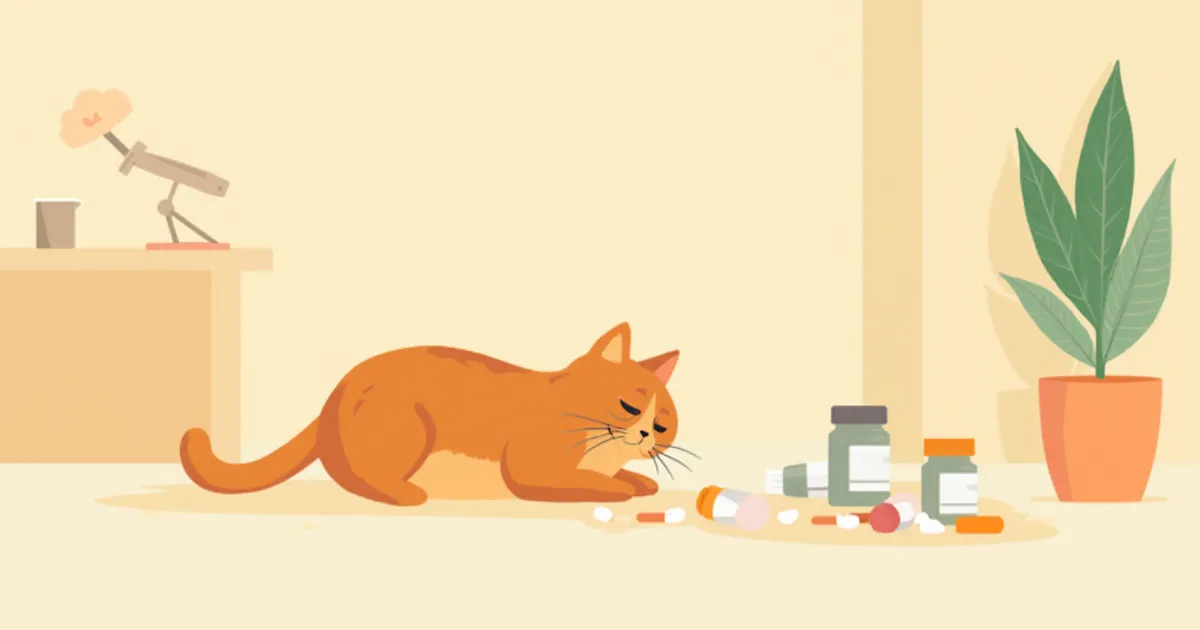
Lethargy in cats suffering from cannabis intoxication

Go to an Emergency Hospital Immediately If You See These Symptoms

If any of the following apply, take your pet to a 24-hour emergency animal hospital immediately. Attempting to treat them at home on your own could be more dangerous. - Seizures or convulsions that do not stop - Irregular or very slow breathing - No response when called, or appearing unconscious - Vomiting that does not stop for more than one hour - Extremely low body temperature, with the body feeling cold to the touch

Diagnostic Methods Used at the Veterinary Hospital

Veterinarians diagnose based on clinical symptoms and exposure history. Since there are few specific diagnostic indicators for cannabis toxicity in blood or urine, the most crucial part of the diagnosis is the information provided by the pet owner. Being honest about potential exposure, such as "There were cannabis products at home" or "There was smoke," allows us to quickly determine the treatment plan. Note that human urine THC tests are often unreliable for animals due to metabolic differences, resulting in frequent false negatives, so they are not very helpful for diagnosis. At the clinic, we check organ function, including kidney values, through blood tests, monitor urine output, and track body temperature, pulse, and oxygen saturation. Hiding information due to concerns about legal issues can actually put your cat at greater risk.

Treatment Methods — Procedures Performed at the Hospital
There is no specific antidote for cannabis poisoning, so treatment focuses on removing the toxin and alleviating symptoms. If the pet is treated immediately after exposure before symptoms appear, inducing vomiting can help quickly expel the toxin. However, if symptoms are already present, inducing vomiting can be dangerous, so a veterinarian will assess the situation to determine the best course of action. Activated charcoal may be administered to reduce toxin absorption in the gastrointestinal tract, and intravenous fluids are used to maintain body temperature and prevent dehydration. With appropriate treatment, most pets recover within 24 to 72 hours.
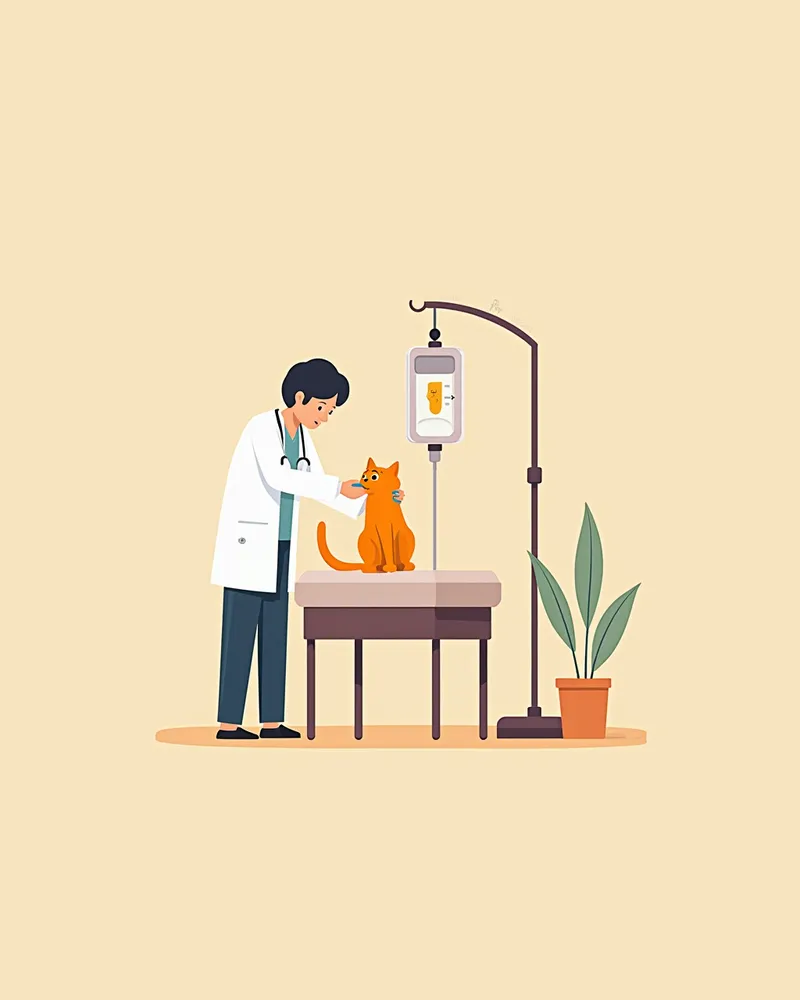
Treatment for feline cannabis intoxication — intravenous fluid therapy at a veterinary clinic

Emergency Response Steps You Can Take at Home

If you suspect your cat is experiencing symptoms, the first step is to call your veterinarian for guidance. Never induce vomiting at home or force your cat to eat or drink. Instead, place your cat in a quiet, warm area to minimize further stimulation, and keep a close eye on them without leaving them alone. Before visiting the clinic, write down details such as the duration and method of exposure (e.g., inhalation or ingestion) and the type of substance involved, as this information will be very helpful for the veterinarian.
Emergency care for cats — Keep them calm in a warm, quiet environment

Prevention Is the Most Effective Method

Cannabis poisoning is a completely preventable accident. Please strictly follow these guidelines: - Store all cannabis-related products (plants, dried leaves, oils, and edibles) in locked storage areas that are out of your cat’s reach. - If you use marijuana indoors, always keep your cat in a separate room and ensure thorough ventilation afterward. - Never leave cannabis-infused treats or food anywhere near your cat. - Be cautious when guests visit; do not leave cannabis products unattended in bags or pockets.

Reviewed by a veterinarian

Dr. Tony — Punnawat Phongkittirak

Dr. Tony — Punnawat Phongkittirak

Veterinarian

A veterinarian who majored in veterinary medicine at Khon Kaen University, Thailand, and completed the IVSA program at North Carolina State University in the United States. Drawing on clinical experience at animal hospitals, he works in the pet healthcare field and is dedicated to building a digital care environment that connects pet parents with veterinarians.

Frequently Asked Questions

Can cats become intoxicated just from inhaling marijuana smoke?
Please exercise caution. Most cases of cannabis exposure in cats reported in veterinary textbooks involve ingestion of the plant or foods containing cannabis compounds. Although the possibility of smoke exposure in enclosed spaces cannot be entirely ruled out, contact your veterinarian immediately if you notice signs such as ataxia or dilated pupils.
Can marijuana poisoning in cats be life-threatening?
With proper treatment, most pets recover within 24 to 72 hours. However, high-concentration exposure or ingestion of products containing chocolate or xylitol can be significantly more dangerous. If seizures or loss of consciousness occur, immediate emergency care is required.
Should I tell the vet about the exposure?
You must share this information. Without accurate details, a veterinarian might misdiagnose the condition and provide inappropriate treatment. In Korea, animal medical information is not used as legal evidence, so being honest is the most important thing you can do for your cat.
Is CBD oil also dangerous for cats?
CBD (cannabidiol) oil contains low levels of THC, but product formulations vary widely and its safety for cats has not been sufficiently established. It is best not to administer it without a veterinarian’s prescription.
Will there be any aftereffects following treatment?
With proper treatment, most cases of cannabis toxicity rarely result in long-term complications. However, because high-level exposure or combined toxicities can affect kidney and liver function, it’s safest to have follow-up tests after recovery.

Share

Related Guides

References

[1] Hovda, L.R. et al., Blackwell's Five-Minute Veterinary Consult Clinical Companion: Small Animal Toxicology, 3rd Edition, Wiley-Blackwell, 2016

[2] Schaer, M. (ed.), Clinical Medicine of the Dog and Cat, 4th Edition, CRC Press, 2021

[3] Plumb, D.C., Plumb's Veterinary Drug Handbook, 10th Edition, Wiley-Blackwell, 2023

[4] Drobatz, K.J. et al. (eds.), Feline Emergency and Critical Care Medicine, 2nd Edition, Wiley-Blackwell, 2010

This information is based on veterinary literature and does not replace diagnosis or treatment. Please consult a veterinarian for specific health concerns.

Metapet Co., Ltd. | CEO: Park Sung-yong | Business Reg. No. 417-88-02562 | Seoul, South Korea | Customer Center

Cat Staggering? Cannabis Intoxication Signs & Response Timing | Meongsiljang