Like
Share
멍실장
강아지 지간염 증상과 원인, 진단·치료와 관리 포인트 총정리

If Your Dog Keeps Licking Its Paws — Causes, Treatment, and Recurrence Management for Interdigital Dermatitis

Skin & CoatDiseasesMeongsiljang Veterinary Advisory Board

Interdigital cysts in dogs are a skin condition characterized by inflammation and abscesses between the toes. Since treatment varies depending on the underlying cause, prompt diagnosis and identification of the root cause are key to recovery.

What Is Interdigital Dermatitis in Dogs?
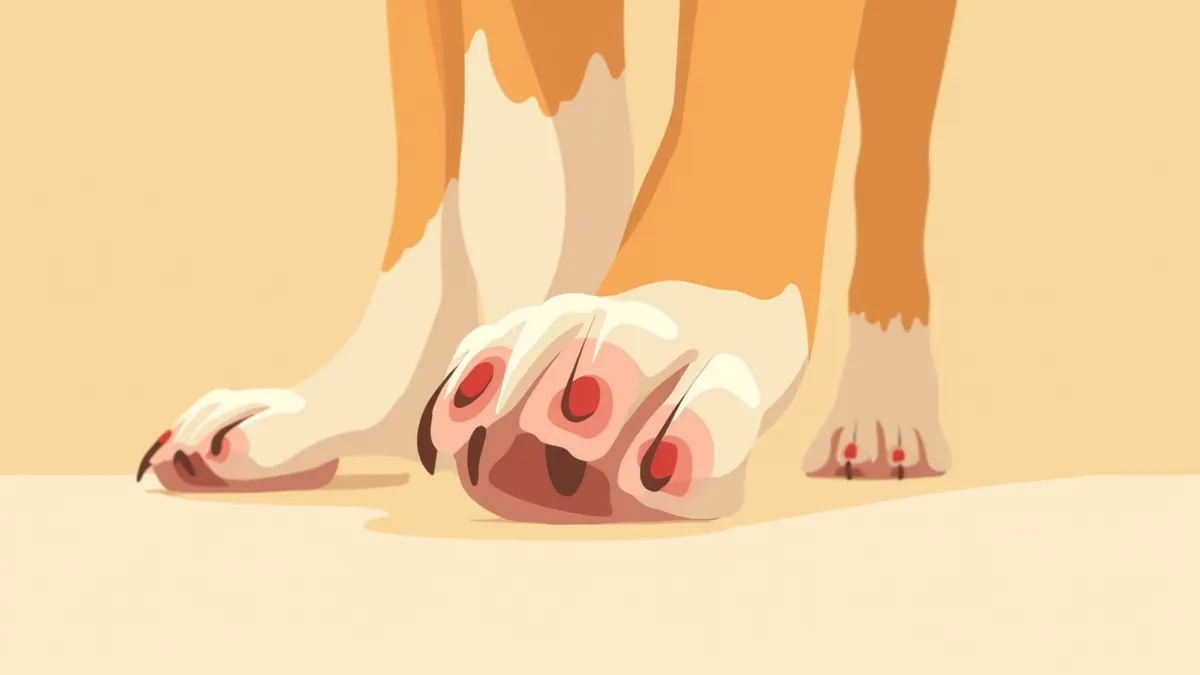
A dog's paw with inflammation between the toes
Interdigital cysts in dogs are a skin condition characterized by inflammation of the skin between the toes. If left untreated, they can progress to abscesses, leading to severe pain and limping. The most critical step is identifying the underlying cause—since treatments vary depending on whether the cause is allergies, bacterial infection, demodex mites, or other factors. If you notice your dog repeatedly licking its paws or beginning to limp, seeking veterinary care early is key to a swift recovery.

Causes of Interdigital Dermatitis

Interdigital cysts (interdigital furunculosis) are not caused by a single factor, but rather by a combination of multiple contributing elements.
Allergies: Food allergies or environmental atopic dermatitis can cause itchy paws, leading to repetitive licking. This behavior damages the skin and allows secondary bacterial infections to take hold, ultimately resulting in interdigital cysts. Itchiness from atopy is one of the most common causes of paw-related conditions.
Bacterial Infection (Secondary): Interdigital cysts often begin as sterile lesions. The sores typically start on the underside of the paw, rupture, and then become secondarily infected by bacteria such as Staphylococcus when further trauma occurs, such as from licking. In other words, bacteria are usually not the initial cause but rather a subsequent infection that follows skin damage.
Demodex Mites: In puppies with weakened immune systems, an overgrowth of Demodex mites can lead to folliculitis and furunculosis in the interdigital areas, often accompanied by secondary bacterial infections.
Foreign Bodies, Trauma, and Structural Issues: Physical or chemical injuries such as thorns, debris, or repeated friction, as well as abnormal weight distribution on the paws or obesity, can damage the skin and create an entry point for infection.

Symptoms to Watch For — Symptom Checklist
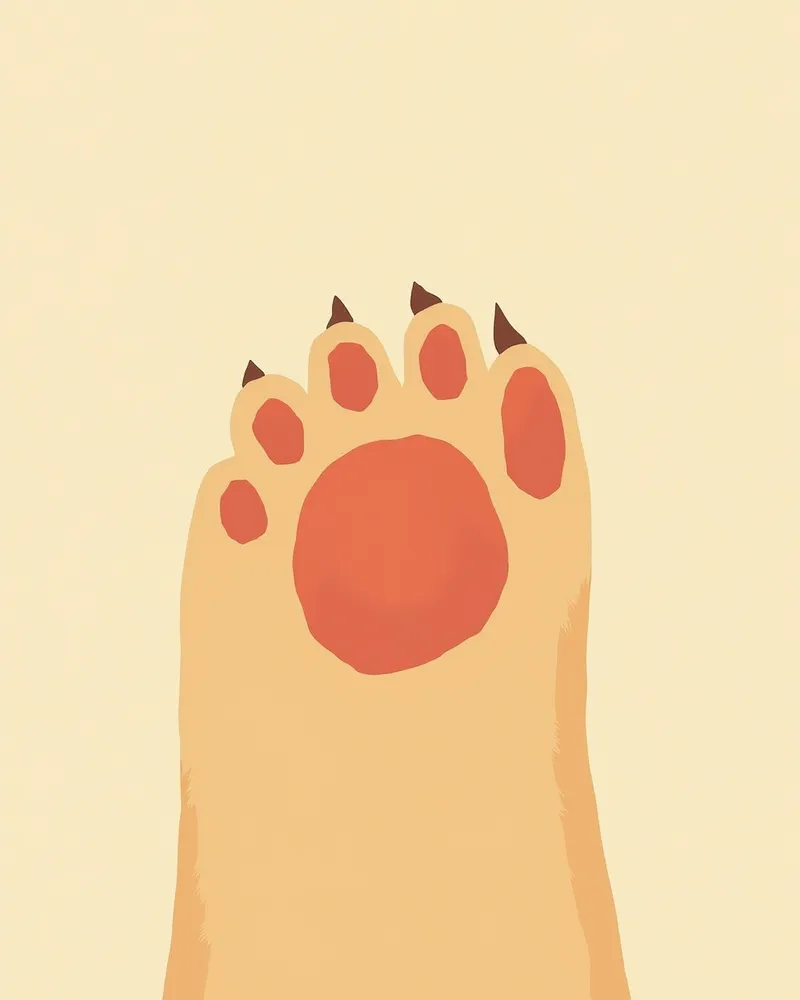
Licking and chewing at the paws: Your pet may constantly lick or chew their paws in an attempt to relieve discomfort. Owners often report persistent licking alongside reluctance to walk.
Swelling and redness between the toes: The skin between the toes becomes red, swollen, and warm to the touch, sometimes accompanied by hair loss or flaking.
Abscesses (raised nodules): In severe cases, red nodules may develop between the toes. If they rupture, they can form draining tracts that release pus-filled discharge.
Limping: Due to pain, your pet may avoid putting weight on the affected paw.
Unpleasant odor: Secondary bacterial or yeast infections can cause a strong, foul smell from the paws.
If any of these symptoms persist for more than 2–3 days, we recommend visiting your veterinarian.
The spaces between a puppy's toes are red and swollen due to interdigital dermatitis.

Visit the Vet Immediately If These Symptoms Appear

If pus is draining from an abscess, the paw is severely swollen and the pet is unable to walk, or if there is a sudden loss of appetite accompanied by fever, these are signs that the bacterial infection has spread deep into the subcutaneous tissues. In such cases, you should visit an animal hospital on the same day.

Diagnostic Tests Performed at the Veterinary Clinic

Identifying the cause of interdigital dermatitis is the first step in treatment. Veterinarians typically proceed with the following tests in stages.
Cytology (Smear Test): Exudate is collected from abscesses, toe wrinkles, or lesions to examine bacteria, yeast, and inflammatory cells under a microscope. This is one of the most important tests for interdigital diseases.
Skin Scraping and Biopsy: These tests check for Demodex mite infection. However, in cases of chronic interdigital demodicosis, mites may be trapped deep in the skin due to scarring and thus not detected by standard skin scrapings. In such cases, a tissue biopsy may be necessary for a definitive diagnosis.
Bacterial and Fungal Culture and Sensitivity Testing: This confirms infections by bacteria, yeast, or dermatophytes and identifies which antibiotics are effective. It is recommended for frequent recurrences or when antibiotic resistance is suspected.
Allergy Testing: If the condition recurs repeatedly, testing for food allergies or atopic dermatitis is also performed.

Treatment Methods — Step-by-Step Approach by Cause

Treatment focuses first and foremost on eliminating underlying causes such as parasites and infections.
Antibiotic therapy: If a secondary bacterial infection is confirmed, antibiotics are prescribed based on culture and sensitivity results and administered for an adequate duration. Deep-seated infections may require longer treatment courses, and discontinuing medication prematurely without veterinary guidance—even if symptoms appear to improve—can lead to recurrence and antibiotic resistance.
Antifungal agents: If concurrent infections with yeast (Malassezia) or dermatophytes are identified, antifungal shampoos and oral medications are used in combination.
Demodex mite treatment: Specialized medications are used to treat Demodex mites. Chronic lesions accompanied by scarring may require extended treatment periods.
Allergy management: If the underlying cause is allergic (such as atopic dermatitis), dietary restriction or immunomodulatory therapy is implemented concurrently.
Surgery: For chronic furunculosis that does not respond to medical therapy or recurs repeatedly, surgical excision may be performed to remove the affected tissue.
A veterinarian examining a dog's paw at the animal hospital

Home Care Tips

Thoroughly dry paws after washing: After going out, wash your pet's paws with lukewarm water and make sure to dry them completely, including between the toes. Moisture left behind can easily lead to bacterial and yeast growth. Prevent licking: Use a neck collar or paw boots to stop your pet from licking, which helps prevent worsening of any injuries. Check walking environments: Paths with gravel, sand, or herbicides can irritate your pet's skin. Regular grooming of paw hair: Long hair between the toes can trap moisture. It's recommended to trim this hair every two weeks. Weight management: Excess weight puts extra pressure on the paws, increasing irritation between the toes.
A pet owner wiping their dog's paws after coming home from outside

Breeds That Require Special Attention

Bulldogs, Beagles, Cocker Spaniels, and Cavalier King Charles Spaniels are known to be prone to chronic interdigital cysts (swelling). Breeds with a predisposition to paw skin diseases and pyoderma, such as Labrador Retrievers, Golden Retrievers, and German Shepherds, also require careful attention. In particular, breeds with a strong predisposition to atopy are more likely to experience recurring paw inflammation. Even after full recovery, the key to preventing recurrence is to check your pet’s paws regularly once a month and manage allergies concurrently.

Reviewed by a veterinarian

Dr. Tony — Punnawat Phongkittirak

Dr. Tony — Punnawat Phongkittirak

Veterinarian

A veterinarian who majored in veterinary medicine at Khon Kaen University, Thailand, and completed the IVSA program at North Carolina State University in the United States. Drawing on clinical experience at animal hospitals, he works in the pet healthcare field and is dedicated to building a digital care environment that connects pet parents with veterinarians.

Frequently Asked Questions

Can interdigital dermatitis be transmitted to other dogs?
Most cases of interdigital cysts (interdigital dermatitis) arise from a combination of factors such as allergies, trauma, and foot structure, and since they typically begin as sterile conditions, they are rarely transmitted directly to other pets with healthy skin barriers. However, because some underlying causes—such as demodex mites—are linked to individual immune and genetic factors, it’s a good idea to consult your veterinarian if multiple dogs in a multi-dog household develop similar symptoms.
Can I disinfect it at home with povidone-iodine?
High-concentration povidone-iodine or alcohol can irritate and worsen the skin. For gentle cleansing, use a 0.05% chlorhexidine dilution or saline solution, and consult your veterinarian before choosing any topical medications.
How long does the treatment period last?
The treatment duration varies significantly depending on the underlying cause and the depth of the infection. Superficial, mild cases typically require a relatively short course, whereas deep bacterial infections, chronic conditions, or those accompanied by scarring may take considerably longer to resolve. If allergies are the root cause, concurrent allergy management is essential, which can further extend the treatment period. Discontinuing treatment without veterinary guidance can lead to relapse or antibiotic resistance.
Are there cases where surgery is necessary?
For chronic interdigital cysts that do not respond to medication or keep recurring, surgical removal of the affected tissue may be recommended. Your veterinarian will determine whether surgery is necessary based on the results of cytology, culture, and imaging tests.
How can you tell the difference between interdigital dermatitis and paw allergies?
With paw allergies, the entire area between the toes turns pink or brown, and excessive licking is the primary symptom. In contrast, interdigital dermatitis is characterized by swelling, pustules, or discharge in specific localized areas. Since these two conditions often occur together, a cytology test is necessary for an accurate differential diagnosis.

Share

Related Guides

References

[1] Miller WH, Griffin CE, Campbell KL. Muller & Kirk's Small Animal Dermatology, 7th Ed. Elsevier; 2013. Chapter 6: Skin Diseases of the Dog.

[2] Breathnach RM, Fanning S, Mulcahy G, Bassett HF, Jones BR. Canine pododermatitis and idiopathic disease. Vet J. 2008;176(2):146-157.

[3] Schaer M, Gaschen F. Clinical Medicine of the Dog and Cat, 4th Ed. CRC Press; 2022.

This information is based on veterinary literature and does not replace diagnosis or treatment. Please consult a veterinarian for specific health concerns.

Metapet Co., Ltd. | CEO: Park Sung-yong | Business Reg. No. 417-88-02562 | Seoul, South Korea | Customer Center

Dog Licking Its Paws? Interdigital Dermatitis Causes & Treatment | Meongsiljang