Like
Share
멍실장
고양이 말단비대증 고양이 증상과 원인, 진단·치료와 관리 포인트 총정리

If Your Cat’s Face Has Grown Larger — Causes, Diagnosis, and Treatment Timing for Acromegaly

EndocrineDiseasesMeongsiljang Veterinary Advisory Board

Feline acromegaly is an endocrine disorder caused by excessive secretion of growth hormone due to a pituitary tumor. Because it often occurs alongside diabetes, early diagnosis is crucial.

What Is Feline Acromegaly?

Pituitary tumors and physical enlargement characteristics in feline acromegaly
Feline acromegaly is an endocrine disorder caused by excessive secretion of growth hormone due to a pituitary tumor. - Excess growth hormone: A pituitary tumor continuously secretes growth hormone, causing enlargement of body tissues and organs. - Insulin resistance: Excessive growth hormone interferes with insulin action, so the condition often occurs alongside diabetes mellitus. - Enlarged paws: The paws become thickened, with rounded, enlarged tips. - Facial changes: The jaw and nose thicken, and the head enlarges, giving the face a broader appearance. - Age factor: This condition is most common in cats aged 10 years and older. Early diagnosis is key to effective treatment. Because symptoms resemble those of diabetes, thorough diagnostic testing is necessary.

What Are the Main Causes of Acromegaly?
The primary cause of feline acromegaly is a functional tumor of the pituitary gland. - Pituitary tumors: Most cases involve functional adenomas (benign tumors) or hyperplasia that excessively secrete growth hormone. - Hormonal imbalance: Excessive growth hormone interferes with insulin action, leading to insulin resistance. - Differences from dogs: In dogs, progestogens (progesterone) stimulate growth hormone secretion, causing acromegaly, whereas in cats, pituitary tumors are the underlying cause. - Age factor: The condition primarily affects middle-aged cats and older, with risk increasing with age. - Need for diagnosis: Because symptoms resemble those of diabetes mellitus, testing is essential to identify the exact cause. This forms a critical foundation for determining the appropriate treatment plan.
Pituitary tumor identified on MRI in a cat with acromegaly

What Are the Main Symptoms and Signs?
The main symptoms of feline acromegaly include the following:
Enlarged paws: The paws become thickened, and the tips grow larger and rounder.
Broadened face: The jaw and nose thicken, the head enlarges, and the face becomes broader.
Insulin-resistant diabetes: Blood glucose levels are difficult to control even with high-dose insulin administration.
Joint changes: Tissues around the joints, such as the joint capsule and ligaments, thicken, which can limit mobility.
Changes in weight and body shape: Polyphagia (increased appetite) occurs due to diabetes, and the anabolic effects of growth hormone cause enlargement of body tissues and organs, leading to changes such as an enlarged head and paws.
If these symptoms appear, immediate veterinary attention is necessary.
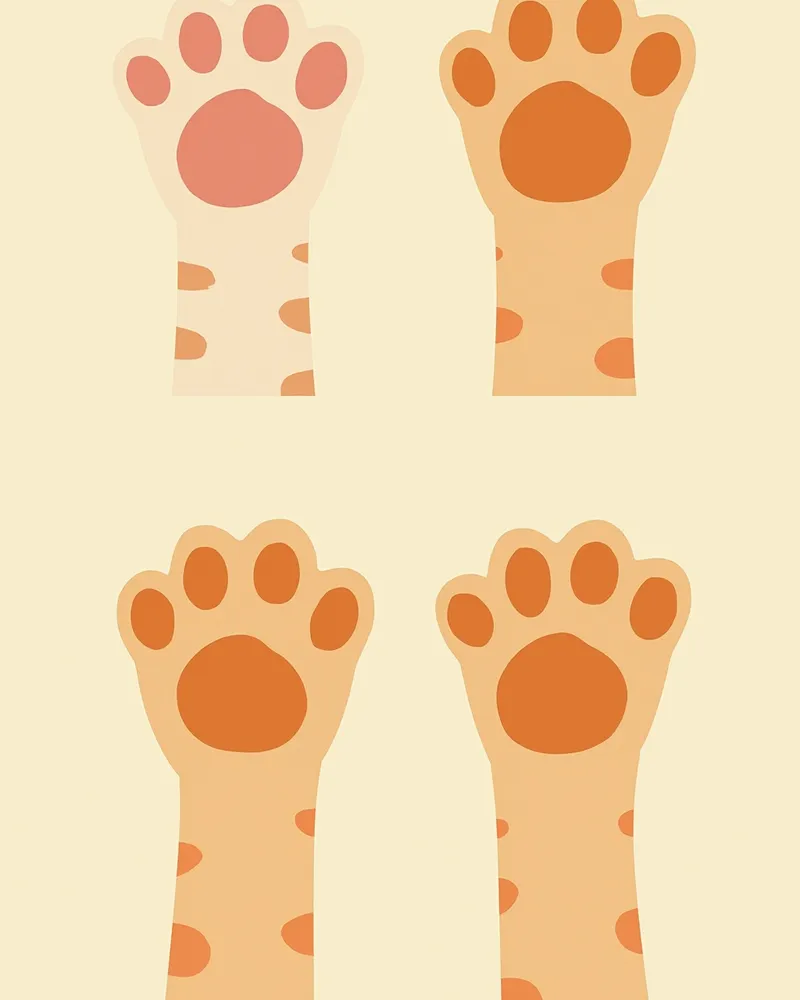
Comparison chart of paw size changes in cats with acromegaly

When to Visit the Vet Immediately

If blood sugar levels remain uncontrolled and insulin doses keep increasing, or if joint pain severely limits movement, these are emergency situations. This indicates that acromegaly is progressing, so you should consult your veterinarian immediately.

How Is an Accurate Diagnosis Made?
Feline acromegaly is accurately diagnosed through a combination of tests. - Blood tests: Elevated blood IGF-1 levels strongly suggest the possibility of acromegaly. - MRI scans: Essential for detecting pituitary tumors and determining their size and location. - Diabetes etiology analysis: Additional testing is required to determine whether acromegaly is the underlying cause of diabetes. - Hormone tests: Comprehensive evaluation of growth hormone and IGF-1 levels. - Thorough assessment: Because a single test is insufficient for diagnosis, results from multiple tests must be evaluated together. - Veterinarian’s judgment: The final diagnosis is made based on the veterinarian’s professional assessment.
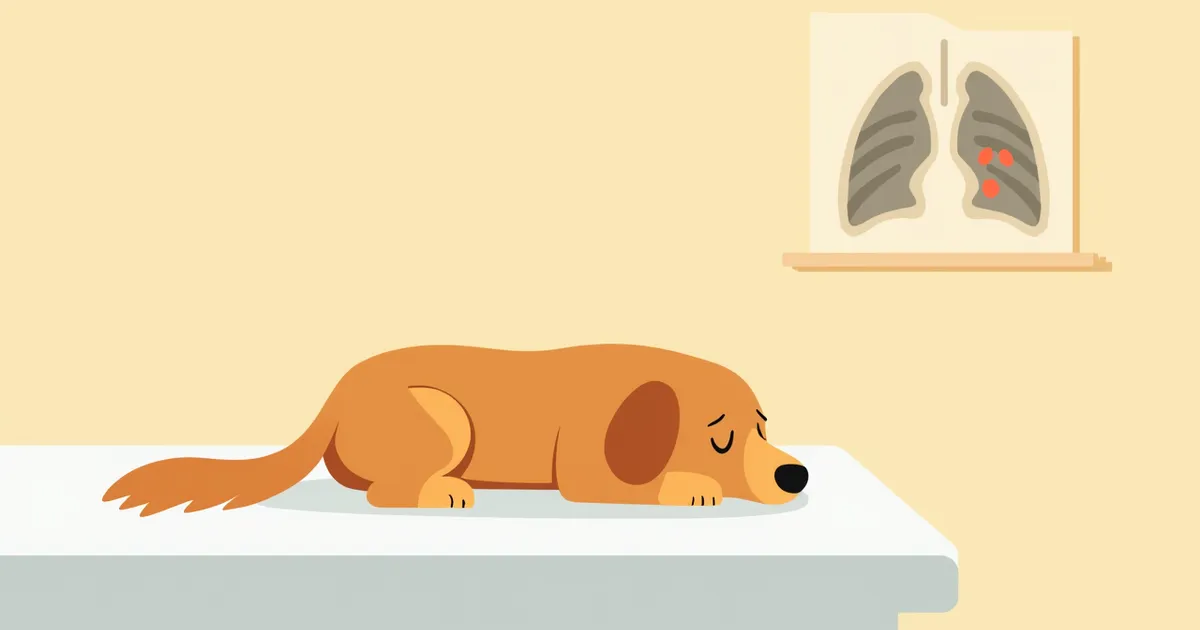
MRI imaging scene for diagnosing feline acromegaly

Treatment Methods and Step-by-Step Management Points
Treatment for acromegaly depends on the size and location of the tumor.
Medical therapy: Administering pituitary function inhibitors to reduce hormone secretion.
Surgical therapy: If the tumor is small and suitably located, it can be surgically removed.
Radiation therapy: For small tumors where surgery is difficult, radiation can be used to shrink the tumor.
Hormone regulation: Insulin dosage must be adjusted alongside diabetes management.
Treatment is long-term and requires regular check-ups.
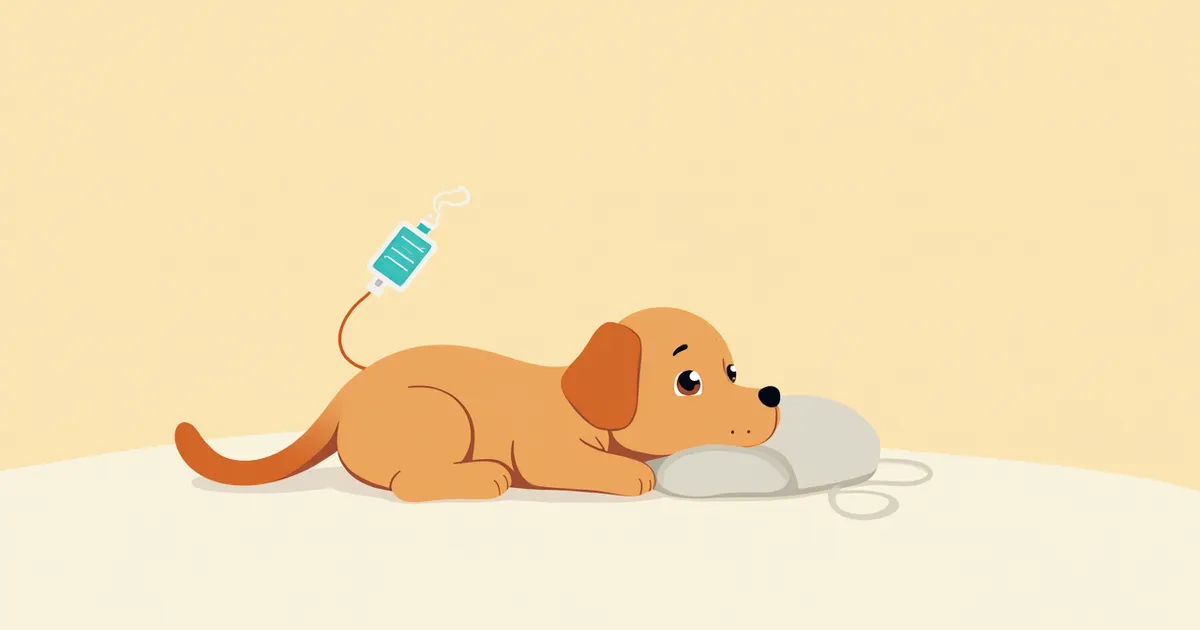
Scene of administering medication to a cat during treatment for acromegaly

Home Care and Daily Management

Home care for cats with acromegaly is very important.
Regular check-ups: Conduct blood tests and MRIs on a regular basis.
Dietary management: A low-carbohydrate, high-protein diet is recommended.
Exercise management: Engage in gentle exercise to reduce stress on the joints.
Medication administration: Administer medication exactly as directed by your veterinarian.
Environmental stability: Maintain a quiet environment to minimize stress.
These management practices greatly help slow the progression of the disease.
Creating a Stable Home Environment to Manage Feline Hypertrophic Cardiomyopathy

Breed-Specific Considerations and Preventing Recurrence

Acromegaly is common in middle-aged and older cats, particularly in neutered males and Domestic Shorthairs. No specific breed predisposition has been identified yet. Additionally, because hormone levels can rise again even after treatment, long-term monitoring in collaboration with your veterinarian is essential.

Reviewed by a veterinarian

Dr. Tony — Punnawat Phongkittirak

Dr. Tony — Punnawat Phongkittirak

Veterinarian

A veterinarian who majored in veterinary medicine at Khon Kaen University, Thailand, and completed the IVSA program at North Carolina State University in the United States. Drawing on clinical experience at animal hospitals, he works in the pet healthcare field and is dedicated to building a digital care environment that connects pet parents with veterinarians.

Frequently Asked Questions

Does acromegaly only occur in cats?
No, acromegaly can occur in dogs as well as cats. However, the causes differ: in cats, it is typically caused by a pituitary tumor that secretes growth hormone, while in dogs, it is often induced by progesterone (progestogen). In cats, it frequently occurs alongside insulin-resistant diabetes mellitus.
Is acromegaly treatable?
Yes, we can regulate hormone levels and alleviate symptoms through medications, surgery, radiation therapy, and other treatments. However, since a complete cure may be difficult, long-term management is necessary.
Does acromegaly make diabetes worse?
Yes, acromegaly causes insulin resistance, which can worsen diabetes and lead to a continuous increase in insulin dosage. This is an important sign of acromegaly.
What is the prognosis for acromegaly?
The prognosis depends on the response to treatment and the presence of complications such as diabetes mellitus and organomegaly. Early diagnosis and consistent management are crucial, and regular monitoring is necessary because insulin-resistant diabetes may be difficult to control and complications can progress.
Is acromegaly hereditary?
The exact genetic and breed predispositions have not yet been identified. However, the condition is most commonly reported in middle-aged and older neutered male cats.

Share

Related Guides

References

[1] The Cat, Clinical Medicine and Management, 2nd Edition, 2023

[2] Textbook of Cardiovascular Medicine in Dogs and Cats, 2021

[3] Meffert FJ, Brown JS. Acromegaly diagnosed by increased IGF-1 levels and MRI findings in two cats. Austral Vet Pract. 2009;39:152–155.

This information is based on veterinary literature and does not replace diagnosis or treatment. Please consult a veterinarian for specific health concerns.

Metapet Co., Ltd. | CEO: Park Sung-yong | Business Reg. No. 417-88-02562 | Seoul, South Korea | Customer Center

Feline Acromegaly: Causes, Diagnosis & Treatment Timing | Meongsiljang