Like
Share
멍실장
고양이 피모벤단 치료 증상과 원인, 진단·치료와 관리 포인트 총정리

Complete Guide to Pimobendan Therapy in Cats — Effects, Side Effects, and Administration Management

HeartDiseasesMeongsiljang Veterinary Advisory Board

Pimobendan therapy is a standard treatment for improving heart function in cats. This medication enhances the heart's contractility and relaxes blood vessels, helping to alleviate symptoms of heart failure.

What is Pimobendan Therapy in Cats?
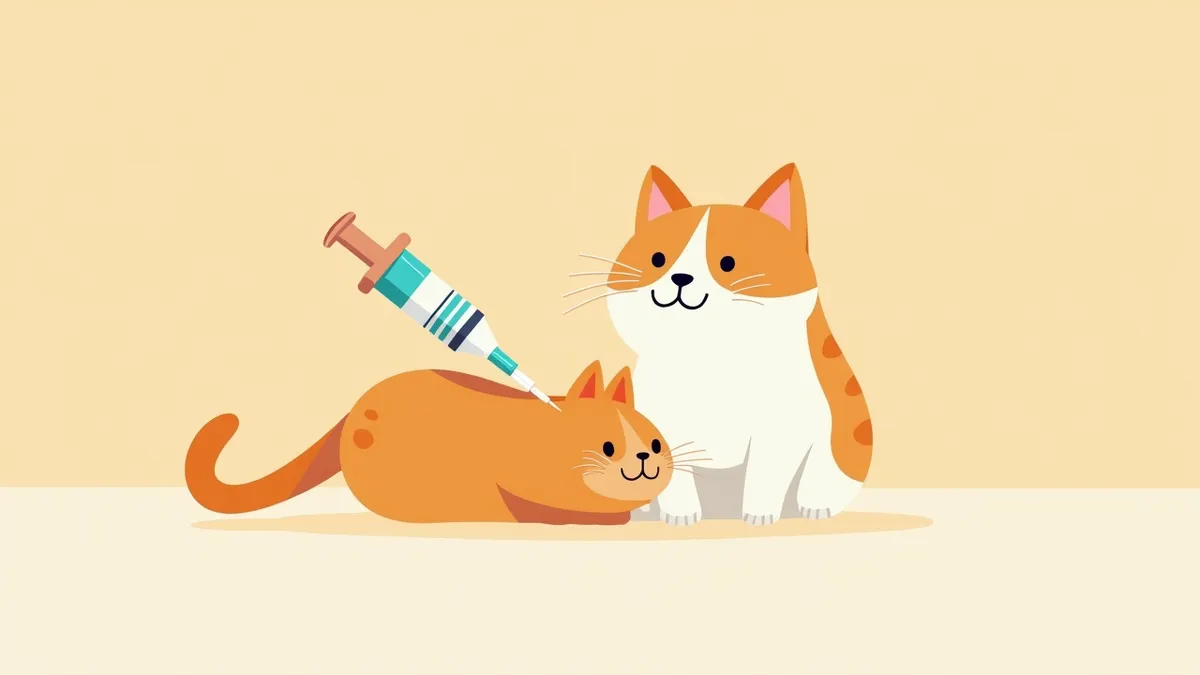
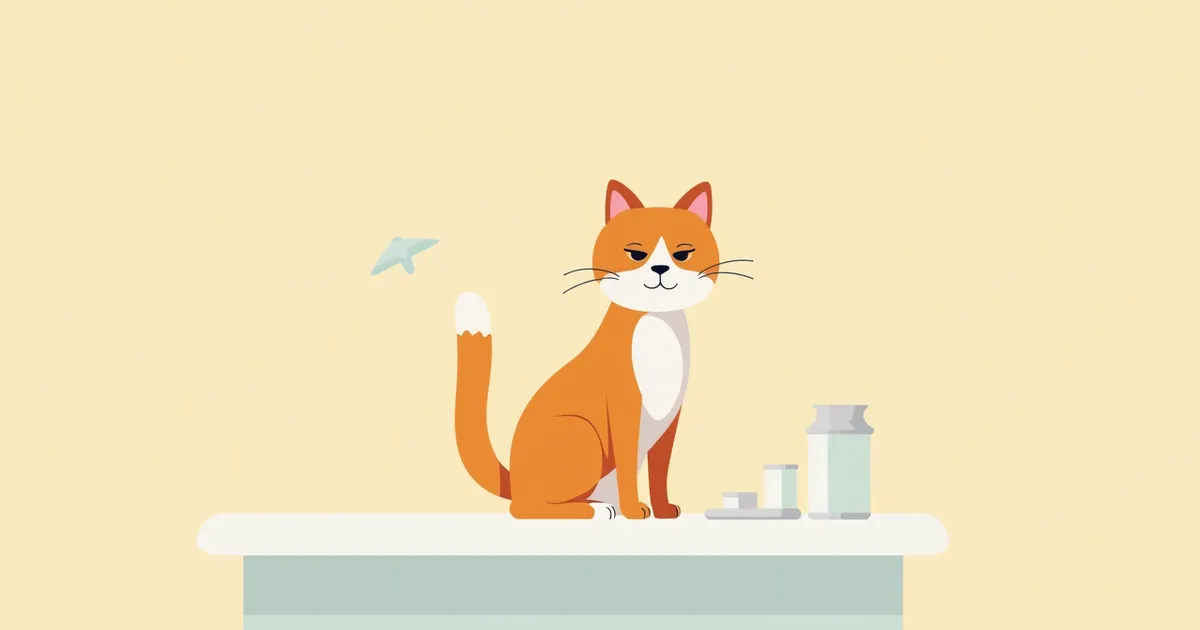
A veterinarian administering Pimobendan to a cat
Pimobendan therapy is a cornerstone treatment for cats with compromised cardiac function, particularly those suffering from heart failure. This medication strengthens the heart's contractility and relaxes blood vessels, thereby improving circulation. It is especially effective when the heartbeat weakens and blood flow becomes inadequate. A veterinarian will prescribe this medication after confirming the diagnosis through tests such as an echocardiogram. The goal of treatment is to stabilize heart function and enhance your cat's quality of life. Regular check-ups and consistent medication management are essential.

What are the Main Causes for Pimobendan Therapy?
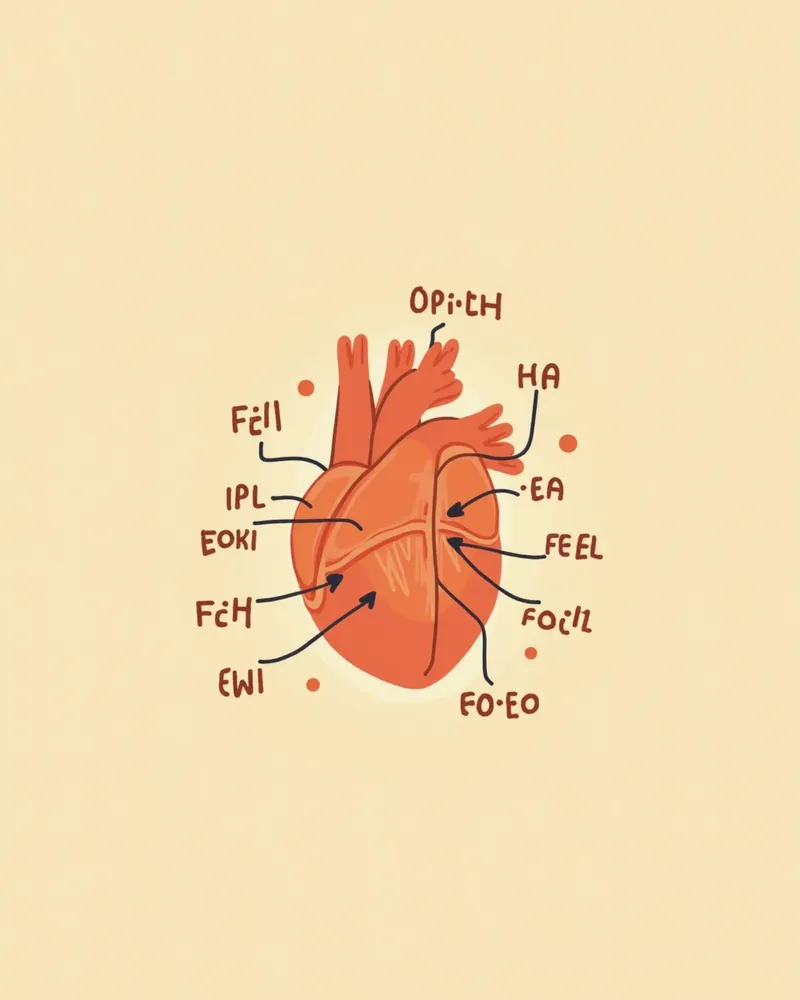
Pimobendan therapy is only administered when a decline in heart function has been confirmed. The main underlying causes include cardiomyopathy, heart valve disease, and cardiac hypertrophy. This medication is particularly effective when the heart’s contractility is weakened and blood circulation is impaired. An echocardiogram is used to precisely assess heart size, pumping strength, and blood flow. Your veterinarian will review the test results to determine whether treatment is necessary and prescribe accordingly. An accurate diagnosis is essential before starting therapy.
Cat echocardiogram results image

Main Symptoms Observed During Pimobendan Therapy
When your cat is being treated with pimobendan, it’s important to consider both the therapeutic effects and potential side effects. On the positive side, you may notice improved breathing and increased activity levels. However, possible side effects include loss of appetite, vomiting, and in rare cases, shock. If your cat’s heart function deteriorates rapidly, they may experience difficulty breathing, coughing, or bluish discoloration of the mouth—these are urgent signs that require immediate veterinary attention. Regular check-ins with your veterinarian are essential to monitor your cat’s condition closely.
A cat showing signs of difficulty breathing

Symptoms Requiring Immediate Veterinary Visit

If your cat experiences severe breathing difficulties, bluish discoloration of the mouth, or sudden collapse during pimobendan treatment, seek immediate veterinary care. These symptoms may indicate a rapid deterioration in heart function. Prompt emergency intervention by a veterinarian is essential, as delays in treatment can be life-threatening.

Diagnostic Methods for Pimobendan Therapy
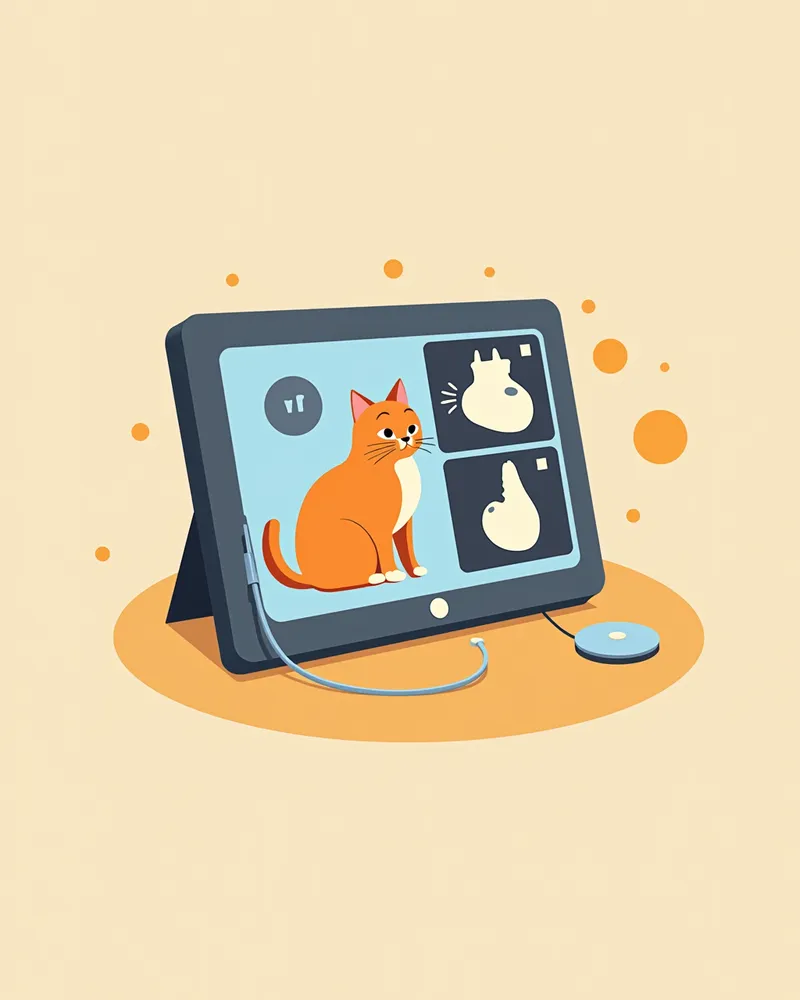
Before starting pimobendan treatment, several tests are essential. An echocardiogram is the most important tool for precisely assessing heart size, contractility, and blood flow. An electrocardiogram checks for abnormal heart rhythms, while a chest X-ray evaluates heart size and lung condition. These tests are combined to determine the degree and cause of heart function decline. The veterinarian will assess the appropriateness of treatment and decide whether to use pimobendan based on the test results. Starting medication without an accurate diagnosis can be dangerous.
A scene of a veterinarian analyzing a cat's heart examination results.

Step-by-Step Approach to Pimobendan Therapy
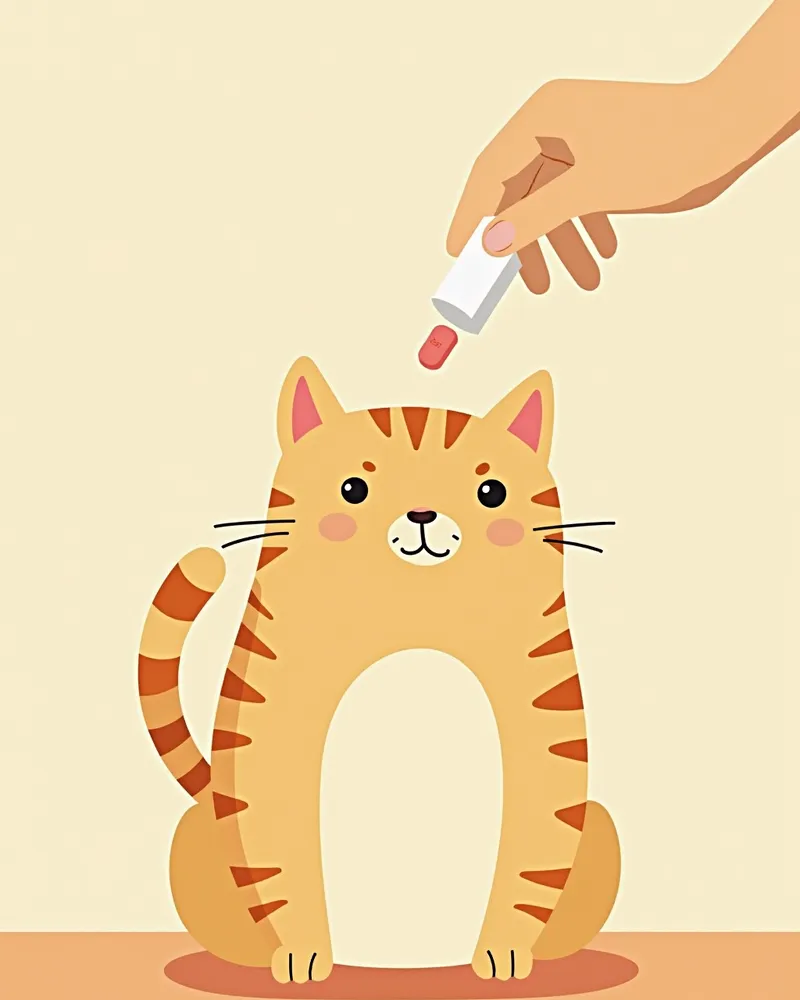
Pimobendan treatment is administered in stages based on your cat’s weight and overall condition. We begin with a low dose and closely monitor your cat’s response, then gradually adjust the dosage while considering both efficacy and potential side effects. Throughout treatment, regular echocardiograms are performed to track changes in heart function, allowing us to evaluate the drug’s effectiveness and safety and adjust the regimen as needed. Your veterinarian will create a personalized prescription by taking into account your cat’s weight, age, and medical history. Consistent, ongoing care is the key to successful treatment.
A veterinarian administering Pimobendan to a cat

Key Points for Home Care

Proper home care during Pimobendan treatment is crucial for successful outcomes. Administer the medication at the exact prescribed time and dosage. Keep your cat’s food intake consistent and maintain a quiet environment to minimize stress. Regularly monitor their weight and record any changes in breathing or activity levels. Contact your veterinarian immediately if you notice any unusual symptoms. Open communication with your vet and careful record-keeping are key to stable treatment. Stay attentive to any changes in your cat’s daily routine.
A cat resting comfortably in a calm and secure environment.

Precautions for Pimobendan Therapy

Pimobendan is used only in cats with worsened heart function. In particular, if the heart valves are obstructed, the medication may actually worsen the condition. Additionally, combining it with other cardiac drugs can cause side effects, so it must be administered under a veterinarian’s guidance. Self-prescribing or adjusting the dosage is strictly prohibited.

Reviewed by a veterinarian

Dr. Tony — Punnawat Phongkittirak

Dr. Tony — Punnawat Phongkittirak

Veterinarian

A veterinarian who majored in veterinary medicine at Khon Kaen University, Thailand, and completed the IVSA program at North Carolina State University in the United States. Drawing on clinical experience at animal hospitals, he works in the pet healthcare field and is dedicated to building a digital care environment that connects pet parents with veterinarians.

Frequently Asked Questions

What are the effects of Pimobendan on cats?
Pimobendan enhances the heart's pumping strength and relaxes blood vessels, improving overall cardiac efficiency. It helps alleviate symptoms of heart failure and can extend your pet's lifespan.
What should I do if my pet experiences side effects after taking Pimobendan?
If your pet shows signs such as loss of appetite, vomiting, or decreased activity, contact your veterinarian immediately. Do not stop the medication on your own; it is important to follow your veterinarian’s guidance.
Does Pimobendan need to be taken for life?
It depends on the cat's heart condition. A veterinarian will determine whether medication is necessary after regular check-ups. In some cases, the dosage may be reduced if the cat's condition stabilizes.
Can Pimobendan be taken with other medications?
Combining this medication with other heart drugs may cause side effects. Always follow your veterinarian’s instructions for use, and never combine medications on your own.
How should I feed my cat during milbemycin treatment?
We recommend a low-sodium diet or a heart-specific prescription diet. Choose a food recommended by your veterinarian and avoid overfeeding.

Share

Related Guides

References

[1] Stern, J.A. et al. (2023) Small Animal Critical Care Medicine, 3rd Ed. Elsevier.

[2] Plumb, D.C. (2022) Plumb's Veterinary Drug Handbook, 10th Ed. Wiley.

[3] Kilpatrick, J. et al. (2021) Textbook of Cardiovascular Medicine in Dogs and Cats. Wiley-Blackwell.

This information is based on veterinary literature and does not replace diagnosis or treatment. Please consult a veterinarian for specific health concerns.

Metapet Co., Ltd. | CEO: Park Sung-yong | Business Reg. No. 417-88-02562 | Seoul, South Korea | Customer Center

Pimobendan for Cats: Effects, Side Effects & Dosing Guide | Meongsiljang