

If Your Cat Ate Onions or Garlic — From Anemia Symptoms to Emergency Treatment and Dangerous Ingestion Levels
If a cat eats onions or garlic, it can lead to hemolytic anemia, where red blood cells are destroyed. Emergency treatment within 24 hours of ingestion can be life-saving.
What Is Onion and Garlic Poisoning in Cats?

Why Are Onions and Garlic Dangerous for Cats?
Checklist of Main Symptoms After Ingestion

If You See These Symptoms, Go to the Veterinary Emergency Room Immediately
If any of the following signs are present, seek emergency veterinary care immediately: • Pale, white, or yellow gums • Brown or red urine • Rapid or labored breathing • Lethargy, confusion, or inability to stand • Direct observation of onion or garlic ingestion Even if no symptoms are apparent, veterinary evaluation is essential immediately after ingestion.
How Much Is Dangerous? — Dangerous Ingestion Levels

How Is It Treated at the Hospital?
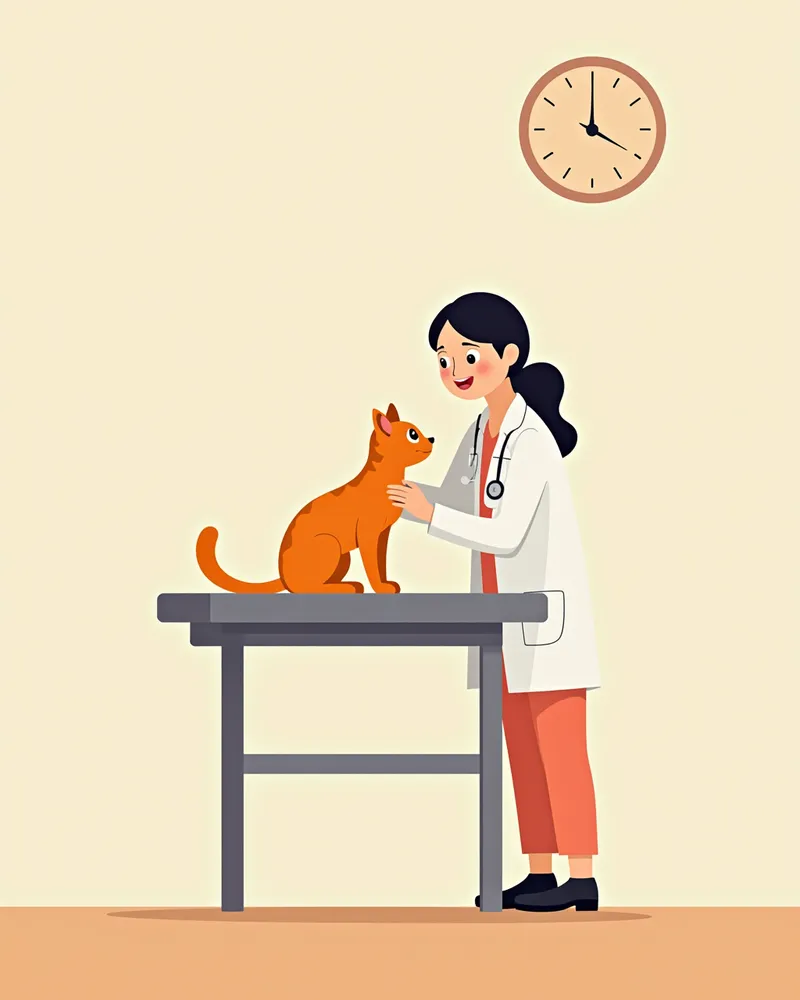
How to Monitor at Home After Discharge
Prevention Rules to Strictly Follow in a Cat Household
The best way to prevent onion and garlic poisoning is to block access from the start. • Never leave onions, garlic, green onions, chives, or Korean chives unattended on the dining table or in trash cans. • Never feed your cat foods containing these ingredients, such as fried rice, soups, stews, or seasonings. • Always check the ingredient lists of pet treats and supplements to ensure they do not contain garlic powder or onion powder. • Keep curious young cats away from areas where food ingredients are stored.
Reviewed by a veterinarian

Dr. Tony — Punnawat Phongkittirak
VeterinarianA veterinarian who majored in veterinary medicine at Khon Kaen University, Thailand, and completed the IVSA program at North Carolina State University in the United States. Drawing on clinical experience at animal hospitals, he works in the pet healthcare field and is dedicated to building a digital care environment that connects pet parents with veterinarians.
Reviewed 2026-06-01
Frequently Asked Questions
My cat ate a very small amount of onion. Do I need to go to the vet?
Are cooked onions and garlic also dangerous?
Is it safe to induce vomiting at home?
Is it dangerous for my pet to just smell onions?
How long does it take for recovery after treatment?
Share
Related Guides

Top 5 Emergency Poisoning Kits for Dogs Recommended by Veterinarians
7 Emergency Checklist Items for Cat Poisoning — Signs to Check Immediately After Exposure
If Your Cat Has No Appetite and Looks Yellow — Hepatitis Symptoms, Causes, and Treatment Timing

If Your Young Puppy Has Weak Kidneys — Causes of Renal Dysplasia and Lifelong Management Points

If Your Cat Keeps Limping — Symptoms and Diagnosis of Immune-Mediated Polyarthritis
Canine Osteochondrosis: Symptoms, Causes, Diagnosis, Treatment, and Management Essentials
If Your Dog Is Limping on a Hind Leg — Symptoms and Treatment of Legg-Calvé-Perthes Disease

Elbow Dysplasia in Dogs: Symptoms, Causes, Diagnosis, Treatment, and Management Essentials
A Comprehensive Guide to Canine Intervertebral Disc Disease: Symptoms, Causes, Diagnosis, Treatment, and Care

Why isn’t my cat moving? — Feline osteoarthritis symptoms and when to visit the vet
References
[1] Gwaltney-Brant SM et al., Blackwell's Five-Minute Veterinary Consult Clinical Companion: Small Animal Toxicology, 3rd Edition — Allium species toxicosis; decontamination and fluid therapy
[2] Schaer M (ed.), Clinical Medicine of the Dog and Cat, 4th Ed — Toxicology chapter: oral decontamination methods, emesis, activated charcoal
[3] Plumb DC, Plumb's Veterinary Drug Handbook, 10th Ed — Emesis induction agents; activated charcoal administration
[4] Declue AE, Feline Emergency and Critical Care Medicine, 2nd Ed — Decontamination procedures; cathartics and activated charcoal risks