Like
Share
멍실장
강아지 배뇨 곤란(스트레인거리아) 증상과 원인, 진단·치료와 관리 포인트 총정리

Dog Stranguria: Symptoms, Causes, Diagnosis, Treatment, and Care Essentials

UrinaryDiseasesMeongsiljang Veterinary Advisory Board

Difficulty urinating in dogs (stranguria) is a symptom where your dog struggles to pass urine, which can be caused by infections, stones, or urinary tract abnormalities. Prompt diagnosis and treatment are essential.

What is Dog Stranguria?
A puppy struggling with difficulty urinating
Difficulty urinating in dogs, known as stranguuria, refers to the condition where a dog strains hard to urinate but little or no urine comes out. This can be accompanied by pain or discomfort during urination, and may also present as frequent, small-volume voiding (pollakiuria). These symptoms often signal issues in the lower urinary tract or its nerve supply, such as cystitis, urinary stones, tumors, or prostate disease. Male dogs are at particularly high risk because a stone lodged in the urethra can cause a complete urethral obstruction. Complete urinary blockage is a medical emergency requiring immediate veterinary care; delayed treatment can lead to bladder and kidney damage. Therefore, early detection and appropriate management are crucial for a successful recovery.

What are the Main Causes of Stranguria?
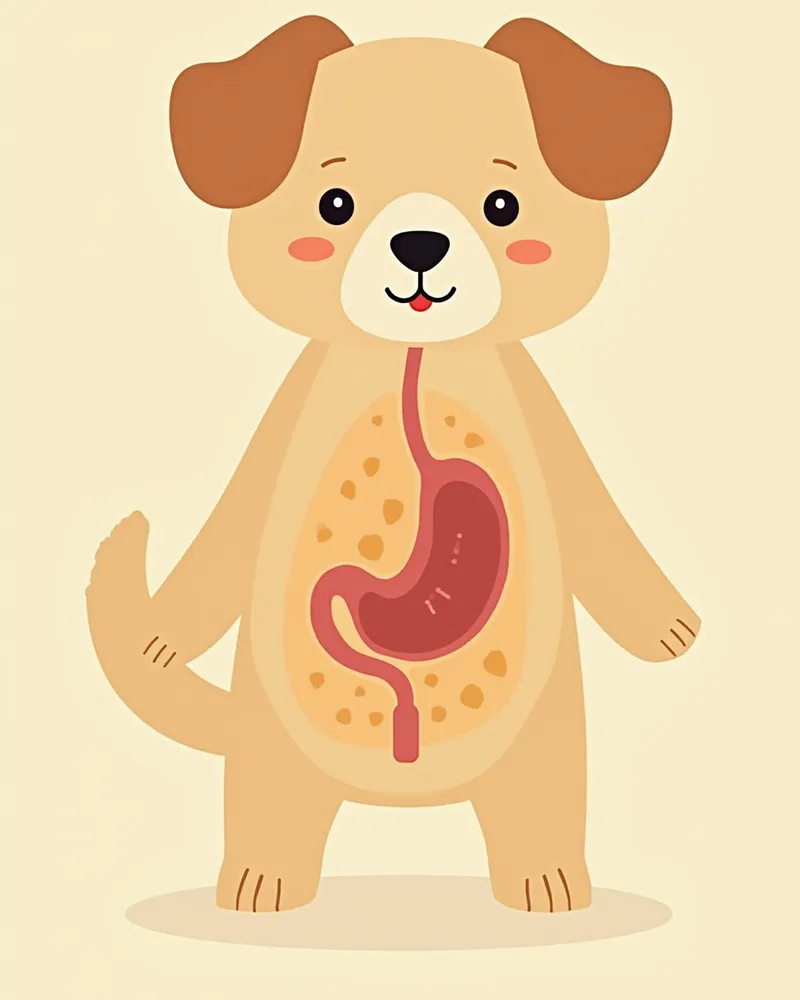
There are many possible causes of difficulty urinating in dogs. - Urinary tract infection (cystitis): Bacterial cystitis causes inflammation in the urinary tract, leading to pain and difficulty during urination. - Urinary tract stones: Stones formed from aggregated minerals can block the urinary tract; in particular, urethral stones in male dogs can cause complete obstruction. - Tumors: Tumors such as transitional cell carcinoma of the trigone of the bladder can also cause difficulty urinating. - Prostatic disease: In male dogs, prostatic disease can compress the urinary tract and obstruct urine flow. - Structural abnormalities of the urinary system: Urethral strictures or congenital structural abnormalities can impede smooth urine discharge. - Neurological disorders: Problems with the nerves that control urination can disrupt the transmission of signals needed for voiding. Because these causes can interact in complex ways, an accurate diagnosis is essential.
Canine urinary tract anatomy and common sites of obstruction

Check for Key Symptoms and Signs

The main symptoms of difficulty urinating in dogs are listed below. Please observe your dog closely.
Straining to urinate: Your dog may frequently sit down and stand up while trying to pass urine.
Decreased urine output: Only a few drops may come out, or no urine may be passed at all.
Signs of pain: Your dog may cry or tremble while attempting to urinate.
Abnormal urine color: The urine may appear dark yellow, reddish, or contain blood.
Lethargy: Your dog may remain inactive and stay in the same spot all day.
Vomiting or loss of appetite: These may occur due to pain or systemic toxicity.
A puppy suffering from difficulty urinating

Emergency Situations Requiring Immediate Veterinary Visit

If your dog is unable to urinate at all and is straining without producing even a single drop, you should seek veterinary care immediately. This is a medical emergency caused by urethral obstruction, and failure to relieve the blockage promptly can lead to damage to the bladder and kidneys. It is crucial not to delay and to have your dog receive emergency treatment at an animal hospital right away.

Diagnostic Tests for Accurate Diagnosis
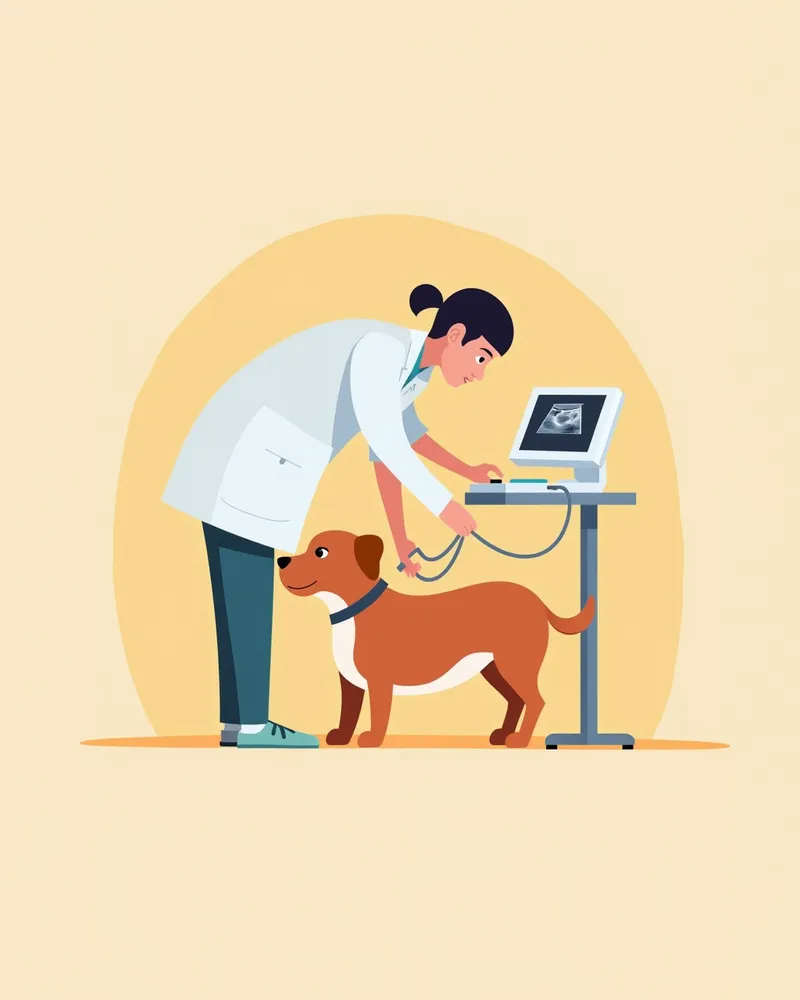
Diagnosing difficulty in urination in dogs involves several tests. - Urinalysis: Checks for infections, protein, blood, and stone composition. - Ultrasound examination: Precisely identifies stones in the urinary tract, abnormal structures, and prostate size. - X-ray imaging: Useful for determining the location and size of stones. - Blood tests: Evaluates kidney function, electrolyte imbalances, and inflammatory responses. - Urography: Used in complex cases to observe the entire flow of the urinary tract. An accurate diagnosis is crucial in determining the treatment direction.
A veterinarian performing an abdominal ultrasound on a puppy.

Treatment Methods and Step-by-Step Management
Treatment depends on the underlying cause. - Infection: Antibiotics are prescribed to eliminate the bacteria. - Uroliths (stones): Dietary management or surgery is used to remove or dissolve the stones. - Urinary tract obstruction: Immediate catheterization is required to facilitate urine drainage. - Post-surgery: Pain relief medication and antibiotics are administered to support recovery and prevent infection. - Preventing recurrence: A long-term management plan tailored to the cause is established. Adequate hydration and rest are essential throughout the treatment period.
A puppy recovering at the hospital after urinary drainage.

Home Care and Management Points

Proper care at home after treatment is crucial for recovery and preventing recurrence. - Medication: Administer medications exactly as directed by your veterinarian. - Hydration: Encourage frequent water intake to dilute urine and keep the urinary tract clean. - Urine Monitoring: Consistently record the color, odor, volume, and frequency of urination. - Environment: Provide a clean, quiet environment to minimize stress. - Litter Box/Toilet Area Maintenance: Clean frequently and ensure it is comfortable and accessible for your dog. - Regular Check-ups: Schedule regular veterinary check-ups according to the recommended intervals to detect and prevent recurrence early.
The puppy is recovering in a calm, stable environment.

Male and Older Dogs Require Special Attention

Male dogs are at higher risk because urinary stones can easily lead to complete urethral obstruction. Older dogs are also more prone to concurrent issues such as prostate disease or decreased kidney function, which can make difficulty urinating more common. Regular check-ups can help detect these problems early in such dogs, and prompt intervention significantly aids recovery.

Reviewed by a veterinarian

Dr. Tony — Punnawat Phongkittirak

Dr. Tony — Punnawat Phongkittirak

Veterinarian

A veterinarian who majored in veterinary medicine at Khon Kaen University, Thailand, and completed the IVSA program at North Carolina State University in the United States. Drawing on clinical experience at animal hospitals, he works in the pet healthcare field and is dedicated to building a digital care environment that connects pet parents with veterinarians.

Frequently Asked Questions

My dog isn’t urinating. What should I do at home?
If your pet is unable to urinate at all, do not attempt to treat this at home—seek immediate veterinary care. Inability to pass urine can indicate a life-threatening emergency such as urethral obstruction, so delay no further and have your pet evaluated and treated at an animal hospital right away.
What causes difficulty in urination?
Infections (such as cystitis), urinary stones, prostate disease, tumors, and neurological disorders can all be underlying causes. Male cats are at particularly high risk because a stone lodged in the urethra can lead to a complete urinary blockage, which is life-threatening.
Is it normal for urine to be red?
Reddish urine may indicate hematuria. This can be a sign of serious issues such as infection, stones, or kidney disease, so immediate veterinary examination is recommended.
Can the condition recur after treatment?
There is a possibility of recurrence. You can help prevent it through dietary management, increased water intake, and regular check-ups. Work with your veterinarian to create a management plan.
How can I observe my pet’s urine at home?
Keep a daily log of your dog’s urine output, color, odor, and frequency, and let your veterinarian know if you notice anything unusual. Keep the litter area clean and ensure your dog can use it comfortably.

Share

Related Guides

References

[1] Warman, S. (2022). The dog with signs of cystitis or haematuria. In 100 Top Consultations in Small Animal General Practice, 4th ed.

[2] Braun, U. & Schmied, H. (2021). Clinical Medicine of the Dog and Cat, 4th ed. Elsevier.

[3] Hill, P. (2020). The Dog Care Handbook, Things I Wish My Vet Had Told Me. Penguin Books.

This information is based on veterinary literature and does not replace diagnosis or treatment. Please consult a veterinarian for specific health concerns.

Metapet Co., Ltd. | CEO: Park Sung-yong | Business Reg. No. 417-88-02562 | Seoul, South Korea | Customer Center

Dog Stranguria: Symptoms, Causes & Treatment | Meongsiljang