Like
Share
멍실장
강아지 신경인성 방광 증상과 원인, 진단·치료와 관리 포인트 총정리

Neurogenic Bladder in Dogs: Symptoms, Causes, Diagnosis, Treatment, and Management Essentials

UrinaryDiseasesMeongsiljang Veterinary Advisory Board

Neurogenic bladder in dogs is a condition in which nerve damage prevents the bladder from contracting properly, making it difficult for the dog to urinate on time. Early detection and appropriate management are essential.

What is Neurogenic Bladder in Dogs?
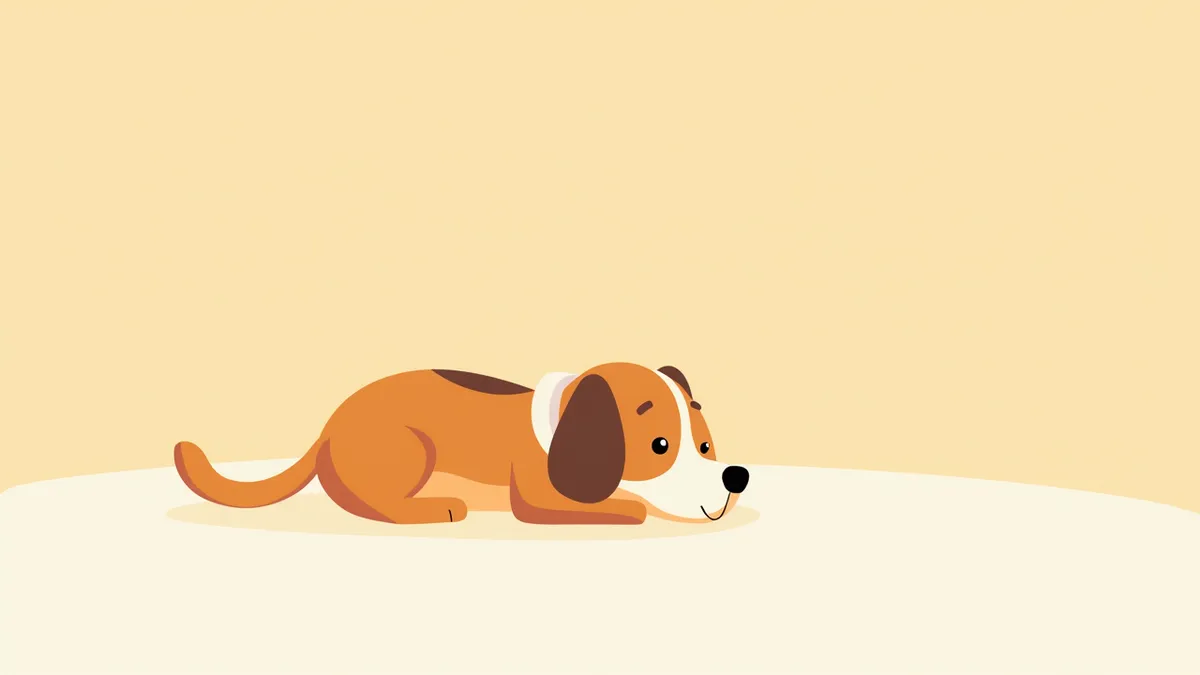
An image of a dog wearing a medical collar and lying on a bed, along with an anatomical diagram highlighting the urinary tract and nerve pathways.
Neurogenic bladder in dogs is a condition in which damage to the nervous system impairs proper contraction of the bladder muscles, preventing timely urination. Upper or lower motor neuron diseases can reduce the bladder’s ability to contract or increase tension in the urethral sphincter, making urination difficult. This means that even when the bladder fills with urine, signals are not transmitted properly, leading to urine accumulation. Signs that owners often overlook include frequent attempts to urinate (pollakiuria) or repeated, unsuccessful efforts to pass urine (dysuria or tenesmus). Overdistension of the bladder causes discomfort, and stagnant urine increases the risk of urinary tract infections. Early detection and appropriate management are key to treatment. This condition is not simply an accident; it stems from underlying neurological dysfunction.

What are the Main Causes of Neurogenic Bladder?
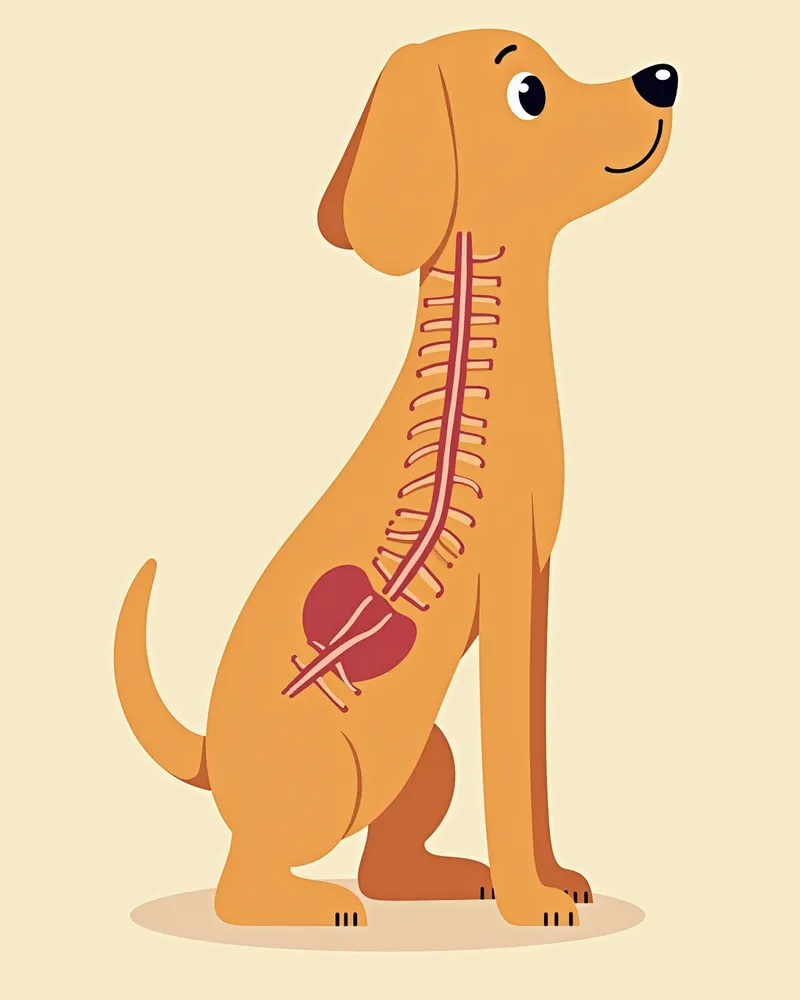
The primary causes of neurogenic bladder in dogs stem from abnormalities in the upper or lower motor neurons, such as spinal cord injury, intervertebral disc herniation, nerve compression, or brain disorders. Spinal cord damage due to trauma can be a cause, and various issues affecting the neural pathways, including neuritis, tumors, and congenital neurological diseases, may also be involved. When the neural pathways that transmit signals to the bladder are damaged, the bladder muscles cannot contract properly, preventing adequate urine expulsion. This can lead to excessive bladder distension or overflow incontinence, where urine leaks out as the bladder becomes overly full. Furthermore, urine retention can delay recovery and lead to irreversible damage, so accurately identifying the underlying cause is the first step toward effective treatment.
An anatomical diagram showing how the spinal cord and pelvic nerves connect to the bladder in dogs

Check for Key Symptoms and Signs

The main symptoms of neurogenic bladder in dogs include an inability to urinate, frequent urine leakage, and excessive bladder distension. These signs can be confusing for pet owners. In particular, your dog may repeatedly attempt to urinate even when the bladder is empty, or take an unusually long time to finish. This occurs because the nerves are unable to send proper signals to the bladder.
Repeated urination attempts: Your dog may keep trying to urinate even when the bladder is empty.
Excessive bladder distension: The abdomen may appear swollen or feel firm to the touch.
Urine leakage: When the bladder becomes full, urine may leak out involuntarily.
Increased frequency of urination attempts: Because the bladder is not emptying properly, your dog may try to urinate more often.
Early detection of these signs is crucial.
Your puppy is sitting near the wall with a look of discomfort, and there’s urine nearby.

Situations Requiring Immediate Veterinary Visit

If the bladder becomes overly distended or if your pet is unable to urinate for an extended period, urine retention can significantly increase the risk of kidney damage and urinary tract infections. Prolonged urine retention may lead to irreversible damage that is difficult to treat and can even be life-threatening. Therefore, if you suspect your pet is having trouble urinating, do not delay—seek veterinary care immediately. Additionally, if the bladder feels firm and swollen when gently pressed, or if your pet shows signs of pain, it could indicate an emergency, so prompt veterinary attention is essential for safety.

Diagnostic Tests for Accurate Diagnosis
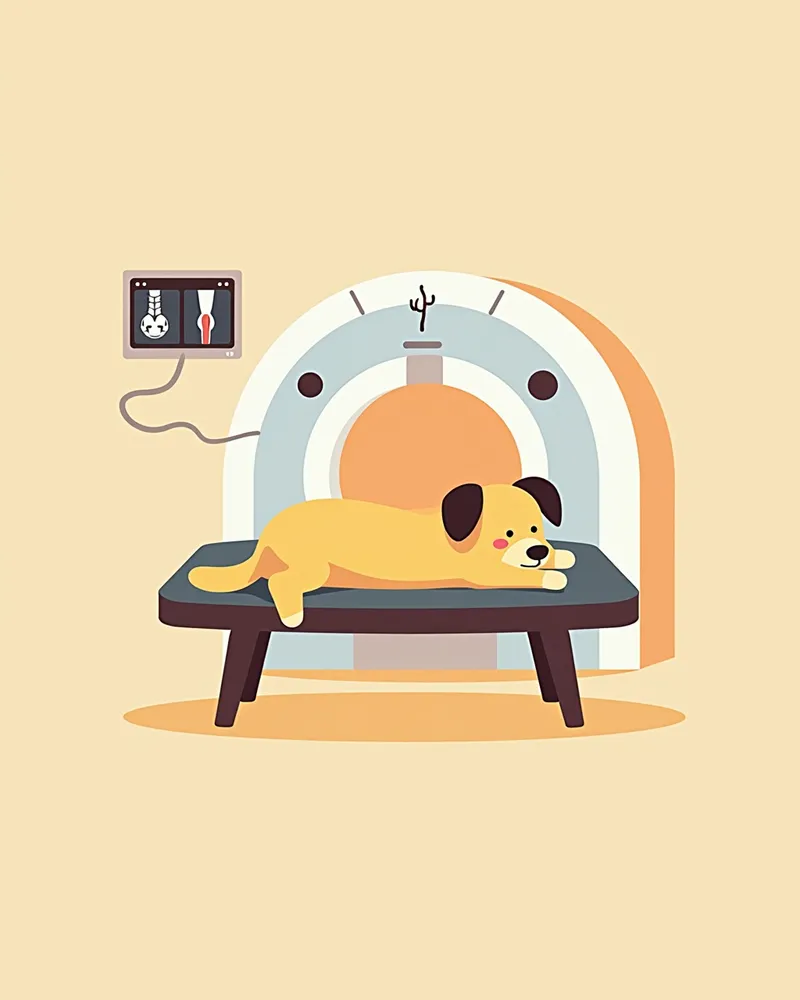
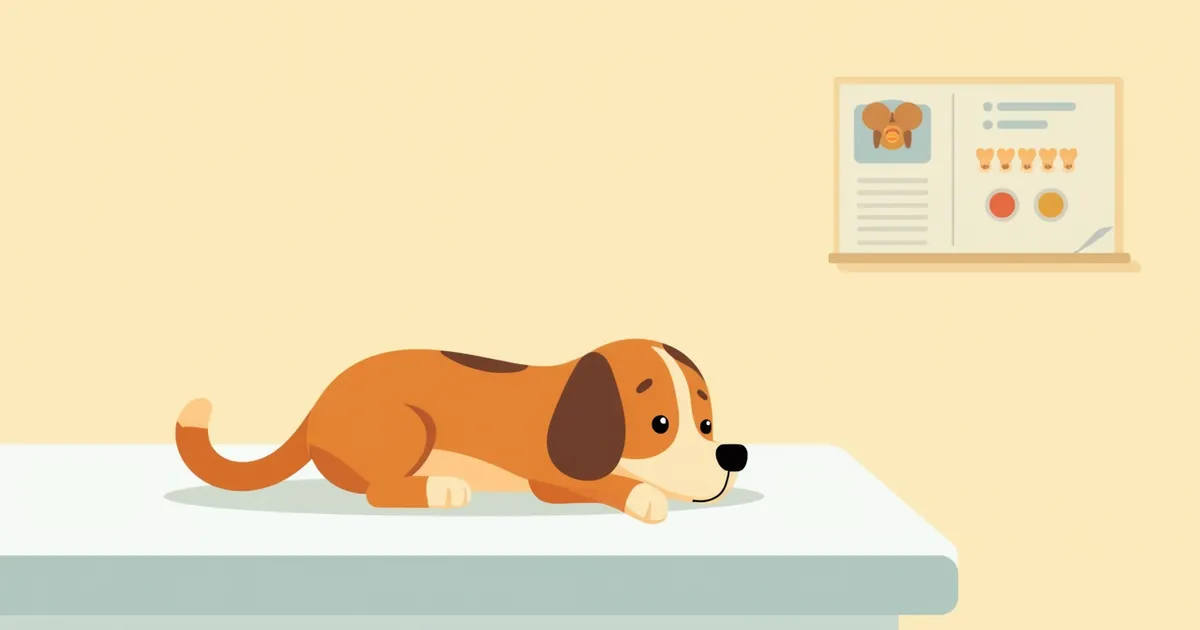
Neurogenic bladder in dogs is accurately diagnosed through a series of tests. A bladder ultrasound is used to check for residual urine volume, while an MRI of the spinal cord helps identify the site of injury. A urinalysis rules out infection, and electrophysiological testing assesses abnormalities in nerve conduction pathways. Additionally, a neurological reflex exam evaluates bladder control function, and a CT scan may be considered if necessary. An accurate diagnosis enables identification of the underlying cause and facilitates tailored treatment, forming the foundation for early intervention.
A puppy lying on an MRI examination table, with images of the spinal cord and bladder displayed on the monitor.

Treatment Methods and Step-by-Step Management
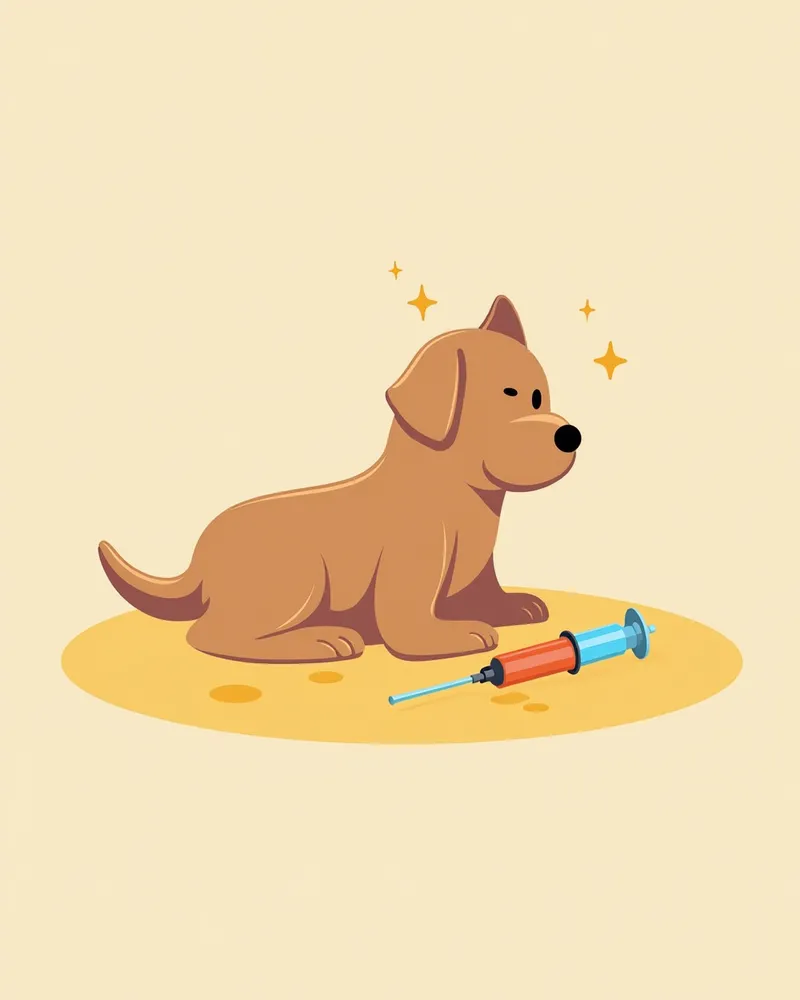
Treatment for neurogenic bladder depends on the underlying cause. If spinal cord injury is the cause, medication, physical therapy, and surgery may be considered. If the bladder cannot contract properly, regular management to empty the bladder is necessary. This can be done by gently pressing on the bladder with your hands (manual expression) or by intermittently using a catheter to drain urine. In hospitalized patients, an indwelling catheter may also be placed. Manual expression is typically performed every 6 to 8 hours, but it should only be done after receiving proper training from a veterinarian. For lower motor neuron neurogenic bladder, medications like bethanechol that help bladder contraction are used, and if a urinary tract infection is confirmed, antibiotics are administered. Long-term management is essential for treatment.
A veterinarian gently pressing on a puppy’s bladder to help it urinate, with a syringe nearby.

Management Points at Home

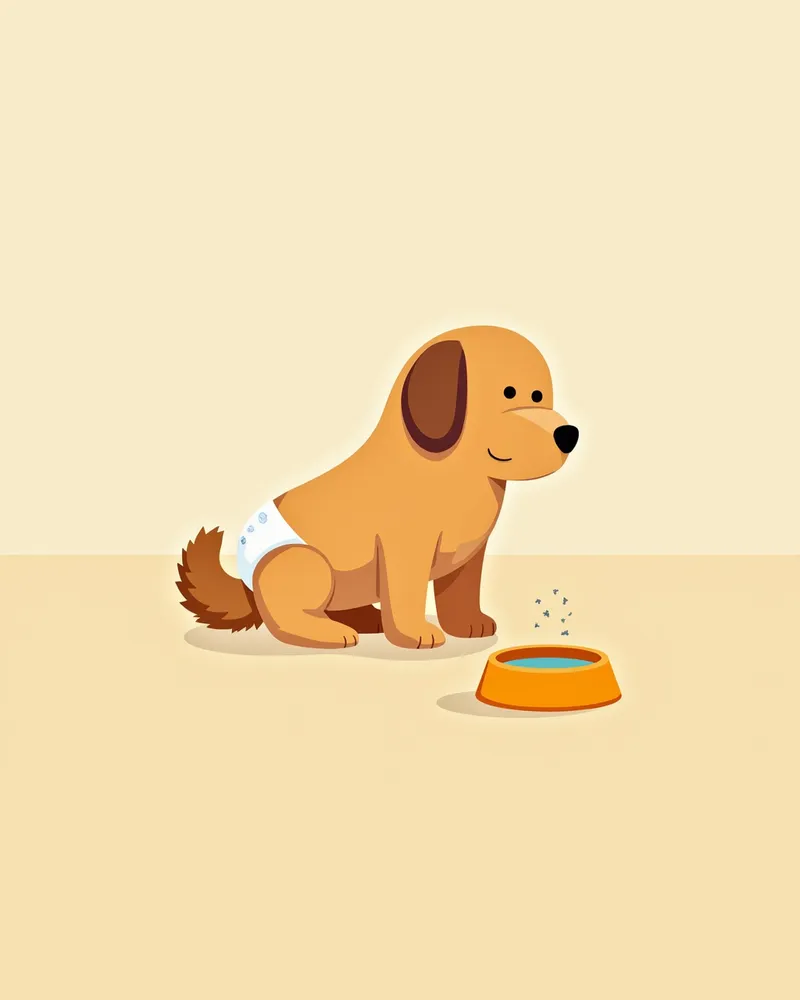
Regular at-home care is crucial for managing neurogenic bladder in dogs. You should assist your dog with bladder emptying at set times every day. The frequency can vary depending on the degree of bladder distension and residual urine volume, so it is important to adjust the schedule according to your veterinarian’s guidance. Take care to prevent the bladder from becoming overly distended, and you may use diapers or bladder pants to help prevent urine leakage. To help prevent infections, ensure your dog drinks plenty of water and keep the elimination area clean. Regular veterinary check-ups are also essential.
A puppy wearing a diaper, sitting on a clean floor next to a water bowl.

Preventing Recurrence and Breed Precautions

Certain breeds are reported to be more susceptible to conditions affecting the spinal cord and nerves, such as intervertebral disc disease and cauda equina syndrome (for example, German Shepherds have a predisposition to cauda equina syndrome). Such nerve damage can lead to neurogenic bladder. If the bladder is not emptied regularly, urine retention can cause urinary tract infections or kidney damage, so it is essential for pet owners to establish a management plan. Regular veterinary check-ups are recommended to monitor the condition and prevent recurrence and complications.

Reviewed by a veterinarian

Dr. Tony — Punnawat Phongkittirak

Dr. Tony — Punnawat Phongkittirak

Veterinarian

A veterinarian who majored in veterinary medicine at Khon Kaen University, Thailand, and completed the IVSA program at North Carolina State University in the United States. Drawing on clinical experience at animal hospitals, he works in the pet healthcare field and is dedicated to building a digital care environment that connects pet parents with veterinarians.

Frequently Asked Questions

Does my dog’s frequent urination indicate a neurogenic bladder?
Frequent urination (pollakiuria) can be a symptom of a neurogenic bladder, but it may also occur with lower urinary tract diseases such as cystitis, urinary tract infections, bladder stones, or tumors. It’s also important to distinguish it from polyuria, which is an actual increase in urine volume. Therefore, a veterinary visit is necessary for an accurate diagnosis.
How often should a dog urinate?
Regular bladder emptying is essential to prevent overdistension. The frequency depends on the patient’s condition and the site of injury, and should be adjusted according to your veterinarian’s guidance.
Is catheterization painful for dogs?
When done correctly, it doesn’t hurt. If you follow the method taught by your veterinarian, your dog will get used to it.
Can neurogenic bladder be cured?
Recovery is possible if the underlying cause can be eliminated and nerve function can be restored, but in most cases, long-term management is necessary. Early intervention and consistent care are key.
Shouldn't I use diapers?
Diapers can be used to help prevent infections and manage the environment, but regular bladder management remains essential.

Share

Related Guides

References

[1] Notes on Canine Internal Medicine, 4th Ed. 2023. Elsevier.

[2] Plumb's Veterinary Drug Handbook, 9th Ed. 2022. Wiley.

[3] Veterinary Neurology and Neurosurgery, 3rd Ed. 2021. Saunders.

This information is based on veterinary literature and does not replace diagnosis or treatment. Please consult a veterinarian for specific health concerns.

Metapet Co., Ltd. | CEO: Park Sung-yong | Business Reg. No. 417-88-02562 | Seoul, South Korea | Customer Center

Neurogenic Bladder in Dogs: Symptoms, Causes & Care | Meongsiljang