Like
Share
멍실장
고양이 영양 상담 및 식이 선택 증상과 원인, 진단·치료와 관리 포인트 총정리

Cat Nutrition Counseling and Diet Selection: Symptoms, Causes, Diagnosis, Treatment, and Management Points Summary

Lifestyle & Age CareDiseasesMeongsiljang Veterinary Advisory Board

Proper nutrition counseling and diet selection are essential for maintaining your cat’s health and preventing disease. An inappropriate diet can lead to obesity, kidney disease, and nutritional deficiencies.

Cat Nutrition Counseling and Diet Selection is the Foundation of Health Maintenance
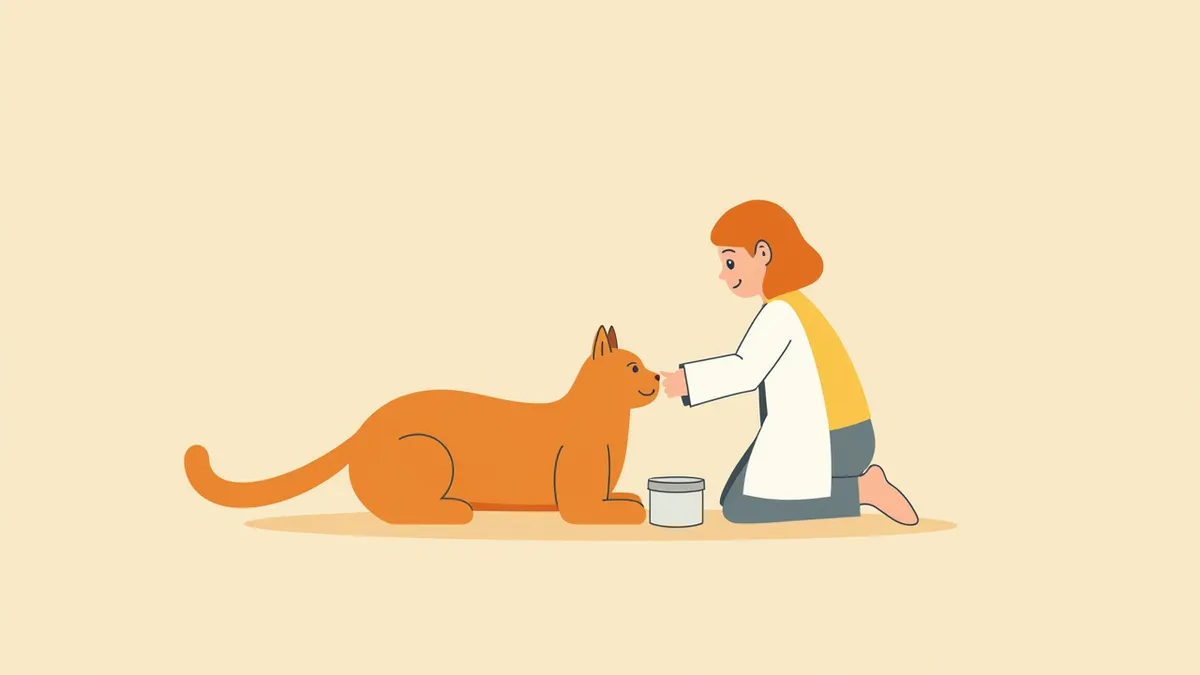
A veterinarian explaining feline nutrition.
Proper nutrition and diet selection are key to maintaining your cat’s health and preventing disease. Poor dietary choices can lead to obesity, kidney disease, and nutritional deficiencies. As obligate carnivores, cats have high protein requirements and thrive on diets rich in animal-based proteins. It’s essential to ensure their diet meets their protein and essential nutrient needs. - Nutritional Imbalance: Cats require a diet tailored to their unique physiological needs. Rather than simply choosing a commercial food, focus on managing their overall nutritional status. - Dietary Adjustments: Modify the diet based on body weight, body condition score (BCS), and blood test results. Add supplements only when recommended by your veterinarian. - Regular Check-ups: Assess your cat’s nutritional status at every veterinary visit and adjust the diet according to their body type, life stage, and overall health. This process requires close collaboration with your veterinarian.

The Main Cause of Nutritional Imbalance is Diet Selection Errors
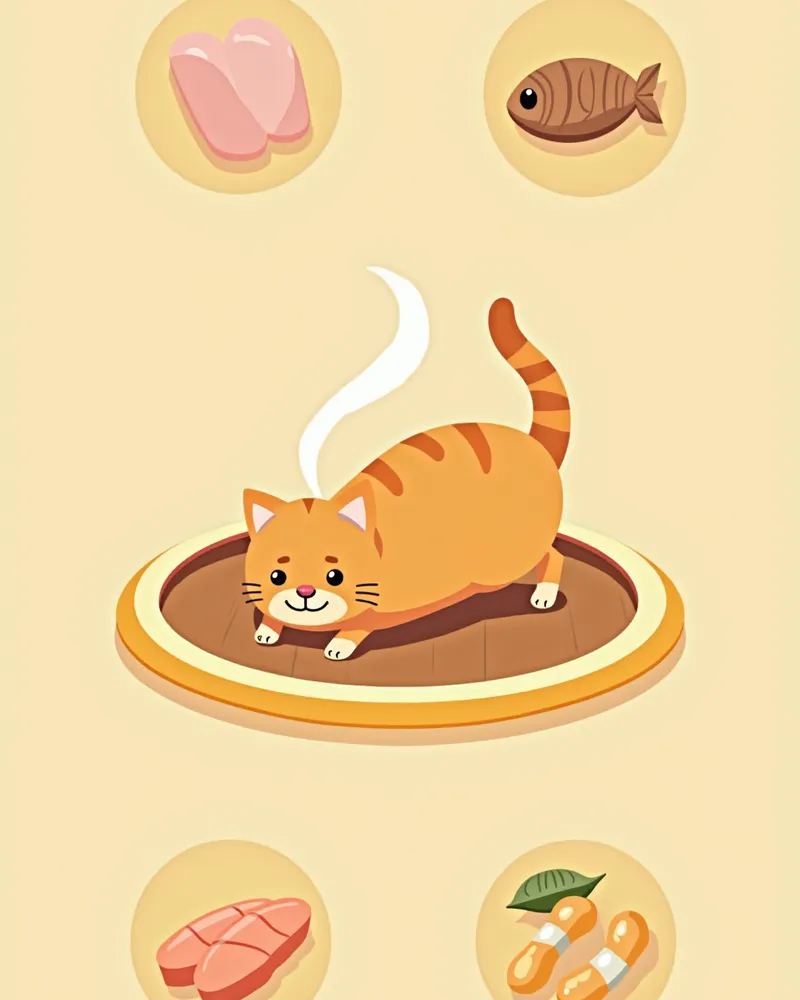
The most common issue in feline nutrition counseling and diet selection is choosing the wrong diet. Cats are obligate carnivores, so a diet rich in animal-based protein aligns best with their physiology, and they require essential nutrients like taurine and arachidonic acid, which are primarily obtained from animal sources. - Protein and Essential Nutrients: Diets lacking sufficient protein or animal-based ingredients can lead to nutritional imbalances. - Nutrient Deficiencies: A taurine deficiency can result in dilated cardiomyopathy (a heart condition) and retinal degeneration, and has also been linked to reduced reproductive performance. - Dietary Monotony: Feeding the same food for extended periods for the owner’s convenience can disrupt nutritional balance. - Professional Consultation: Dietary changes should be made gradually after consulting with a veterinarian, and your cat’s response should be closely monitored throughout the transition.
The main ingredients in cat food

Checklist of Main Symptoms of Nutritional Deficiency
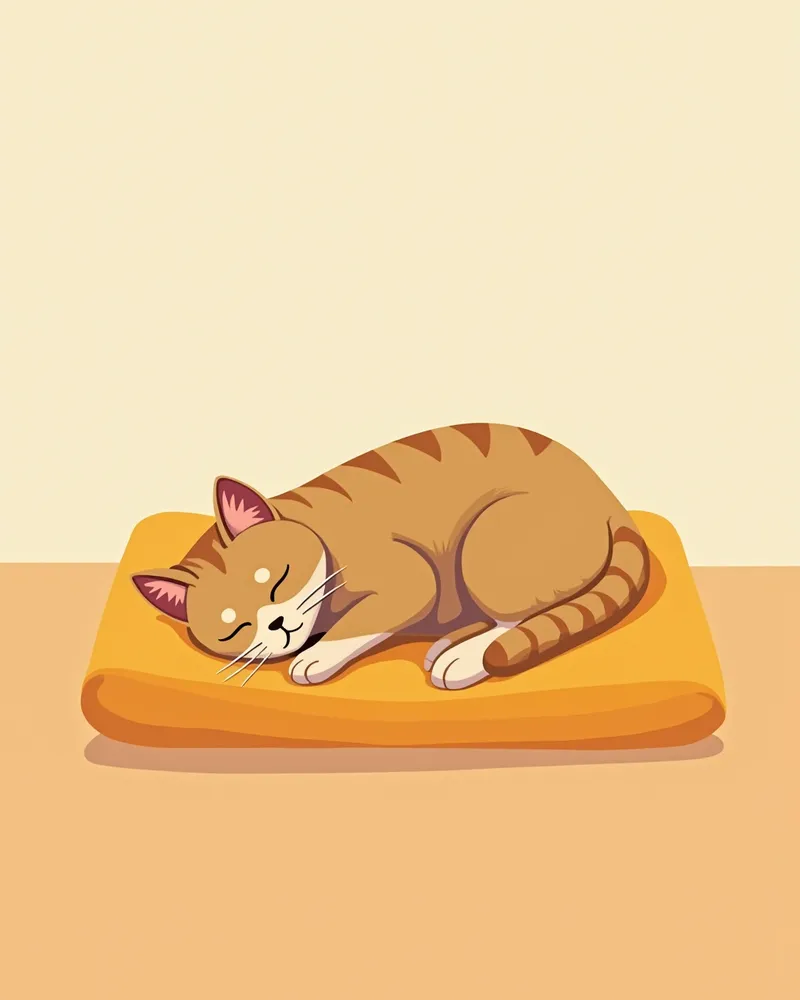
When consulting on feline nutrition and selecting a diet, there are several symptoms to watch for. These may include weight loss, muscle weakness, deteriorating coat quality, skin issues, and reduced activity levels. Since these can signal nutritional imbalances, it’s important to consult with a veterinarian.
Weight Loss: Rapid weight loss can occur due to loss of appetite or digestive problems.
Muscle Weakness: Reduced muscle mass may lead to unsteady gait or difficulty jumping.
Poor Coat Condition: The fur may become coarse, thin, or fall out, while the skin becomes dry.
Skin Issues: Itching or rashes may develop, leading to increased scratching or licking behavior.
Reduced Activity: The cat may show little movement throughout the day, appearing lethargic or listless.
A cat with reduced activity levels due to nutritional deficiencies

Symptoms Requiring Immediate Veterinary Visit

If your pet loses more than 10% of its body weight, completely stops eating, or experiences vomiting or diarrhea lasting more than two days, immediate veterinary attention is necessary. These symptoms may indicate serious malnutrition or internal organ disease.

Tests and Evaluations for Accurate Diagnosis
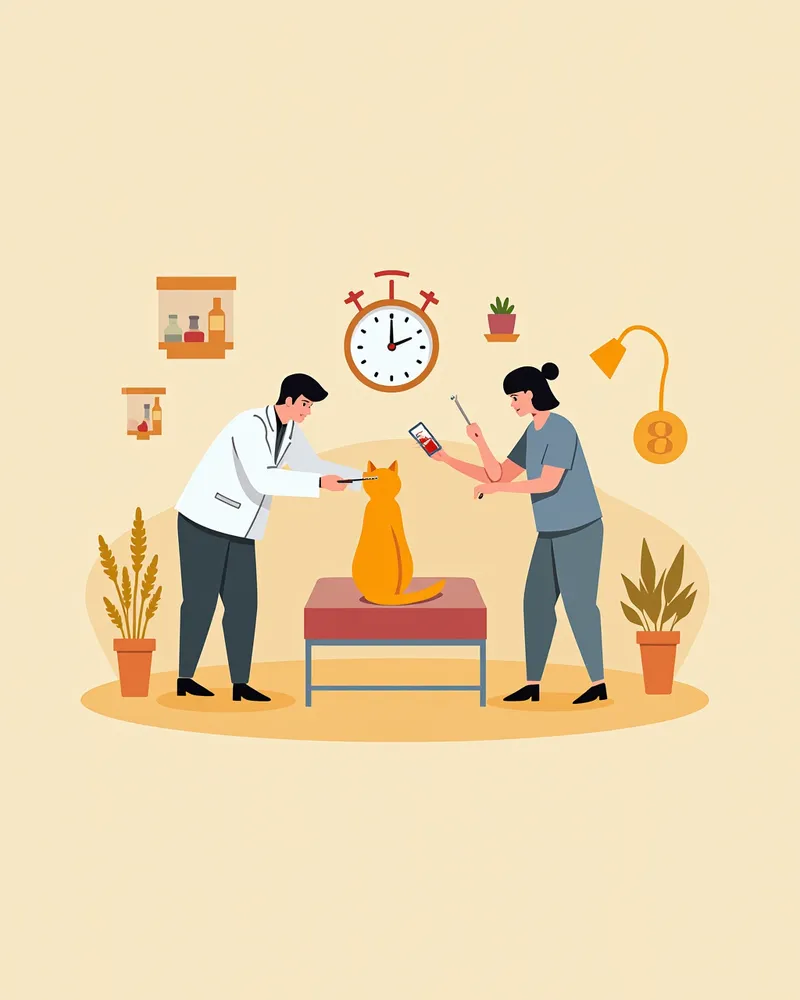
Accurate diagnosis is essential for proper nutritional counseling and diet selection in cats. We comprehensively assess nutritional status through weight measurement, Body Condition Score (BCS), blood tests, urinalysis, and analysis of dietary records. - Blood tests: Complete blood count (CBC), serum chemistry, and taurine levels are indicators that help evaluate nutritional status and identify underlying diseases. - Urinalysis: This test helps assess kidney function and metabolic status. - Dietary records: Documenting daily food intake, types of food, and whether treats are included helps identify the root cause of issues. - Comprehensive evaluation: Physical examination (weight, body condition, muscle mass) and medical history are key pieces of information, along with consideration of animal, dietary, and environmental factors. - Regular reassessment: Since nutritional status changes over time, re-evaluation is necessary at each visit or on a regular basis. A veterinarian will interpret all test results holistically to develop a customized dietary plan.
A veterinarian performing a blood test on a cat.

Step-by-Step Approach to Treatment and Dietary Management
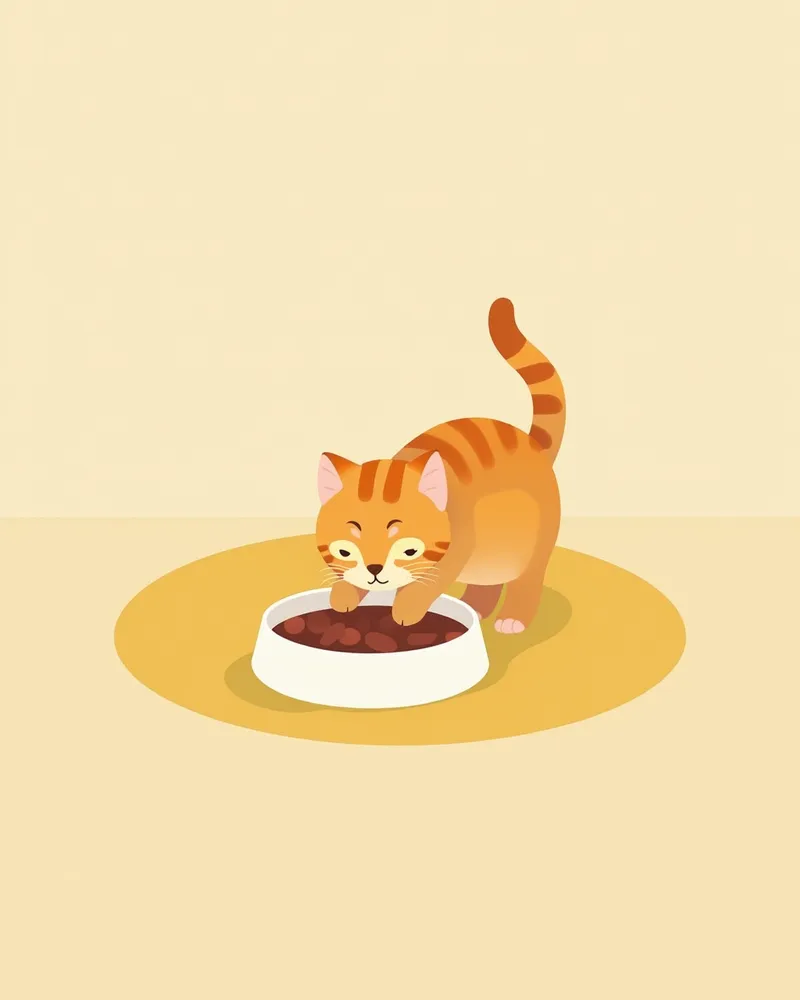
Nutritional counseling and dietary management for cats are implemented in a step-by-step manner. The first step is to accurately assess the cat’s nutritional status, which involves checking for obesity, decreased kidney function, and nutrient deficiencies. - Obesity management: We develop a weight-loss plan to help the cat reach an ideal body condition, adjusting daily food intake and increasing physical activity. - Kidney disease: We tailor the diet to each individual patient, increase water intake, and ensure adequate caloric intake while maintaining muscle mass. - Nutritional supplementation: Deficient nutrients, such as taurine, are supplemented with additives as determined by the veterinarian. - Pace of progress: All changes should be made gradually under veterinary supervision, with continuous monitoring of the cat’s response. - Reassessment: After a set period, we reevaluate the nutritional status and adjust the plan if necessary.
A cat eating a special therapeutic diet.

Nutrition Management Points at Home

The success of feline nutritional counseling and diet selection begins with daily care. It is important to measure your cat’s food portions accurately and divide them into two to three meals per day. - Food Storage: Store dry food in airtight containers, and refrigerate any products that require it. - Water Supply: Always provide fresh, clean water, and change the water bowl one to two times daily. - Treat Management: Limit treats to no more than 10% of total daily caloric intake to maintain nutritional balance. - Feeding Environment: Feed in a quiet area to minimize stress and prevent competition with other pets. - Monitoring Response: Consistently track changes in weight, activity level, and stool quality after dietary changes. These records will be invaluable during consultations with your veterinarian.
Clean cat food and water bowls

Breed-Specific Precautions and Recurrence Prevention

There is no clear evidence that certain cat breeds are more susceptible to nutritional deficiencies. However, a cat’s nutritional needs can vary depending on its overall health, age, activity level, and whether it has any underlying diseases. Therefore, it is important to provide tailored care through regular check-ups and veterinary assessments. Nutritional status should be monitored at each visit or on a regular basis, and the diet should be adjusted as needed.

Reviewed by a veterinarian

Dr. Tony — Punnawat Phongkittirak

Dr. Tony — Punnawat Phongkittirak

Veterinarian

A veterinarian who majored in veterinary medicine at Khon Kaen University, Thailand, and completed the IVSA program at North Carolina State University in the United States. Drawing on clinical experience at animal hospitals, he works in the pet healthcare field and is dedicated to building a digital care environment that connects pet parents with veterinarians.

Frequently Asked Questions

Is it safe to give my cat human food?
No, human food can contain ingredients that are harmful to cats and may disrupt their nutritional balance. It’s safest to feed your cat a diet specifically formulated for felines. Some human foods can even be toxic, so caution is essential.
What kind of diet is good for overweight cats?
A low-fat, high-protein diet is recommended. We suggest following a diet plan tailored to your pet’s weight by your veterinarian. Managing weight with a lower-fat diet can help achieve an ideal body condition.
What should I keep in mind when transitioning my pet’s diet?
Diet transitions should be done gradually over 7 to 10 days. For the first 3 days, mix 70% of the current food with 30% of the new food, then gradually adjust the ratio. A sudden change can cause diarrhea or vomiting.
Can I give my cat supplements?
Giving supplements without a veterinarian’s guidance can be risky. We recommend supplements only after accurately assessing your pet’s nutritional status and if they’re truly needed. Over-supplementation can actually be harmful.
What is the most important factor to consider when choosing a diet?
A tailored diet that takes into account your cat’s age, weight, health status, and activity level is the most important factor. For safety, consult with your veterinarian and choose a food that meets AAFCO standards.

Comparison of Diet Recommendations by Cat Nutritional Status

ItemRecommended Diet TypeMain IngredientsPrecautions
ObesityLow-fat, high-protein dietChicken, fish, taurineReach ideal body condition through portion control
Kidney Disease (Early Stage)Low-protein, low-phosphorus dietLow phosphorus, high-quality protein, taurine, omega-3 fatty acidsAdjust to the individual patient, encourage adequate calorie and water intake
Nutritional DeficiencySupplementary diet or including supplementsVitamin B12 (cobalamin), taurine, ironAdminister under veterinary guidance, avoid excessive intake

Decide on the diet after consulting your veterinarian. Customized adjustments are needed depending on the cat's health status.

Share

Related Guides

References

[1] Clinical Medicine of the Dog and Cat, 4th Ed, 2023

[2] Applied Veterinary Clinical Nutrition, 2nd Ed, 2022

[3] The Cat, Clinical Medicine and Management, 2nd Edition, 2021

This information is based on veterinary literature and does not replace diagnosis or treatment. Please consult a veterinarian for specific health concerns.

Metapet Co., Ltd. | CEO: Park Sung-yong | Business Reg. No. 417-88-02562 | Seoul, South Korea | Customer Center

Cat Nutrition & Diet Selection: Symptoms, Causes & Care | Meongsiljang