

Dog Chest X-ray Heart Size — A Complete Guide from Normal Values to Abnormal Findings
Chest X-rays are a key diagnostic tool for quantitatively assessing heart size in dogs. Early detection of abnormal heart enlargement significantly improves treatment outcomes.
Dog Chest X-ray Heart Size Assessment is a Test for Quantitatively Evaluating Heart Size Changes

The Main Causes of Heart Size Changes Include Heart Disease, Circulatory Abnormalities, and Genetic Factors
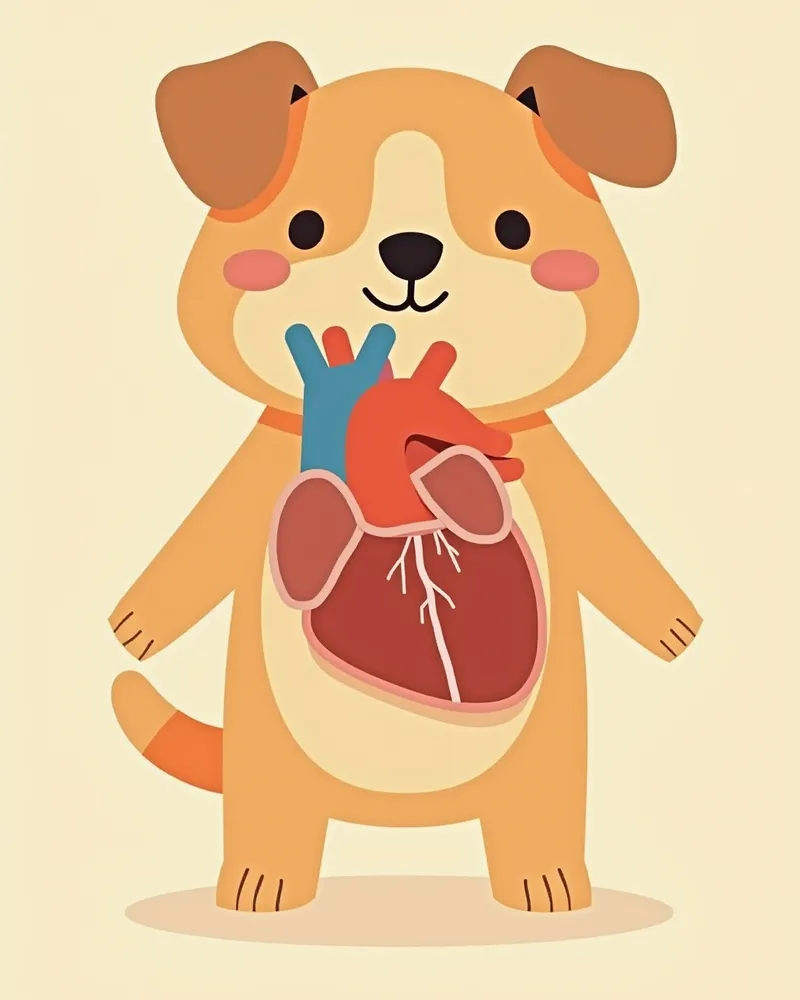
The Main Symptoms That May Suggest Abnormal Heart Size Are as Follows

Early Detection of Abnormal Heart Size Can Save Lives
Early detection of abnormal heart size can save lives. Heart enlargement or increased heart size may be an early sign of declining heart function. If diagnosed before symptoms appear, treatment outcomes are significantly better. Intervening before heart function deteriorates can slow disease progression. Regular health check-ups and chest X-rays are essential for early diagnosis.
Heart Size Assessment Is Quantified Using the VHS Score on Chest X-rays
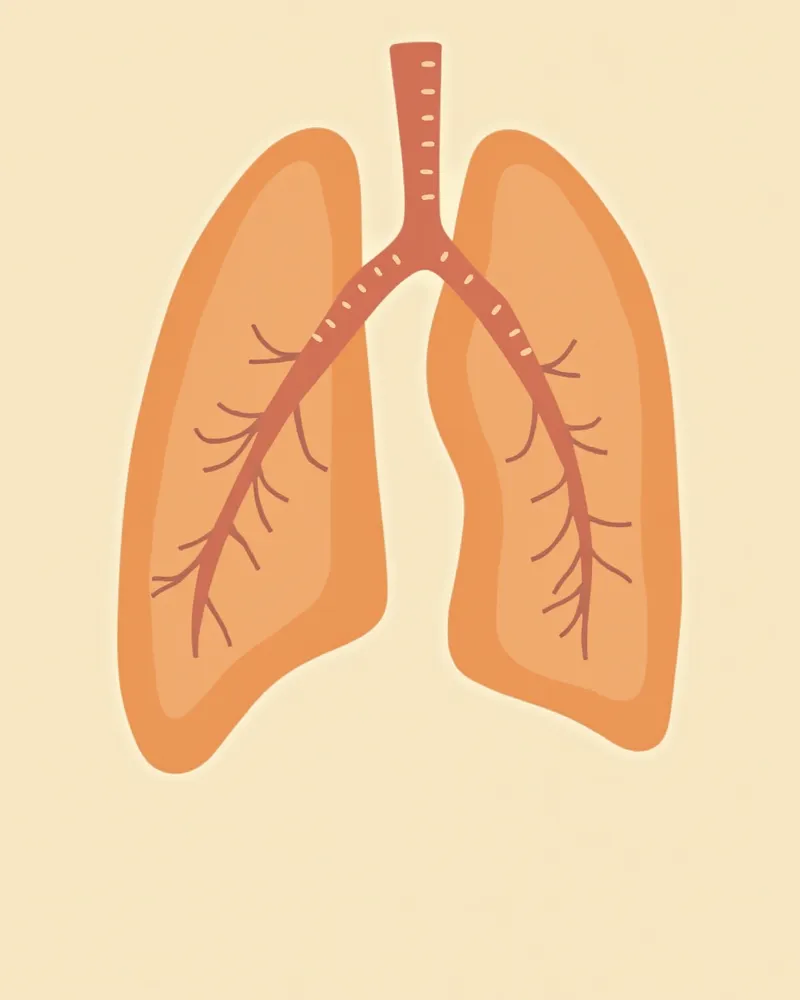
Treatment for Abnormal Heart Size Is Divided into Medication, Surgery, and Lifestyle Management Depending on the Cause

Home Care Is Very Important for Maintaining Heart Health

Certain Breeds May Be More Vulnerable to Abnormal Heart Size
Certain breeds may require more careful interpretation when assessing heart size, as normal VHS values can vary by breed. Additionally, some breeds have a known predisposition to congenital heart diseases. For example, subaortic stenosis has been reported in Newfoundland, Rottweiler, Golden Retriever, and Boxer breeds, while pulmonic stenosis has been reported in English Bulldog, French Bulldog, West Highland White Terrier, and Beagle breeds. For these breeds, regular health check-ups, including chest X-rays and cardiac ultrasound, can aid in early detection. Early detection and consistent management play a significant role in maintaining your pet's health.
Reviewed by a veterinarian

Dr. Tony — Punnawat Phongkittirak
VeterinarianA veterinarian who majored in veterinary medicine at Khon Kaen University, Thailand, and completed the IVSA program at North Carolina State University in the United States. Drawing on clinical experience at animal hospitals, he works in the pet healthcare field and is dedicated to building a digital care environment that connects pet parents with veterinarians.
Reviewed 2026-06-05
Frequently Asked Questions
When is the best time to have a chest X-ray to assess your dog’s heart size?
Does a VHS score of 10.5 or higher indicate cardiomegaly?
Can an abnormally enlarged heart be completely cured?
What can you do at home to support your pet’s heart health?
Is assessing heart size a painful procedure?
Share
Related Guides

Coenzyme Q10 Benefits and Administration Guide

Dog Pulmonary Edema Warning — 7 Best Diuretics (Furosemide) for Heart Management

7 Best Prescription Diets for Feline Heart Disease Recommended by Veterinarians — Criteria for Choosing Low-Sodium Food

If Your Dog Keeps Losing Hair — Causes and Treatment of Sex Hormone-Related Skin Conditions

Comprehensive Guide to Symptoms, Causes, Diagnosis, Treatment, and Management of Hormonal Imbalances During Pregnancy and Lactation in Dogs

If Your Puppy Is Stunted and Lethargic — Symptoms, Diagnosis, and Treatment of Canine Panhypopituitarism

It’s Not Just Fat — Causes and Management of Insulin Resistance in Dogs

If Your Dog Keeps Vomiting and Is Lethargic — Symptoms and Treatment of Addison’s Disease (Hypoadrenocorticism)

Comprehensive Endocrine Checkup for Dogs: How to Check Thyroid, Adrenal, and Diabetes All at Once

If Your Dog Is Constantly Drinking Water and Panting — Symptoms and Treatment Timing for Ectopic ACTH Syndrome
References
[1] Textbook of Cardiovascular Medicine in Dogs and Cats, 2020
[2] Notes on Canine Internal Medicine, 4th Ed, 2018
[3] Clinical Medicine of the Dog and Cat, 4th Ed, 2019