Like
Share
멍실장
강아지 첫 동물병원 방문 증상과 원인, 진단·치료와 관리 포인트 총정리

Comprehensive Guide to Symptoms, Causes, Diagnosis, Treatment, and Management for a Puppy’s First Vet Visit

Lifestyle & Age CareDiseasesMeongsiljang Veterinary Advisory Board

A puppy’s first visit to the vet is a crucial step in assessing their health, administering vaccinations, and laying the foundation for socialization. Proper preparation and handling can help minimize stress and ensure a safe, positive experience at the clinic.

A Puppy’s First Vet Visit Is the Start of Preventive Health Care
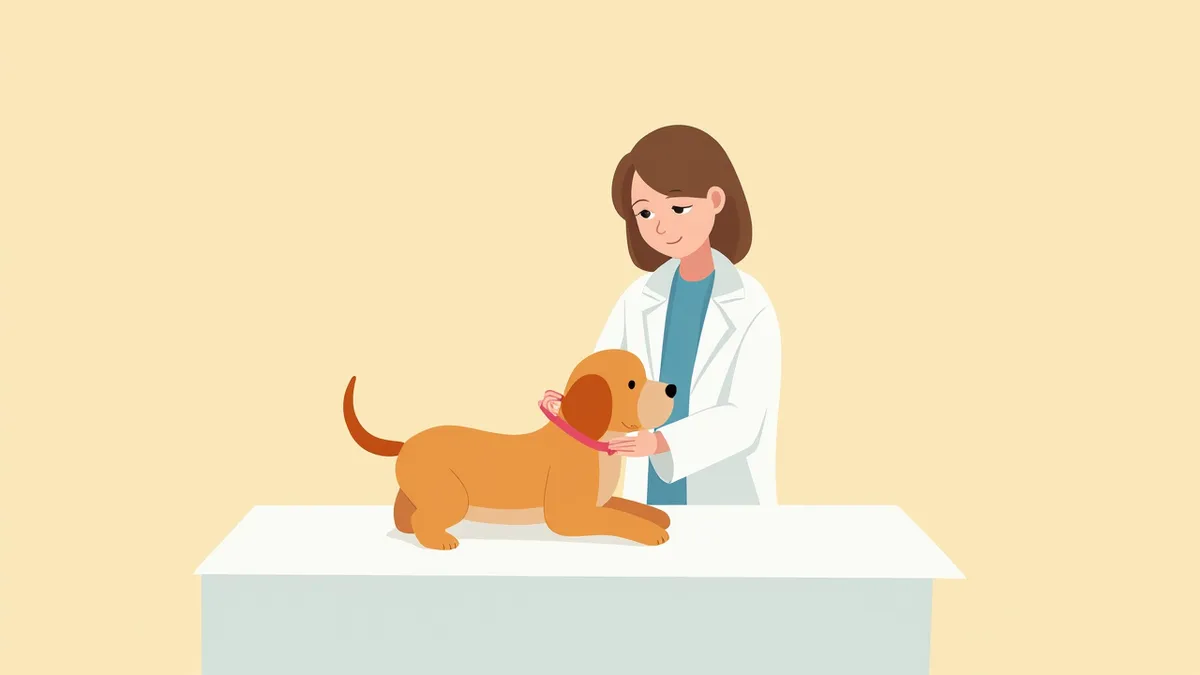
A veterinarian examining an adolescent puppy.
A puppy’s first visit to the veterinary clinic is a crucial step for conducting a comprehensive health assessment and establishing a foundation for vaccinations, deworming, and socialization. - Health Checkup: The vet evaluates overall health by checking weight, body temperature, heart rate, and listening to the heart and lungs with a stethoscope. - Vaccinations: Core vaccines are administered to protect against major infectious diseases such as parvovirus and adenovirus. The vaccination schedule is planned by the veterinarian based on the puppy’s individual health status and disease risk. - Deworming: Preventive treatment for internal and external parasites helps maintain a healthy living environment. - Socialization Foundation: The puppy becomes accustomed to various people, animals, and noises, building positive experiences at the clinic. - Owner Preparation: Bringing a quiet pet carrier, treats, and toys can help reduce stress. All of these steps mark the beginning of stable, ongoing health care.

Behavioral Changes and Causes That May Occur During the First Visit
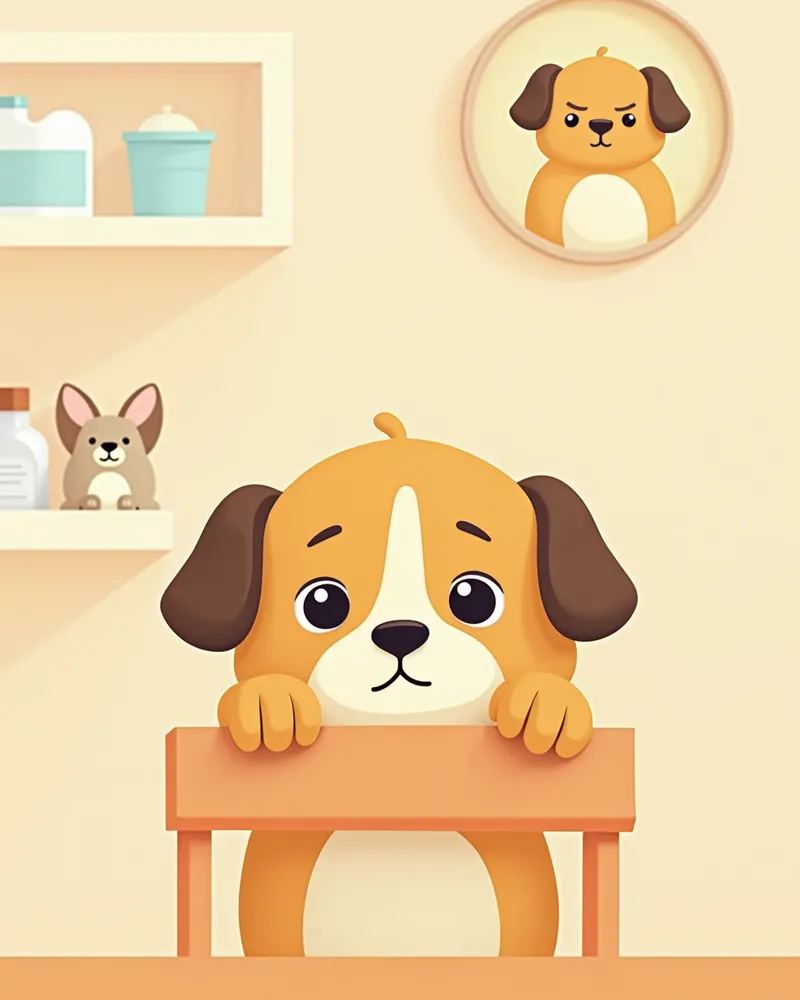
During your puppy’s first visit, you may notice behavioral changes such as anxiety, tension, or aggression. These are stress responses triggered by unfamiliar surroundings, other animals, or loud noises. Additionally, excessive excitement or restlessness can interfere with the examination, so maintaining a calm atmosphere is important.
Anxiety responses: Fear of the clinic environment or people may cause your dog to cower or hide. Subtle signs like trembling, panting, or lip-licking may also appear.
Increased aggression: If your dog feels threatened, they may suddenly bark or attempt to bite.
Freezing: In a state of high tension, your dog may become immobile and stiff, appearing lethargic or unresponsive.
Vocalization: Your dog may continuously bark or whine in response to the unfamiliar environment.
While these reactions may be temporary, repeated occurrences can make it difficult for your dog to adapt to veterinary visits.
A nervous dog hiding behind a chair at the veterinary clinic.

It Is Important to Identify Key Symptoms and Signs

There are various signs that pet owners should watch for during their dog’s first veterinary visit. Recognizing these cues in advance can facilitate smoother communication with the veterinarian and enable appropriate responses.
Hiding behavior: The dog hides behind chairs or walls within the clinic.
Whale eye: The dog widens its eyes and vigilantly scans the surroundings due to tension.
Tucking the tail: The dog tucks its tail downward or wraps it around its body as a protective gesture.
Rapid breathing: The dog’s breathing quickens, indicating tension and an excited state.
Attempting to bite: The dog exhibits aggressive behavior by trying to bite the owner or the veterinarian.
These signals indicate the dog’s stress level, helping the veterinarian recognize the situation and provide a calm environment.
The tense facial muscles of a nervous dog at the vet clinic

Emergency Signs Requiring Immediate Veterinary Attention

If your puppy experiences difficulty breathing, severe seizures, loss of consciousness, or persistent vomiting or diarrhea during its first visit, contact the clinic immediately. These symptoms may indicate a serious medical condition, and prompt action can be life-saving.

Diagnostic Methods and Procedures Are Systematic and Thorough
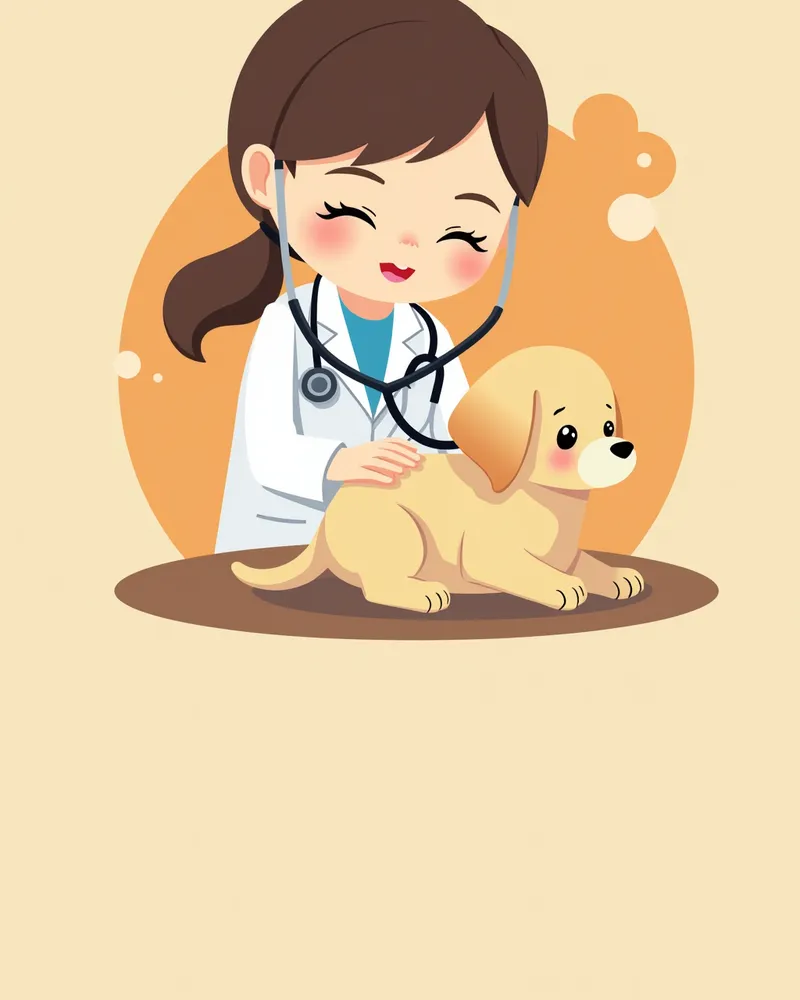
During your first visit, the veterinarian will perform a range of diagnostic procedures to assess your pet’s overall health. This is essential for early disease detection and prevention.
Physical Examination: The vet will listen to the heart and lungs with a stethoscope and check the skin, ears, eyes, and mouth.
Blood Tests: A complete blood count and biochemistry panel help evaluate organ function and detect infections.
Fecal Examination: This checks for parasites and assesses the gut environment.
Cardiac Evaluation: If any abnormalities are detected during auscultation, additional tests such as an echocardiogram may be performed as needed.
Urinalysis: This helps assess kidney function and overall health status.
All examinations are conducted slowly and carefully, with your dog’s safety and comfort in mind. The veterinarian will also use strategies to minimize stress.
A veterinarian using a stethoscope to listen to a dog’s heart.

Step-by-Step Treatment and Vaccination Plan
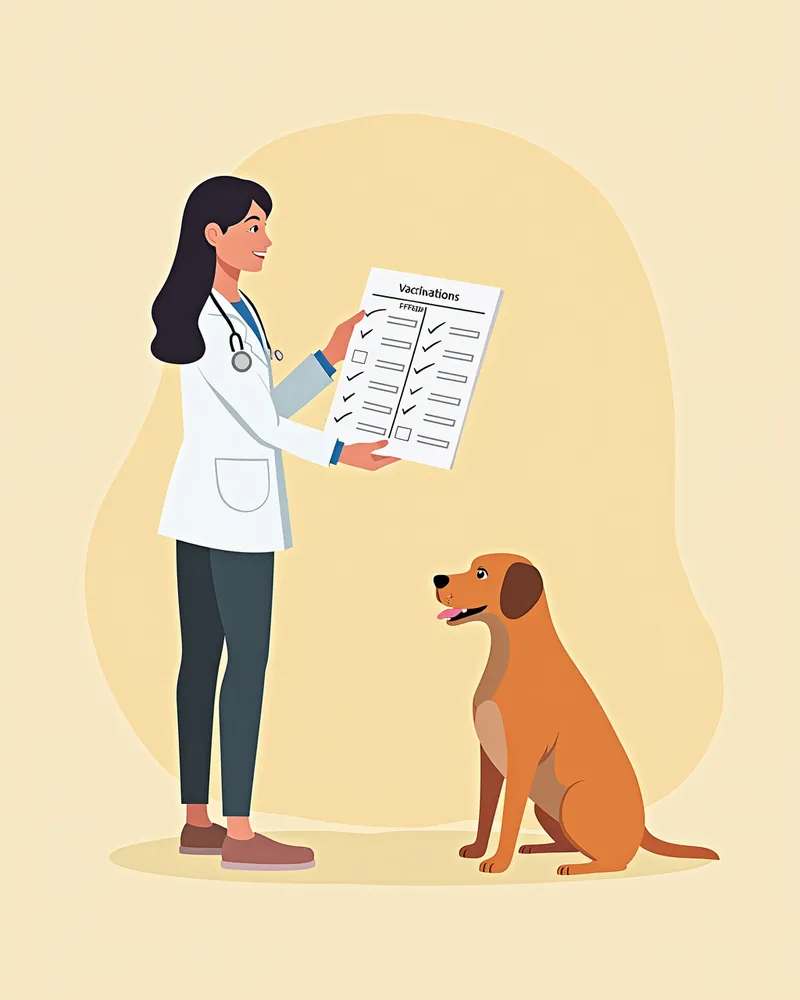
After the initial visit, your veterinarian will create a customized treatment and prevention plan based on your puppy’s health status, laying the foundation for long-term wellness.
Vaccinations: Starting at a young age, vaccines are typically administered in multiple doses at two- to three-week intervals. The vaccination schedule is adjusted according to disease risk and veterinary assessment.
Deworming: Regular administration of dewormers is recommended to prevent internal and external parasites.
Digestive Health: Your vet may recommend specific diets or nutritional supplements to support a healthy gut environment.
Socialization: Safe interactions with other dogs can help reduce aggression and anxiety.
Nutrition: Choose food appropriate for your puppy’s weight and growth stage, and avoid overfeeding.
This plan will be adjusted as your puppy grows and should be reviewed regularly with your veterinarian.
A veterinarian showing a vaccination schedule to a pet owner.

Home Care and Establishing Daily Habits

Home care after the first visit is key to maintaining your dog’s health. Daily routines can help reduce stress and provide a sense of stability.
Regular walks: Walk your dog 1–2 times a day for 15–30 minutes to help burn off energy.
Consistent meal times: Feed your dog 2–3 times a day at set times.
Training sessions: Practice basic commands (sit, stay, come) for 5–10 minutes each day.
A calm sleeping environment: Provide a bed or cushion to create a comfortable and secure sleeping space.
Regular weight checks: Record your dog’s weight once a month to monitor any changes.
These habits support both emotional well-being and physical health in your dog.
A dog sleeping peacefully at home

Breed-Specific Precautions and Tips to Prevent Recurrence

Certain breeds may experience greater stress during their first visit. For example, some breeds are highly sensitive and may require a quiet, calm environment. Additionally, repeated clinic visits can lead to accumulated stress, so regular health check-ups are essential to detect issues early and prevent recurrence.

Reviewed by a veterinarian

Dr. Tony — Punnawat Phongkittirak

Dr. Tony — Punnawat Phongkittirak

Veterinarian

A veterinarian who majored in veterinary medicine at Khon Kaen University, Thailand, and completed the IVSA program at North Carolina State University in the United States. Drawing on clinical experience at animal hospitals, he works in the pet healthcare field and is dedicated to building a digital care environment that connects pet parents with veterinarians.

Frequently Asked Questions

When is the best time to bring your puppy in for its first vet visit?
The early weeks of life are the ideal time. During this period, you can lay the foundation for vaccinations and socialization. The exact timing should be determined in consultation with your veterinarian.
What should I prepare before visiting the clinic?
We need a leash, bed, treats, urine collection bag, hospital visit records, and food samples.
What should I do if my dog gets extremely anxious at the vet clinic?
Providing a quiet space and having the owner present can be helpful. If necessary, the veterinarian may administer a sedative at their discretion.
How should vaccinations be administered after the first visit?
Veterinarians administer vaccines according to a set schedule. The timing and number of doses may be adjusted based on individual circumstances.
What should I do if my dog seems anxious after a vet visit?
Provide a quiet environment at home and offer comfort with a bed or toys. If the behavior persists, consult your veterinarian.

Share

Related Guides

References

[1] The Dog Care Handbook, Things I Wish My Vet Had Told Me, 2024

[2] Clinical Medicine of the Dog and Cat, 4th Edition, 2023

[3] Small Animal Critical Care Medicine, 3rd Edition, 2022

This information is based on veterinary literature and does not replace diagnosis or treatment. Please consult a veterinarian for specific health concerns.

Metapet Co., Ltd. | CEO: Park Sung-yong | Business Reg. No. 417-88-02562 | Seoul, South Korea | Customer Center

Puppy's First Vet Visit: Symptoms, Causes & Care Guide | Meongsiljang